

Healthcare
Envac enables cleaner, safer, and more efficient hospitals
Hospitals face unique waste management challenges—limited space, constant activity, and high hygiene demands. Traditionally, waste and soiled linen are stored locally in the wards and transported in corridors and elevators. Patients and healthcare professionals risk exposure to both pathogens and odours.
By using fully automated collection through sealed pipes hidden in walls and ceilings, colony-forming unit (CFU) levels in the healthcare environment are minimised, and risks for cross-contamination are eliminated, helping to prevent and reduce risks of healthcare-associated infections (HAIs).
3-6 Years ROI
.
49% lower infection risk

Increased health & safety

5 fractions
Game-changing Waste Linen IWC KitchenLinen
Collection for Healthcare

Transforming Hospital Safety with Envac
Given the high patient volumes experienced by hospitals and the heightened demands for hygiene and optimal working environments,traditional waste and soiled linen
collection methods have become increasingly obsolete. Implementing smart solutions for collecting waste, soiled linen, recyclables, kitchen waste, and infectious waste can
significantly save time and cost while substantially improving the hospital’s productivity and hygiene standards.
What is the Return of Investment?
Fill in your facility details to see potential cost reductions, time savings, and operational improvements.
-
 Return on investment
 - ${roi_years} yrs ${roi_months} mo
-
 Saved healthcare space
 - ${freed_area} m2
-
 Time released equals
 - ${freed_care_time} Healthcare professionals
-
 Manpower savings
 - ${manpower_savings} Non-healthcare professionals
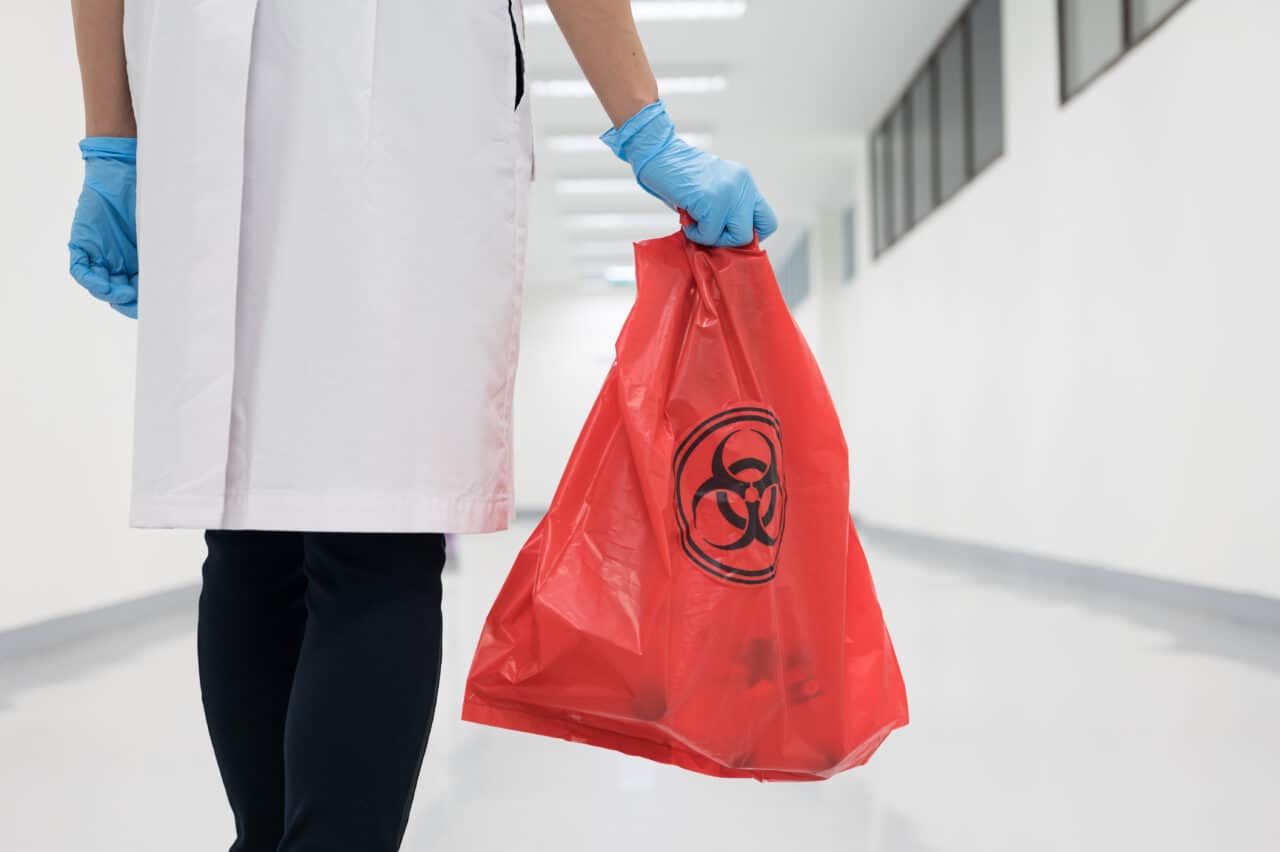
Reducing the spread of infection with infectious waste collection (IWC)
Every year, hospital-acquired infections (HAIs) pose a serious risk to patient safety and cost hospitals millions. Traditional waste handling processes – whether manual or through automated guided vehicles (AGVs) – are still prone to spreading bacteria and contaminating high-traffic areas in a hospital. Automated waste collection and segregation at the source minimise human exposure to hazardous substances. It also prevents odours and potentially disease-carrying nuisances around the waste. The solution minimises the risk of cross-contamination between waste, patients, healthcare staff, and the hospital environment. For example, an Envac system installed in a French hospital transports and separates treatment of type III sharp, infectious waste with on-site sterilisations (scalpels, needles, and any metal/sharp material responsible for transmitting diseases).
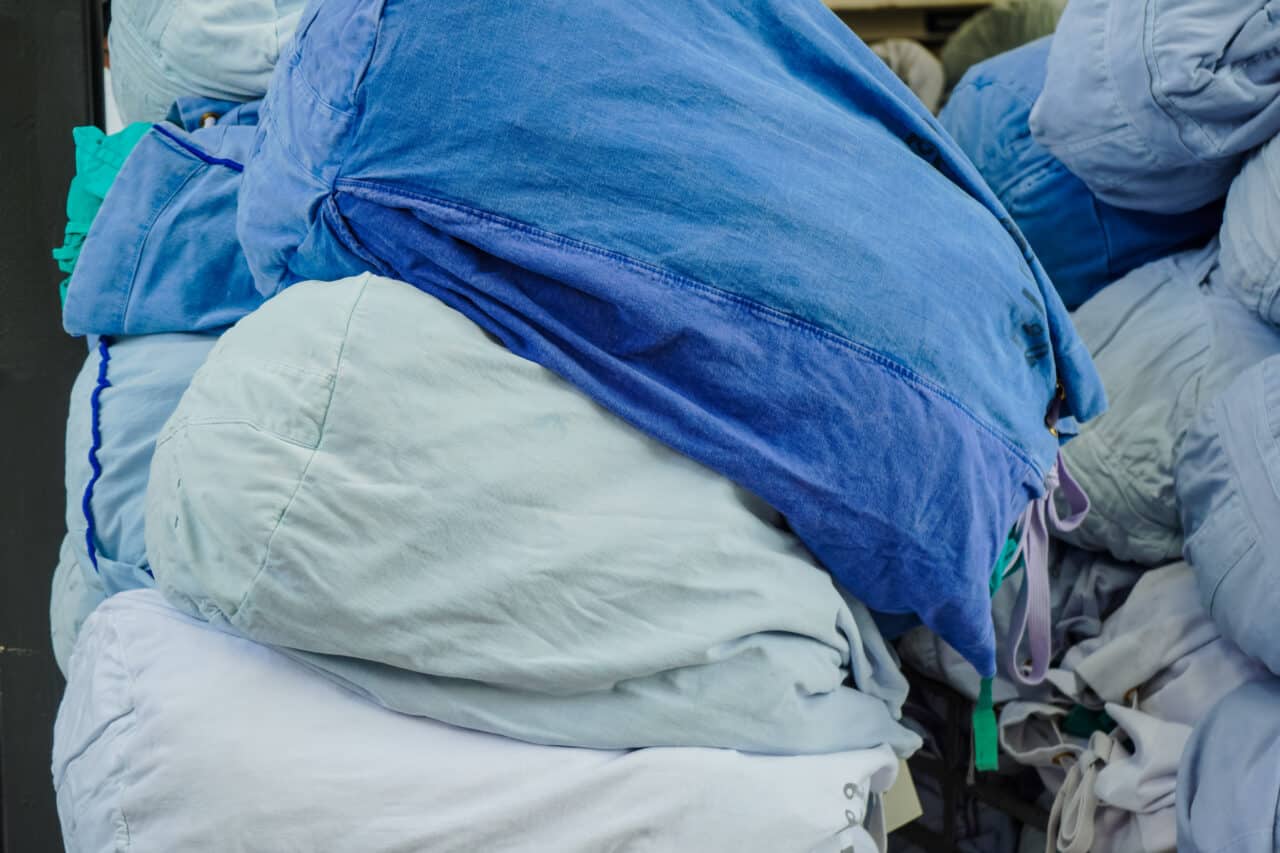
Improving logistics and safety with soiled hospital linen collection
With large volumes of soiled linen and waste generated daily, hospitals must have a reliable system in place to handle collection and disposal swiftly and safely. Envac’s automated linen collection system optimises hospital logistics by reducing manual handling, streamlining waste flow, and ensuring 24/7 hygienic and secure disposal. Hospitals can improve efficiency, free up resources, and create a safer working environment by minimising staff involvement in waste transportation.
A study by KTH University in Sweden found that hospitals using closed pipe systems for soiled linen and waste disposal had significantly lower bacterial contamination levels than those relying on traditional handling methods. The findings revealed that hospitals equipped with the Envac system recorded a 49.3% lower average CFU* count and a 6.10% lower median CFU* count, demonstrating a marked reduction in microbial presence.
By automating linen collection, hospitals can streamline operations, improve infection control, and maintain a cleaner, safer environment for both staff and patients.
(*CFU: Colony-Forming Units, a measure of bacterial presence.)

Strengthening hospital reputation and ensuring regulatory compliance
Hospitals must adhere to strict infection control and hygiene regulations set by bodies such as the NHS, WHO, and local health authorities. Traditional waste handling methods increase the risk of contamination due to manual contact. Envac’s automated system reduces human involvement, minimising infection risks and ensuring safer waste disposal. A closed pipe system prevents airborne contamination, improves waste segregation, and supports regulatory compliance. Beyond compliance, a well-maintained and hygienic environment enhances public trust, reassures patients, and fosters a positive reputation. By eliminating visible waste accumulation, reducing odours, and creating a cleaner facility, hospitals can improve patient satisfaction and staff working conditions. Many hospitals are required to adopt eco-friendly waste management practices to minimise their environmental impact. Envac’s system reduces carbon emissions by replacing frequent manual waste transport with an automated collection system, cutting down vehicle movements and energy use.
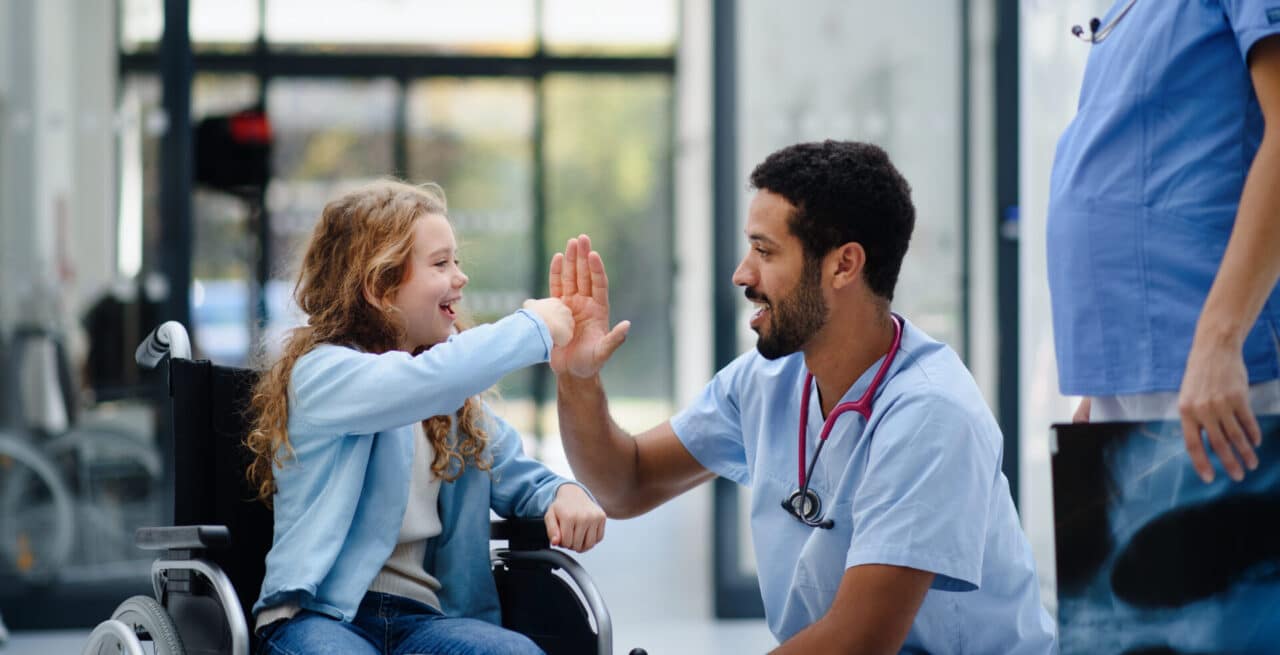
Reducing costs and maximising ROI with automated waste management
Investing in Envac’s automated waste collection system delivers long-term cost savings and operational efficiency for hospitals. The system lowers labour costs by reducing manual handling, allowing staff to focus on patient care rather than waste transport. With fewer waste-related vehicle movements, hospitals also save on fuel, maintenance, and staffing expenses. A study by KTH University in Sweden found that hospitals using Envac’s closed system had significantly lower bacterial Contamination, reducing infection risks. This helps hospitals avoid costs associated with infection outbreaks, such as additional cleaning, sterilisation, and compliance measures.
Hospitals typically recoup their investment within a few years (approx. 3 to 6 years) through operational savings, improved infection control, and reduced waste management expenses. By integrating Envac’s system, healthcare facilities create a cleaner, safer, and more cost-effective environment, ensuring long-term financial and environmental sustainability.
Discover the advantages of Envac
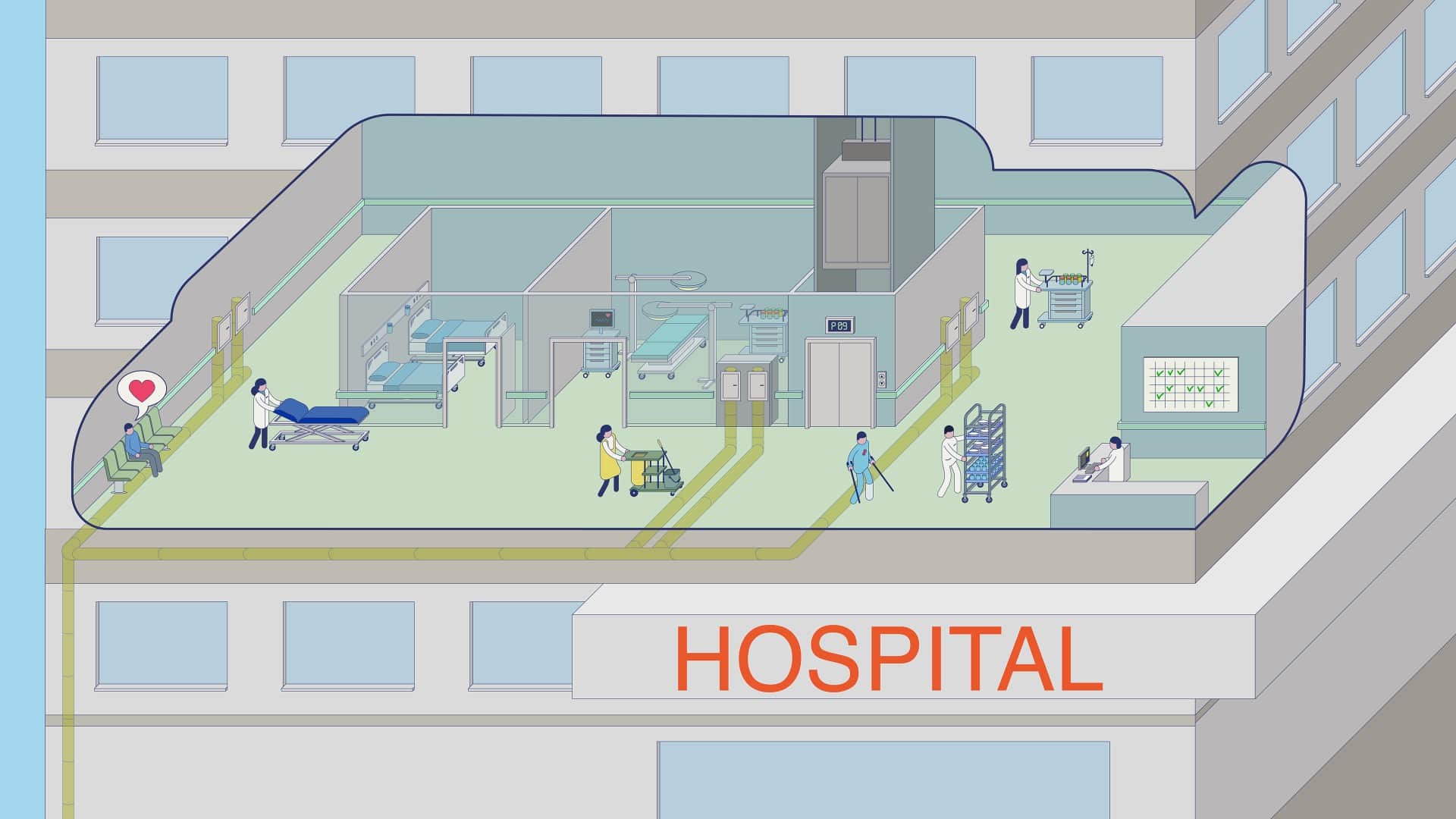
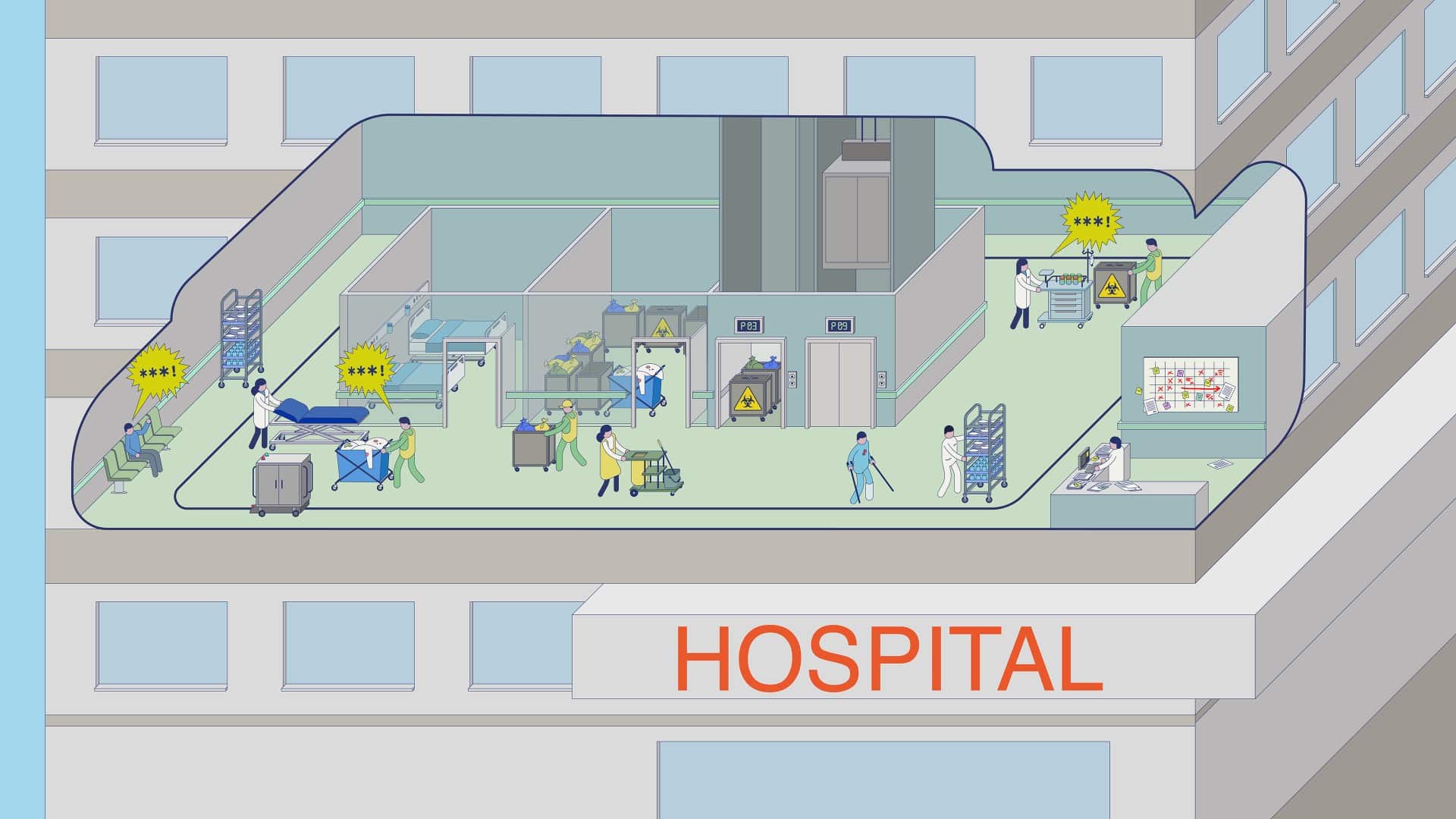
Hospital image
Improved hospital image and reputation.
Hospital image
Poorer hospital image and reputation.
Movement
Safe and efficient movement of staff and patients.
Movement
Difficult movement for staff and patients due to trolleys and agvs in corridors.
Waste storage
No need for local or intermediate waste storage.
Waste storage
Greater need for on-site storage space.
Architectural freedom
Greater architectural freedom and more space for wards and services.
Architectural freedom
Reduced architectural flexibility and usable space.
Lifts
Freed-up elevator capacity and improved logistics.
Lifts
More and larger lifts are required.
Safety
Improved safety: controlled-access doors and a better working environment.
Safety
Lower safety due to increased risks, stressful work conditions, and non-compliance with infection prevention practices.
Cross-contamination
Hygienic, sealed waste transport with no risk of cross-contamination.
Cross-contamination
Higher risk of cross-contamination.
Cleaning
Automated system enables simplified, optimised cleaning routines.
Cleaning
More complex, labour-intensive cleaning routines.
Healthcare waste & associated risks
Urgent need for smart waste collection system

9 Million HAIs per year in Europe
Leads to 25 million extra hospital days
60% of healthcare facilities
Lack safe, proper waste management systems
15% of medical waste is hazardous
May be infectious, toxic, or radioactive

€13–24 billion in HAI-related costs
Europe spends billions annually due to poor infection control
Manual Waste Handling = Hygiene Risk
Exposure increases infection risk for staff and patients