
Healthcare
Envac enables cleaner, safer, and more efficient hospitals
Hospitals face unique waste management challenges—limited space, constant activity, and high hygiene demands. Traditionally, waste and soiled linen are stored locally in the wards and transported in corridors and elevators. Patients and healthcare professionals risk exposure to both pathogens and odours.
By using fully automated collection through sealed pipes hidden in walls and ceilings, colony-forming unit (CFU) levels in the healthcare environment are minimised, and risks for cross-contamination are eliminated, helping to prevent and reduce risks of healthcare-associated infections (HAIs).
3-6 Years ROI
.
49% lower infection risk

Increased health & safety
5 fractions
Game-changing Waste Linen IWC KitchenLinen
Collection for Healthcare
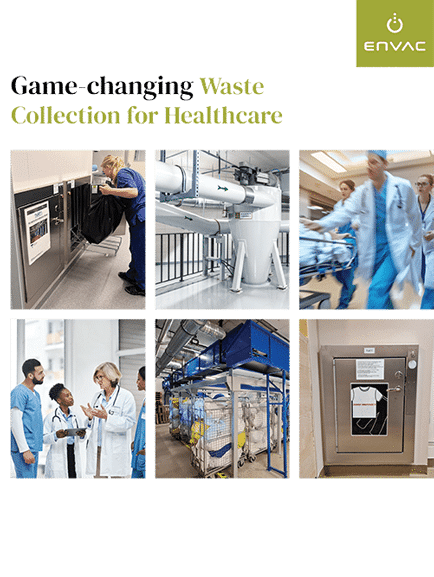

Transforming Hospital Safety with Envac
Given the high patient volumes experienced by hospitals and the heightened demands for hygiene and optimal working environments,traditional waste and soiled linen collection methods have become increasingly obsolete. Implementing smart solutions for collecting waste, soiled linen, recyclables, kitchen waste, and infectious waste can significantly save time and cost while substantially improving the hospital’s productivity and hygiene standards.
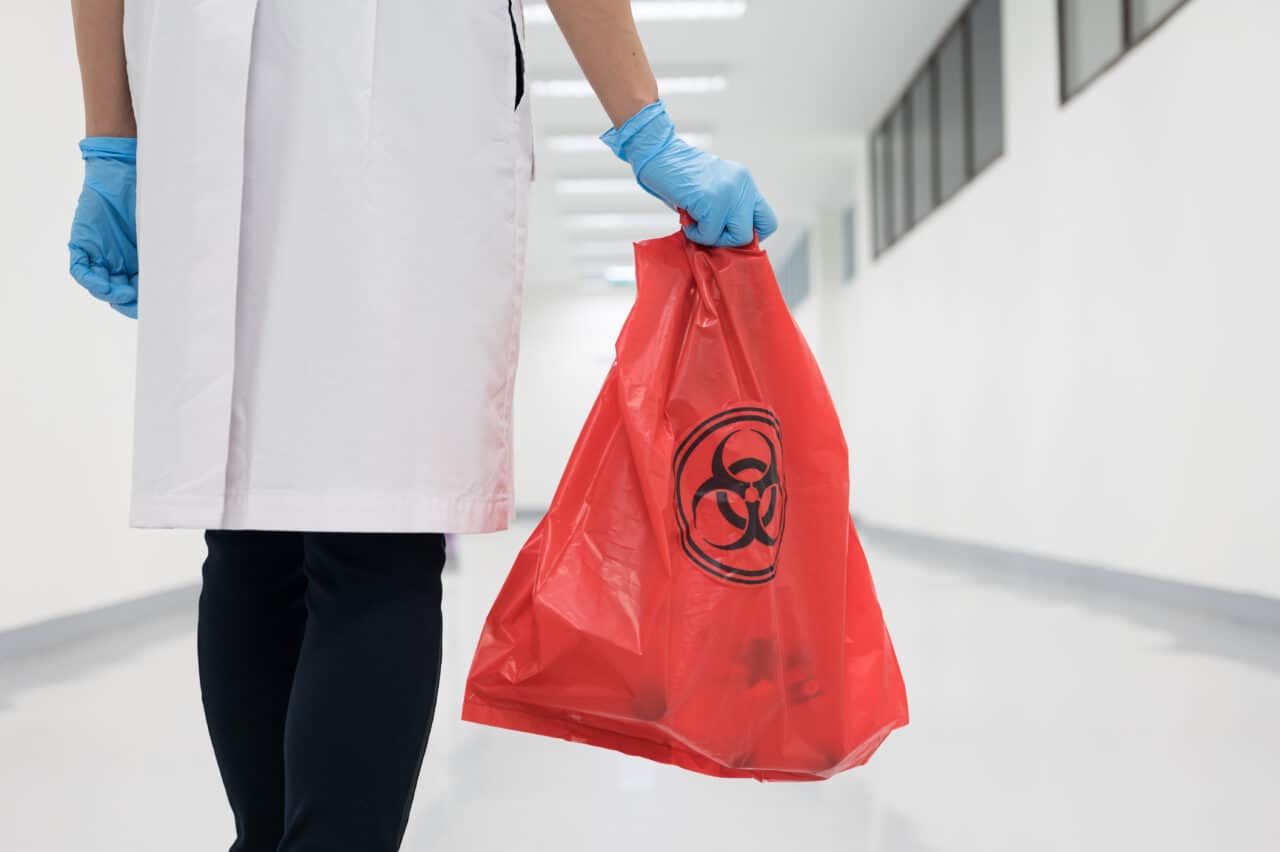
Reducing the spread of infection with infectious waste collection (IWC)
Every year, hospital-acquired infections (HAIs) pose a serious risk to patient safety and cost hospitals millions. Traditional waste handling processes – whether manual or through automated guided vehicles (AGVs) – are still prone to spreading bacteria and contaminating high-traffic areas in a hospital. Automated waste collection and segregation at the source minimise human exposure to hazardous substances. Thus, direct contact with harmful materials reduces workers’ risk of health complications. It also prevents odours and potentially disease-carrying nuisances around the waste. The solution minimises the risk of cross-contamination between waste, patients, healthcare staff, and the hospital environment. For example, an Envac system installed in a French hospital transports and separates treatment of type III sharp, infectious waste with on-site sterilisations (scalpels, needles, and any metal/sharp material responsible for transmitting diseases).
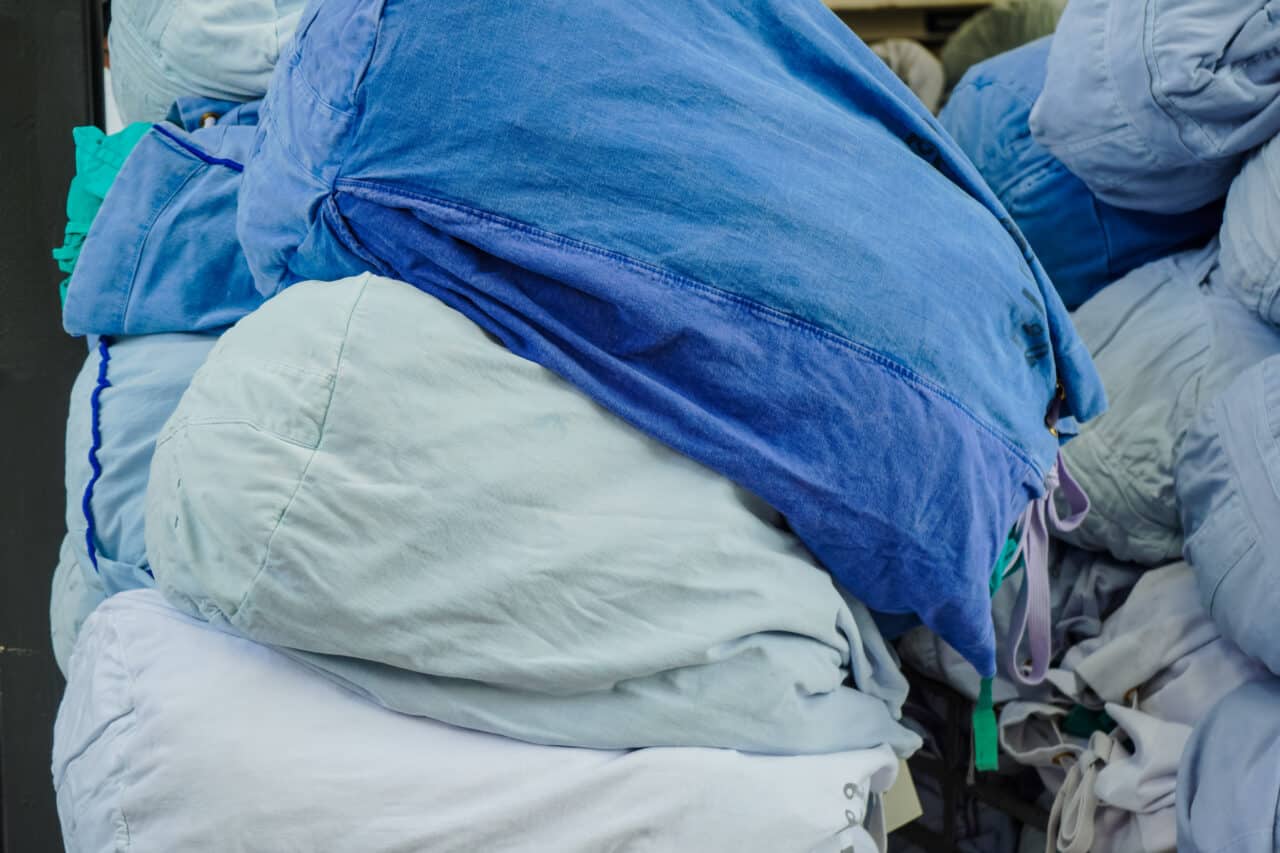
Improving logistics and safety with soiled hospital linen collection
With large volumes of soiled linen and waste generated daily, hospitals must have a reliable system in place to handle collection and disposal swiftly and safely. Envac’s automated linen collection system optimises hospital logistics by reducing manual handling, streamlining waste flow, and ensuring 24/7 hygienic and secure disposal. Hospitals can improve efficiency, free up resources, and create a safer working environment by minimising staff involvement in waste transportation.
A study by KTH University in Sweden found that hospitals using closed pipe systems for soiled linen and waste disposal had significantly lower bacterial contamination levels than those relying on traditional handling methods. The findings revealed that hospitals equipped with the Envac system recorded a 49.3% lower average CFU* count and a 6.10% lower median CFU* count, demonstrating a marked reduction in microbial presence.
By automating linen collection, hospitals can streamline operations, improve infection control, and maintain a cleaner, safer environment for both staff and patients.
(*CFU: Colony-Forming Units, a measure of bacterial presence.)

Strengthening hospital reputation and ensuring regulatory compliance
Hospitals must adhere to strict infection control and hygiene regulations set by bodies such as the NHS, WHO, and local health authorities. Traditional waste handling methods increase the risk of contamination due to manual contact. Envac’s automated system reduces human involvement, minimising infection risks and ensuring safer waste disposal. A closed pipe system prevents airborne contamination, improves waste segregation, and supports regulatory compliance. Beyond compliance, a well-maintained and hygienic environment enhances public trust, reassures patients, and fosters a positive reputation. By eliminating visible waste accumulation, reducing odours, and creating a cleaner facility, hospitals can improve patient satisfaction and staff working conditions. Many hospitals are required to adopt eco-friendly waste management practices to minimise their environmental impact. Envac’s system reduces carbon emissions by replacing frequent manual waste transport with an automated collection system, cutting down vehicle movements and energy use.
Reducing costs and maximising ROI with automated waste management
Investing in Envac’s automated waste collection system delivers long-term cost savings and operational efficiency for hospitals. The system lowers labour costs by reducing manual handling, allowing staff to focus on patient care rather than waste transport. With fewer waste-related vehicle movements, hospitals also save on fuel, maintenance, and staffing expenses. A study by KTH University in Sweden found that hospitals using Envac’s closed system had significantly lower bacterial Contamination, reducing infection risks. This helps hospitals avoid costs associated with infection outbreaks, such as additional cleaning, sterilisation, and compliance measures.
Hospitals typically recoup their investment within a few years (approx. 3 to 6 years) through operational savings, improved infection control, and reduced waste management expenses. By integrating Envac’s system, healthcare facilities create a cleaner, safer, and more cost-effective environment, ensuring long-term financial and environmental sustainability.
Healthcare waste & associated risks
Urgent need for smart waste collection system
9 Million HAIs per year in Europe
Leads to 25 million extra hospital days
60% of healthcare facilities
Lack safe, proper waste management systems
15% of medical waste is hazardous
May be infectious, toxic, or radioactive
€13–24 billion in HAI-related costs
Europe spends billions annually due to poor infection control
Manual Waste Handling = Hygiene Risk
Exposure increases infection risk for staff and patients
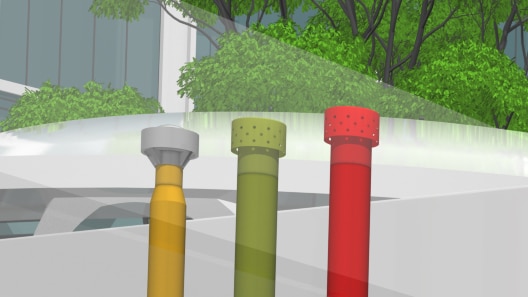
Air inlet
Air inlet valve for the infectious waste transport pipe.
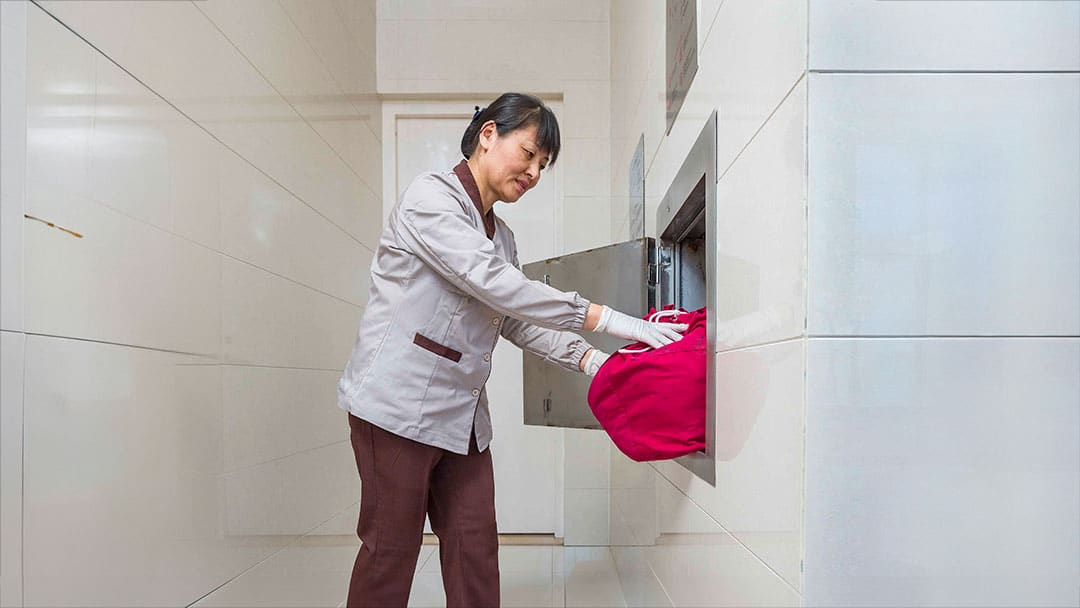
Inlet point
The number of inlet points and their location are defined by the functions of the hospital. Green pipe for general hospital waste and recyclables Red for soiled linen.
The inlets can be fitted with touchless technology that uses sensors for access control. The sensors recognize if it is waste, recyclables, laundry, or infectious waste, that is being disposed of.
Without any physical contact with buttons, handles, or panels to dispose of the waste, the spread of infections is minimized.
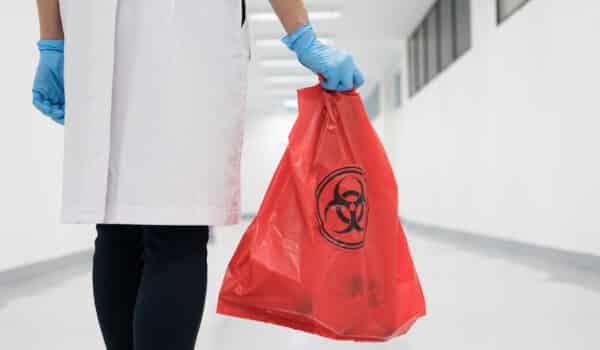
Infectious waste
Infectious waste is collected in a separate, hermetically sealed pipe (yellow pipe).
The closed system and touchless waste inlets minimize the spread of infections, direct transmission, and accidents.
Air inlet
Air inlet valve for waste and linen transport pipes.
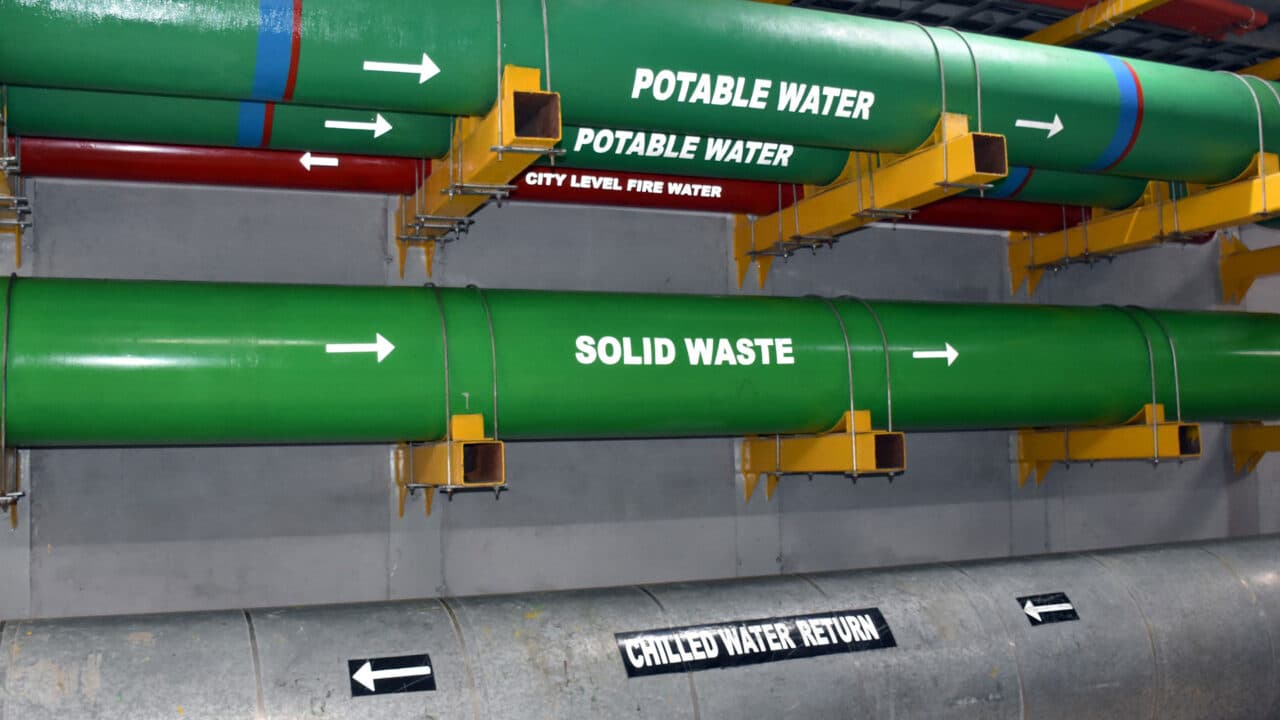
Pipe network
The pipe network runs from the inlet points to the collection station hidden behind walls, in ceilings and in the service corridors.
This ensures that the system remains discreet and unobtrusive while saving valuable square footage which can be utilized for other purposes.
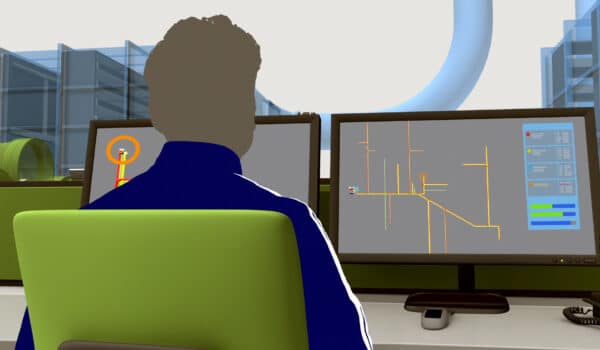
Automatically controlled
All processes are automatically controlled by Envac’s own development Envac Automation Platform (EAP).
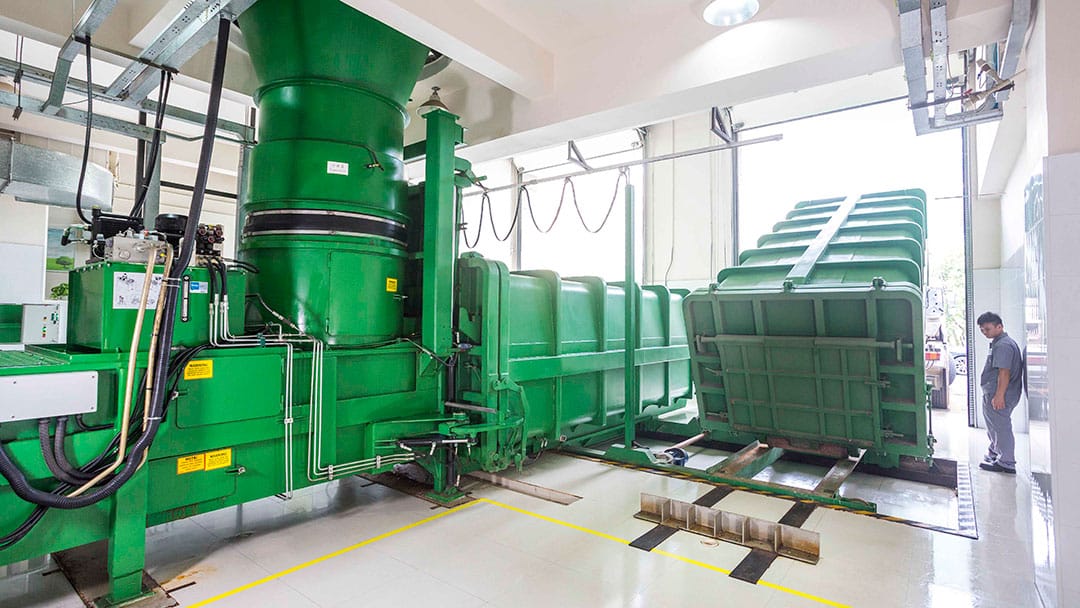
Collection station
All materials are collected at one single point. The collection station is typically located in the technical area at the back of the hospital.
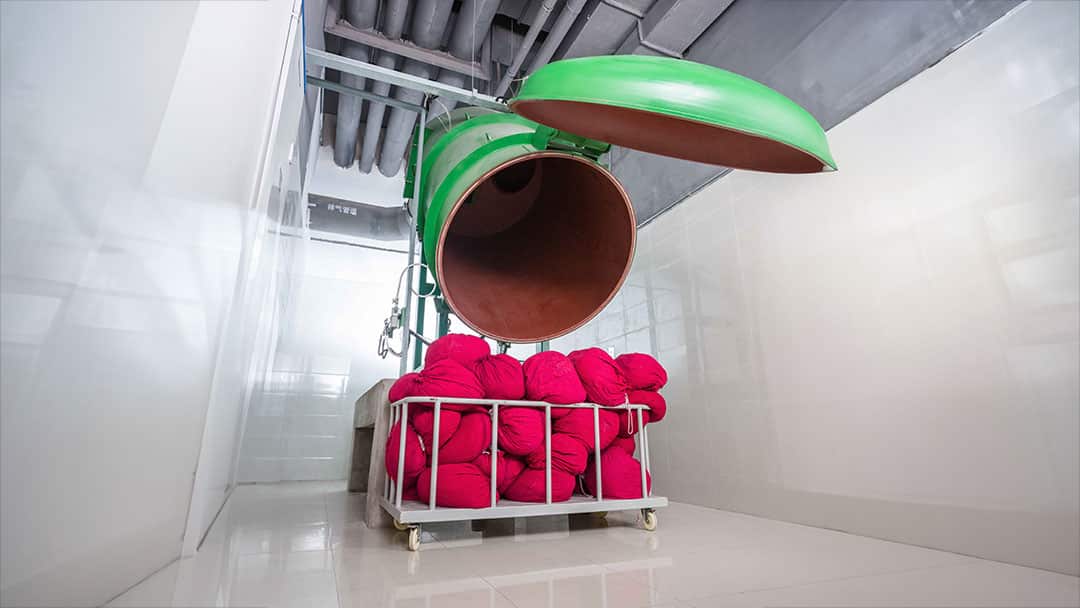
Soiled linen bags drop
Soiled linen bags drop into containers for transport to laundry facility.
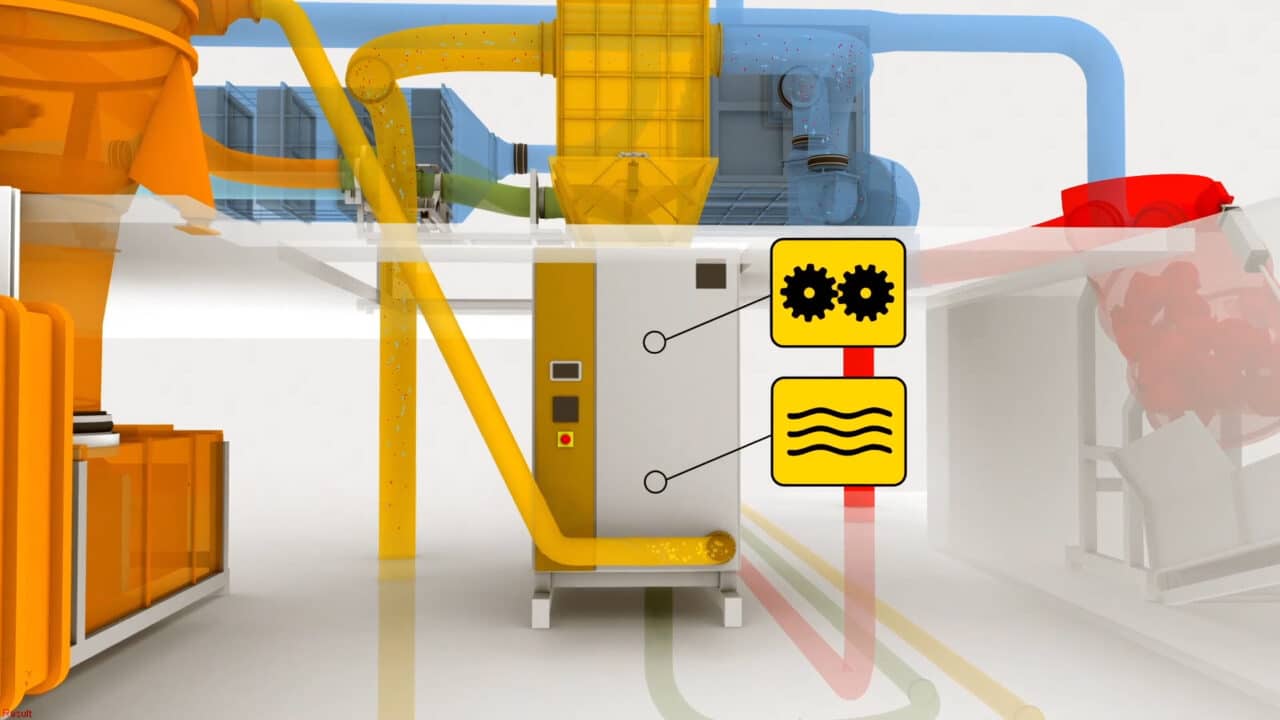
Infectious waste
Infectious waste is collected in a separate, hermetically sealed pipe (yellow pipe).
The closed system and touchless waste inlets minimize the spread of infections, direct transmission, and accidents.
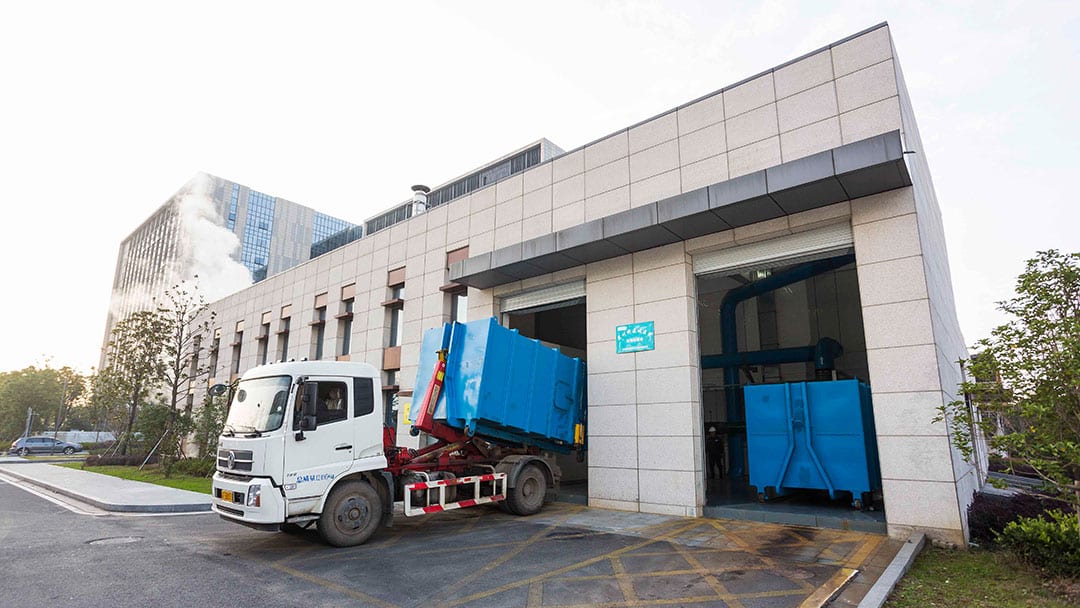
Containers
Full containers are taken to the recycling center and returned empty.

How it works - game changing waste collection for smart hospitals
Envac’s system removes waste in a hermetically sealed pipe system, hidden in the fabric of the hospital, behind walls, under floors, and in culverts. This eliminates the need to transport used materials out from the ward on trolleys or carts limiting the risk of potential accidents and Hospital Acquired Infection.
To further improve sanitary conditions, Envac introduces a new development – a system for handling infectious waste.
Solutions for Healthcare
Envac offers a range of automated waste collection systems specifically designed for hospital environments to boost hygiene, safety, and operational efficiency. These solutions can be implemented individually or combined into a comprehensive hospital waste management system.
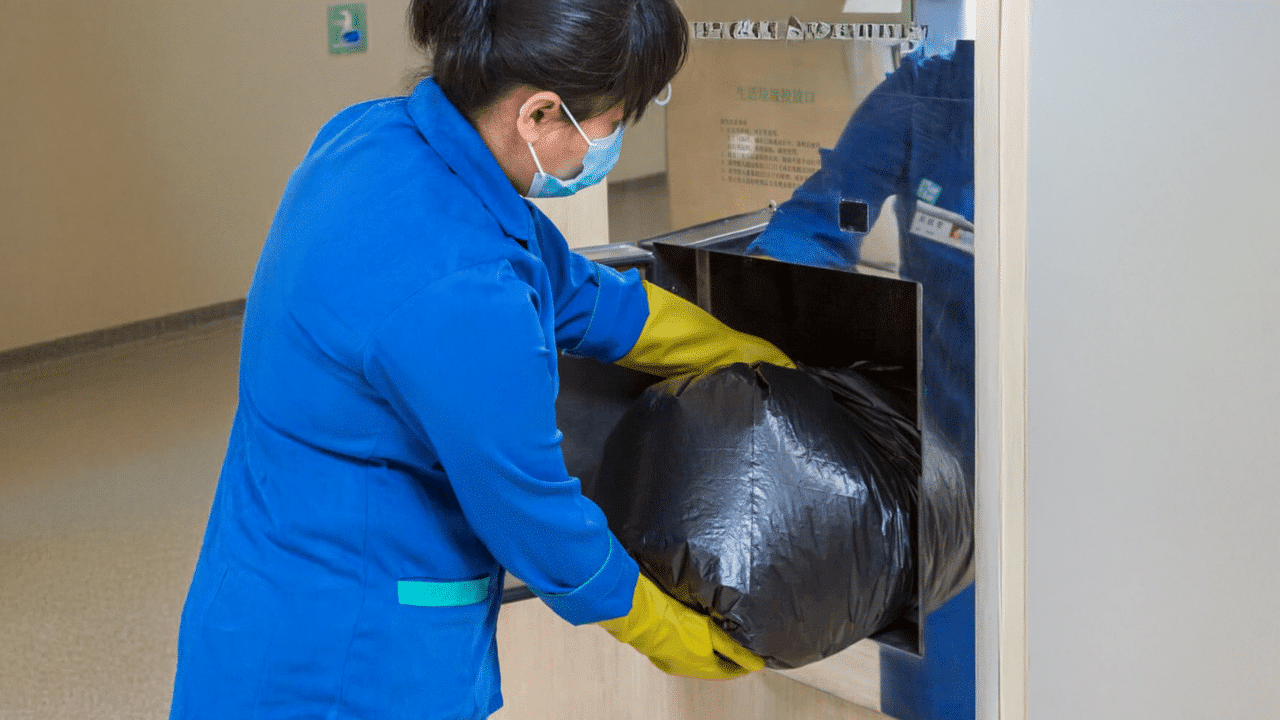
Stationary Pneumatic Waste Collection System
Envac’s stationary pneumatic collection system uses separate, strategically placed pipes throughout the hospital to handle soiled linen and general and infectious waste. By automating and streamlining waste flow, the system improves hygiene, reduces manual handling, and contributes to a safer work environment. This allows hospitals to maximise operational efficiency, free up valuable resources, and focus more on delivering quality patient care.
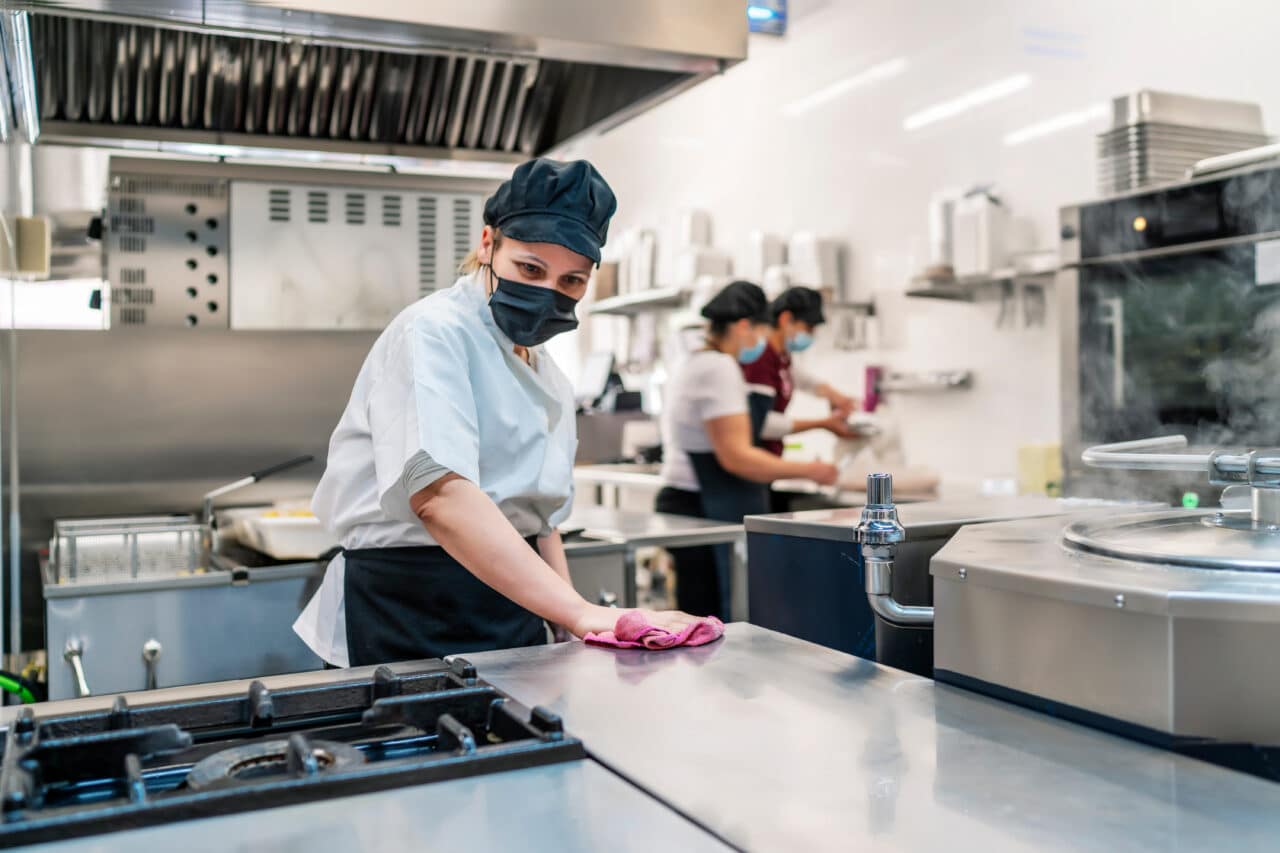
Kitchen Waste Collection System
Hospital kitchens generate large volumes of food waste, creating hygiene and logistical challenges. Envac’s automated kitchen waste system handles all types of food waste and recyclables, reducing cross-contamination risks, improving hygiene, and helping hospitals meet strict environmental standards.
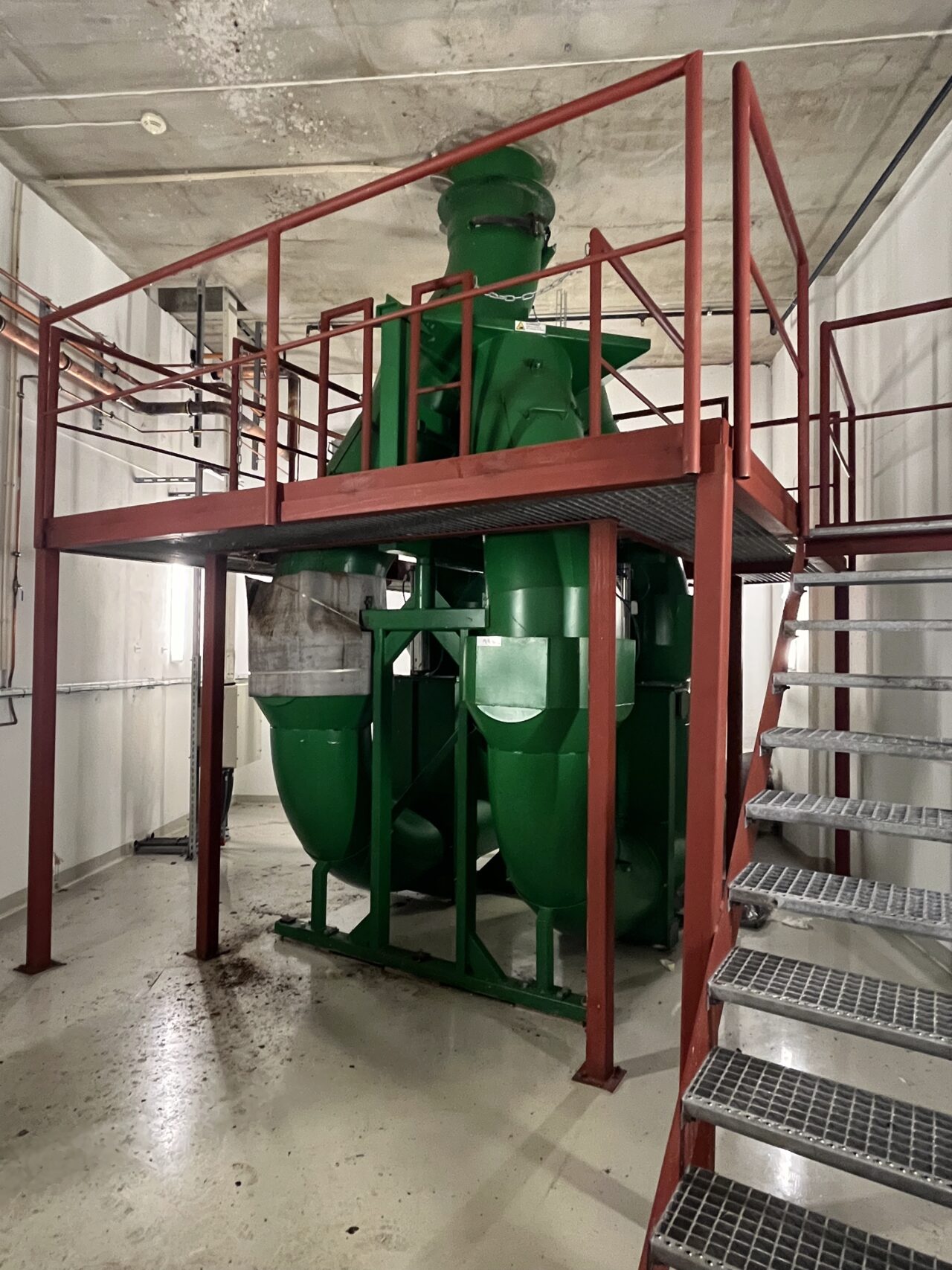
Sort-More
Sort-More, integrated with an automated waste management system, allows hospitals to manage up to four different waste fractions – paper, confidential paper, residual, and plastic through a single chute. Installed at the bottom of a vertical waste chute, Sort-More is a multi-diverter and an intermediate storage unit, seamlessly sorting and storing the various waste streams.
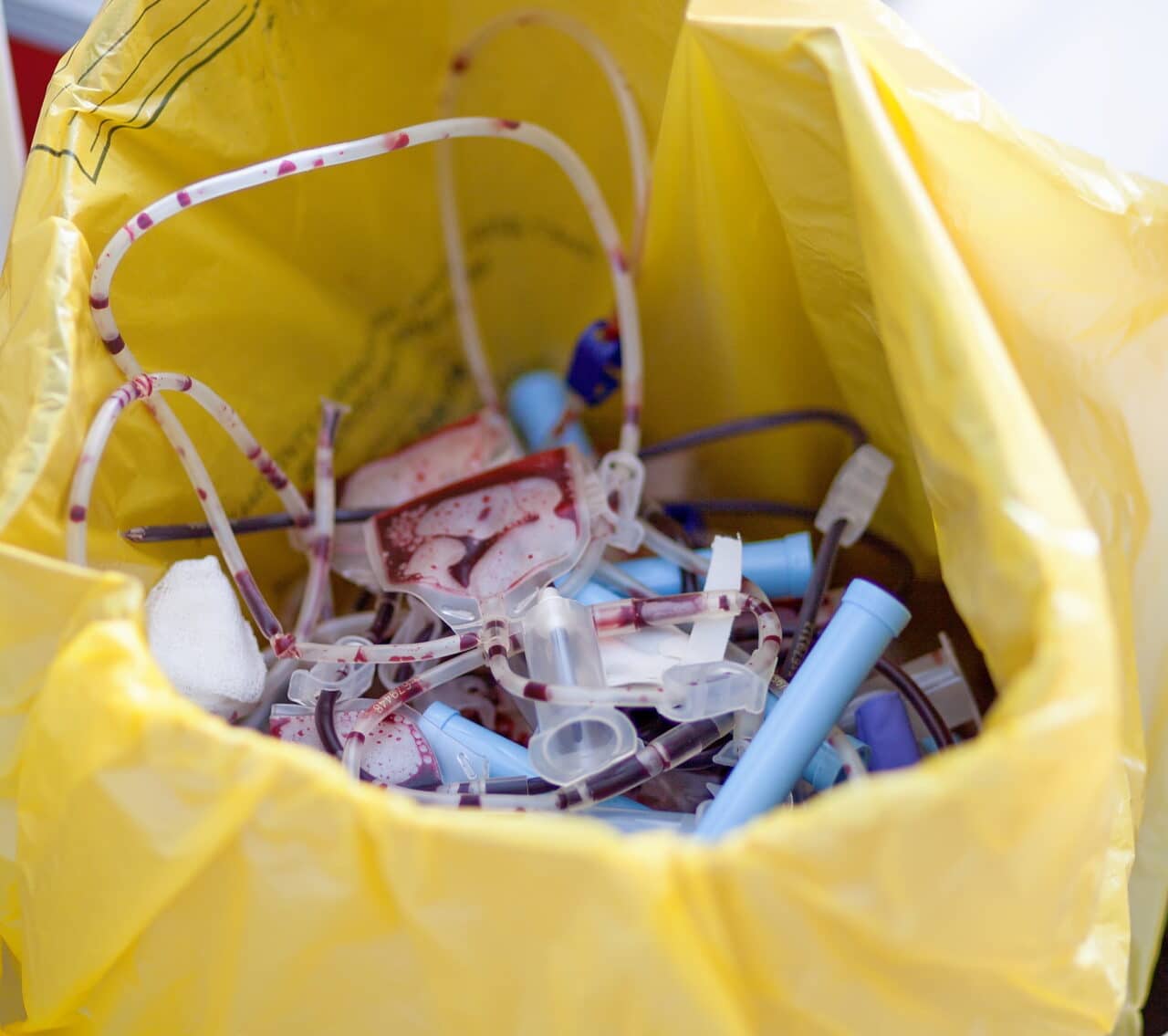
Infectious Waste Collection System
Managing hazardous hospital waste – especially infectious and sharps waste – demands strict routines, special containers, and detailed labelling. Transport must follow strict safety protocols. Envac simplifies this by enabling near-source disposal and enclosed pipe transport to an on-site treatment facility, converting it into non-hazardous waste. The result: safer handling, higher efficiency, full compliance, and lower costs.
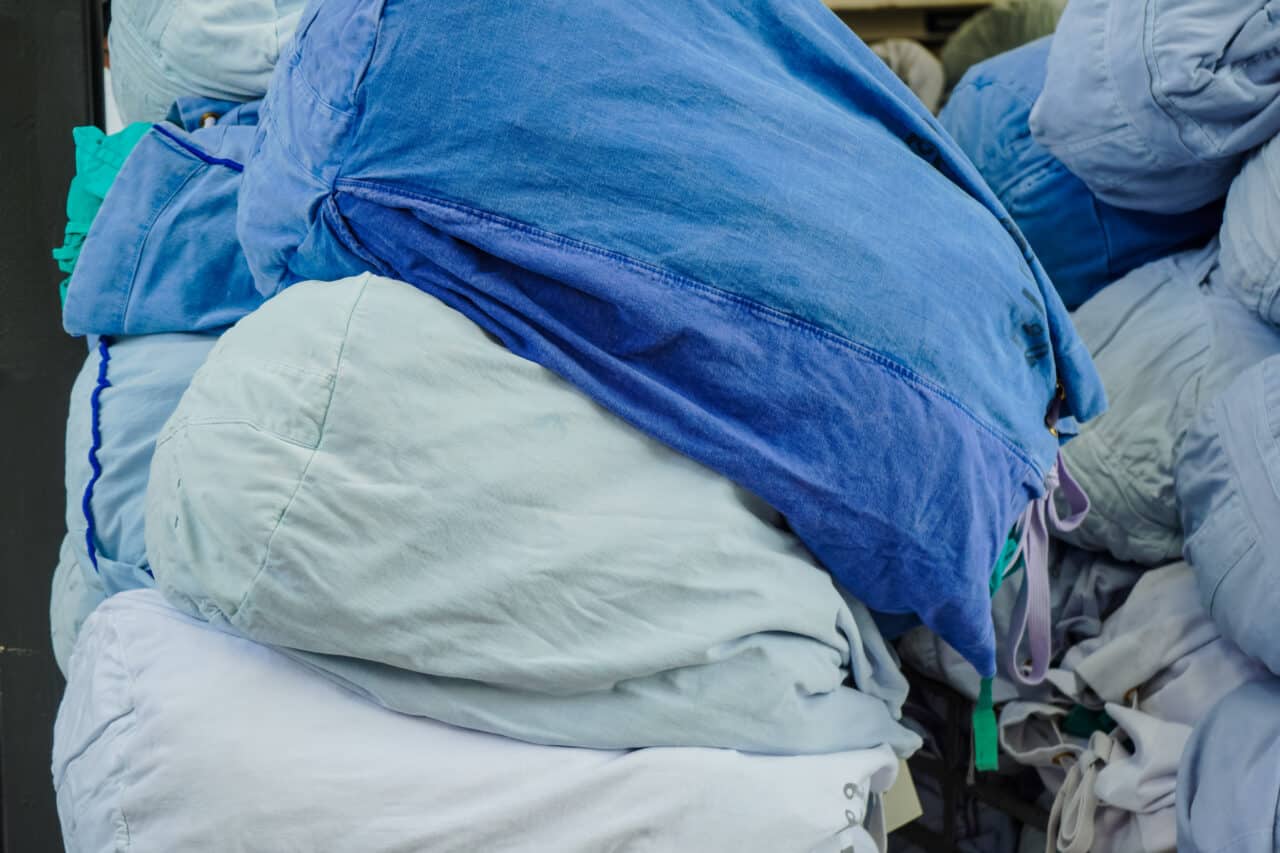
Soiled Linen Collection System
Handling soiled linen risks exposing staff and patients to airborne pathogens, and heavy bags can cause strain-related injuries over time. Frequent transport through corridors and elevators negatively disrupts hospital logistics, decreasing accessibility. Envac’s 24/7 smart linen collection system minimises physical contact, supports infection control protocols, and maintains a clean, efficient, and compliant environment.
Related Projects
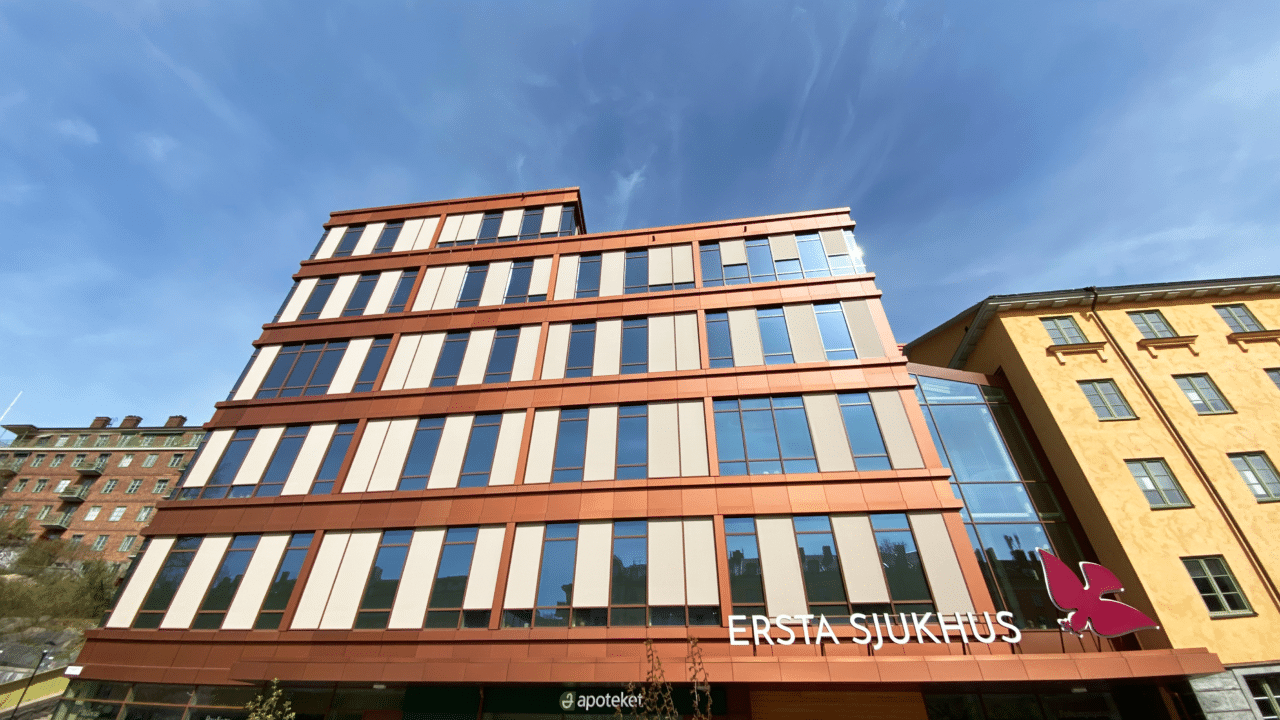
Healthcare Stockholm, Sweden
Ersta hospital
Flexible healthcare facilities for modern, high-quality care centrally located in Stockholm.

Healthcare Trondheim, Norway
St Olavs Hospital
One of the most notable measures adopted by the hospital is the installation of Envac’s automatic waste collection system. The system is designed to collect four different waste streams: paper, confidential paper, residual, and plastic.
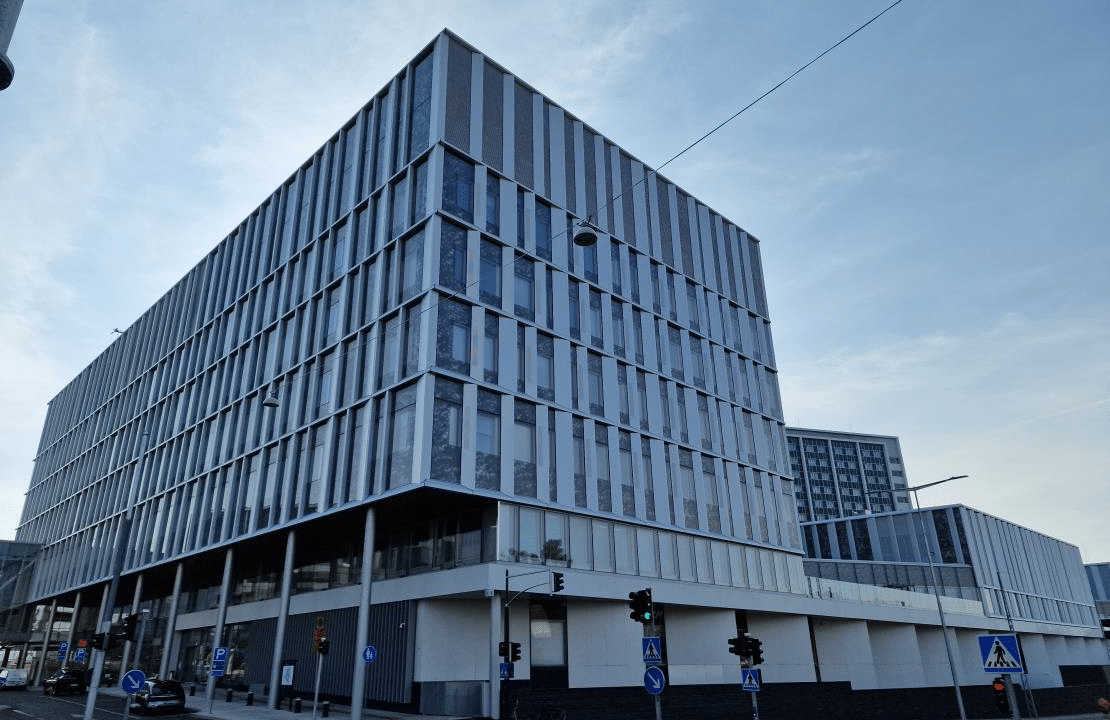
Healthcare Helsinki, Finland
Meilahti Bridge Hospital
Envac Finland has introduced an enhanced waste disposal system at The Bridge Hospital, which has resulted in improved safety and efficiency. The system covers general waste, soiled linen vertical shafts, and automated platform conveyors on every floor, reducing the need for staff and patients to transport waste through hallways and elevators.
Related Articles
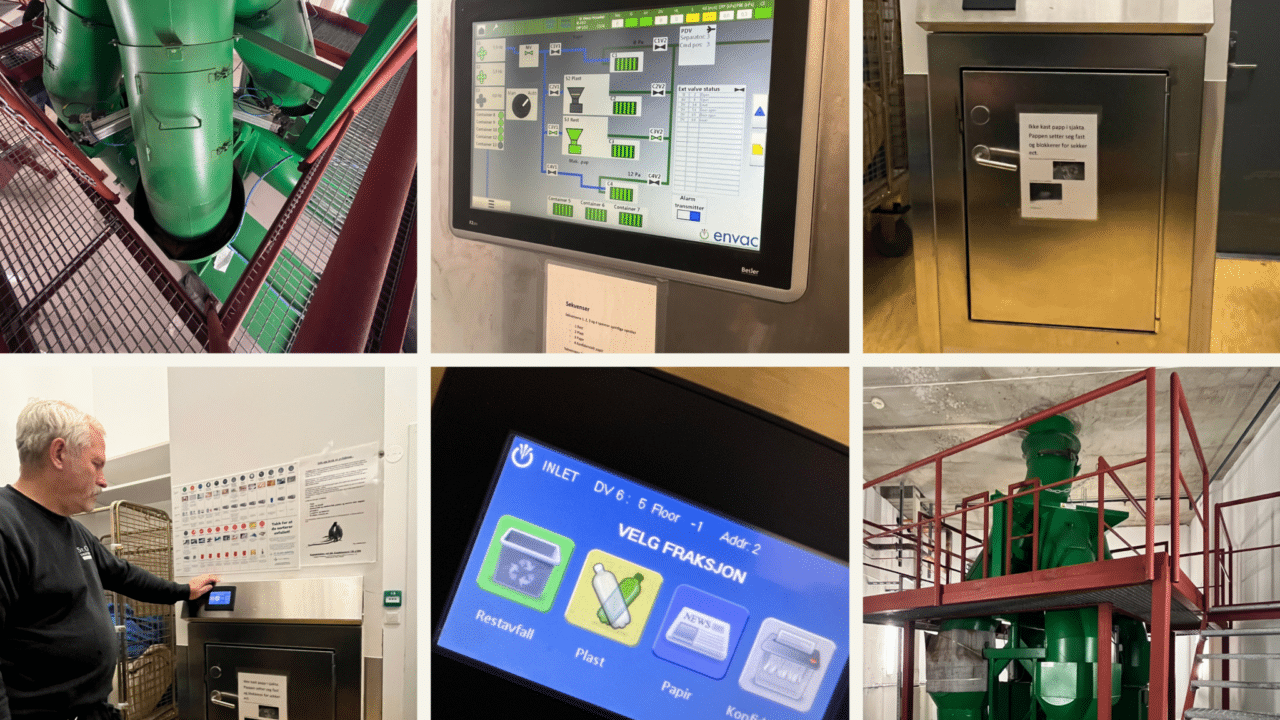
Effective waste management in hospitals with Sort-More
From the rolling hills of Italy to the fjords of Norway and from the bustling streets of Hong Kong to the serene landscapes of Sweden, the cutting-edge Sort-More system has been installed in several different hospitals in these diverse regions worldwide, showcasing its global reach and impact.
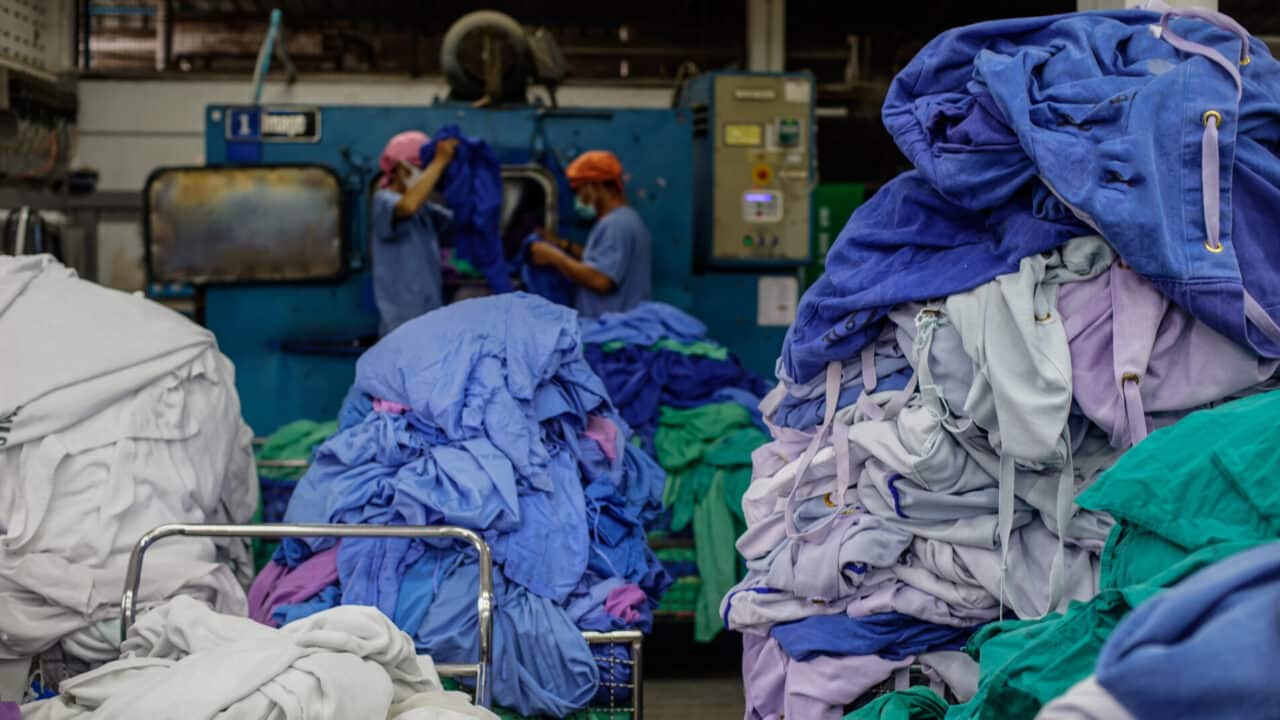
Elevating soiled linen safety protocols in healthcare
Effective management of soiled linen in healthcare is essential for infection control. Traditional manual handling poses significant health risks due to exposure to infectious agents, highlighting the need for advanced automated solutions.
How smarter logistics reduce hospital infections: The Envac healthcare solution
Healthcare-associated infections cost billions each year, often driven by how hospitals handle waste and linen. Envac’s sealed pipe system eliminates manual handling, reduces bacterial spread, and supports smarter, safer hospital design, with over 180 installations worldwide