
Available around the clock
Keeps courtyards and pavements clean, replacing overflowing rubbish bins

Envac’s automated systems for waste collection and sorting are revolutionising traditional waste management and creating cleaner environments. By reducing air pollution, lowering carbon emissions and eliminating the unsanitary conditions that often accompany traditional waste methods, the system ensures more efficient, more hygienic and more sustainable waste management.
Keeps courtyards and pavements clean, replacing overflowing rubbish bins

Compared with traditional methods

Integrated into the same system
Frees up space for retail, cycle parking and more
Smartly located, hygienic inlets for easy waste management
Our automated collection systems replace traditional methods with a more efficient, more hygienic and environmentally friendly solution. Waste is transported underground directly from the disposal point to a central facility, eliminating manual handling, reducing refuse truck traffic and carbon emissions, and preventing odour and mess. With smart technology and real-time monitoring, collection and operation are optimised.
Envac Sorting automatically separates waste by bag colour at a central facility, without affecting the existing infrastructure. It simplifies recycling, improves material quality and reduces costs. The solution is flexible and suitable for all types of communities – from major cities to rural areas.
Envac’s systems are used in cities, at airports, in hospitals and in many other environments to create cleaner and safer places.
Our innovative, automated systems play an important role in shaping and maintaining smart and sustainable environments across the world. Through innovation and ingenuity, we improve quality of life today and secure a greener planet for future generations.
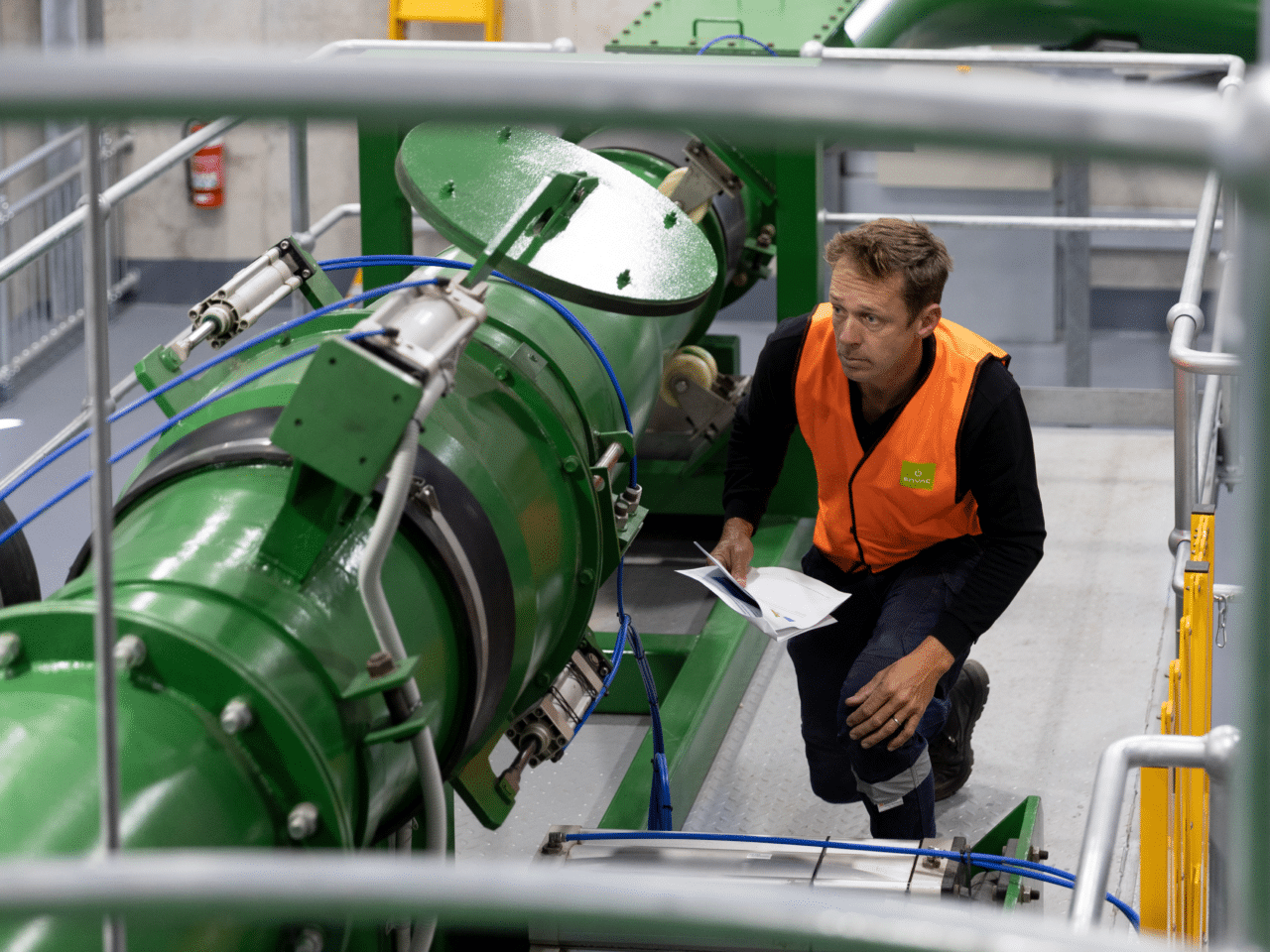
We take care of waste and create value.
Envac uses advanced technology to optimise operations and cost efficiency. Smart sensors, software and IoT connectivity enable real-time monitoring, reduce manual handling and improve operational performance.
The Envac Automation Platform (EAP) delivers real-time data, predictive analysis and automated system optimisation. This helps cities and businesses track waste volumes, streamline collection and reduce energy consumption by up to 70% through peak shaving.
By combining automation, AI-driven insights and energy-efficient innovations, Envac provides a high-tech, cost-effective and future-proof waste management solution.

Envac’s smart vacuum waste systems transport general and infectious hospital waste and laundry through hermetically sealed pipe networks, hidden within the hospital structure – behind walls, under floors and in service tunnels. The need to move waste and laundry on trolleys from the ward to the waste collection terminal is removed.
The risk of potential accidents, spread of infection and hospital-acquired infections is reduced.
The Envac system creates a more hygienic environment while at the same time lowering operating costs for hospitals, care homes and healthcare facilities.

Subscribe to our newsletter and get latest news about automated waste collection, recycling and more…

When stadium waste is managed well, most people barely notice it. When it is managed badly, everyone does. Overflowing bins, odours, litter, cluttered concourses and collection vehicles moving through busy areas can all affect how a venue feels and performs. For modern stadiums, the question is no longer simply, “Where do we put the bins?” It is, “How can waste infrastructure support a cleaner, safer, more efficient and more flexible venue?”
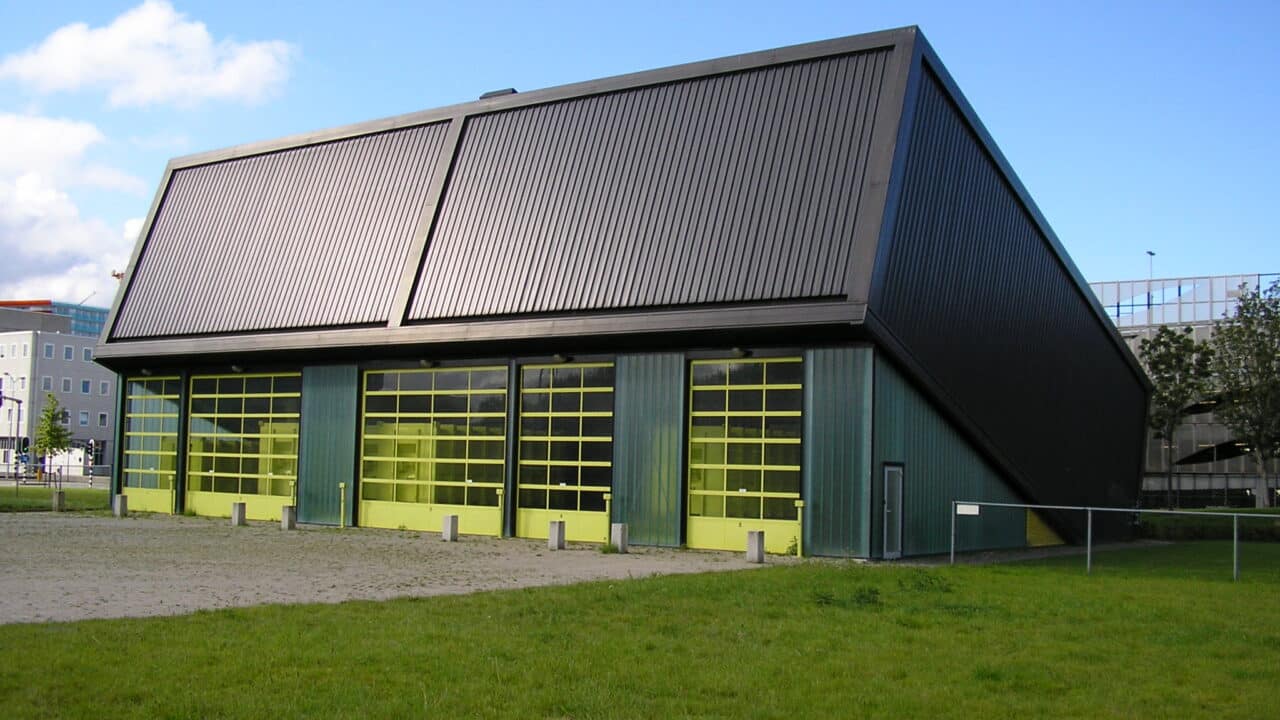
Optical Sorting Smart City Upgrades & Retrofit
The Netherlands is often seen as a frontrunner in recycling, yet municipalities still struggle with growing waste volumes, stubborn residual streams, overflowing underground containers and rising costs. This article shows how data‑driven operations, Envac automated waste collection systems (AWCS) and Envac sorting solutions, already proven in Dutch projects such as Almere and Arnhem, can help cities move from day‑to‑day firefighting to more future‑proof, integrated waste infrastructure.

Healthcare providers face immense pressure to deliver high-quality care while maintaining a smooth patient flow, which is crucial for keeping healthcare-associated infections (HAIs) low and preventing nurse burnout. Additionally, there is a constant need to improve infection control, maximise clinical efficiency, and expand capacity—all while adhering to strict budgetary limits. However, an often-overlooked aspect that can undermine these goals is how hospitals manage their soiled flow logistics.