
Insight articles
Discover the latest news, innovations, and stories shaping the future of waste collection. From global project updates to expert articles and events — this is where we share what’s next in smart and sustainable urban living.

Explore our latest news, articles, and upcoming events. Stay informed about innovations, project highlights, and industry insights from around the world.
Whether you’re a client, partner, journalist, or simply curious about the future of smart urban infrastructure, this is your starting point to learn more about what’s happening in and around Envac globally.
Discover the latest news, innovations, and stories shaping the future of waste collection. From global project updates to expert articles and events — this is where we share what’s next in smart and sustainable urban living.

Get the latest official updates from Envac. Here you’ll find company news, announcements, and press releases covering our global developments and milestones.

Stay up to date with Envac’s global event calendar. Explore where we’ll be next — from industry conferences and exhibitions to hosted seminars and webinars.

Here you will find material and information for press and media, including images, logo, press contact and more.

Subscribe to our newsletter and get latest news about automated waste collection, recycling and more…

When stadium waste is managed well, most people barely notice it. When it is managed badly, everyone does. Overflowing bins, odours, litter, cluttered concourses and collection vehicles moving through busy areas can all affect how a venue feels and performs. For modern stadiums, the question is no longer simply, “Where do we put the bins?” It is, “How can waste infrastructure support a cleaner, safer, more efficient and more flexible venue?”
Optical Sorting Smart City Upgrades & Retrofit
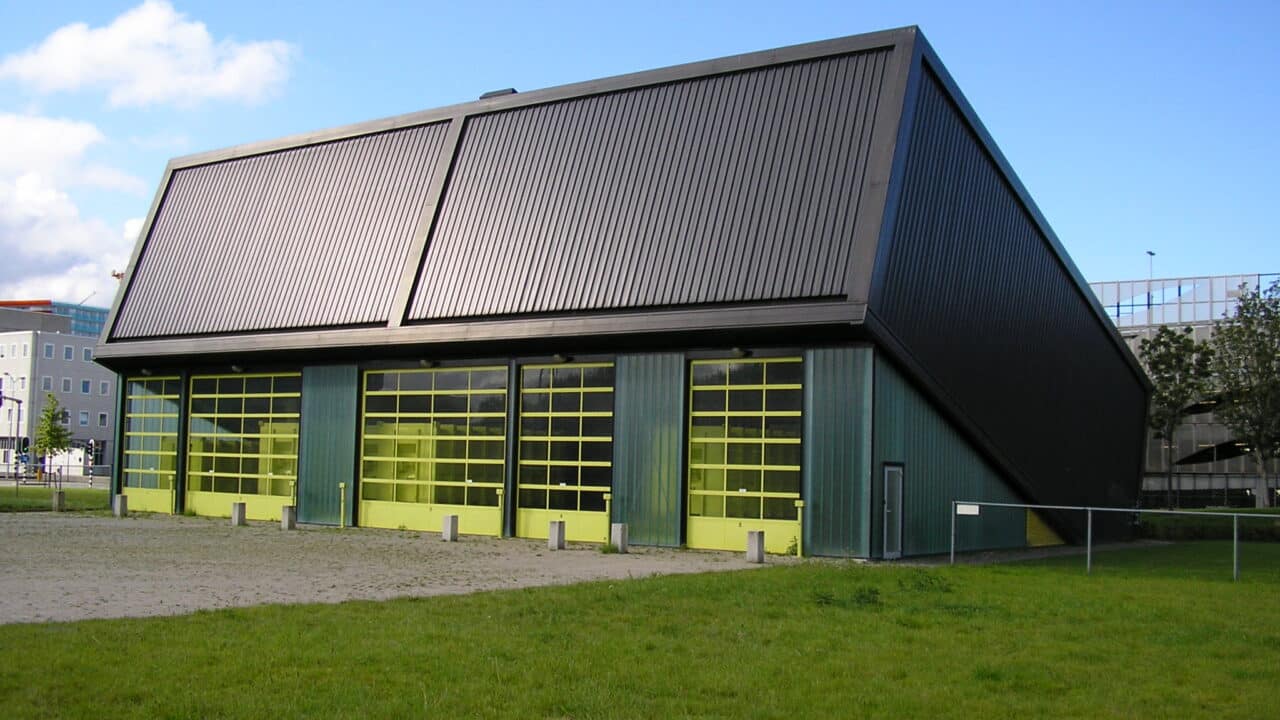
The Netherlands is often seen as a frontrunner in recycling, yet municipalities still struggle with growing waste volumes, stubborn residual streams, overflowing underground containers and rising costs. This article shows how data‑driven operations, Envac automated waste collection systems (AWCS) and Envac sorting solutions, already proven in Dutch projects such as Almere and Arnhem, can help cities move from day‑to‑day firefighting to more future‑proof, integrated waste infrastructure.

Healthcare providers face immense pressure to deliver high-quality care while maintaining a smooth patient flow, which is crucial for keeping healthcare-associated infections (HAIs) low and preventing nurse burnout. Additionally, there is a constant need to improve infection control, maximise clinical efficiency, and expand capacity—all while adhering to strict budgetary limits. However, an often-overlooked aspect that can undermine these goals is how hospitals manage their soiled flow logistics.
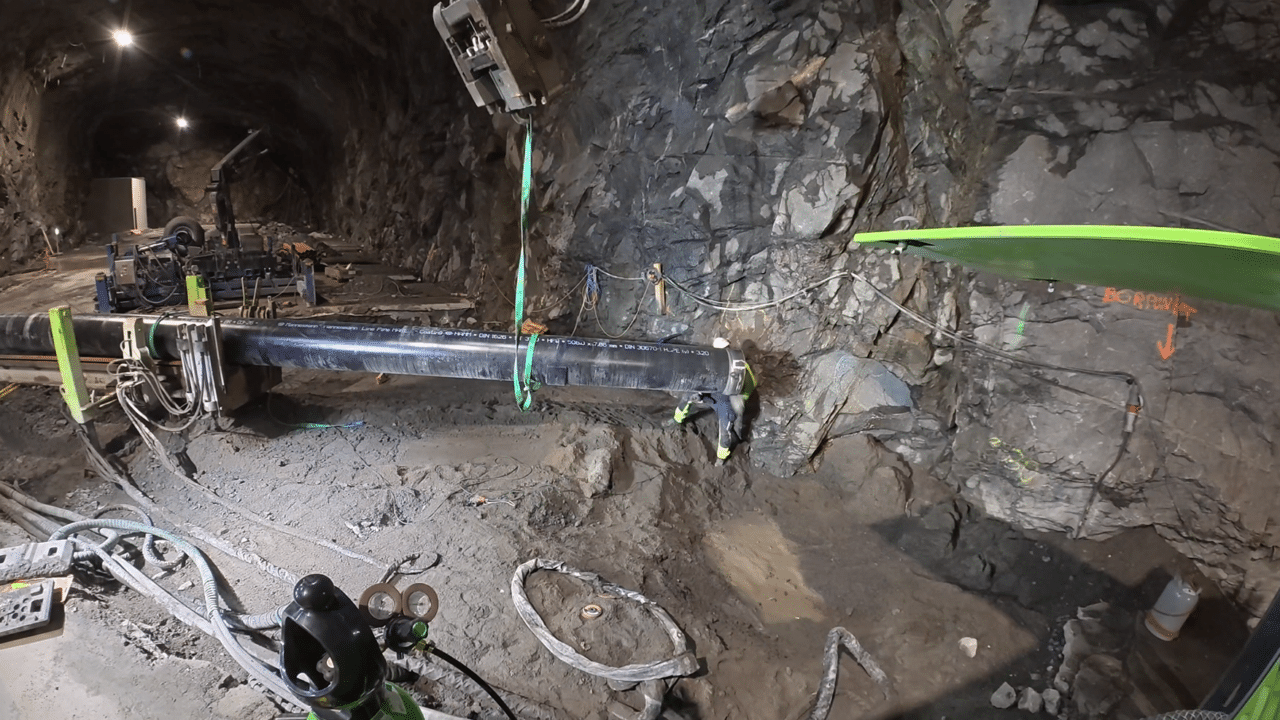
Envac has recently completed an important installation milestone as part of the continued development of Mindemyren in Bergen. A 508 x 8 mm pipe has been installed through a 90-metre-long borehole in rock, forming part of the area’s future infrastructure for automated waste collection.
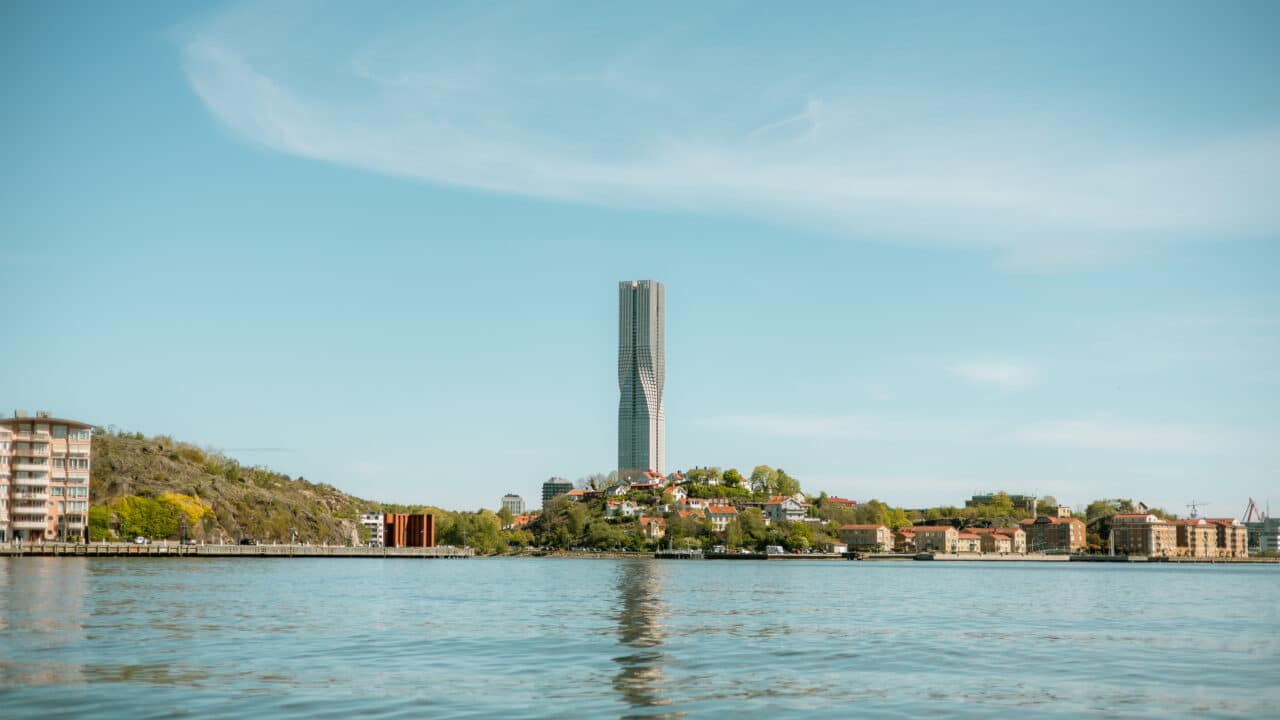
Envac’s automated waste collection system is playing a key role in Diakonhjemmet Garden’s strategy to create a sustainable, energy-efficient and people-friendly urban environment in Oslo.
Envac’s Sustainability Report 2025 shows how automated underground waste collection is helping cities respond to rising waste volumes, climate risk and pressure on urban infrastructure. Global municipal solid waste already exceeds 2 billion tonnes a year and is projected to reach about 3.8 billion tonnes by 2050, according to UNEP/ISWA’s Global Waste Management Outlook, putting waste systems at the centre of the global ESG agenda. Against this backdrop, Envac’s Double Materiality Assessment identifies where the system contributes most to resilience and circularity, and where energy use and emissions still need to come down. The group is setting ESG‑aligned KPIs that guide development, operations and reporting in line with emerging EU and global frameworks.
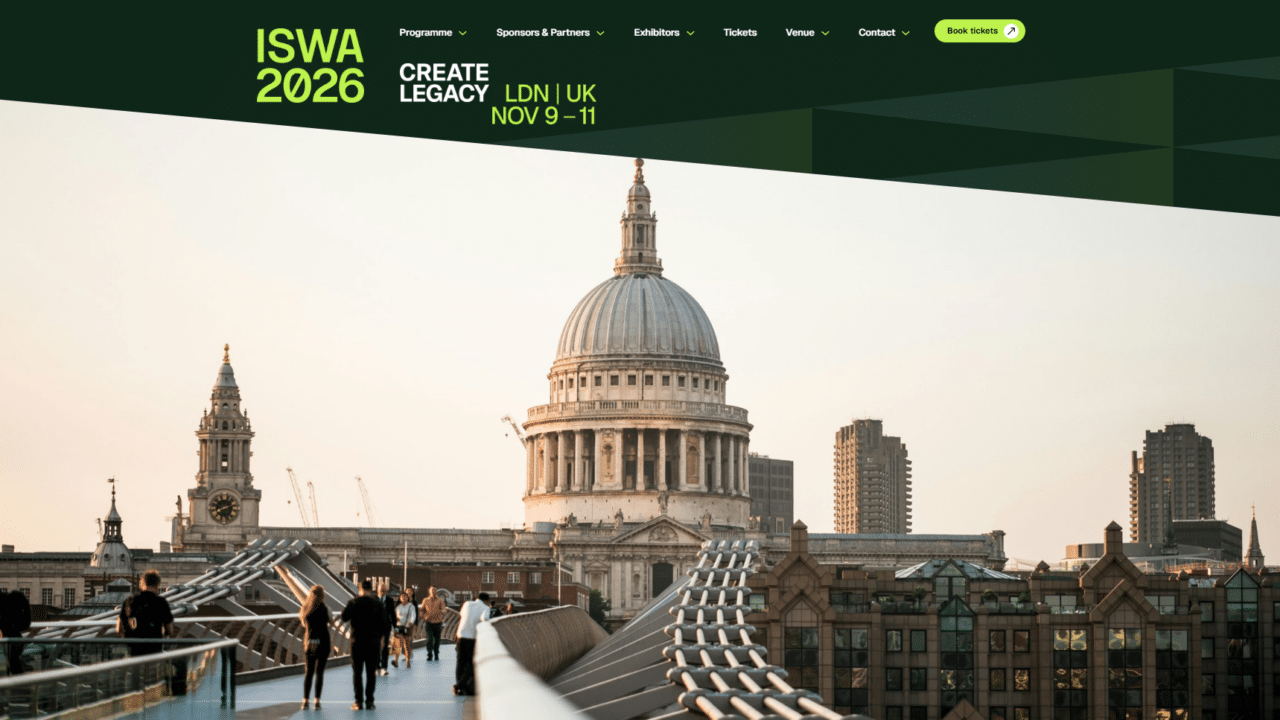
London, United Kingdom
Envac is proud to participate in the ISWA World Congress 2026, taking place in London on 9-11 November 2026. The event brings together the global waste and resource management community to explore how innovation, collaboration and sustainable infrastructure can help cities create lasting impact.