Smarter waste management in the Netherlands: from full containers to intelligent systems
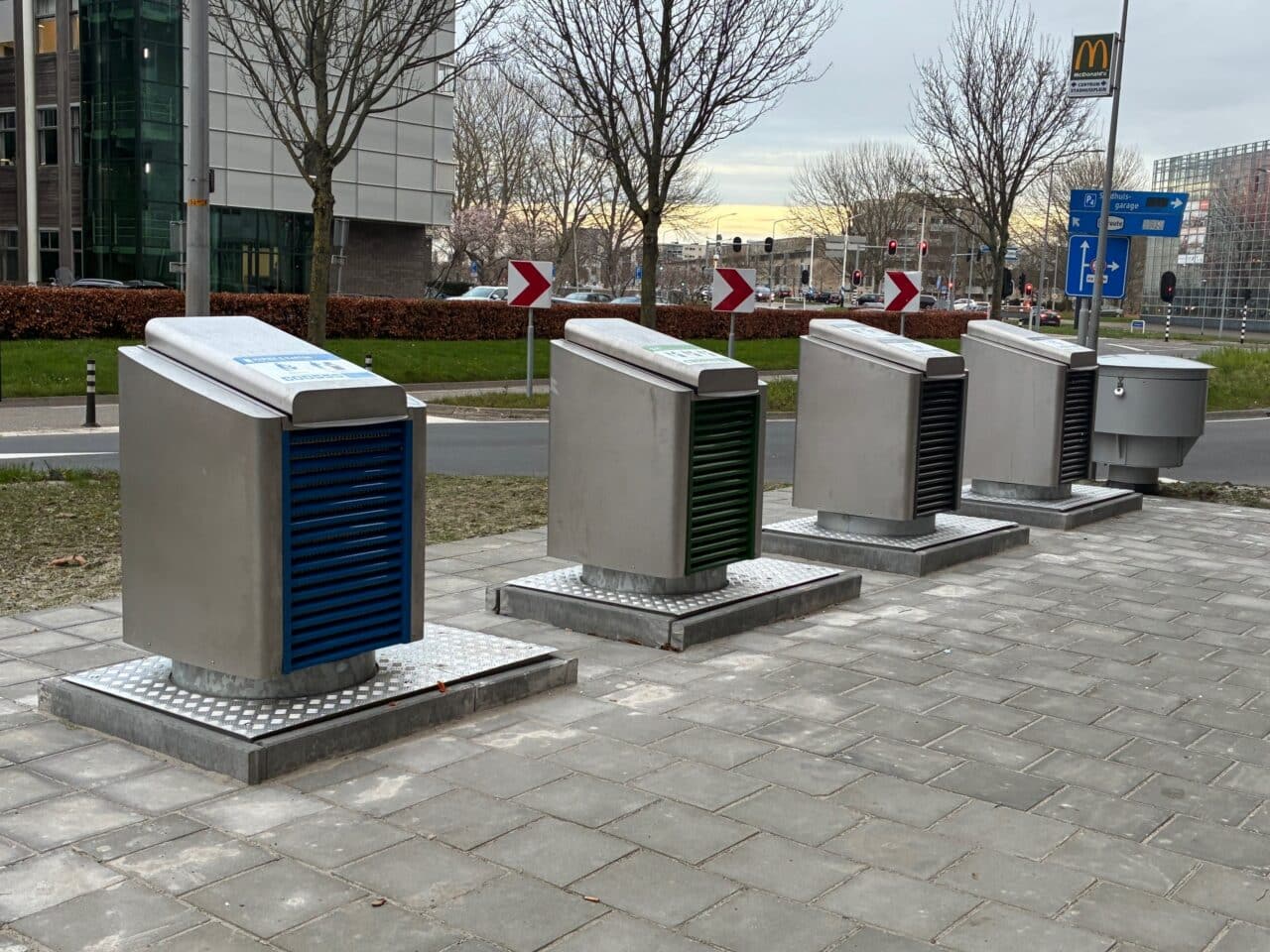
The Netherlands is often seen as a frontrunner in recycling. On paper, the waste system is strong: high separate collection rates, widespread underground containers and ambitious policy targets. In practice, Dutch municipalities still face very real, day‑to‑day challenges: growing waste volumes, stubborn residual streams, overflowing underground containers, “bag next to container” issues and rising operational costs.
At the same time, the technology for smarter waste management is already available. The opportunity now is to use it to address every Dutch challenges in dense cities, historic centres and tourist areas.
This article highlights how data‑driven operations, Envac automated waste collection systems (AWCS) and Envac sorting solutions, supported by real reference projects in Almere and Arnhem, can help municipalities move from firefighting to more future‑proof, integrated waste infrastructure.
The AWCS has already proved so successful in the Netherlands that it even has its own acronym, OAT, which stands for Ondergronds Afval Transportsysteem (Underground Waste Transport System).
The Dutch waste paradox
From a distance, the traditional waste system looks successful.
Up close, many municipalities still recognise recurring issues such as:
High waste volumes per person and a residual fraction that in practice often goes to incineration
Staff shortages and high workload in collection and cleaning teams
Overflowing containers, illegal dumping and visible litter, especially around underground container locations
For many municipalities, the most straightforward measures have already been implemented. Further progress increasingly requires a smarter way of collecting and sorting, not just more containers or more collection rounds, but a different way of organising the system.
What smarter waste management really means
“Smart” is not just a sensor on a bin. It is about combining data, automation and infrastructure design into one coherent system. Three building blocks stand out.
Data driven, dynamic handling
Instead of emptying containers because it is Tuesday, containers are emptied because they are almost full.
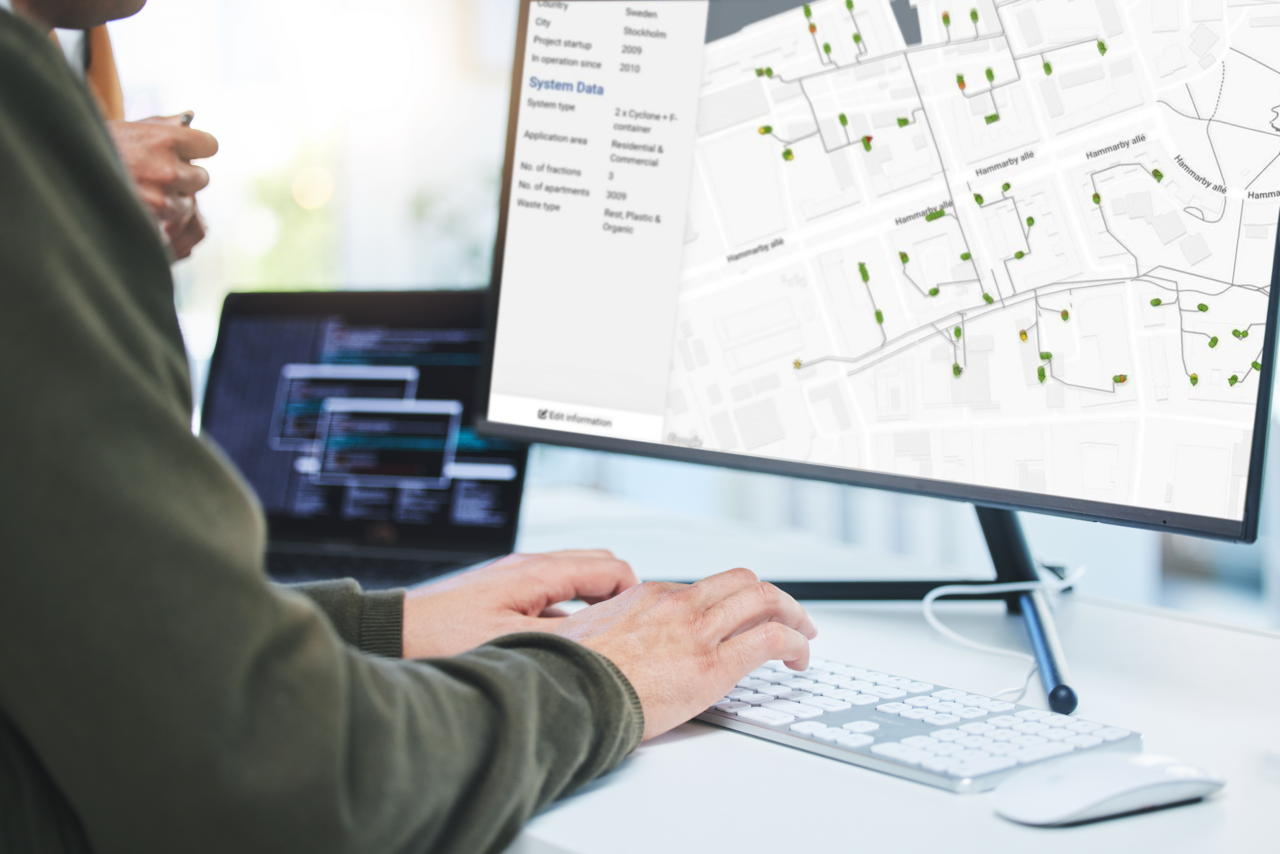
Fill‑level sensors on underground containers and key bins
Software that predicts fill levels and optimises routes and emptying times
Fewer kilometres driven, fewer overflows and better use of staff and vehicles
This same logic scales from a few hundred containers to city‑wide networks. It is also the operational mindset behind Envac AWCS: use data to match collection to actual need, not rigid schedules.
Envac automated waste collection systems (AWCS/OAT)
Envac’s AWCS move waste through underground pipes from building or street inlets to a central collection station, freeing up scarce public space in Dutch cities.
Urban benefits: Fewer above‑ground containers and cleaner, more attractive streets
Operational benefits: One central terminal, fewer heavy vehicles and simpler, lower‑cost logistics
Hygiene and image: Sealed systems that cut odours, vermin and visible waste for a better user experience
Envac sorting solutions
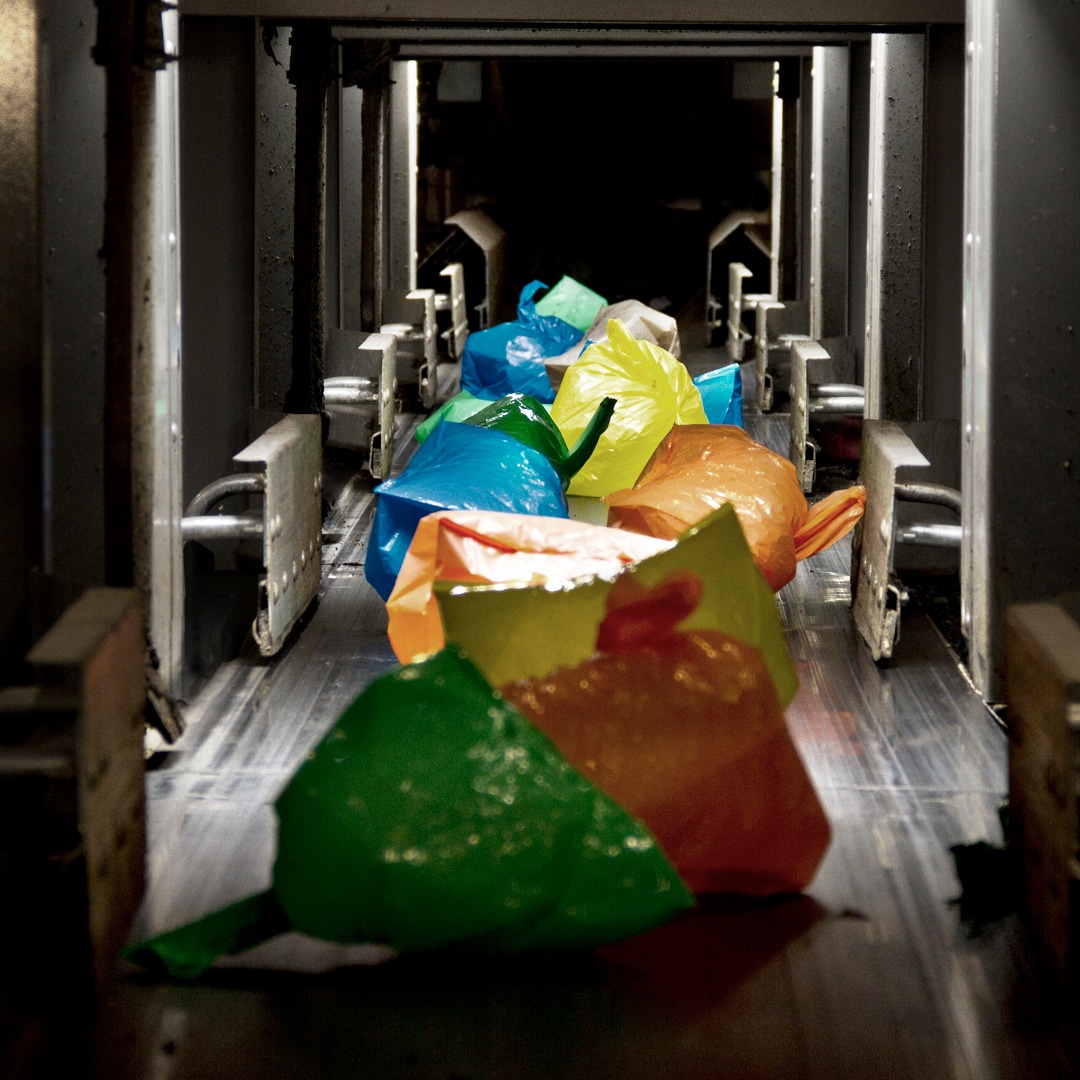
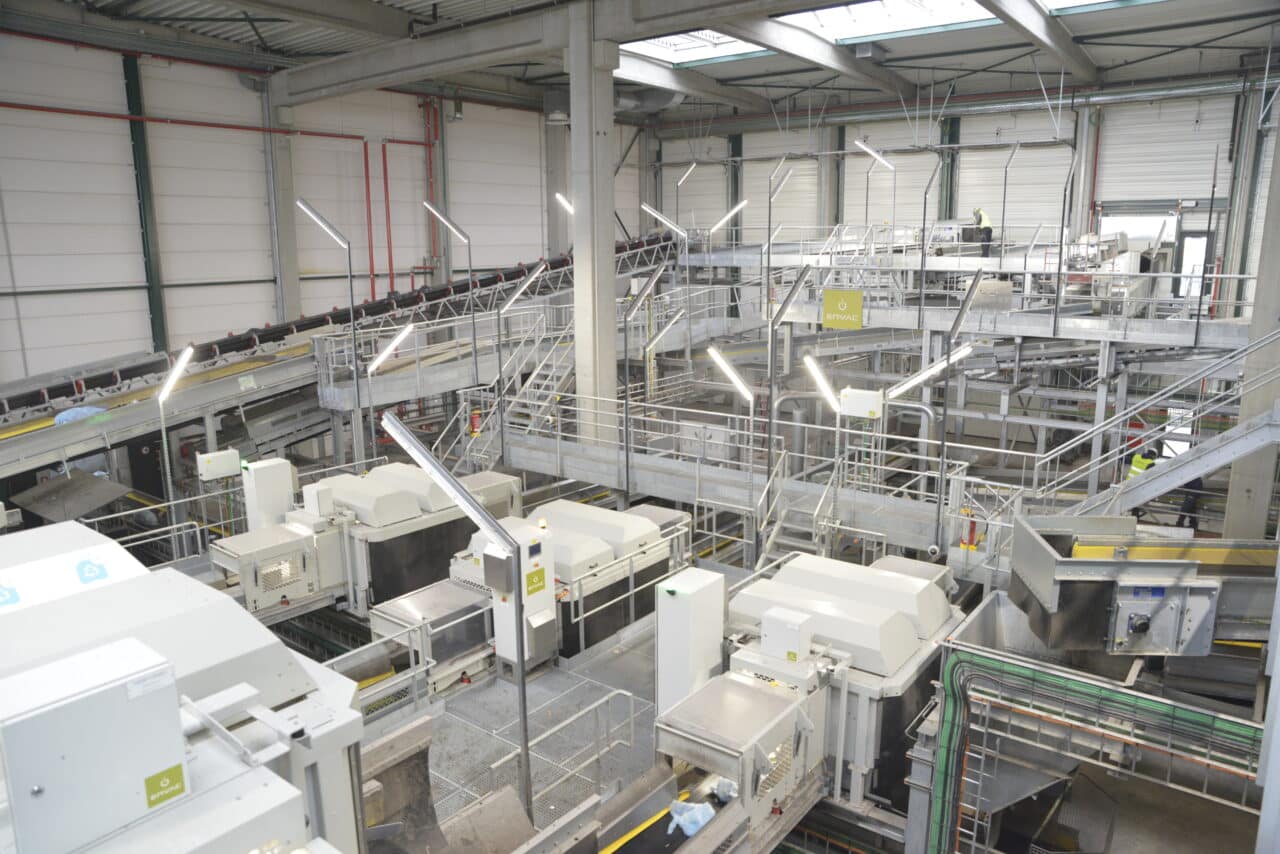
Even with strong source separation, valuable material still ends up in residual waste. Envac Sorting reduces these losses by using colour coded bags and central automated optical sorting to separate fractions after collection, rather than on the street or at the kerb. Envac Sorting helps to:
Increase recovery of target fractions such as organics, packaging and paper by automatically separating bags by colour
Deliver clean, consistent material streams to recyclers and biogas plants, improving quality and reducing contamination
Streamline collection by using the same containers, chutes and vehicles for several fractions
Avoid bulky multi compartment bins and extra container space, crucial in dense urban areas
Add new fractions, such as textiles or small electronics, by simply introducing a new bag colour
Upgrade gradually, often using existing collection methods and infrastructure
Working with both Envac AWCS and conventional truck based collection, Envac Sorting provides a flexible backbone for an integrated, data rich system that supports higher recycling and more efficient operations.
Reference projects
Almere: O&M for a large scale Dutch AWCS
In Almere, Envac operates a three‑fraction Envac 500 system under an O&M contract. The system serves a large number of residential and commercial users through:
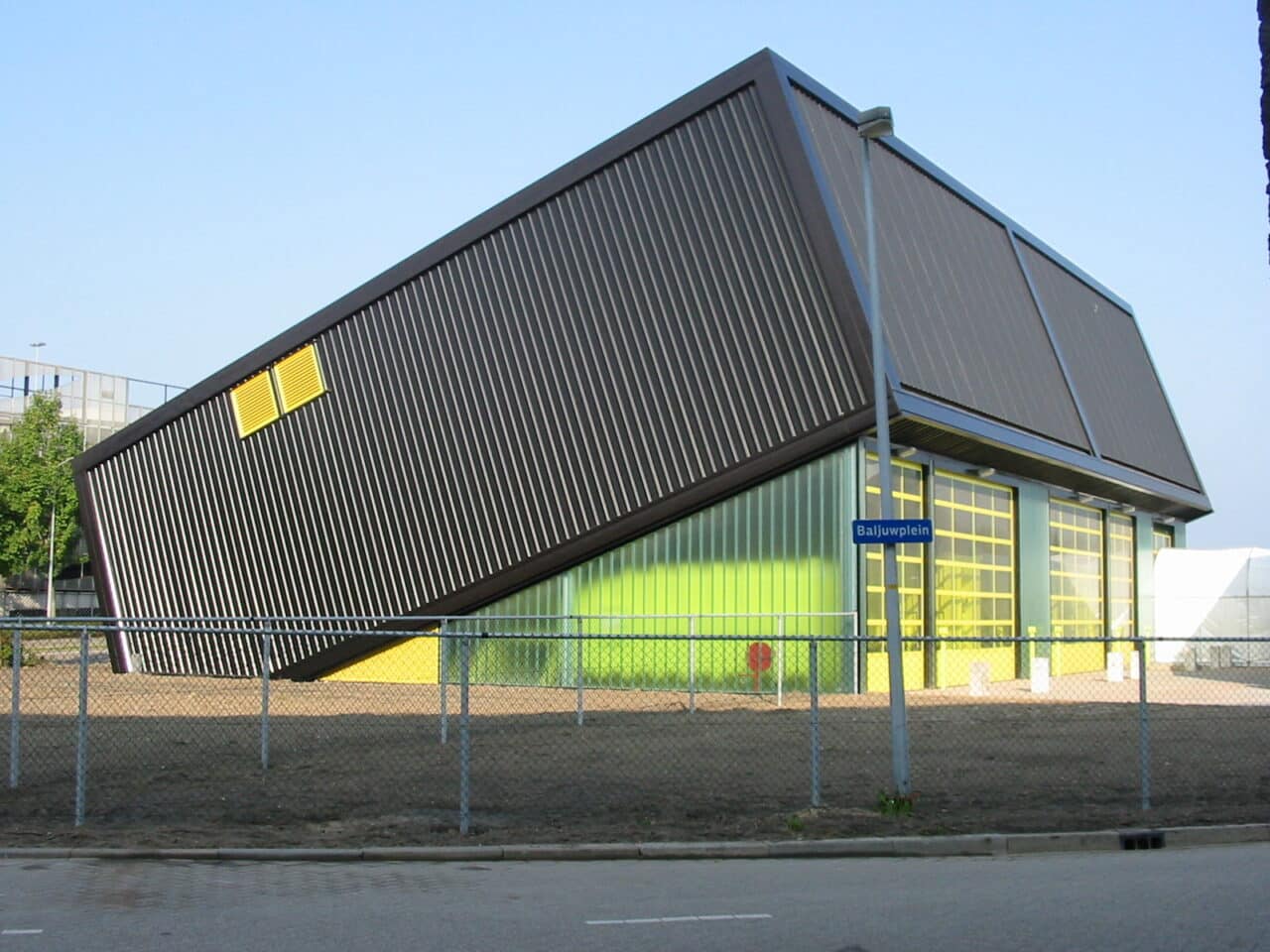
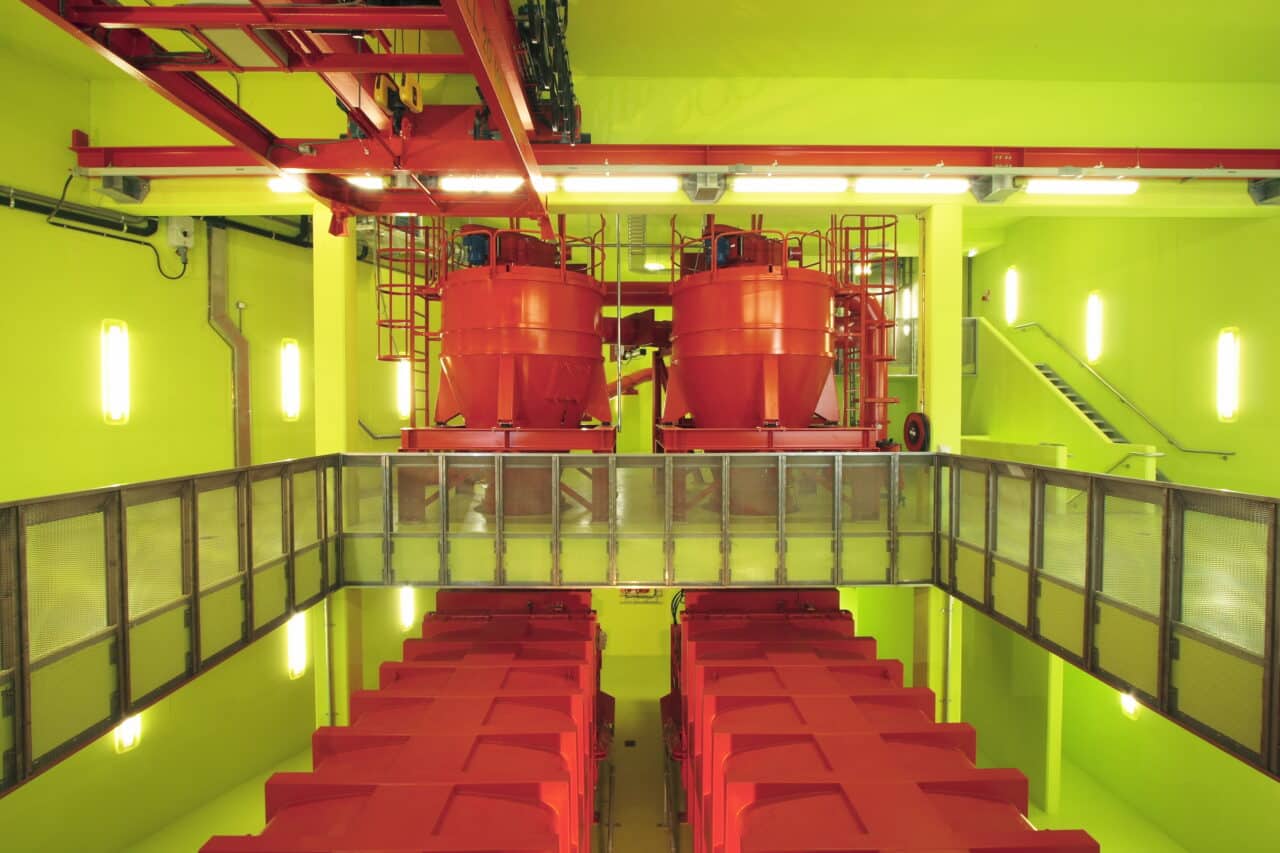
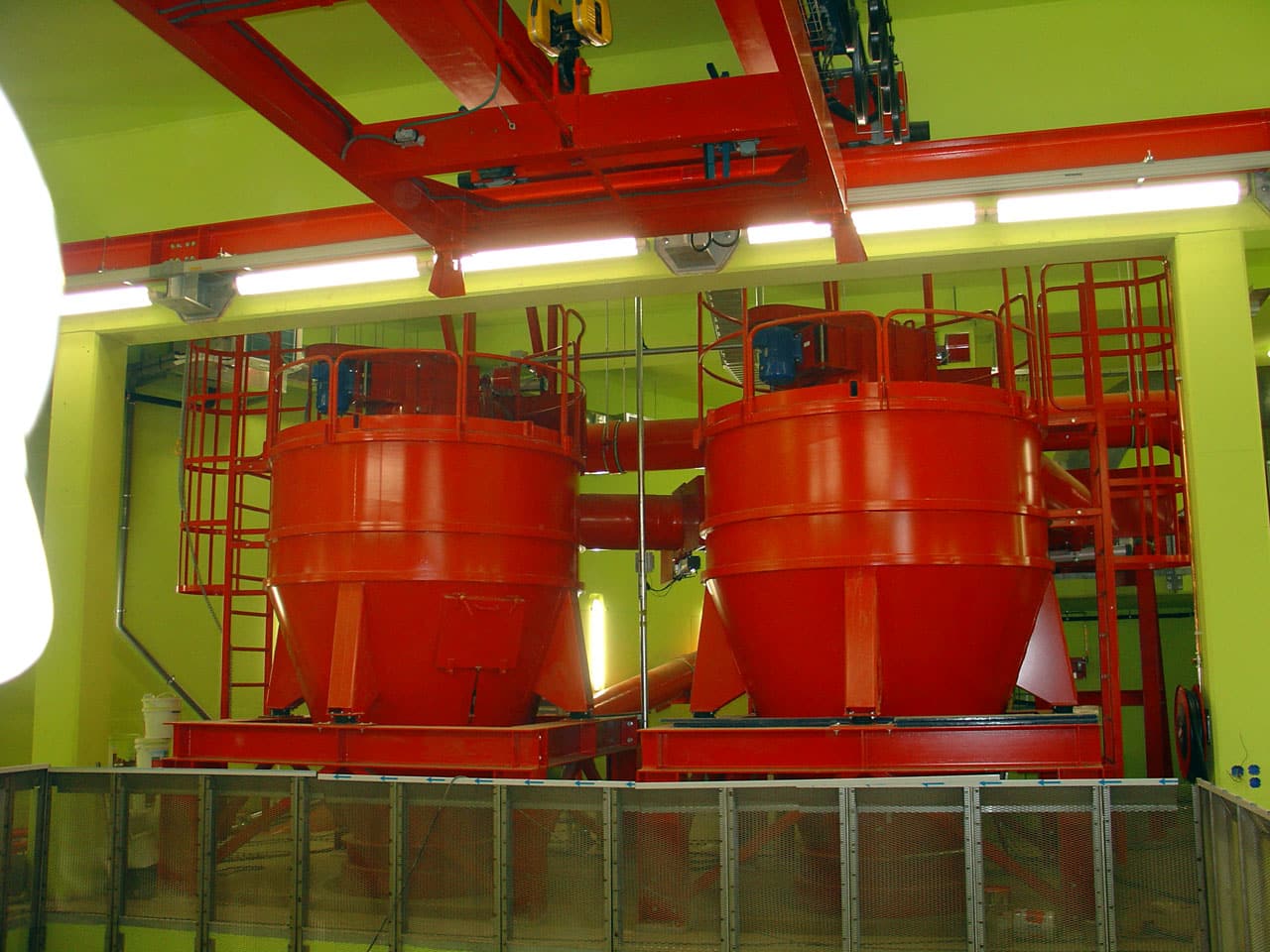
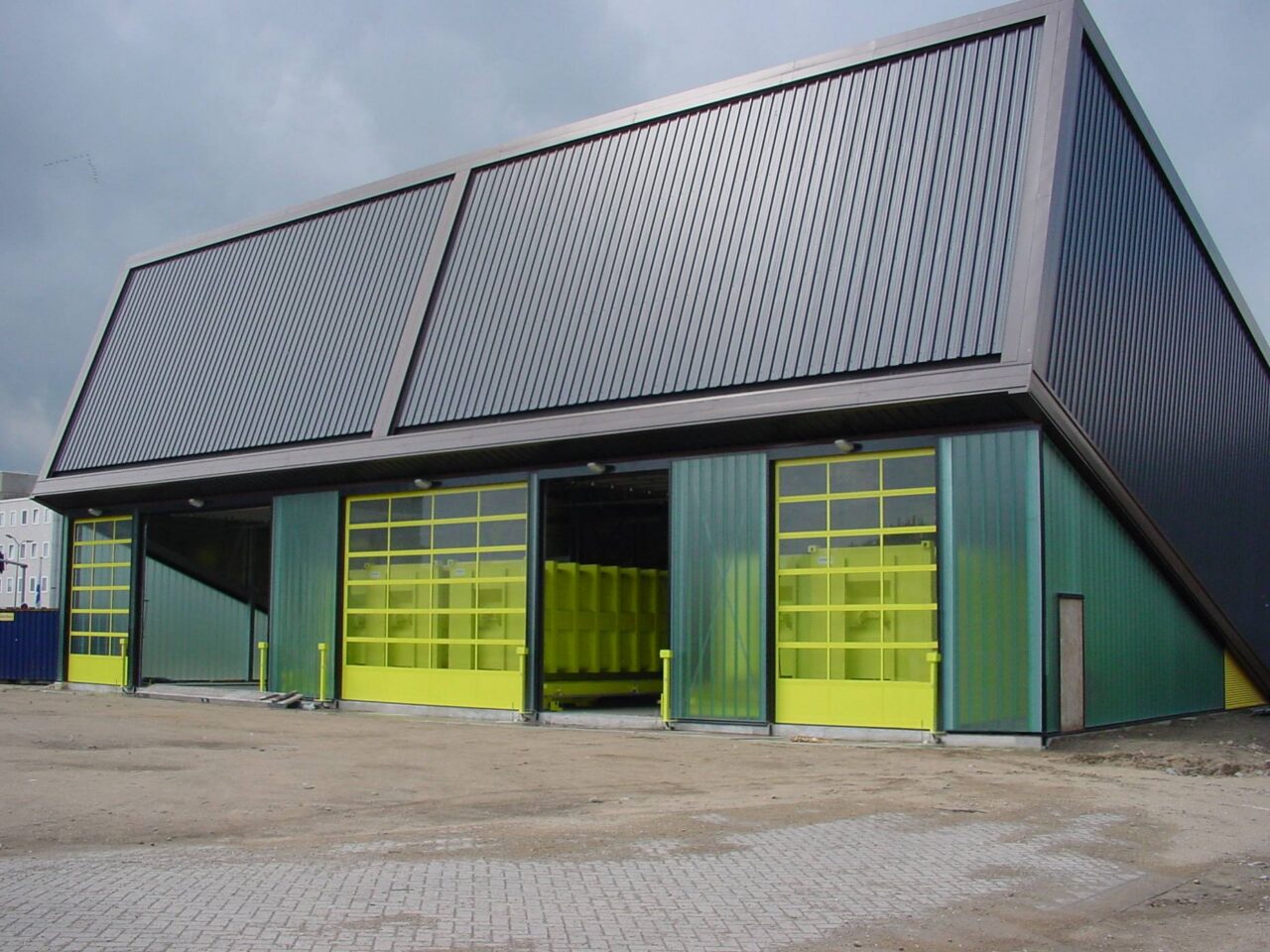
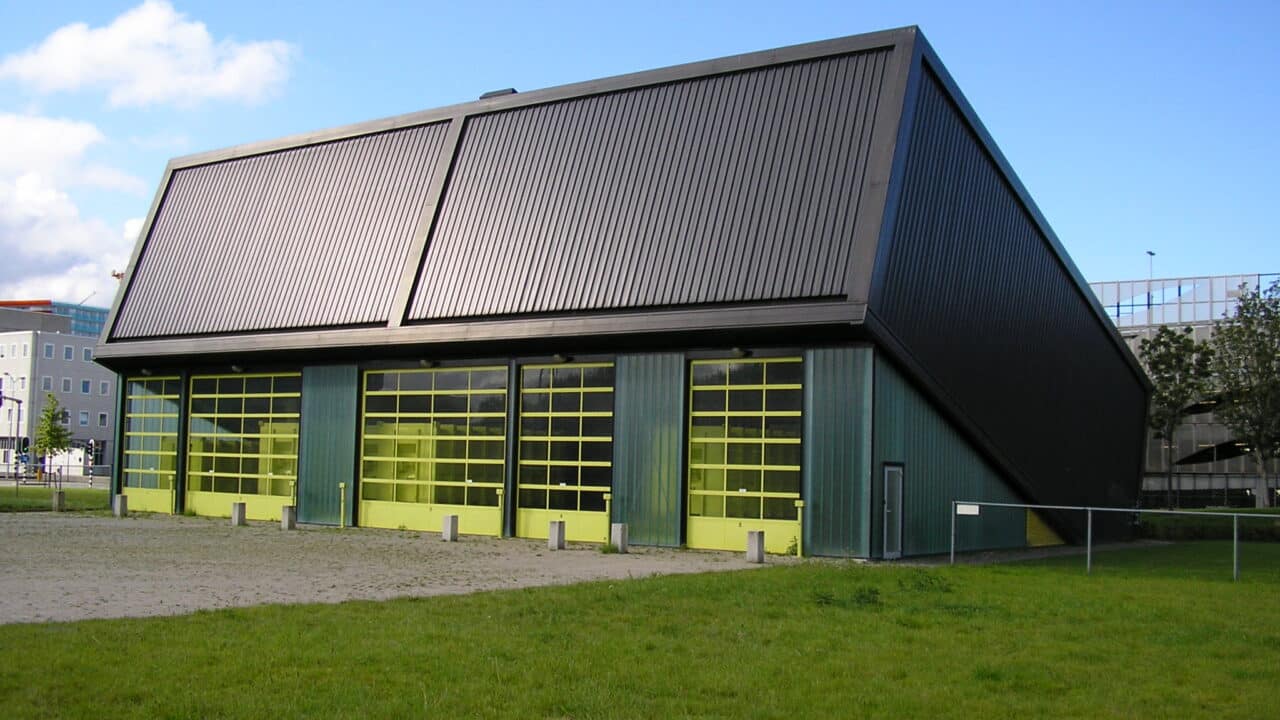
A central terminal with containers, cyclones and compactors
A network of underground pipes connecting over 200 inlets across dozens of inlet locations
An integrated Litterbin 300 system that handles litter from public spaces through the same underground infrastructure
The O&M model includes both daily operation and planned multi‑year replacement of critical components. For Almere, this combines the urban benefits of AWCS with high availability, predictable lifecycle costs and a clear long‑term performance guarantee.
Arnhem: O&M for a growing network
In Arnhem, Envac provides O&M services for a two‑fraction Envac 500 system under a normal service contract. The installation includes:
A central collection terminal with cyclones and compactors
Inlets in key locations serving residents and businesses
A system design prepared for expansion with future inlet locations
Here the focus is on reliable daily operation, preventive maintenance and optimisation of system settings. Larger reinvestments and multi‑year replacements are handled separately, giving the municipality flexibility in how lifecycle costs are managed, while still benefiting from Envac’s expertise and support.
In the Belgian province of Limburg, Bionerga and Limburg.net have chosen Envac Sorting as the backbone of a regional system that serves 32 municipalities and more than 300,000 households. Colour‑coded bags are collected together and then separated centrally in the Limburg Optimo Sorting Facility, which currently handles five fractions – food waste, garden waste, textiles, residual waste and plastic/metal packaging – with capacity to add more as needs evolve.
The result is a cost‑efficient model that uses existing collection infrastructure, increases material recovery and gives the region a flexible platform for meeting future regulatory and circularity requirements.
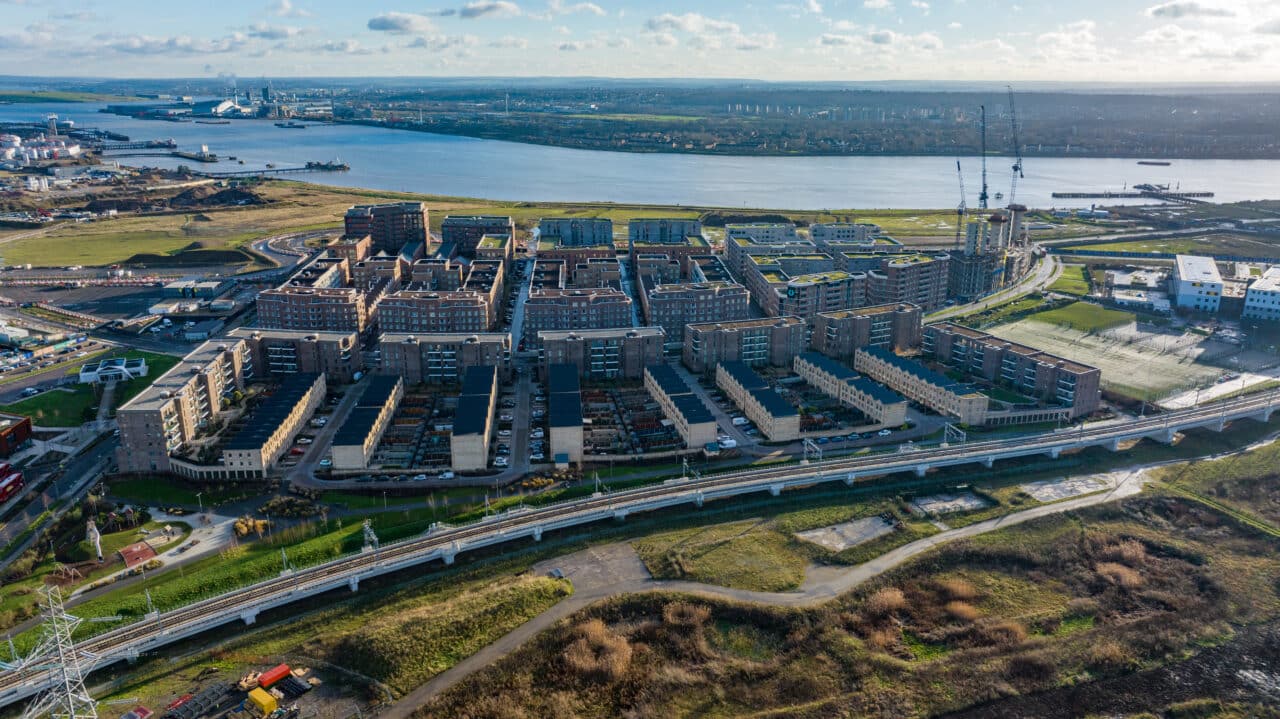
At Barking Riverside in London, Envac AWCS is embedded from the outset as part of a 10,800‑home waterfront development focused on sustainable living. Around 460 Envac inlets replace an estimated 19,000 traditional bins, moving three fractions; residual waste, dry recyclables and cardboard – through an underground pipe network to a central terminal. This cuts on‑street bins by 98 percent and waste‑collection‑related carbon emissions by around 90 percent compared with traditional truck‑based collection.
A dedicated cardboard shredder, connected to the same system, prevents approximately 105 tonnes of cardboard per year from going to landfill and supports high recycling performance in a dense urban setting.
How this supports Dutch municipal goals
For Dutch municipalities, the value of smarter systems is measured in concrete outcomes:
Higher circularity and better use of resources
Less residual waste and the potential for higher real recycling rates
Easier, more convenient separation at the point of disposal
Additional recovery of recyclables from residual streams through better systems and smart source sorting
More efficient, resilient operations
Lower operational pressure and more predictable costs
Fewer unnecessary trips and emergency clean‑ups
Centralised, efficient collection in dense and hard‑to‑access areas
Reduced dependence on scarce manual sorting labour
Improved liveability and public space
Fewer trucks, less noise and less pollution in residential streets from waste collection vehicles
Cleaner, more attractive container locations and public areas
More room for walking, cycling and green space, especially in growing cities and tourist hotspots
Stronger governance and communication
Real data on fill levels, material capture, contamination and CO₂ per tonne
Clear KPIs to support decisions on tariffs, service levels and investments
Transparent performance information that can be shared with residents, politicians and partners
A shared learning journey
The Netherlands already has many of the ingredients for a world‑class circular system. The next step is to move from isolated measures to integrated, intelligent waste infrastructure.
By combining data‑driven collection, Envac AWCS and Envac sorting solutions, and by learning from practical reference projects such as Almere, Arnhem, Limburg Optimo and Barking Riverside, municipalities can turn full containers, “bag next to container” problems and rising costs into an opportunity for cleaner streets, higher circularity and more resilient cities.
When stadium waste is managed well, most people barely notice it. When it is managed badly, everyone does. Overflowing bins, odours, litter, cluttered concourses and collection vehicles moving through busy areas can all affect how a venue feels and performs. For modern stadiums, the question is no longer simply, “Where do we put the bins?” It is, “How can waste infrastructure support a cleaner, safer, more efficient and more flexible venue?”
The Netherlands is often seen as a frontrunner in recycling, yet municipalities still struggle with growing waste volumes, stubborn residual streams, overflowing underground containers and rising costs. This article shows how data‑driven operations, Envac automated waste collection systems (AWCS) and Envac sorting solutions, already proven in Dutch projects such as Almere and Arnhem, can help cities move from day‑to‑day firefighting to more future‑proof, integrated waste infrastructure.
Healthcare providers face immense pressure to deliver high-quality care while maintaining a smooth patient flow, which is crucial for keeping healthcare-associated infections (HAIs) low and preventing nurse burnout. Additionally, there is a constant need to improve infection control, maximise clinical efficiency, and expand capacity—all while adhering to strict budgetary limits. However, an often-overlooked aspect that can undermine these goals is how hospitals manage their soiled flow logistics.