Upgrades & Retrofit

From installation to long‑term asset

Once an automated waste collection system is in place, it is easy to see it as “finished”. The pipes are in the ground, the terminal is up and running, and everyday life goes on. But developments in recent years show that an Envac system is not just a technical installation – it is long‑term infrastructure that can be upgraded, optimised and extended in line with changes in the city, the regulatory framework and residents’ expectations.

How modernisation and upgrading create new value in existing Envac systems

In our previous articles, we have shown that it is entirely possible to retrofit pneumatic waste collection systems into existing urban environments, with evidence from, among others, Bergen and Odense, as well as a theoretical study of Stockholm (Norra Sofia). The study showed that, in the Norra Sofia scenario, a waste collection system could reduce collection time from 60 hours to 2 hours per week and free up space equivalent to more than 50 new apartments of 25 m² each.

In real projects such as Eriksberg and Skarpnäck, upgrading to the new control system for waste collection, EAP4, has led to a substantial reduction in installed power: in Eriksberg from 214 kW to 55 kW, and in Skarpnäck from 259 kW to 80 kW, with annual savings in the hundreds of thousands of SEK at these sites.

This article takes the next step: moving from whether modernisation and upgrading are possible to how a deliberate aftermarket strategy can transform an existing installation into a growing asset over time.

Aftermarket as a strategy, not just a service

Traditionally, the aftermarket has often been equated with service and repair. But for Envac’s systems, the aftermarket is increasingly about strategic modernisation:

  • lifting an existing installation up to performance levels on a par with new systems, where this is technically and economically justified
  • gradually adding new functionality, such as energy optimisation, AI support or extended sorting
  • preparing the installation for new requirements around circularity and material recovery.

In the article “How modern, automated waste collection can increase recycling rates, reduce costs and save energy”, we show how automated systems in a number of cities, including Stockholm and London, have contributed to lower costs and emissions while increasing recycling rates, compared with previous solutions. Through upgrades and improvements in the aftermarket, existing Envac installations can benefit from the same kind of development without starting from scratch, provided similar conditions and measures are in place.

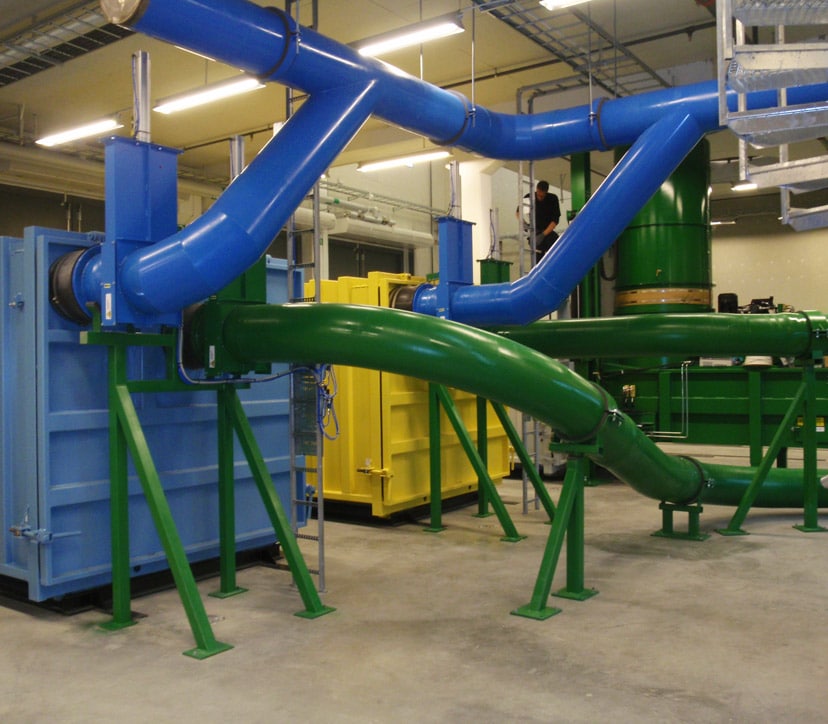
“Many people think you have to start all over again to get a modern and reliable system, but in most cases we can refurbish older installations by replacing selected components in the terminal and pipe network. This means that in most cases we can extend the service life, reduce energy use and improve performance without having to redo the entire system.”

Christina Davidsson, Aftermarket, Envac

Soft vs hard modernisation

An important factor is to distinguish between “soft” and “hard” modernisation. Both create value, but over different time horizons.

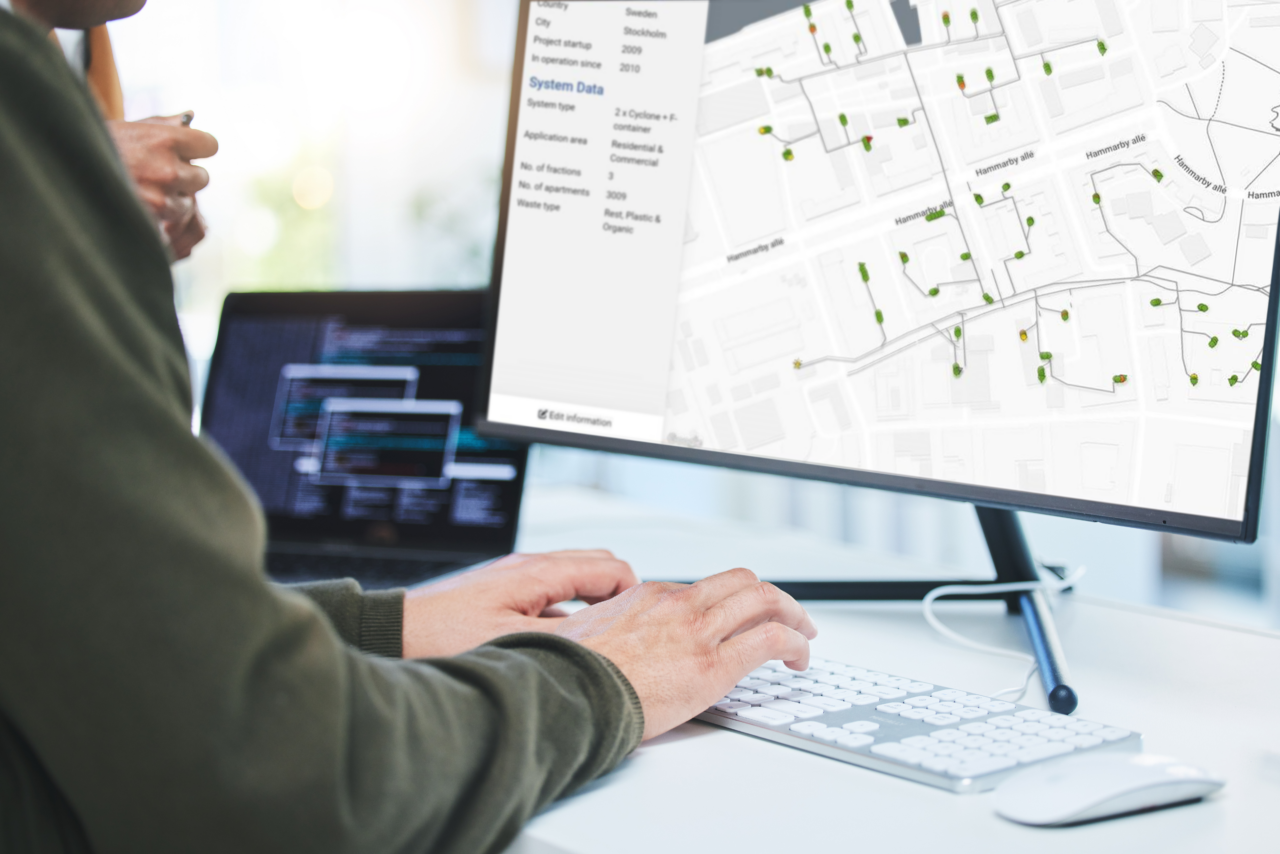
Navigating the EAP platform on a computer

Myk modernisering: styresystem, data og energi

The fastest way to unlock new value in an existing installation is often to upgrade the digital layer.

  • Envac Automation Platform 4 (EAP4) provides the basis for powerful energy optimisation with functions such as peak shaving, demand‑based emptying and advanced operational analysis. In installations where the system has been implemented and operation adjusted accordingly, this has contributed to lower energy consumption and a more even power load than before.
  • AI functions make it possible to predict fill levels and shift operation to periods with lower electricity prices, which in our projects has, among other things, helped reduce costs compared with previous operating strategies.
  • Integration with the ReFlow app prepares the installation for more granular feedback to households and businesses on sorting and behaviours, and can therefore make it easier to increase sorting rates.

An upgraded control system can thus extend the lifetime of the physical infrastructure, while at the same time reducing energy consumption and operating costs.
Hard modernisation: pipes, terminals and inlets

In the article “Retrofitting pneumatic waste collection systems in existing urban environments: A proven way forward”, we show how smart planning, compact pipe diameters and flexible siting of inlets make it possible to integrate vacuum waste collection into already established urban areas. In the aftermarket, the same principles can be used to:

  • extend an existing system to new neighbourhoods
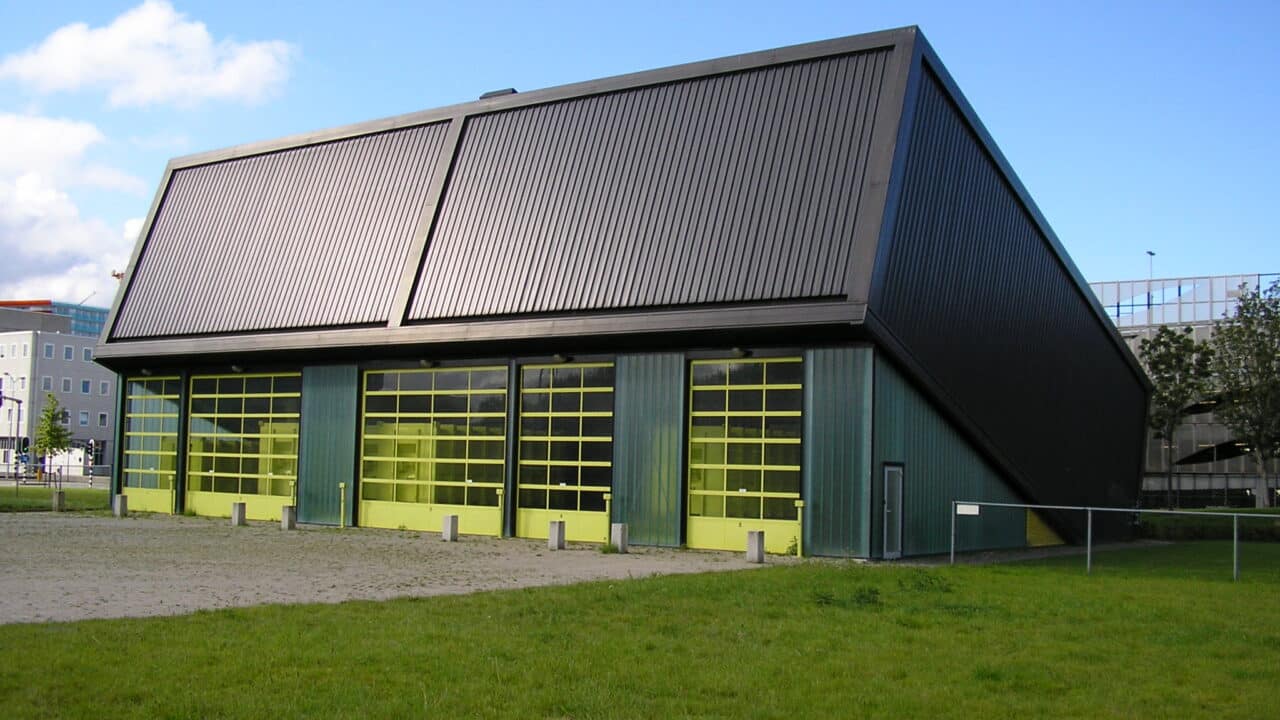
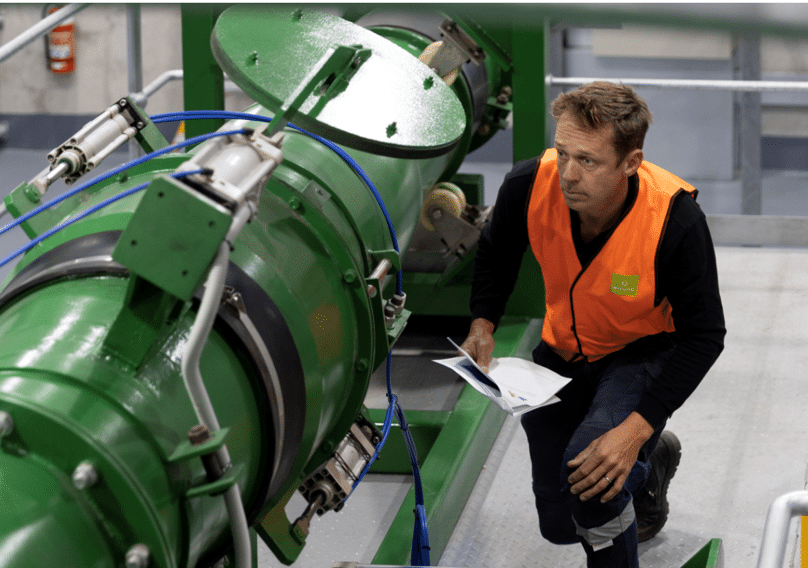
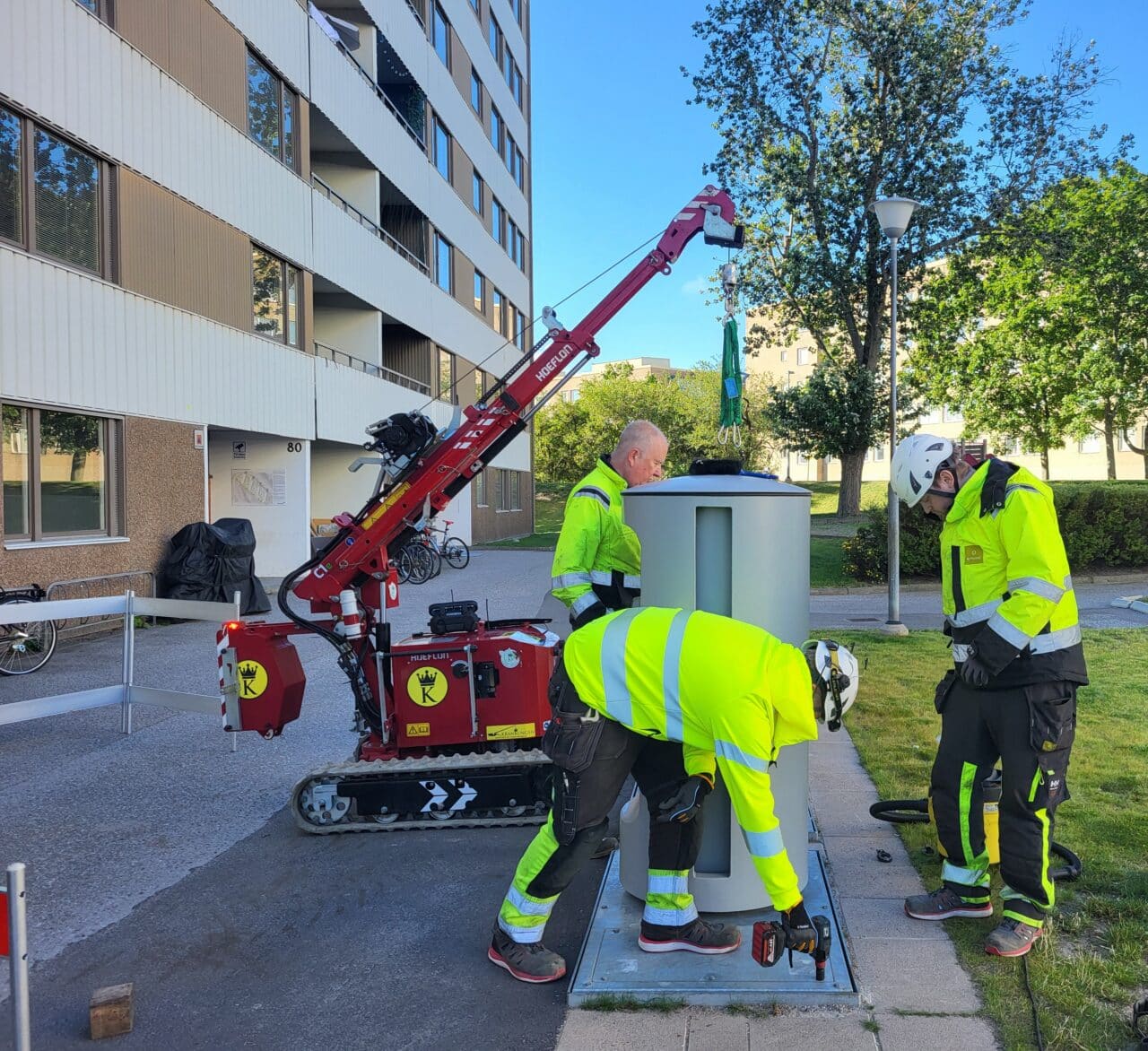
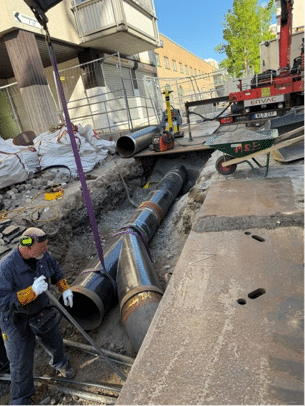
  • refurbish and/or replace pipe sections or other components in the system and terminals
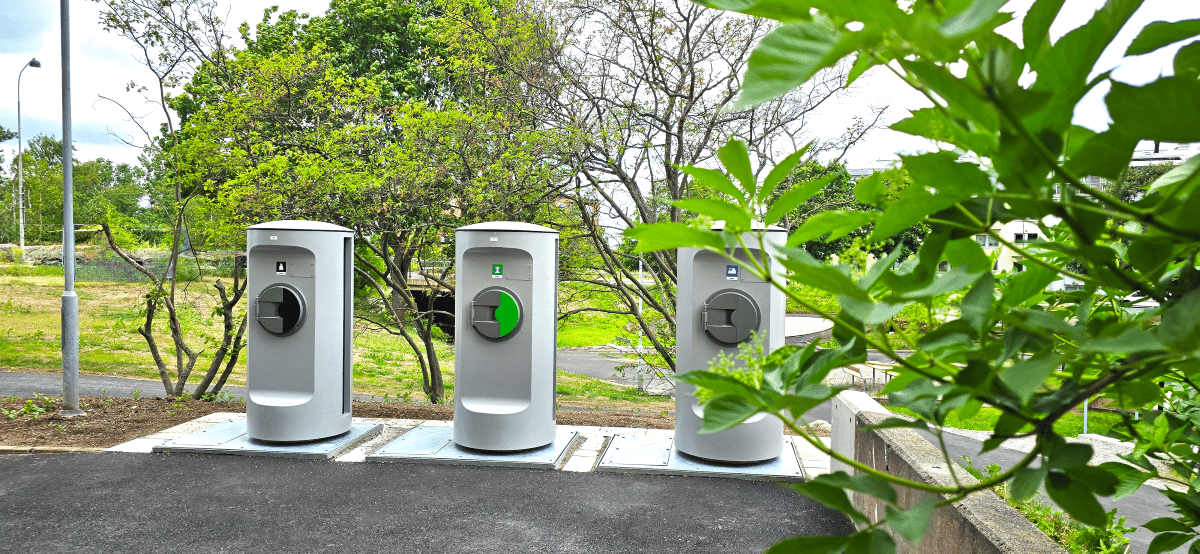
  • relocate or add inlets for better accessibility and safety
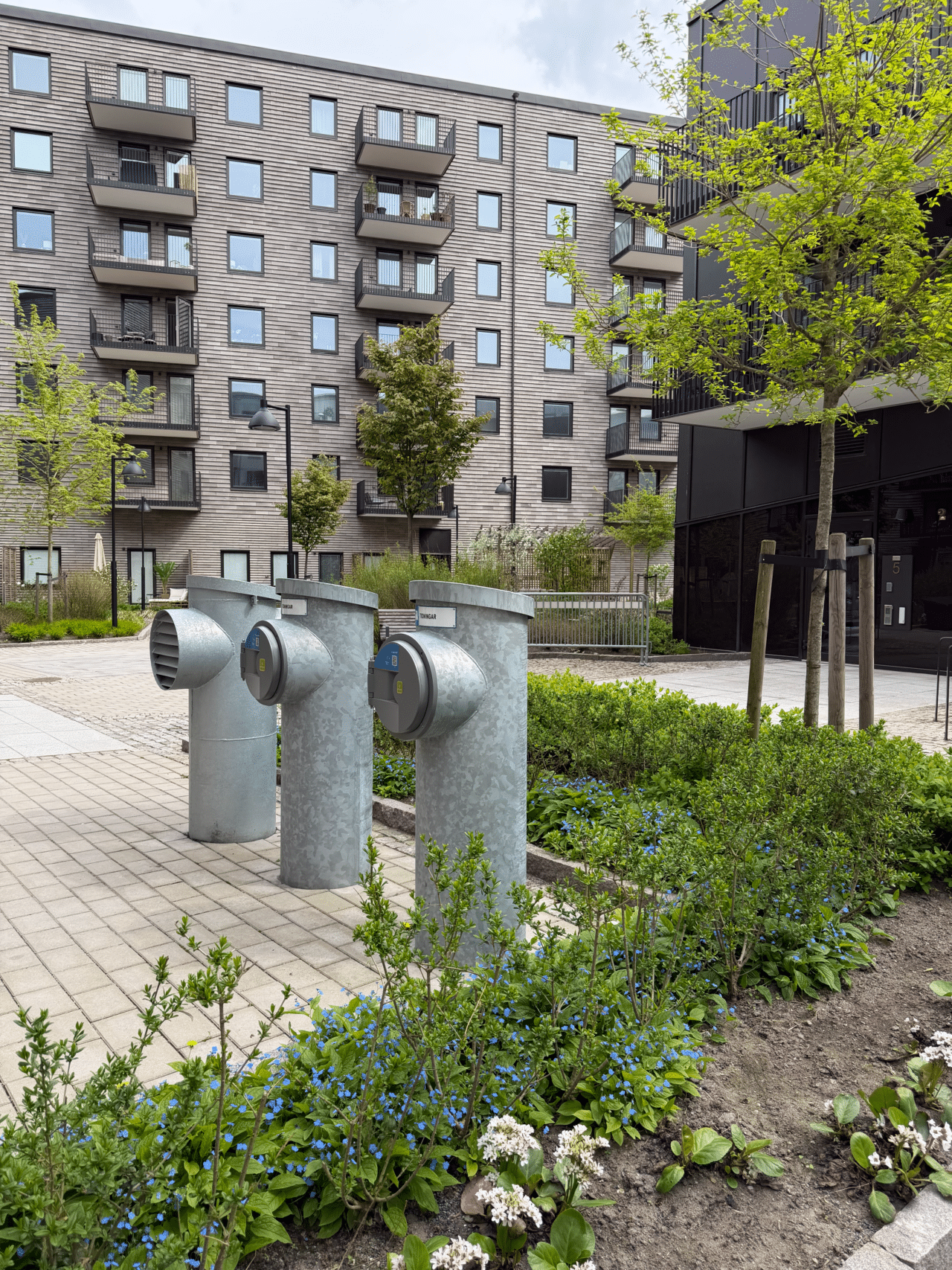
  • free up old waste rooms for new purposes – from storage to bike rooms or commercial space.

When soft and hard modernisation are combined, the Envac system becomes a dynamic part of the city’s development, not a frozen project from a particular construction period.

3 drivers for upgrading

Based on the case studies and analyses we have previously published, three clear drivers emerge for acting now rather than later:

Energy & Economics

In the article on EAP4, we show how adjusting power demand and energy consumption at the sites where measures have been implemented has delivered direct savings, not least by reducing peak loads. In Eriksberg and Skarpnäck, energy optimisation has led to estimated annual savings of around SEK 150,000–220,000 per installation, based on their specific operating data and electricity costs.

For property owners and municipalities, similar measures can mean:

  • shorter payback time on the upgrade
  • lower exposure to future fluctuations in electricity prices
  • a tangible contribution to their own climate and sustainability targets, when the effects are measured and followed up over time.

Robustness and resilience

When we describe retrofits in Bergen and how Envac’s system on Roosevelt Island continued to operate during Hurricane Sandy, another dimension becomes clear: resilience. In these cases, the pneumatic systems kept functioning even when traditional, vehicle‑based collection faced major constraints due to weather and closed roads.

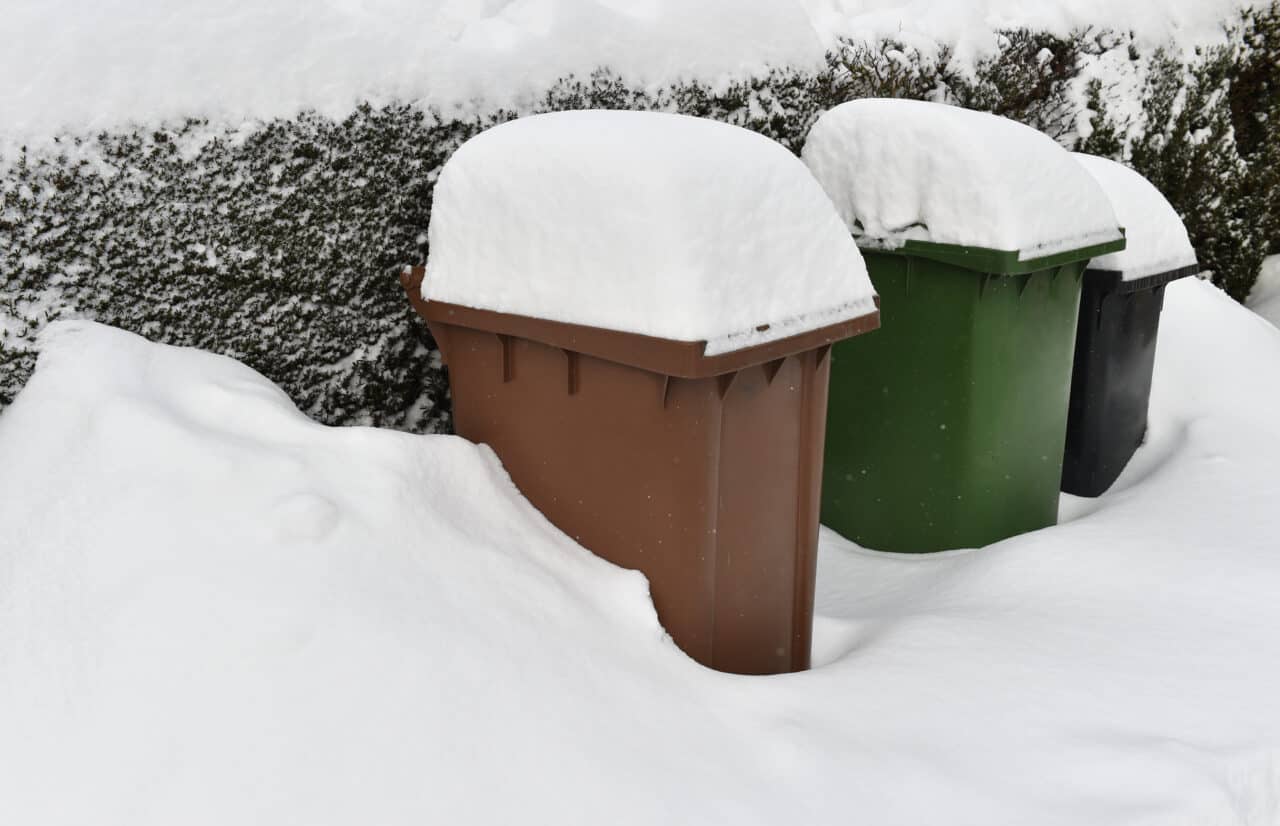
In a Swedish context, where snow chaos and extreme weather events have become more common, an upgraded and well‑maintained Envac installation can help to:

  • reduce operational disruptions if roads are blocked
  • lower the risk of overflowing containers and temporary stop‑gap solutions
  • provide safer, more predictable waste management for residents and businesses.

Circularity & Urban development

Cities are moving towards more structured, data‑driven and quality‑assured waste management in order to meet the EU’s requirements for material recycling and a circular economy. For existing Envac systems, this creates a window of opportunity to:

  • add a sorting facility and thereby increase recycling rates without expanding traditional infrastructure, as we have seen in several projects
  • connect the system to digital tools such as ReFlow for better monitoring and reporting, which can make it easier to achieve established targets
  • position the area as a frontrunner in sustainable urban development, as seen for example in Hammarby Sjöstad and Barking Riverside, where the Envac system forms part of a broader sustainability strategy

”We do not see our installations as finished projects, but as long‑term assets that can be further developed. By combining soft modernisation, such as upgraded control systems and energy optimisation, with hard modernisation of pipes, terminals and inlets, existing Envac systems can be raised step by step to today’s standards, in line with evolving demands from the city and the wider world.”

Christina Davidsson, Aftermarkets Envac

From project to partnership: what an aftermarket journey can look like

1. Current state analysis

Review of operating data, energy consumption, capacity and usage patterns.

Here we use the same type of analysis as in the Eriksberg and Skarpnäck examples, where actual operating performance before and after the measures has been compared.

2. Modernisation scenarios

A “soft” scenario (e.g. upgrading to EAP4), a “hard” scenario (expansion or upgrading of the pipe network or terminal), and a combined scenario.

Each scenario is linked to expected impacts in terms of energy, cost, service quality and sustainability, based on experience from similar installations and clear assumptions.

3. Phased implementation

Prioritising measures that deliver the fastest impact, often control systems and energy optimisation, followed by more structural interventions.

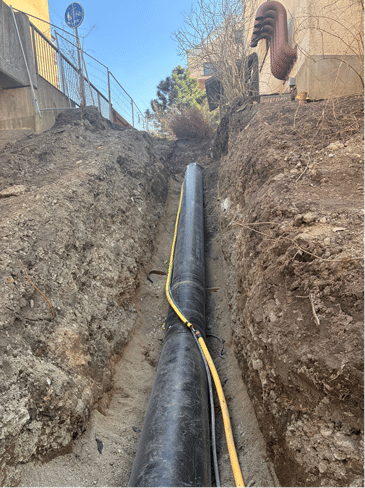
Experience from, among other places, Bergen shows that smart planning and trenchless techniques can minimise disruption even in sensitive urban environments.

4. Løpende optimalisering

Once the digital layer has been upgraded, continuous fine‑tuning becomes a natural part of operations: peak reduction, adjusted emptying times, new operating strategies during periods of high electricity prices and improved troubleshooting through self‑healing functions.

In the installations where this way of working has been introduced, we have seen performance gradually improve over time.

An upgrade of the experience, not just the technology

Ultimately, modernisation and upgrading are not just about technology and numbers. They are also about:

  • cleaner, safer courtyards without open waste areas
  • quieter urban environments with fewer heavy vehicles than with traditional collection for the same volumes
  • a more attractive living experience and stronger property values
  • a tangible improvement in everyday life for the people who live and work in the area, when the system is correctly dimensioned and used as intended

Is your installation ready for the next step?

Envac systems have proven that they can remain in operation for decades, as on Roosevelt Island and in Bergen, but that does not mean they should stay unchanged. By working actively with the aftermarket, modernisation and upgrading, you can have an installation that is continuously optimised, further developed and built to last.

The next step can be as simple as a joint review of your existing installation. Based on that, we can draw up a plan together for how your Envac system can develop from a well‑functioning installation into a strategic asset that grows in value over time.

Related articles

Upgrades & Retrofit

From installation to long‑term asset

Once an automated waste collection system is in place, it is easy to see it as “finished”. The pipes are in the ground, the terminal is up and running, and everyday life goes on. But developments in recent years show that an Envac system is not just a technical installation – it is long‑term infrastructure that can be upgraded, optimised and extended in line with changes in the city, the regulatory framework and residents’ expectations.

Read more

Smart City Sustainability

Turning a Terminal into a Community Hub: How Explorers Preschool Is Reimagining The Wilds at Barking Riverside

At The Wilds, a multi-purpose community, ecology and events space delivered by Barking Riverside Limited, the Envac terminal is not tucked away in an anonymous shed. Instead, it sits within an award-winning building that also houses workspaces (where the Envac UK office is also located), a local café, events and, importantly, an inclusive early years setting: Barking Riverside Explorers Preschool, part of the SENspired family of services.

Read more

Sustainability

Designing cities for circularity and resilience

Cities are where the world’s biggest challenges and opportunities converge. They occupy just 2% of the Earth’s land, yet house half the global population and generate around 80% of emissions. In a time of accelerating climate change and geopolitical instability, cities are becoming the testing ground for whether we can secure clean air, reliable infrastructure and social stability. In 2025, Envac appointed its first Chief Sustainability Officer, underlining the strategic importance of sustainability for our future growth and long‑term competitiveness.

Read more