Envac erbjuder automatiska avfallsinsamlingssystem som hjälper till att skapa renare miljöer och smartare städer. Vår innovativa teknologi har revolutionerat avfallshanteringen genom att minska luftföroreningar, koldioxidutsläpp och ohälsosamma förhållanden i samband med traditionella avfallsinsamlingsmetoder. Följ med oss på en spännande resa mot en hållbar framtid.
The snow chaos in Sweden was a clear reminder of how vulnerable a traditional, vehicle-heavy waste system is. When roads become blocked with snow, snowbanks build up and vehicles get stuck, it directly affects something as fundamental as being able to get rid of your waste. The result is overflowing bins, extra collection rounds, overtime work and residents who are forced to “wait before taking out the rubbish” because the collection simply has not made it through.
The snow chaos in Sweden was a clear reminder of how vulnerable a traditional, vehicle-heavy waste system is. When roads become blocked with snow, snowbanks build up and vehicles get stuck, it directly affects something as fundamental as being able to get rid of your waste. The result is overflowing bins, extra collection rounds, overtime work and residents who are forced to “wait before taking out the rubbish” because the collection simply has not made it through.
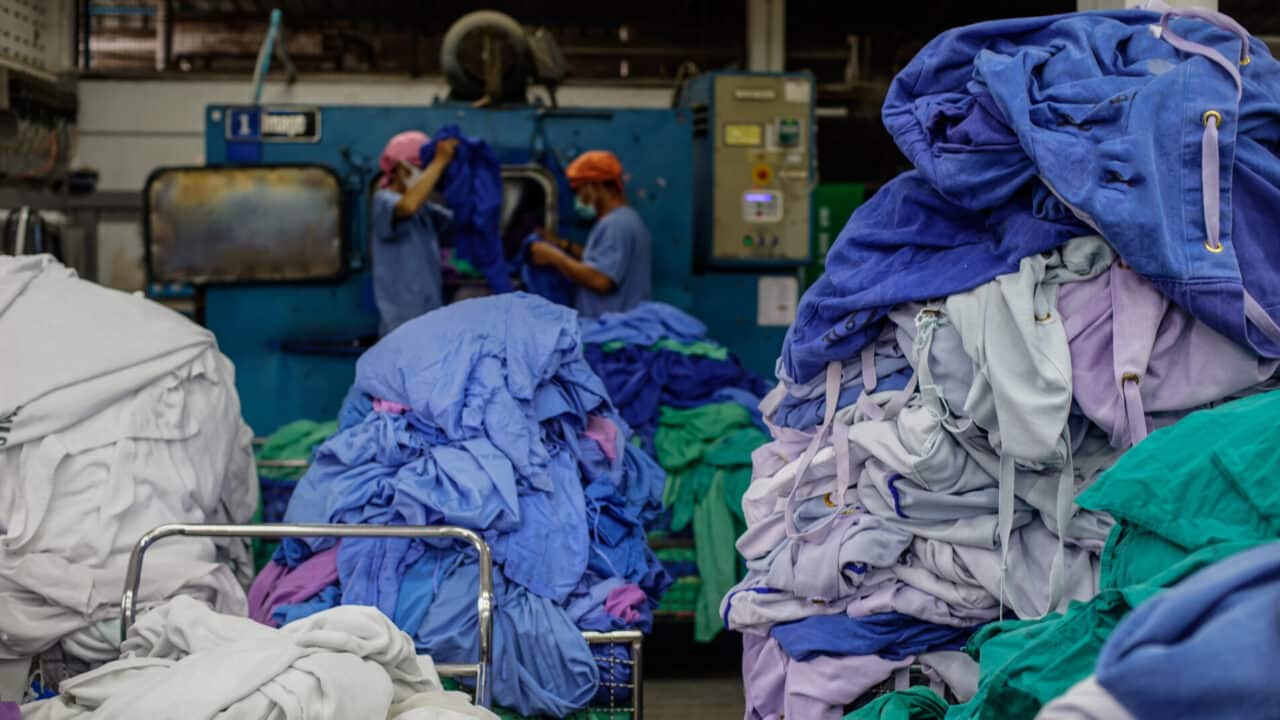
Effective management of soiled linen in healthcare is essential for infection control. Traditional manual handling poses significant health risks due to exposure to infectious agents, highlighting the need for advanced automated solutions.
From the rolling hills of Italy to the fjords of Norway and from the bustling streets of Hong Kong to the serene landscapes of Sweden, the cutting-edge Sort-More system has been installed in several different hospitals in these diverse regions worldwide, showcasing its global reach and impact.
Airports face growing pressure to manage increasing waste volumes while maintaining high standards of hygiene, safety, and sustainability. Envac’s automatic waste collection systems offer a proven solution, streamlining operations, reducing emissions, and improving the passenger environment through a sealed, automated waste management solution.
Managing waste, mainly through manual handling, involves navigating a landscape fraught with potential hazards. These challenges underscore the need for a comprehensive approach to protect both individuals and our planet.
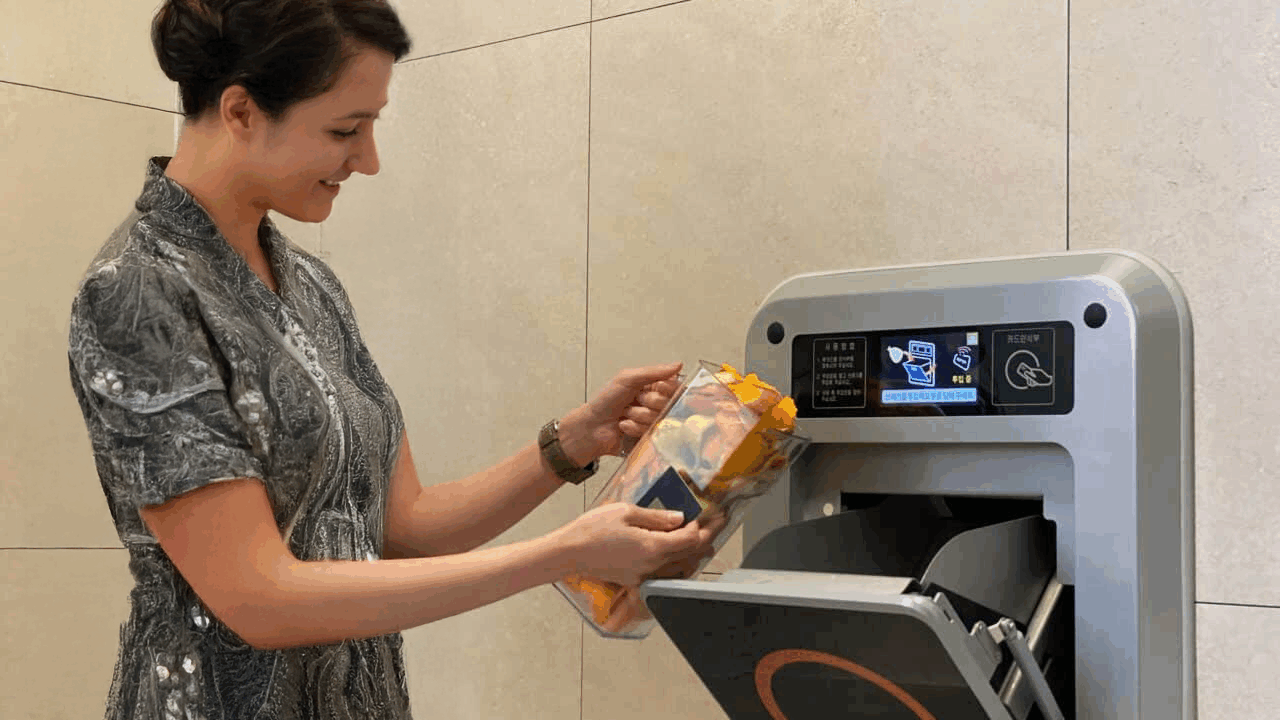
The PAYT (Pay As You Throw) strategy is an innovative approach to managing waste that promotes environmental awareness and individual responsibility. This system entails a fee that users pay based on the amount of waste they dispose of in designated containers for different types of waste. In essence, the more one throws away, the higher the cost.
A report from the Public Health Agency of Sweden in 2023 showed that up to SEK 1.6 billion could be saved in healthcare simply by reducing the number of patients who acquire healthcare-associated infections. By revising logistics, hospital waste management, and improving medical procedures, infection spread can be reduced.
Healthcare-associated infections cost billions each year, often driven by how hospitals handle waste and linen. Envac’s sealed pipe system eliminates manual handling, reduces bacterial spread, and supports smarter, safer hospital design, with over 180 installations worldwide
Managing waste is a significant challenge for cities worldwide. Total global waste is estimated to reach 3.88 billion tonnes by 2050 as urban populations – and their waste – continue to grow.
Envac Automatic Waste Collection System (AWCS) is a practical approach to managing urban waste. The system not only streamlines waste management processes but also brings a multitude of benefits to urban environments, making cities cleaner, safer, and more sustainable.
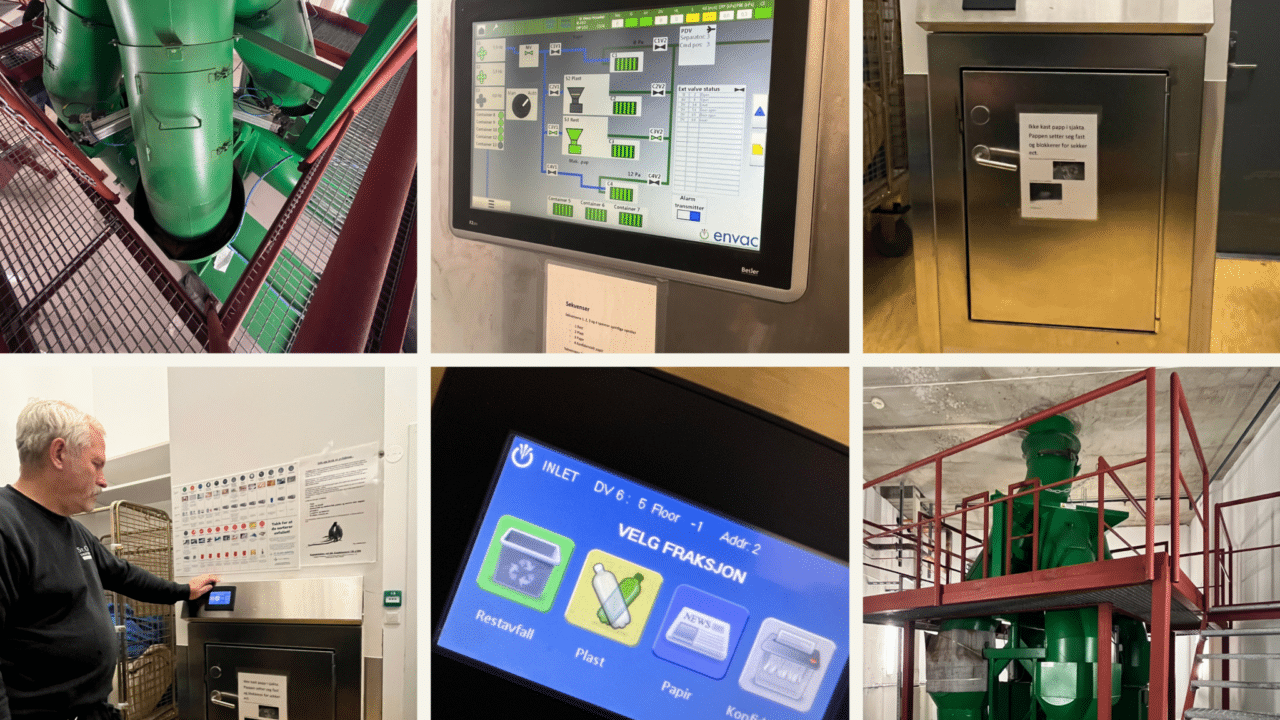
Envac Automation Platform (EAP) is an outstanding tool for optimising the performance of waste collection facilities. Its configureability and advanced analytics make it possible to significantly reduce energy consumption, improve fraction purity, minimise downtime, and boost capacity—ultimately delivering superior economic outcomes.