7.4M
Daily users
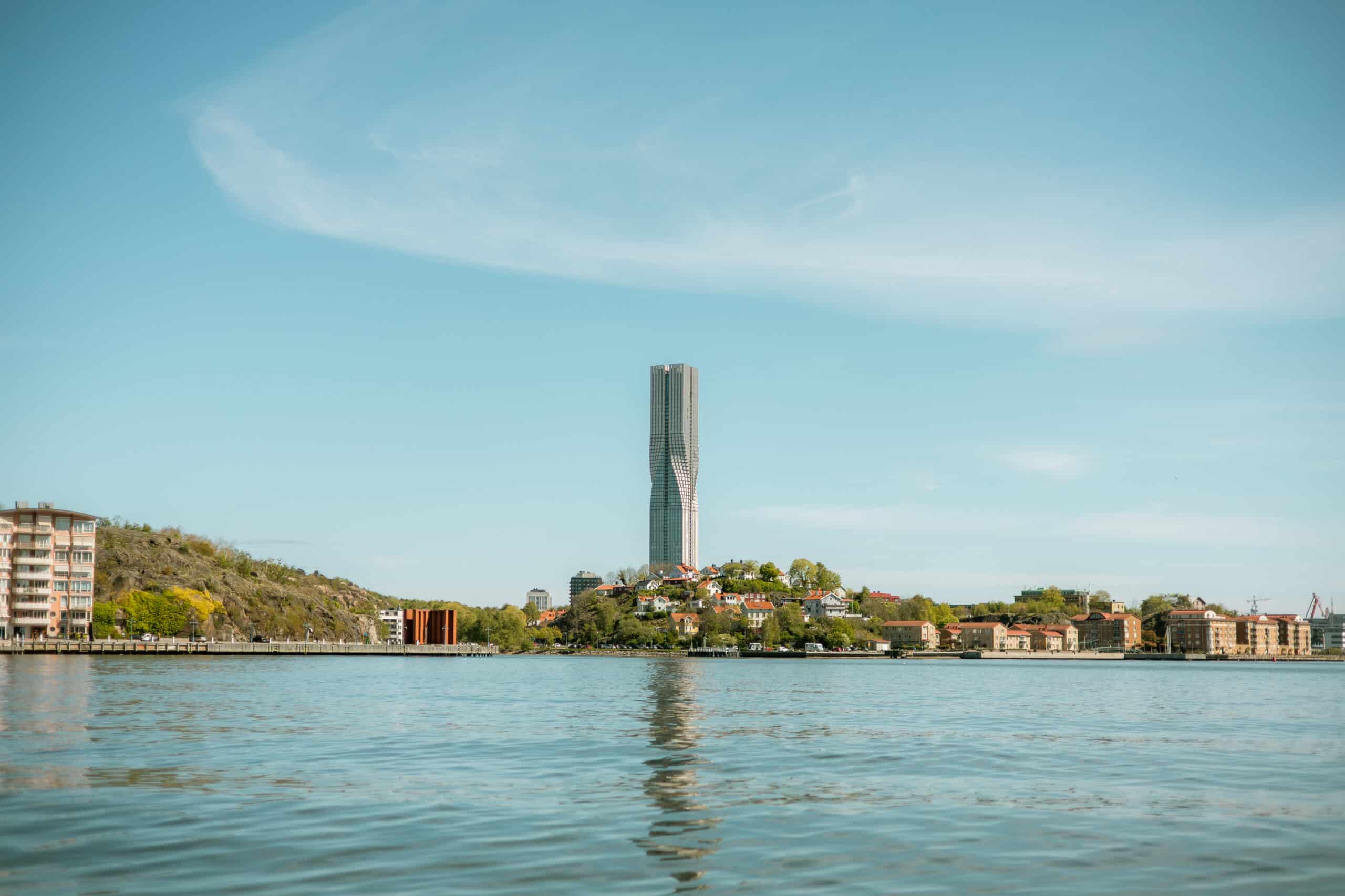
We create smarter, more liveable neighbourhoods today
– while ensuring a greener planet for future generations
Envac’s 2025 Sustainability Report explains how its automated, underground waste collection systems improve urban quality of life while reducing truck traffic, emissions, noise and odours and freeing space for greener areas. The work is organised around four focus areas: quality of life, minimising emissions, resource circularity and business responsibility, with documented projects achieving up to about 90% lower emissions from waste collection vehicles and better recycling and energy efficiency through solutions like the Envac Automation Platform and ReFlow.
Time to reduce the negative impact and look at waste handling as part sustainable urban development
Daily users
4.09 out of 5 end-user survey results
1300+ systems
17000 ReFlow users
Suppliers signed the code of conduct
From major project milestones and international recognition to operational growth and improved sorting results, 2025 was marked by steady progress across Envac’s business. These highlights reflect continued momentum in smart waste collection, stronger global engagement, and tangible environmental and commercial impact.
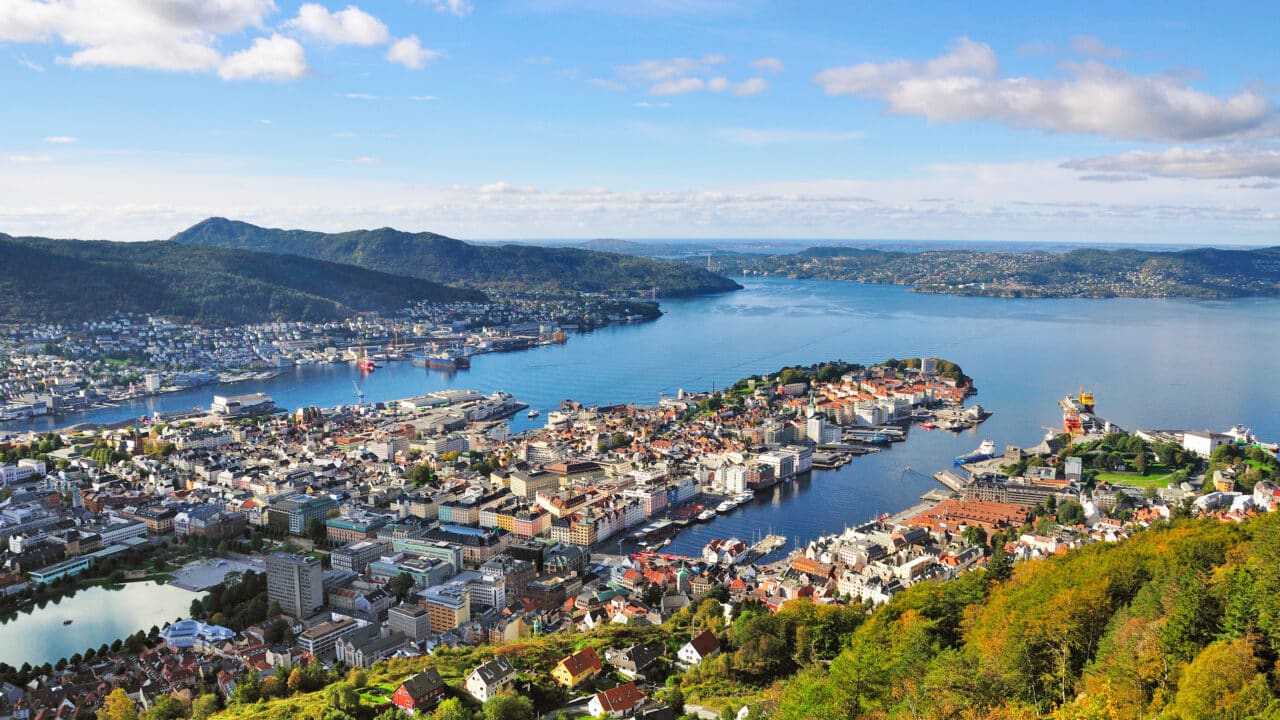
Envac’s underground system in Bergen, Norway, attracted strong international attention. The Washington Post highlighted how the 7.5 km pneumatic network – designed to serve up to 30,000 households and manage around 50 tonnes of waste per week – contributes to cleaner streets, fewer trucks and more liveable neighbourhoods. The World Economic Forum also profiled the system as a leading example of innovative, climate‑smart urban infrastructure.
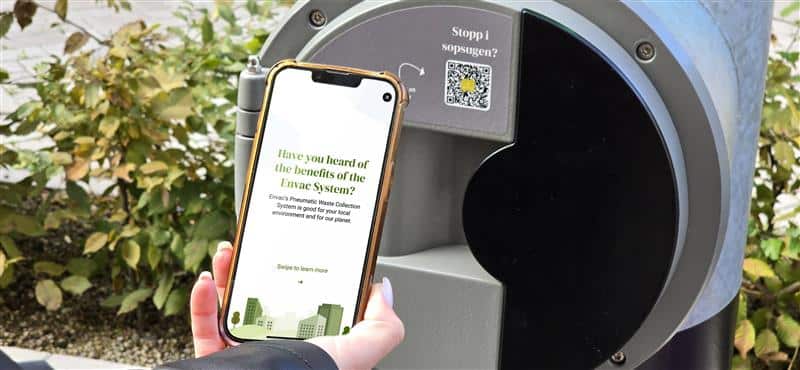
In Stockholm’s Hammarby Sjöstad, a pilot using the Envac ReFlow app showed that better digital feedback can dramatically improve sorting.
In a qualitative study done among households in the area using the application, plastic sorting increased by 44%. This indicates that the model could help Stockholm cut 40,000 tonnes of CO2 emissions per year – equivalent to roughly half the fossil emissions from household waste.
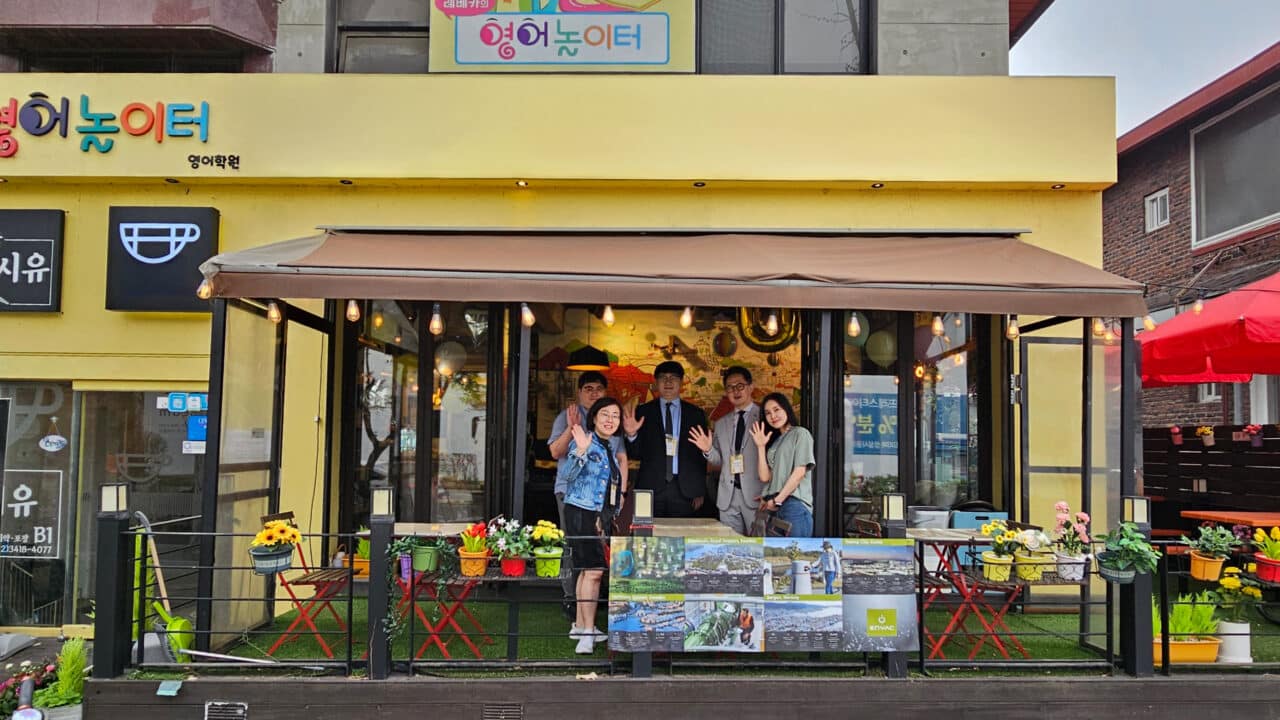
Envac Korea celebrated 30 years of operations, with more than 50 automated waste collection systems now installed across 11 cities and 16 large‑scale urban district projects delivered. Together, these systems have helped make automated waste collection a recognised part of sustainable urban development in South Korea.
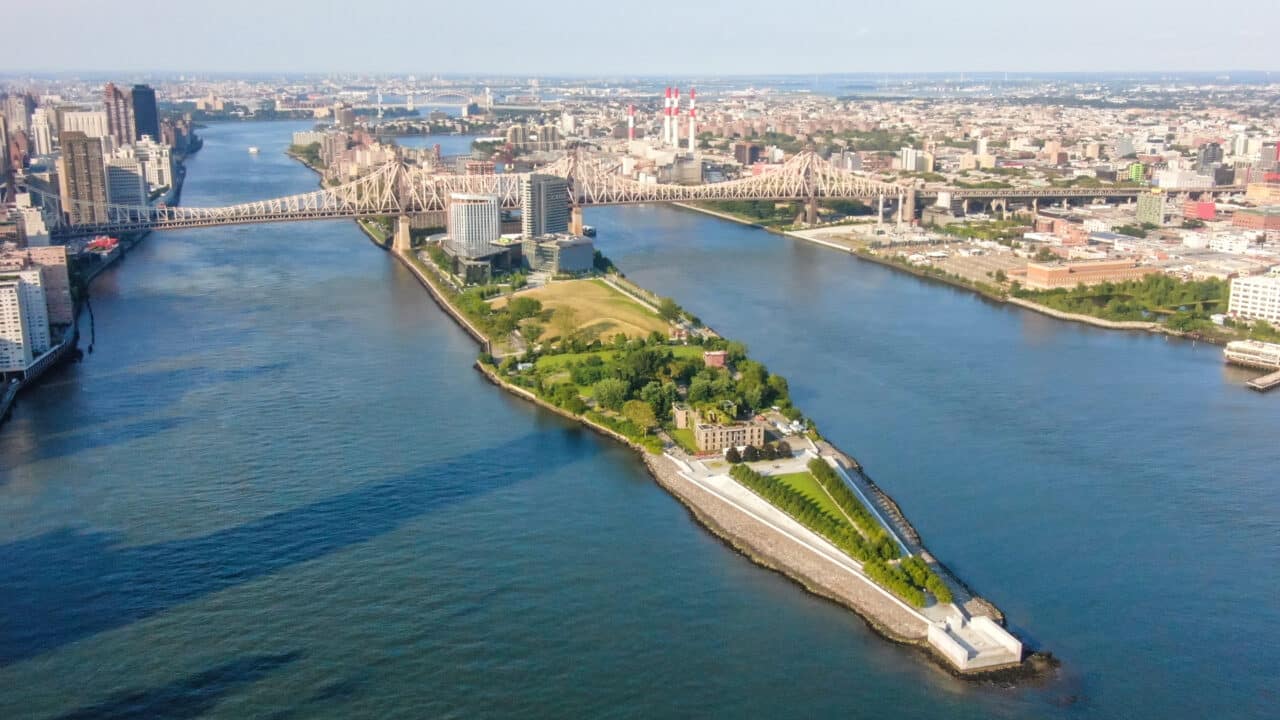
On Roosevelt Island in the USA, Envac marked 50 years of operation for its pioneering pneumatic waste collection system, installed in 1975 and still running reliably. The long‑term collaboration has delivered a robust, low‑emission waste solution that continues to serve the island’s residents and stands as a global reference for durable infrastructure.
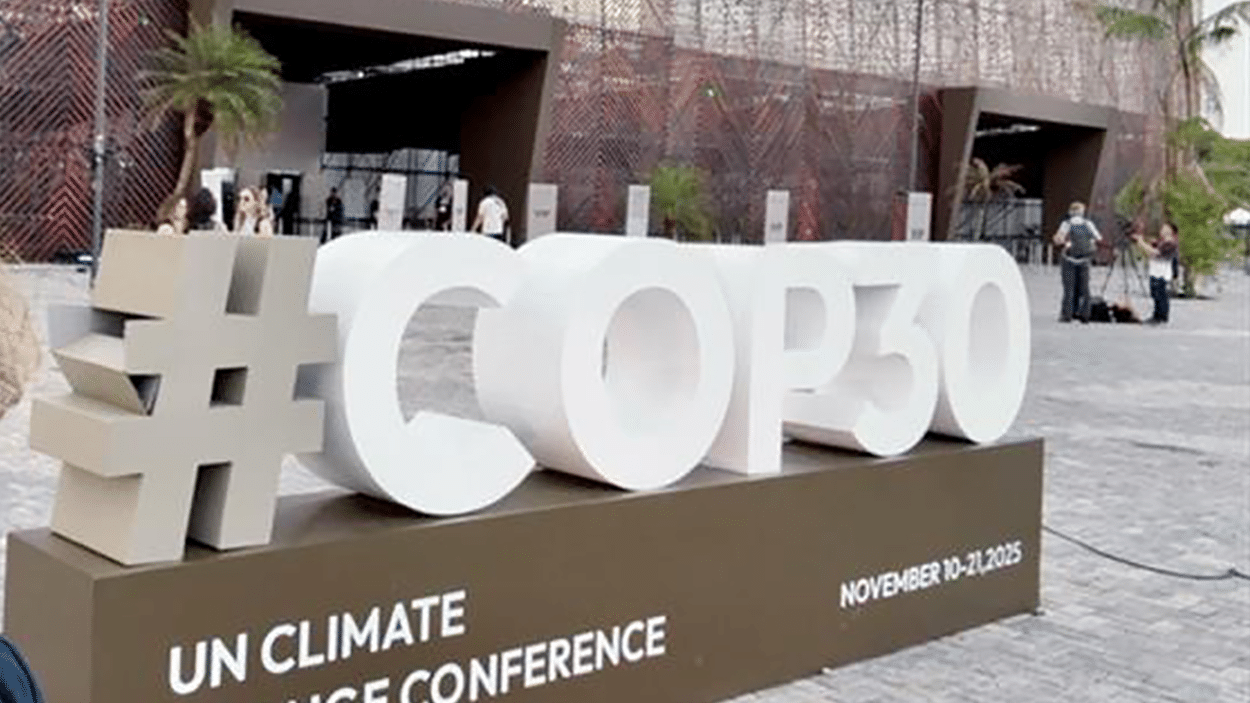
Envac took part in COP30 in Belém, Brazil, where the Chief Sustainability Officer joined the UN Climate Change Conference delegation. Envac’s presence highlighted how automated waste collection and circular material flows can underpin resilient cities worldwide.
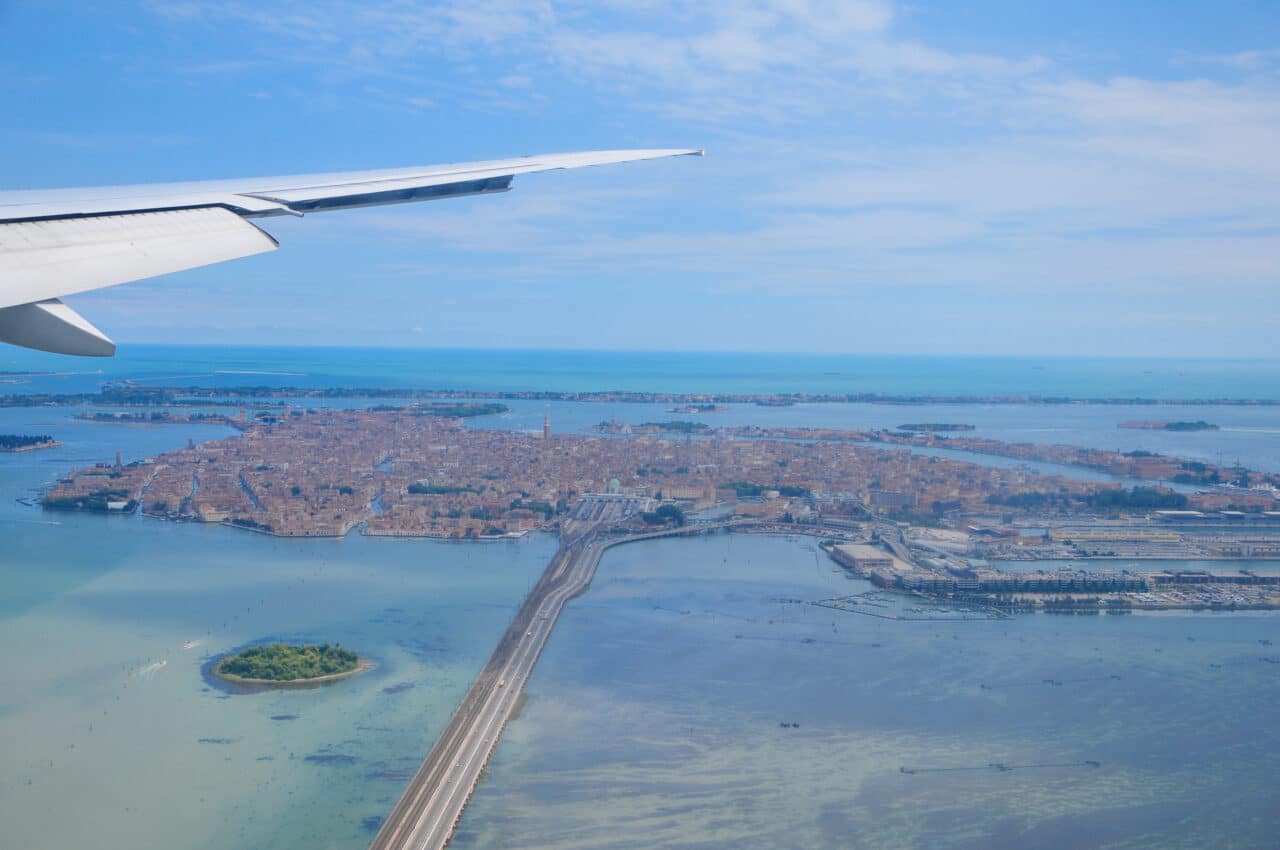
In partnership with Gruppo SAVE, Envac launched a new pneumatic waste collection system at Venice’s Marco Polo Airport. Over 500 metres of underground piping now connect terminal inlets to a central collection station, in a project with a total investment exceeding EUR 2.1 million – improving hygiene and efficiency in one of Europe’s most iconic transport hubs.
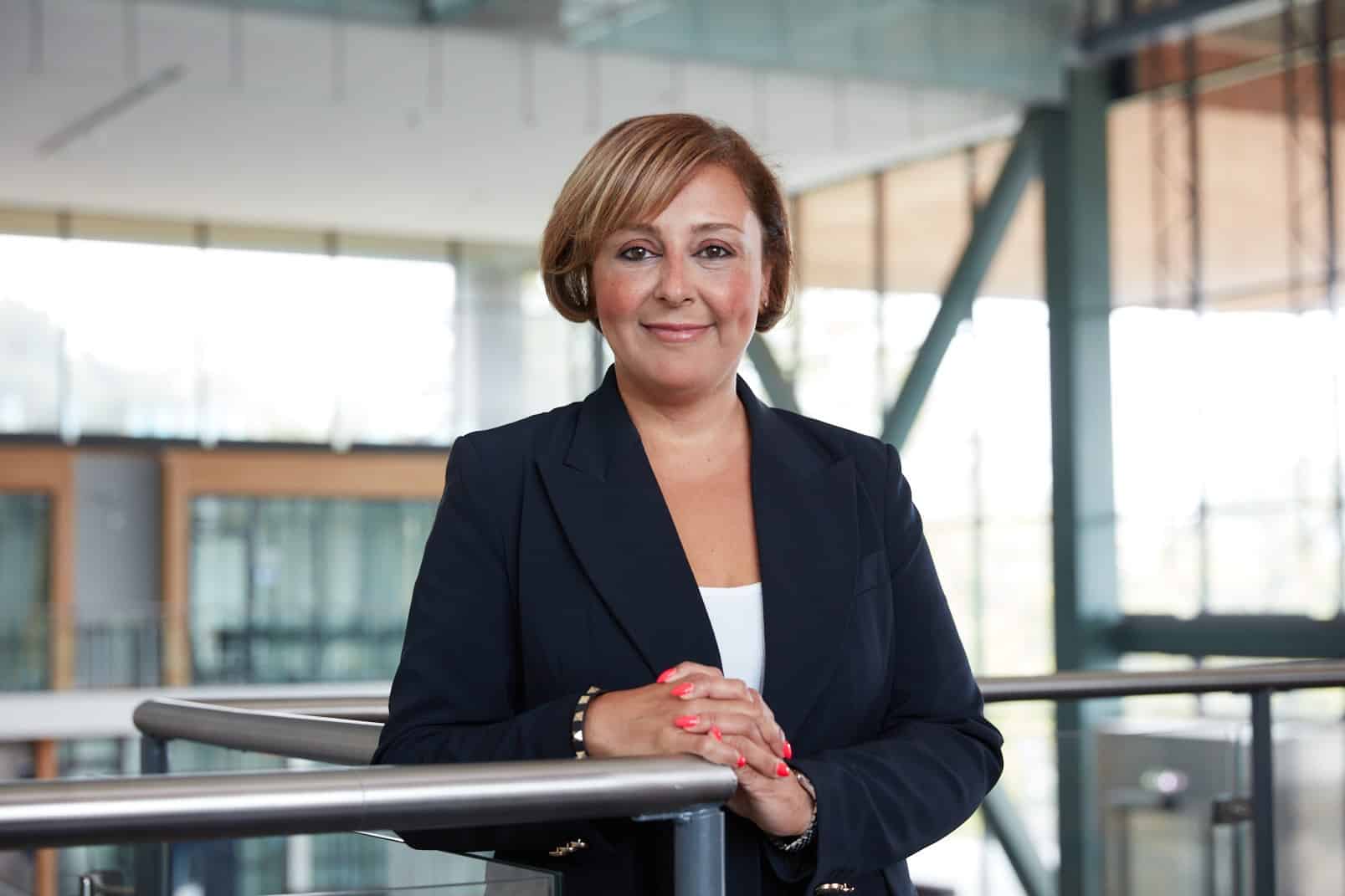
Meet our CSO
Cities occupy just 2% of the Earth’s land but generate around 80% of global emissions – and Envac’s new CSO, Naznoush Habashian, highlights that treating waste management as critical underground infrastructure is key to changing that. In the interview she explains how automated collection, circular material flows and data-driven resilience can turn today’s cities into cleaner, smarter and more stable places to live.
Sustainability has always been at the core of what we do and is an essential driver of our business. We enable smart, sustainable communities and drive the circular economy by redefining how society thinks of waste – today and for future generations.
With 2.5 billion more people living in urban areas by 2050 and a doubling of the amount of waste generated, cities require smarter and more sustainable waste management solutions. Envac is part of the broader solution by promoting circular resource use and carbon neutrality while improving quality of life and creating added value for property developers.
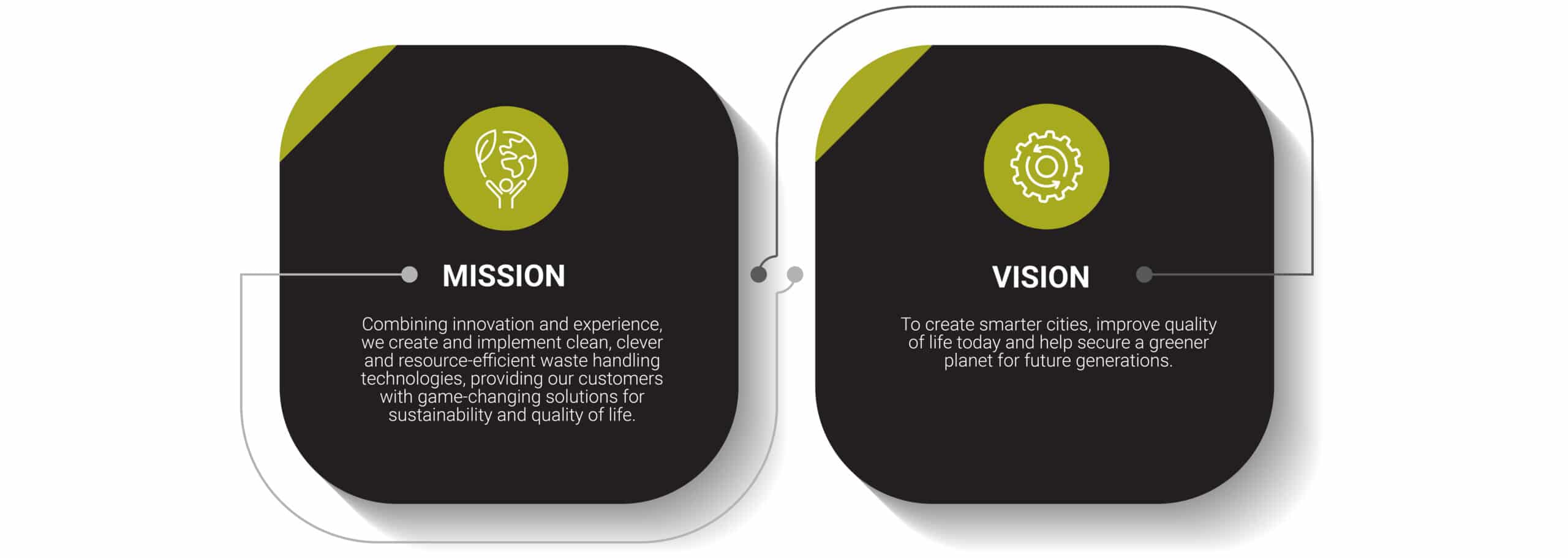

At Envac, we are committed to improving people’s quality of life – both today and for the future. Our waste solution has a visible impact on the places where people live and work, making communities cleaner, greener and safer.

Energy efficiency is essential for combating climate change, since it significantly cuts down on both direct greenhouse gas emissions (GHG) from fossil fuel use and indirect emissions from electricity generation. Envac’s technology and automation helps facility and infrastructure managers save energy and minimise emissions.

Envac is making it easier for people to turn waste into worth. We are helping cities across the world make it simple for their citizens to change behaviours and get involved in achieving climate and recycling goals with solutions such as, Optical Sorting and ReFlow, that supports resource circularity.
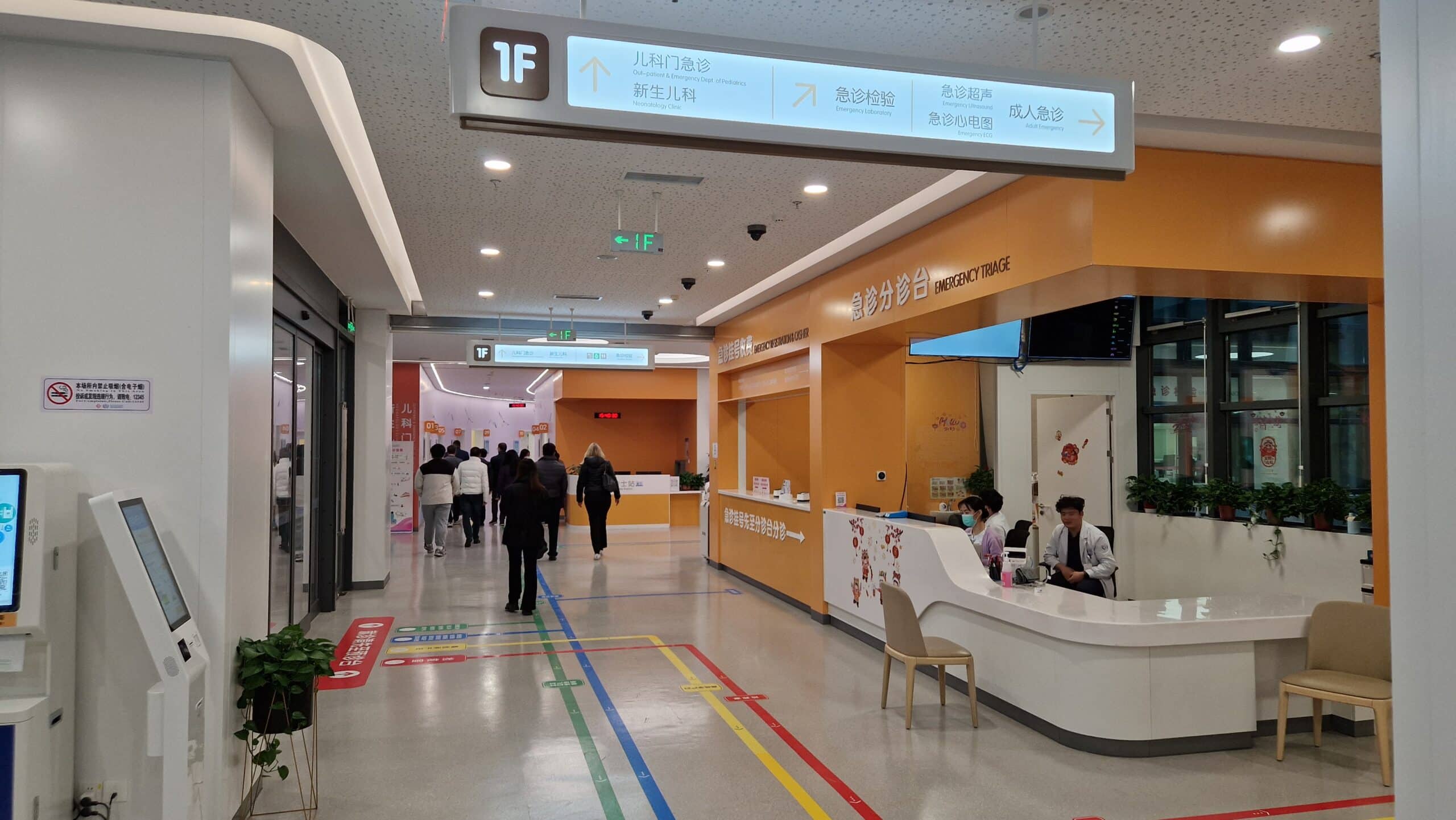
Envac is committed to ensuring that both our employees and external partners operate responsibly and safely. Guided by corporate governance policies and principles, our approach to business responsibility rests on three key pillars: fair and ethical business, ethical supply chains, and healthy, safe workplaces.

The preservation of the environment in cities and the improvement of the quality of life in urban environments are two of the most important challenges that public managers will have to face in the next 30 years. Addressing them will require collaboration among all citizens in addition to technological innovation.
Carlos Bernad CEO of Envac EMEA
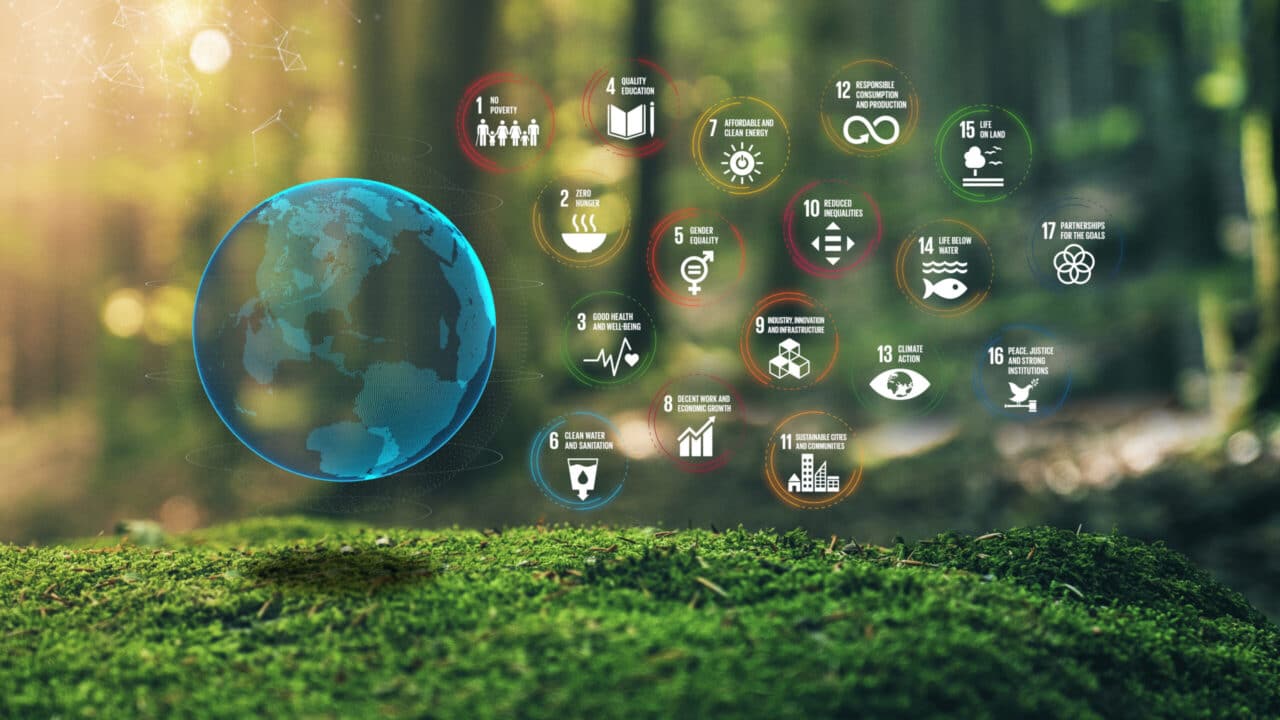
Everyone need to act on this. We are ready to do our part.

Download our latest and previous sustainability reports to learn more about how we’re delivering on our promise to shape sustainable urban living.