Envac launches the world’s first automatic collection system for infectious waste at the CHU University Hospital of Rennes, France
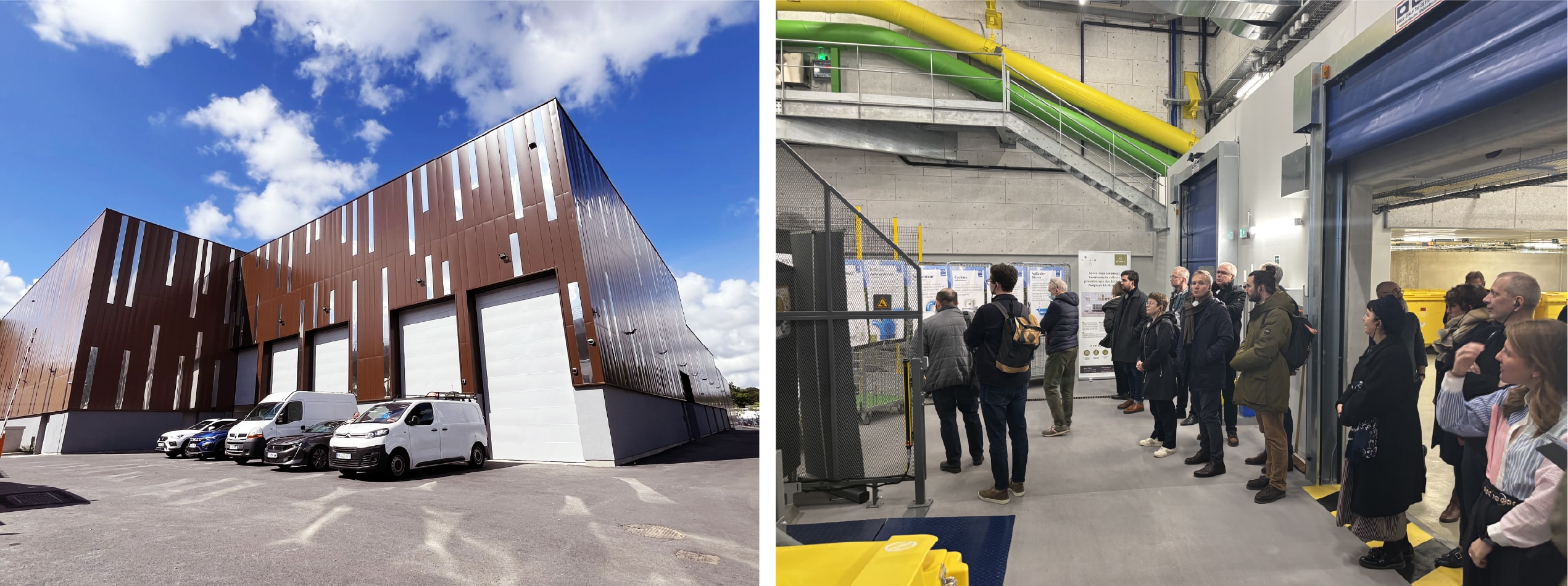
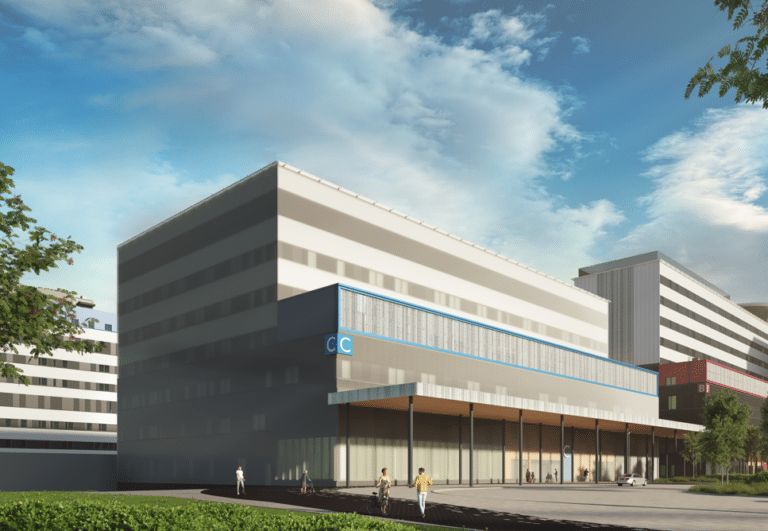
In a groundbreaking development for hospital logistics, Envac has unveiled its innovative technology at the newly inaugurated logistics platform of CHU Rennes University Hospital. This facility has set a new standard in Europe for automated and sustainable hospital logistics by introducing the world’s first integrated system that combines pneumatic transport of infectious waste with on-site treatment using state-of-the-art technology.
Infectious waste is converted into general waste in an on-site treatment plant that shreds and pasteurises the hazardous waste.
According to CHU Rennes, the Envac system will enable the hospital to save around €400,000 per year compared to the traditional medical waste process, which is on average five times more expensive than conventional waste treatment.
A standout feature of this project is its advanced automated system for managing hospital waste and linen. Through an innovative pneumatic transport system, dirty linen, general waste, recyclable materials, and, for the first time globally, infectious waste are collected and processed effectively. The new logistics platform integrates both clean and soiled flows, allowing them to share the same logistics centre without any risk of cross-contamination.
Through hermetically sealed pipe networks strategically integrated into the fabric of hospitals, waste is transported directly from care units to the logistics centre, effectively eliminating the risk of cross-contamination. Upon reaching the collection station, each waste type is systematically directed to its designated container. Infectious waste is handled on-site in a revolutionary treatment unit, transforming it into general waste that can be compacted and safely stored.
With this integrated system, CHU Rennes has become the first hospital worldwide to implement a comprehensive solution for suction, pneumatic transport, and on-site treatment of infectious waste. The platform is designed to process approximately 620 tonnes of infectious waste annually, allowing the hospital to manage this waste without the expensive protocols typically associated with hazardous medical waste. This remarkable advancement not only boosts safety and efficiency but also marks a significant step forward in sustainable hospital practices.
“The Envac system has been operational since February 2025 and is already collecting and handling general waste, recyclables, infectious medical waste, and soon, hospital linen. This is an ambitious project, and everyone involved has done an exceptional job.” – Joakim Karlsson, CEO, Envac Group
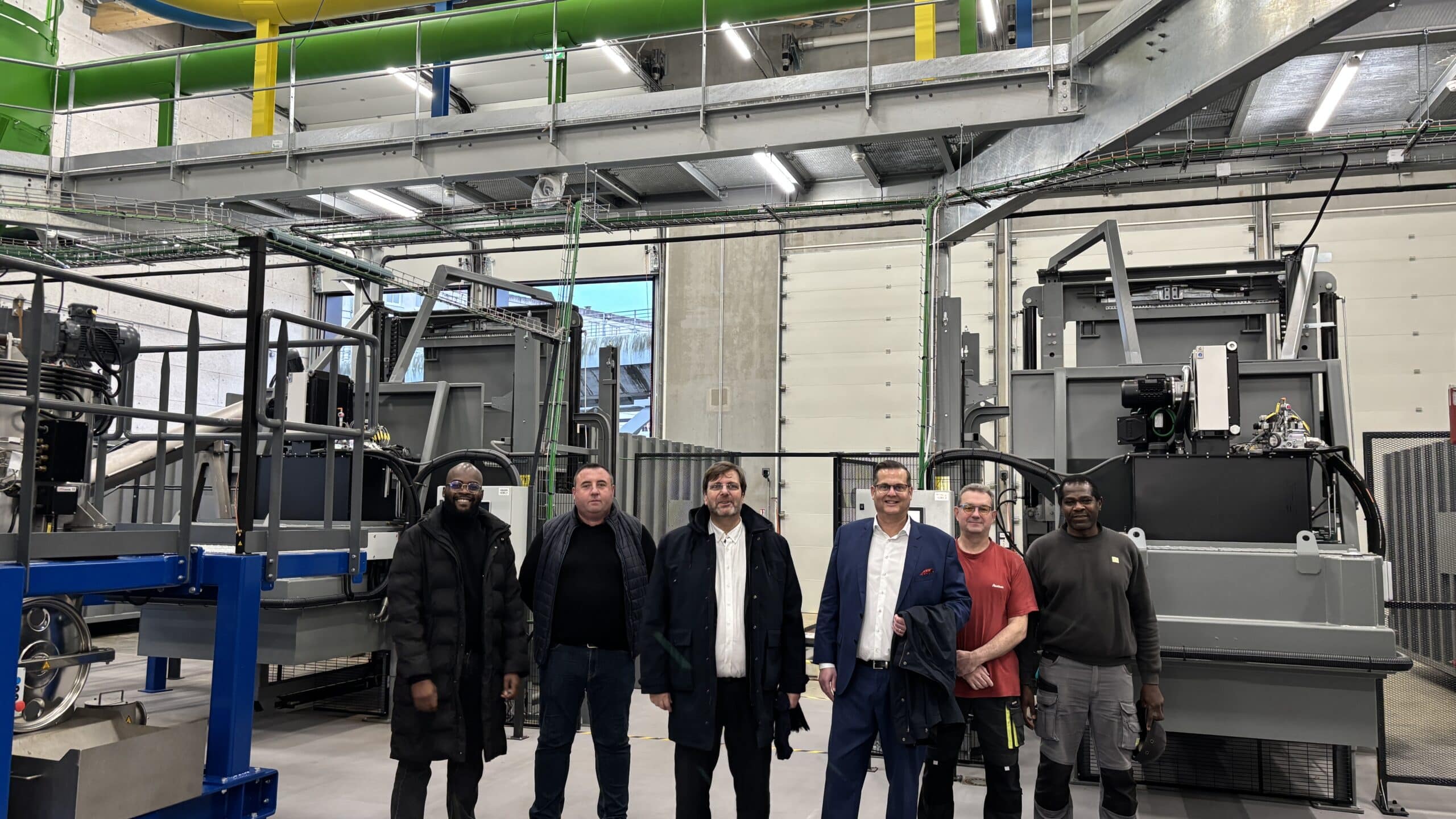
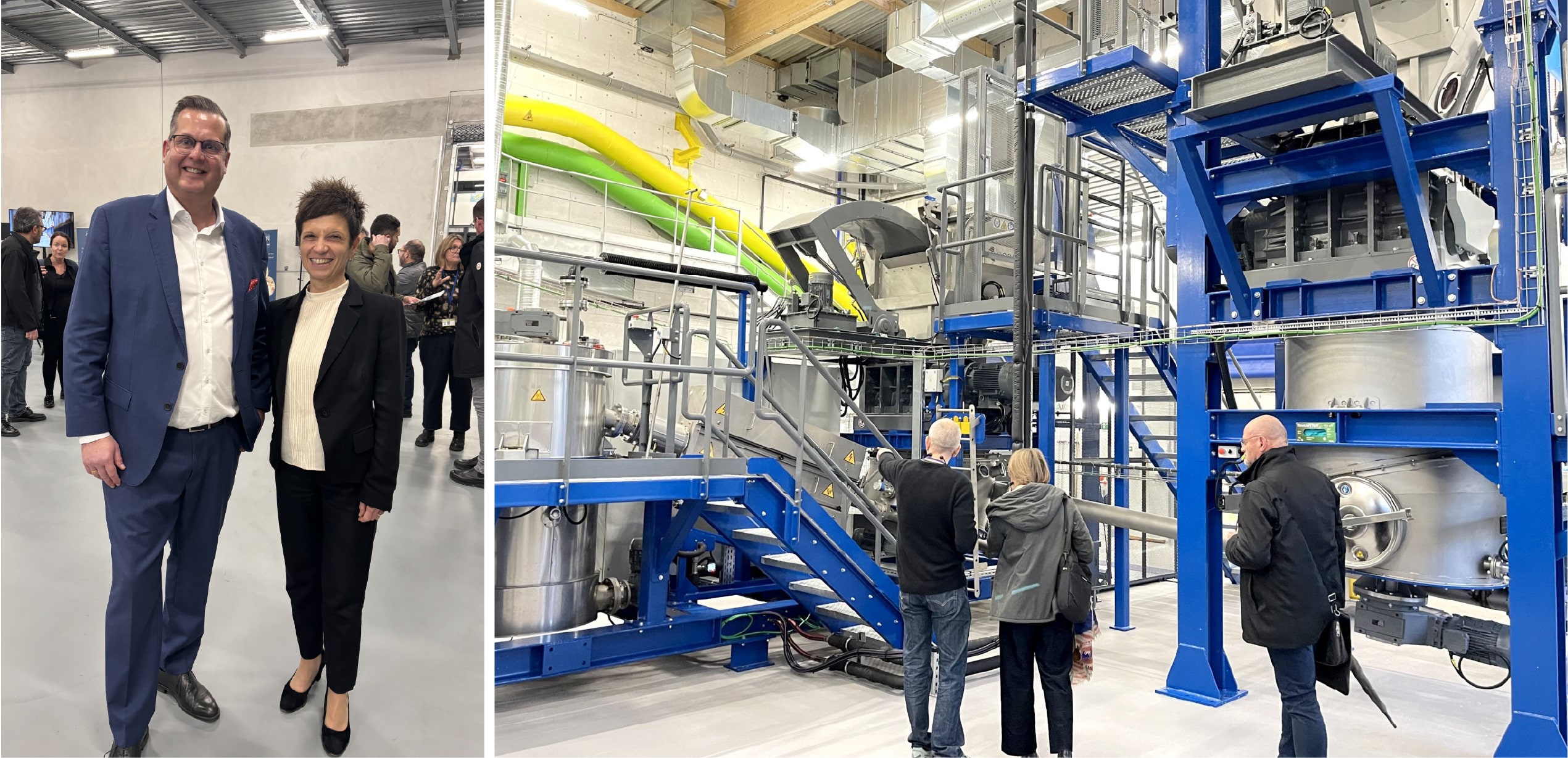
Joakim Karlsson, CEO Envac Group – Virginie Valentin, CEO CHU Rennes
Cost savings, improved safety and a reduced environmental footprint
The automatic waste collection system enables the hospital to reduce the cost of transporting and treating waste significantly, one of its most intensive logistics activities. According to CHU Rennes, the Envac system will allow the hospital to save around €400,000 per year compared to the traditional medical waste process, which is, on average, five times more expensive than conventional waste treatment. Additionally, by eliminating much of the manual handling, the system reduces the risk of infection and the physical strain on staff. The automation and on-site treatment of the infectious waste eliminates the hospital’s need for dangerous goods transportation within the neighbourhood, which also helps to significantly reduce the carbon footprint. There is a significant decrease in external truck journeys, while hundreds of thousands of internal goods transportations are optimised in the internal logistics.
The Envac system ensures a more hygienic and safer environment for patients, healthcare staff and visitors. By using a fully enclosed system, the hospital reduces the risk of contact with contaminated materials and the movement of loads through corridors and lifts, thereby lowering the risk of infections, accidents and cross-contamination. Moreover, touchless waste disposal points help to minimise staff exposure, thus reducing sick leave and/or workplace accidents.
Contingency, resilience and ability to adapt to sudden changes
Considering recent unrest, pandemics, and more frequent natural disasters worldwide, it has become increasingly important to design for contingency, resilience, and the ability to adapt to sudden changes. The Envac system has proven to have scalability and surge capacity to tackle unforeseen challenges.
The reduced need to rely on non-healthcare professionals enables the hospital to continue operating when these professionals need to attend to frontline work during war or natural disasters.
“We are very proud to be part of such an innovative project as the inauguration and commissioning of CHU Rennes’ state-of-the-art logistics platform. Through this project, Envac furthers its role as a leading technology partner in developing smart and sustainable waste management solutions, offering systems that prioritise safety, cost efficiency, and environmental responsibility.” Carlos Bernad, CEO of Envac Iberia and President of Envac EMEA.
For media enquiries, please contact: Rocío García Marketing Manager, Envac EMEA r.garcia@envac.es
Envac has been awarded the contract to supply an automated waste collection system for the final phase of the new main building at Oulu University Hospital (OYS) in Finland, supporting the OYS2030 vision for a highly functional, cost‑effective and sustainable hospital campus.
Celebrating 50 years beneath Roosevelt Island, Envac’s pioneering pneumatic waste system continues to set the standard for sustainable urban infrastructure. Installed in 1975 and still operating reliably today, it stands as a lasting example of innovation built to endure.