Infectious Waste Collection (IWC)

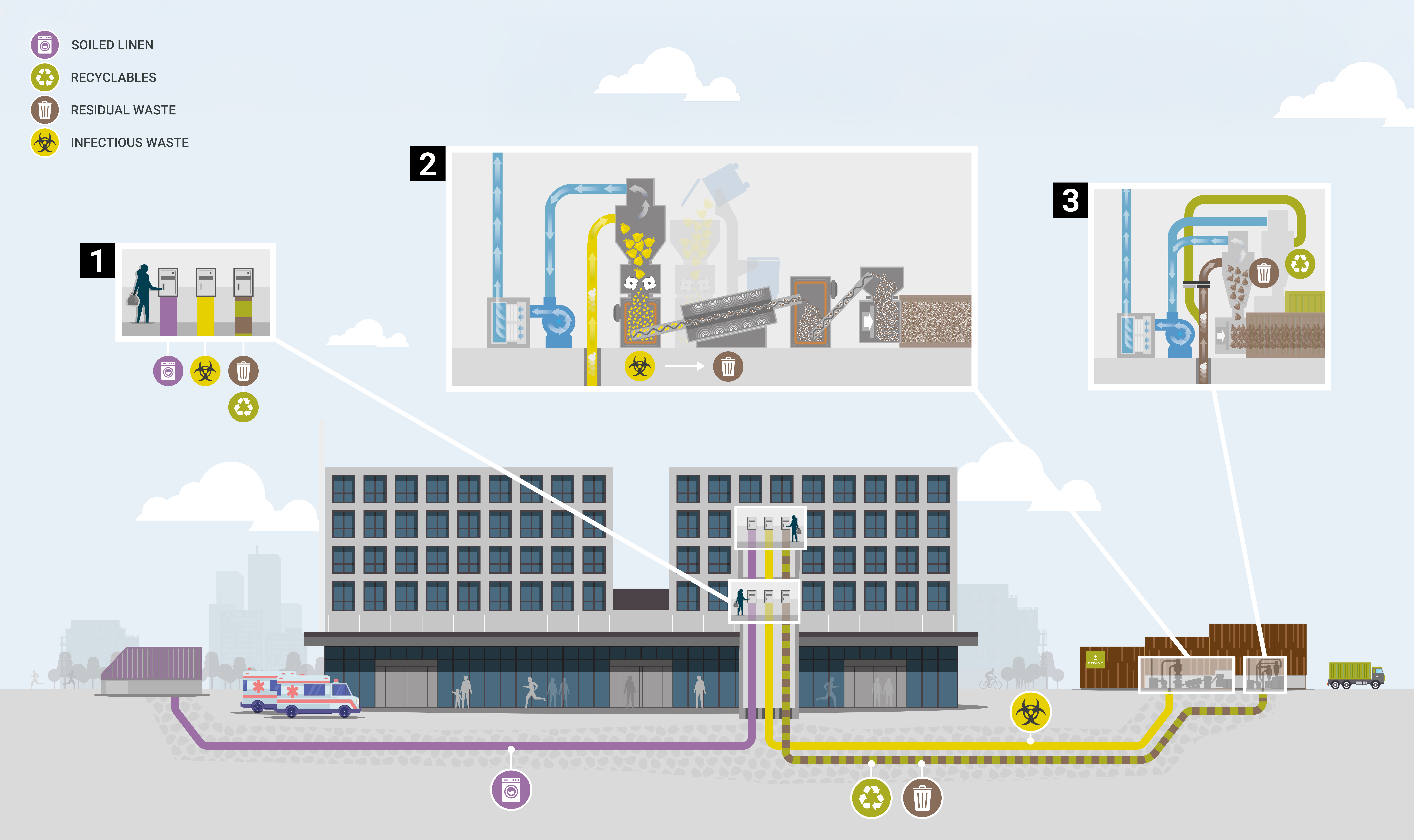
Envac IWC system is a dedicated pneumatic collection system engineered specifically for infectious and hazardous healthcare waste fractions.

Reducing the spread of infections with Envac Infectious Waste Collection (IWC)

Every year, hospital-acquired infections (HAIs) pose a serious risk to patient safety and cost hospitals millions in additional treatment, extended length of stay and lost capacity. Traditional waste handling processes, even when supported by various robot solutions, such as automated guided vehicles (AGVs) or autonomous mobile robots (AMRs), still rely heavily on staff availability, as well as the interim storage and transport of hazardous waste through corridors, lifts, and culverts/lower basement routes. This creates multiple risks for spills, contamination and exposure.

Envac’s Infectious Waste Collection (IWC) system is designed to break these transmission paths by simplifying the work for healthcare staff, enabling disposal close to the source, and completely automating the transport and treatment of infectious healthcare waste within a fully enclosed system. By combining pneumatic vacuum technology with strict segregation at the source, disinfection, and advanced filtration, IWC helps hospitals significantly reduce the risk of cross-contamination between waste, patients, staff, and the hospital environment.

A dedicated system for infectious healthcare waste

The Envac IWC system is a dedicated pneumatic collection system engineered specifically for infectious and hazardous healthcare waste fractions. It is configured as a completely separate network that does not share pipes or equipment with other Envac systems in the same hospital.

By design, the IWC system:

  • Handles infectious waste and defined related fractions through their own inlets, chutes, pipes, separator and filters.
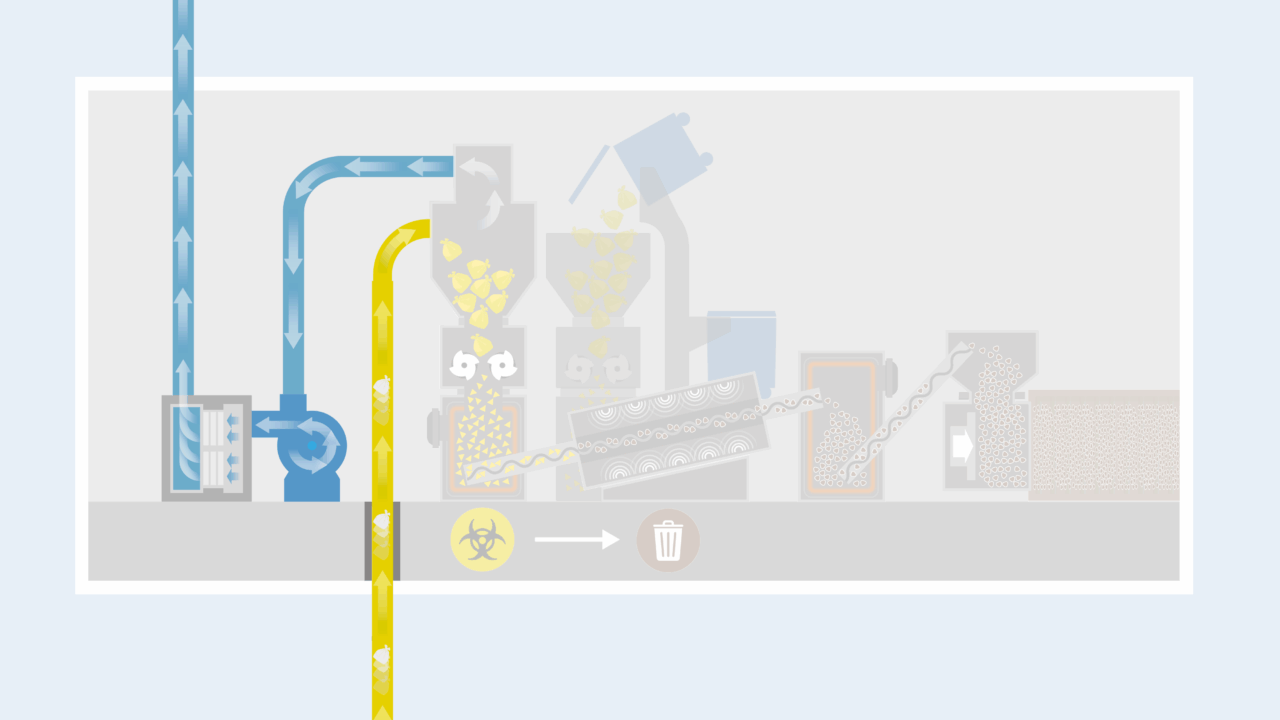
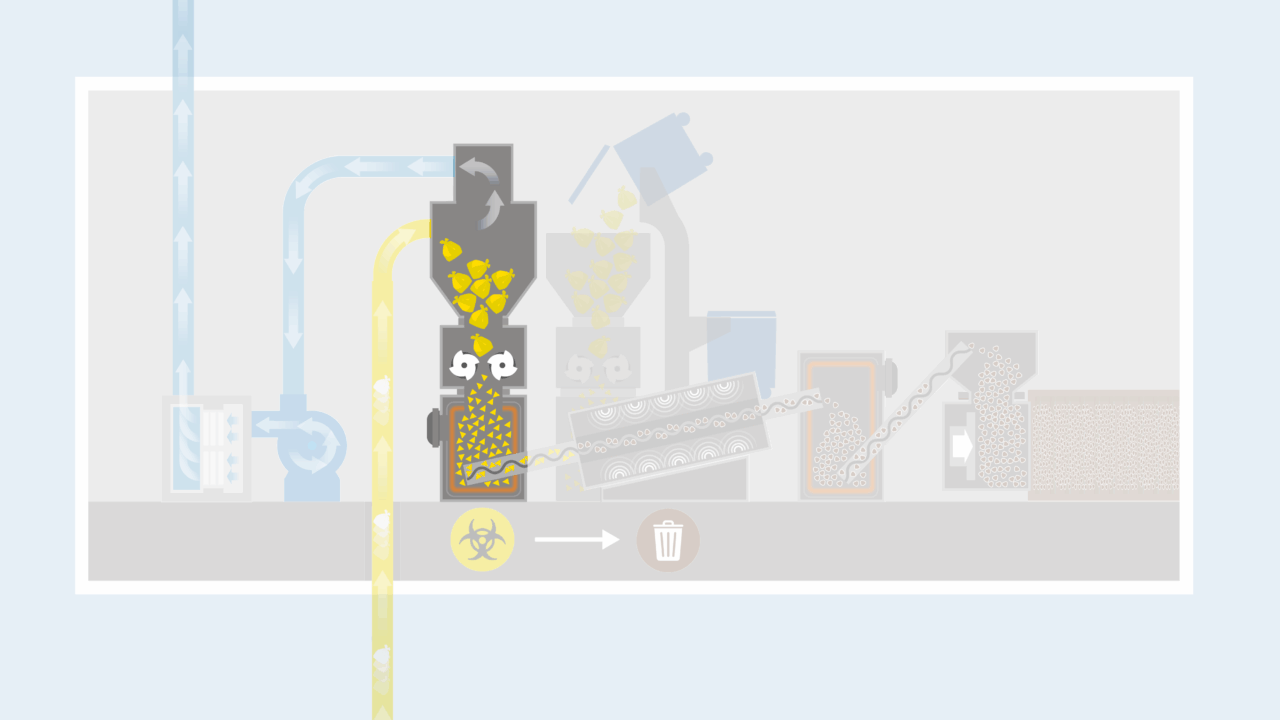
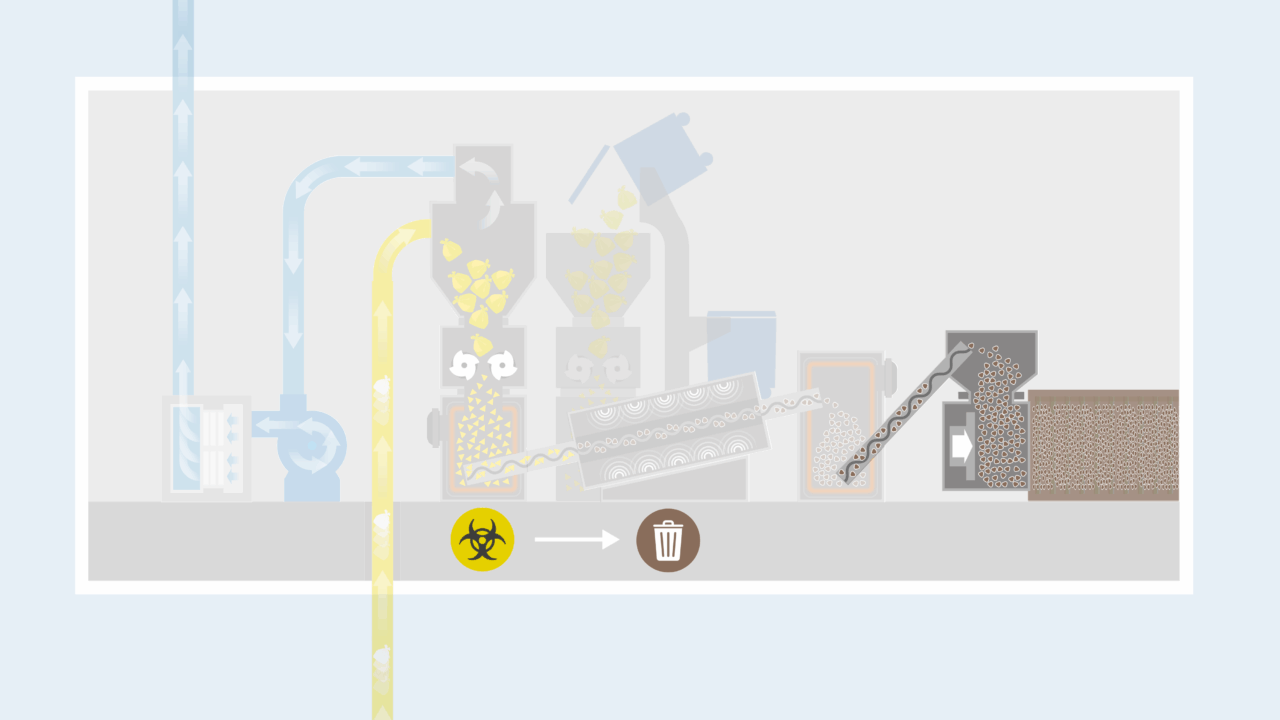
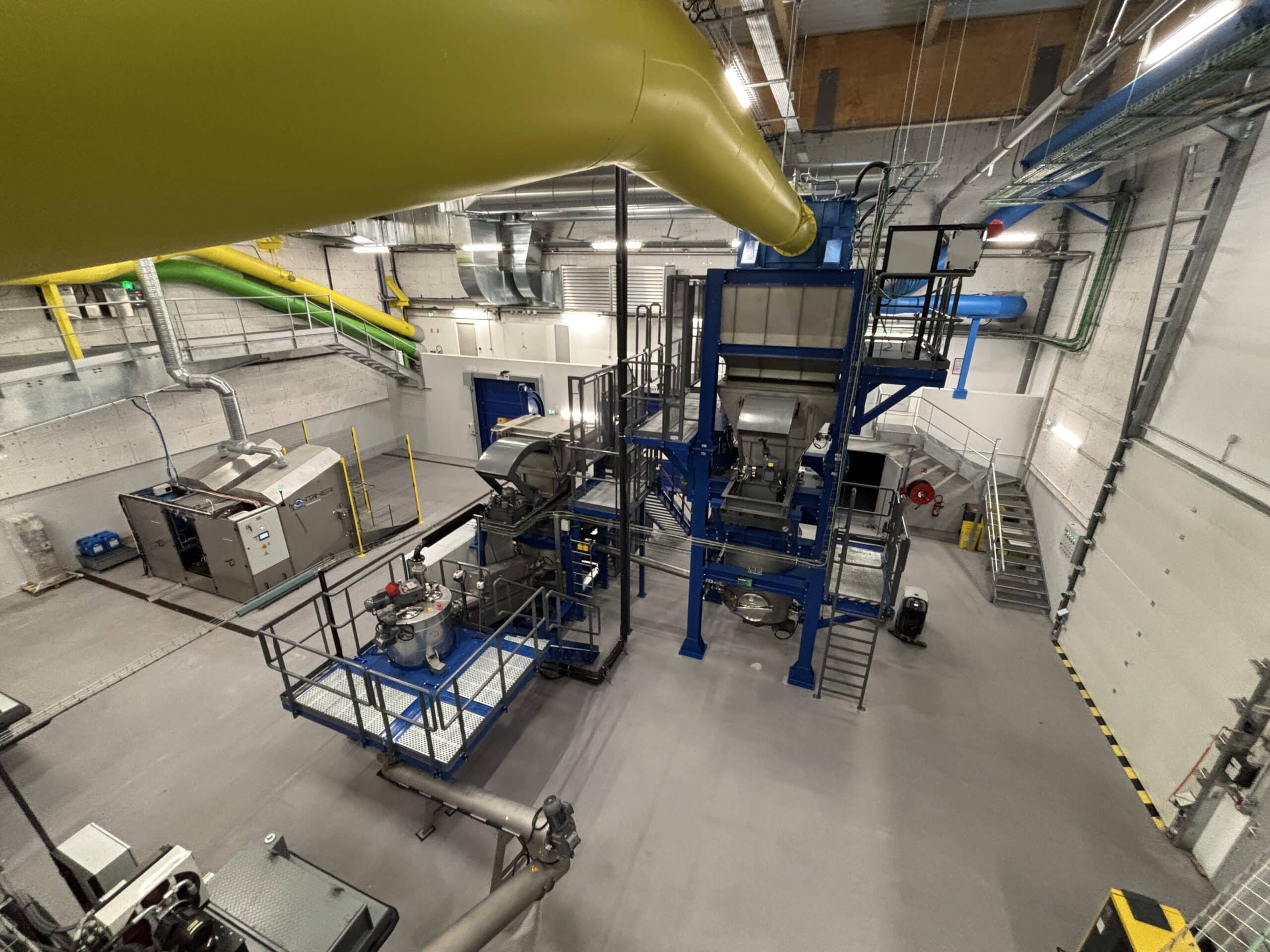
  • Converts infectious waste into an inactive residue through an integrated infectious waste process unit or on-site treatment technology.
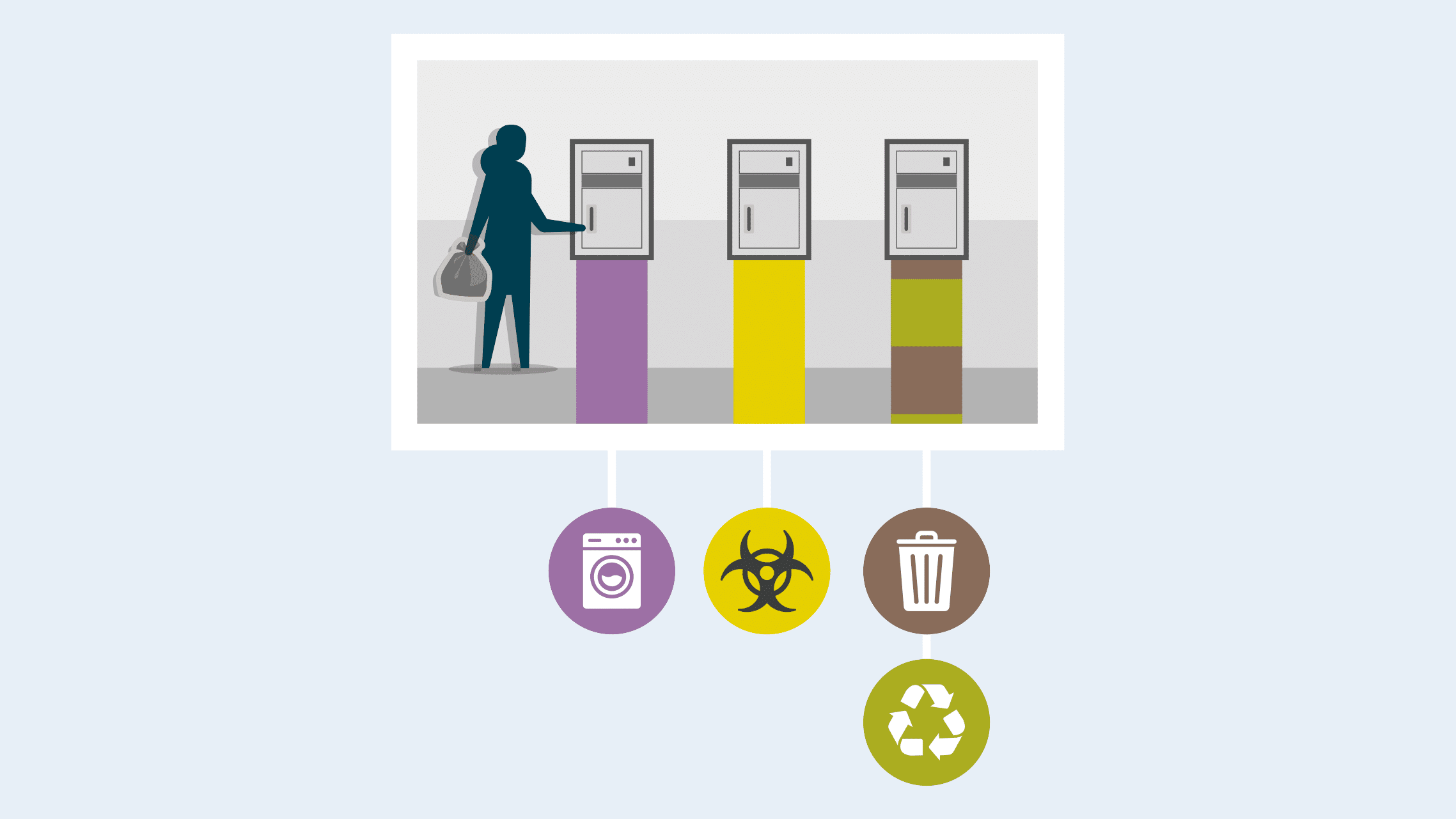
  • Supports WHO-aligned segregation of infectious, sharps and pharmaceutical waste at the point of generation.
  • Facilitates contingency planning, resilience, and adaptability for medical professionals facing unexpected changes, requiring extreme resourcefulness.
  • Eliminates expensive, heavy, regulated conventional transportation of dangerous waste from hospitals to external treatment plants.

By separating infectious waste from general healthcare waste streams and handling it in a closed, automated system, IWC addresses one of the most critical challenges for hospital-acquired infections: the movement and manual handling of contaminated materials.
Minimising human exposure and manual handling

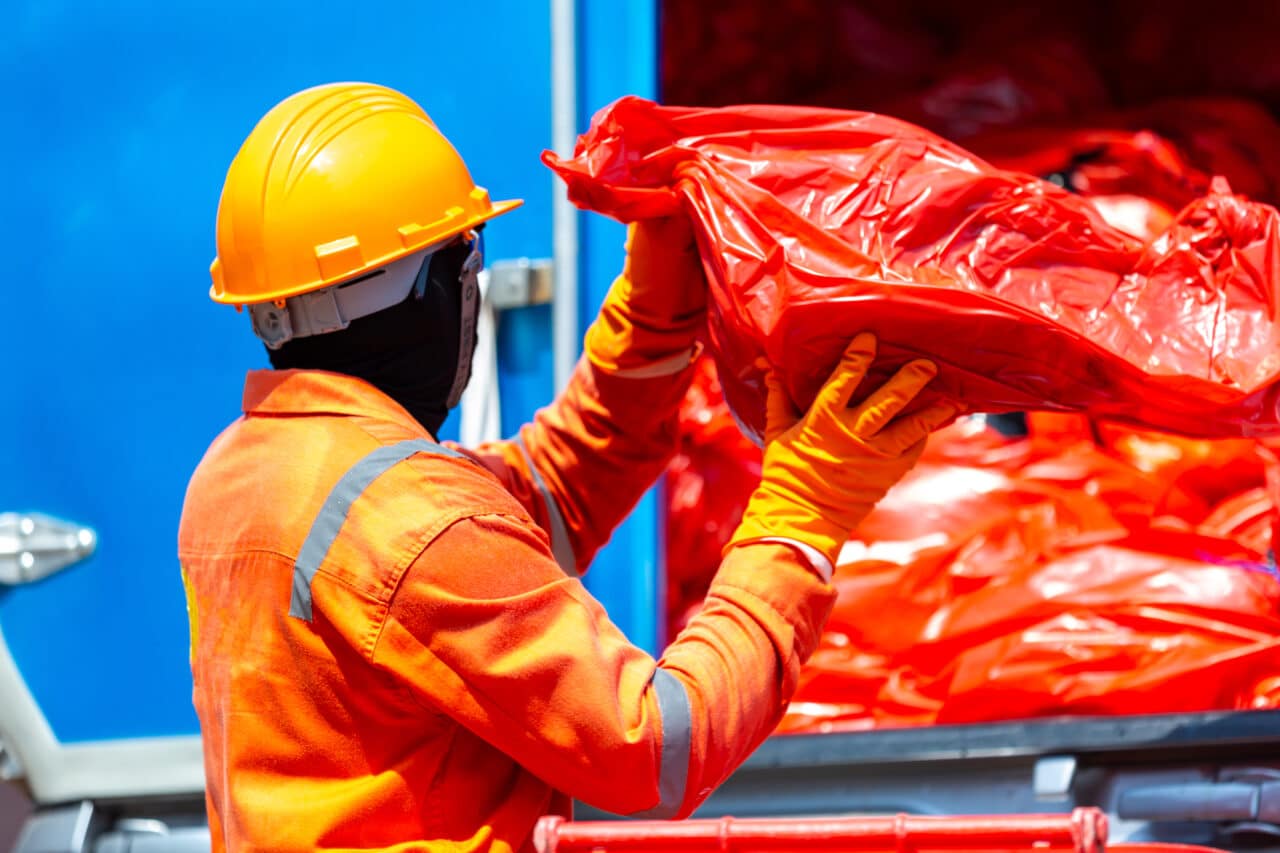
Traditional waste practices typically involve multiple manual steps: staff seal bags or containers in the wards, store them in interim rooms, move them on trolleys or carts, and transfer them to loading bays or compactors. Each transfer increases the risk of tears, leaks and accidental exposure to contaminated material.

With Envac IWC:

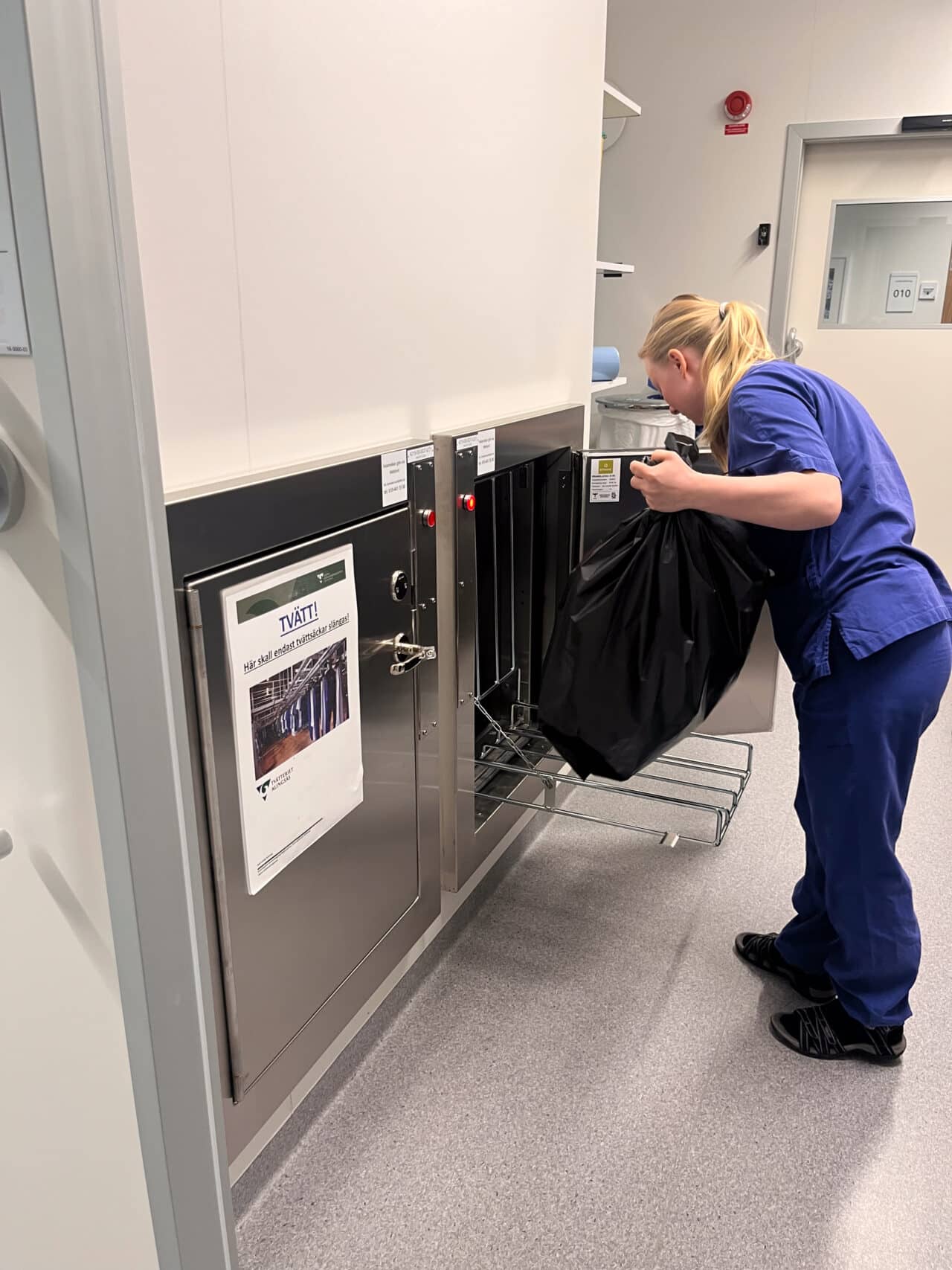
  • Staff place infectious waste in Envac-recommended bags and small approved containers, which are then securely closed to prevent opening during transportation or separation.
  • These bags are deposited into inlet hatches with double doors – a robust external commercial door and an internal sliding discharge door – creating a barrier between clinical areas and the pipe system.
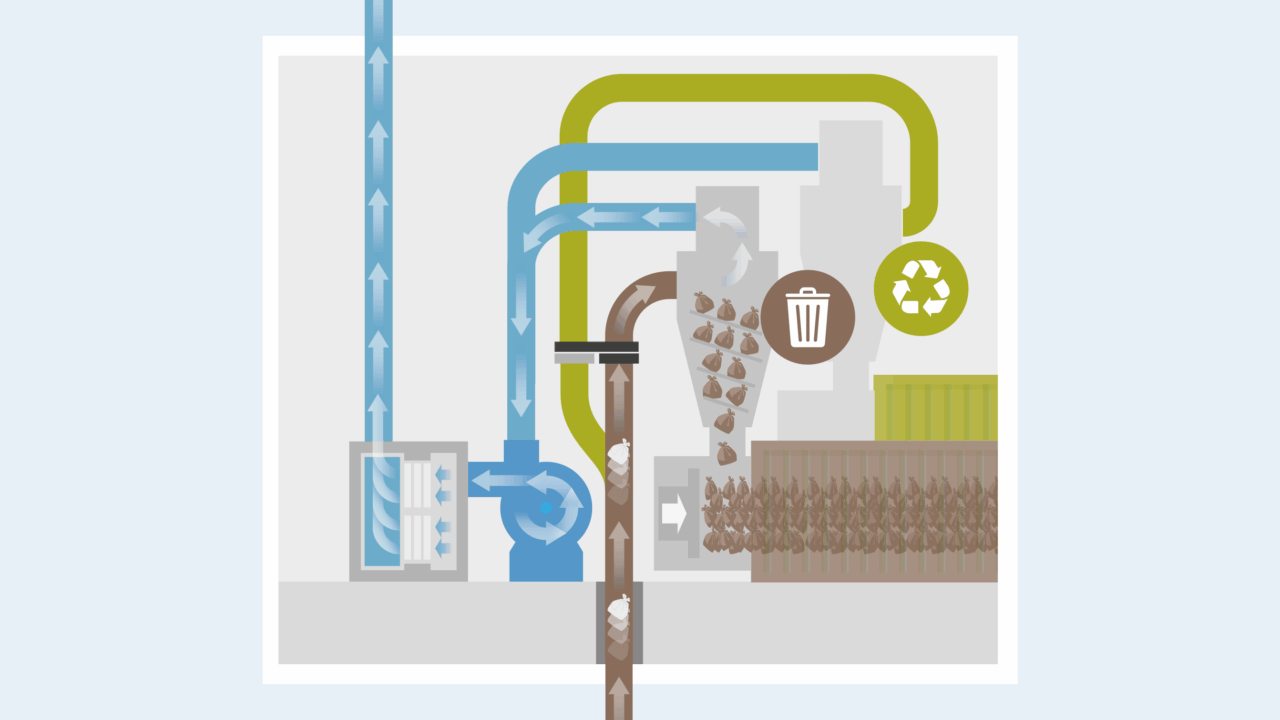
  • At set intervals, the system generates negative pressure in the pipes and automatically transports the bagged waste to a central collection station, eliminating the need for trolley-based internal transport of infectious waste.

Bagged waste is transported in a sealed pipe network rather than through lifts and corridors; the risk of spills, contamination of high-traffic areas, and exposure to staff and visitors is significantly reduced. This significantly helps maintain a clean environment in both patient wards and technical areas.

0%

reduction in bacteria

Investigations conducted in hospitals utilising Envac systems have indicated that automated waste collection can reduce the risk of microbial presence compared to traditional waste collection methods.

Preventing cross-contamination in high-risk areas

Envac IWC helps prevent cross-contamination by:

  • Keeping hazardous healthcare waste inside closed bags and fully enclosed pipework from the moment it occurs in the ward until it reaches the treatment unit.
  • Eliminating open transport of infectious waste through patient and staff areas reduces the chance that bacteria or viruses are spread via surfaces or air currents.
  • Reducing the need for intermediate storage rooms filled with hazardous waste bags, which often concentrate odours and pose a risk if not managed perfectly.

Beyond avoiding exposure during transport, IWC focuses on actively reducing the infectious potential of the waste and any air associated with it

The combined effect is to minimise the release of pathogens into the hospital environment and to ensure that infectious waste is rapidly converted into an inactive residue, rather than remaining untreated in storage rooms or awaiting external transport. The system integrates:

Disinfection processes

Such as ozone-based disinfection, aimed at reducing or eliminating viruses and bacteria within the system.

Advanced filtration

Exhaust air typically includes multiple filter stages and HEPA filtration before being released from the system.

Safe transfer

From the separator to a sealed bag conveyor leading to an on-site waste-to-energy or sterilisation unit, operating under negative pressure.

French hospital saving approx. €400,000 per year with on-site sterilisation

CHU Rennes University Hospital in France, Envac has installed a system that transports type III sharp, infectious waste (such as scalpels, needles and other sharp metal instruments capable of transmitting disease) to an on-site treatment unit. According to CHU Rennes, the Envac system will allow the hospital to save around €400,000 per year compared to the traditional medical waste process, which is on average five times more expensive than for conventional waste. By automating both the transport and the segregation of this high-risk fraction, the hospital has minimised manual handling and risk of injuries and infections.

Game-changing Waste Linen IWC KitchenLinen
Collection for Healthcare

Want to know more!

Infectious Waste Collection is part of our healthcare solution. Contact us to learn how we can assist your healthcare facility.