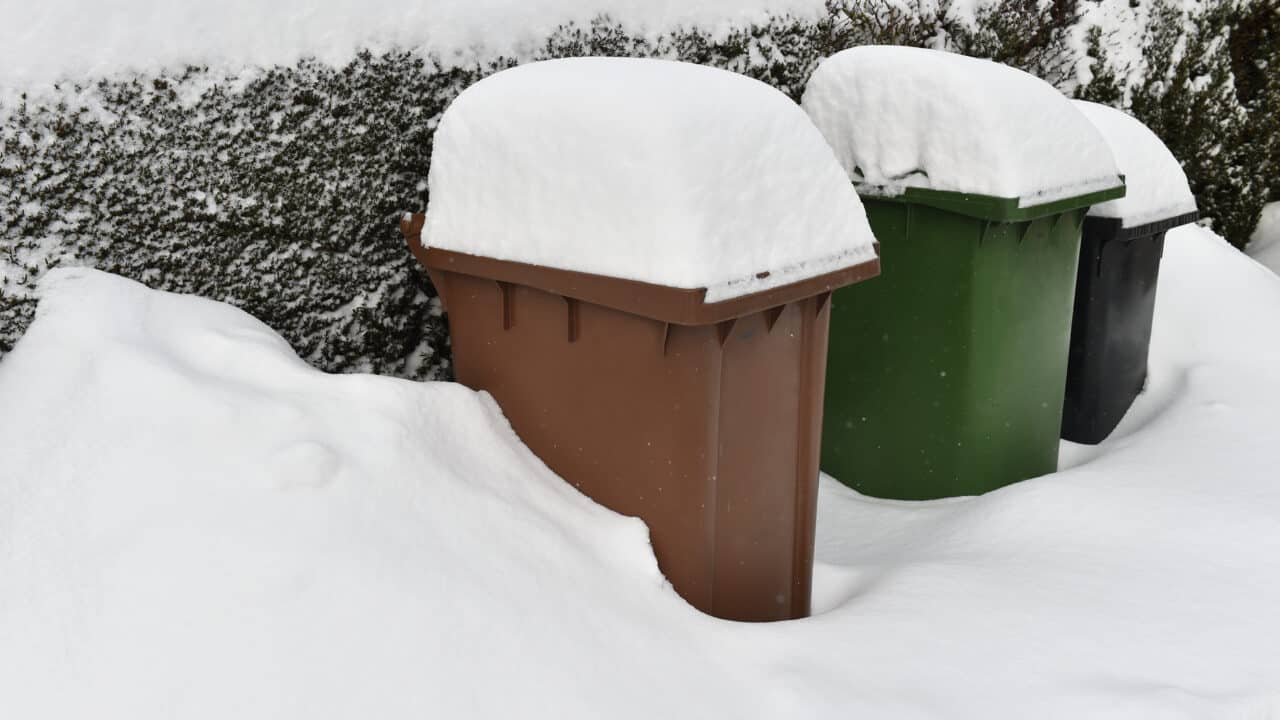
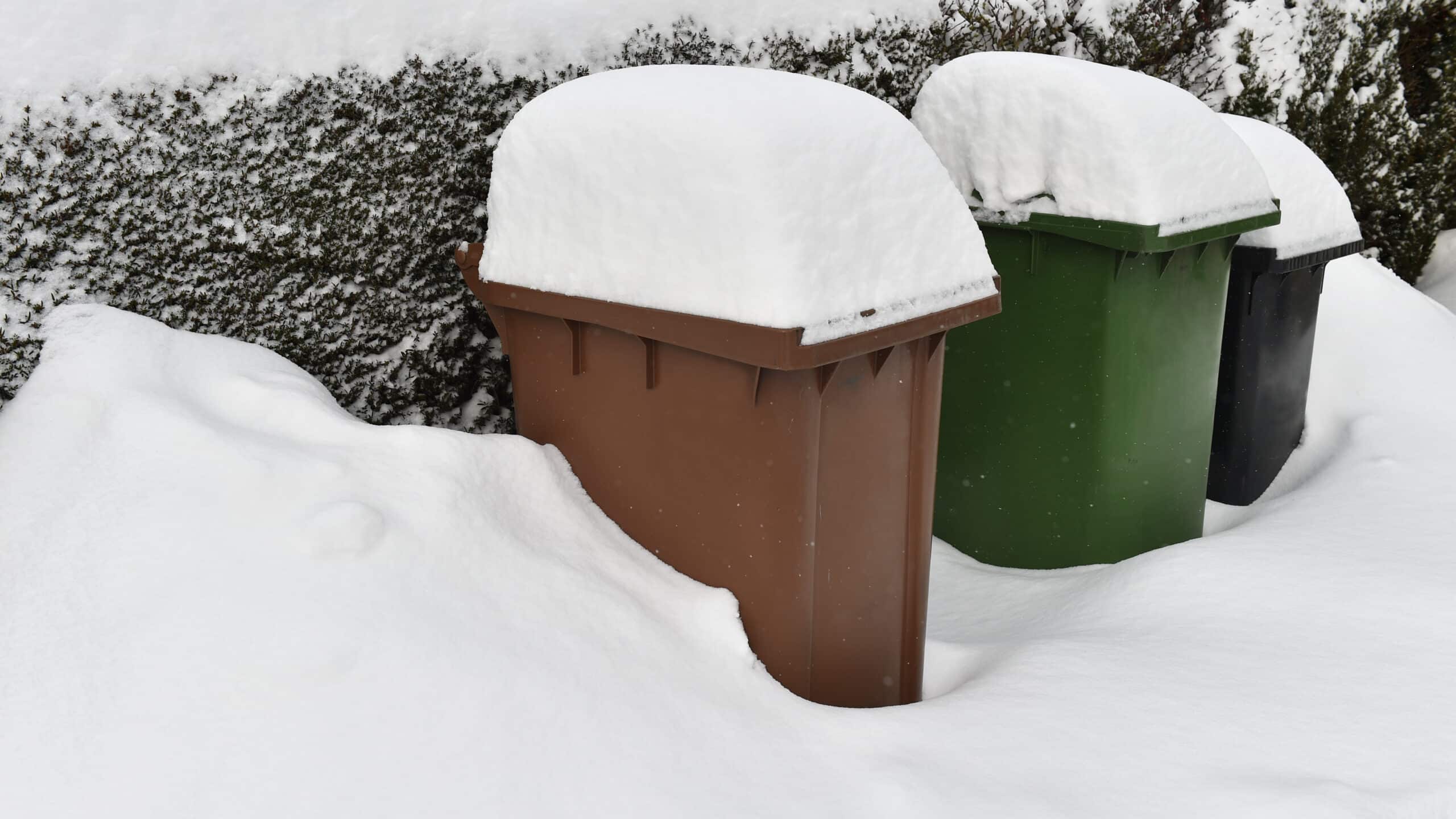
The recent snow chaos in Sweden was a clear reminder of how vulnerable a traditional, vehicle-heavy waste system is. When roads are buried in snow, snowbanks build up and vehicles get stuck, it immediately affects something as fundamental as being able to get rid of your waste. The result is overflowing bins, extra collection rounds, overtime work and residents who are forced to “wait before taking out the rubbish” because the collection simply has not made it through.
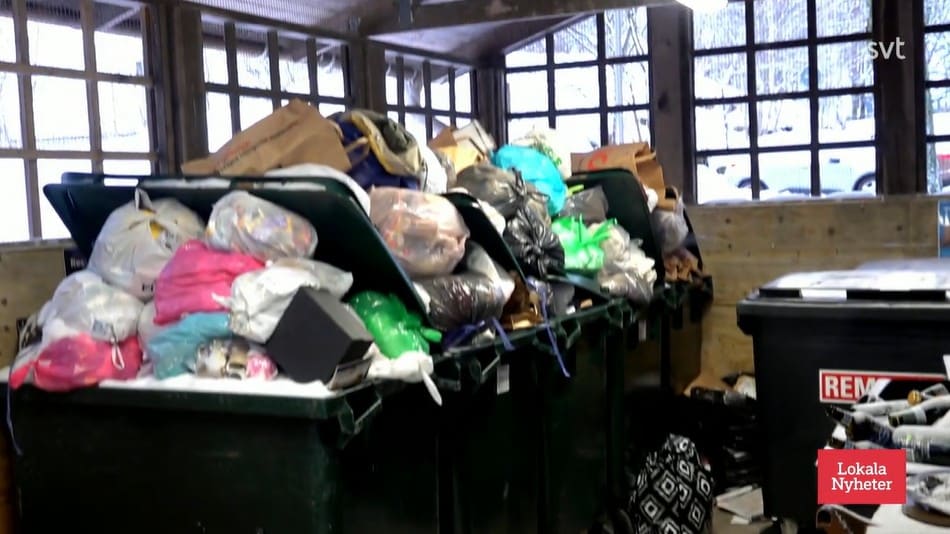
In several parts of Gothenburg, a very large share of bins have not been able to be emptied as planned, partly due to snowbanks and difficult-to-access streets. At the same time, everyday life indoors goes on: people are working from home, children are off school, and more meals are being cooked at home. Waste does not stop being produced just because the wheels on the lorries stop turning. On the contrary, the amount of household waste often increases precisely when the weather is at its worst.
This is where we need to shift the perspective from “waste collection as a logistics service” to “waste management as critical infrastructure”. In the same way that we plan electricity grids, water supply and public transport to withstand disruptions, waste systems must also be sized and designed to function when the weather is at its worst, not only when everything is running smoothly. A city where waste management fails after a few days of heavy snow quickly becomes a less pleasant, less hygienic and, ultimately, less resilient city.
Vacuum waste system: underground, beyond snowbanks and access problems
A vacuum waste system tackles this vulnerability at its root. Instead of building the entire collection process on heavy vehicles having to reach every individual property, the waste is transported in sealed underground pipes using vacuum, from inlets in buildings or courtyards directly to a central collection station. This moves the most weather-sensitive stage – the actual collection at each doorway – into a protected, automated system.
In extreme weather, the difference becomes clear in practice. A vacuum waste system means that collection is not dependent on snowbanks being cleared in front of every bin, that refuse lorries do not need to manoeuvre in the same way along narrow, unploughed residential streets, and that the flow of waste can continue largely undisturbed even when other traffic has come to a standstill.
For residents, this means fewer overflowing bins,
less littering around waste collection points, and a safer, more hygienic
local environment, even after several days of severe weather.
For the municipality and the waste management organisation, a vacuum waste system means fewer emergency call-outs, less need for improvised extra rounds, and a lower risk that delays in waste collection grow into a major problem that takes a long time to clear. Instead of “chasing to catch up” after every bout of severe weather, more of the capacity can be devoted to planned, efficient operations.
A vacuum waste system is therefore more than a convenience solution. It is a way to make waste management less weather-sensitive, free up capacity in waste collection resources, and at the same time create an urban environment where waste management works just as reliably on a snowy Thursday in January as on a sunny day in June.
The working environment perspective must not be forgotten when snow and ice make waste collection more difficult. When roads and courtyards are not cleared, or when containers are placed out of reach behind snowbanks, waste collection workers are forced to take significant risks, haul heavy loads over long distances and work in unsafe traffic environments. This not only leads to delays and frustration, but also to an increased risk of falls, musculoskeletal injuries and stress-related ill health. By planning buildings and waste systems so that waste can be collected mechanically and from safe, well-cleared locations – for example via vacuum waste collection solutions – the dependence on manual collection in exposed environments is reduced. In this way, everyday life becomes safer for both waste collection workers and residents, while ensuring that waste can still be managed even when the weather puts everything to the test.
Roosevelt Island – robustness stress-tested in real life
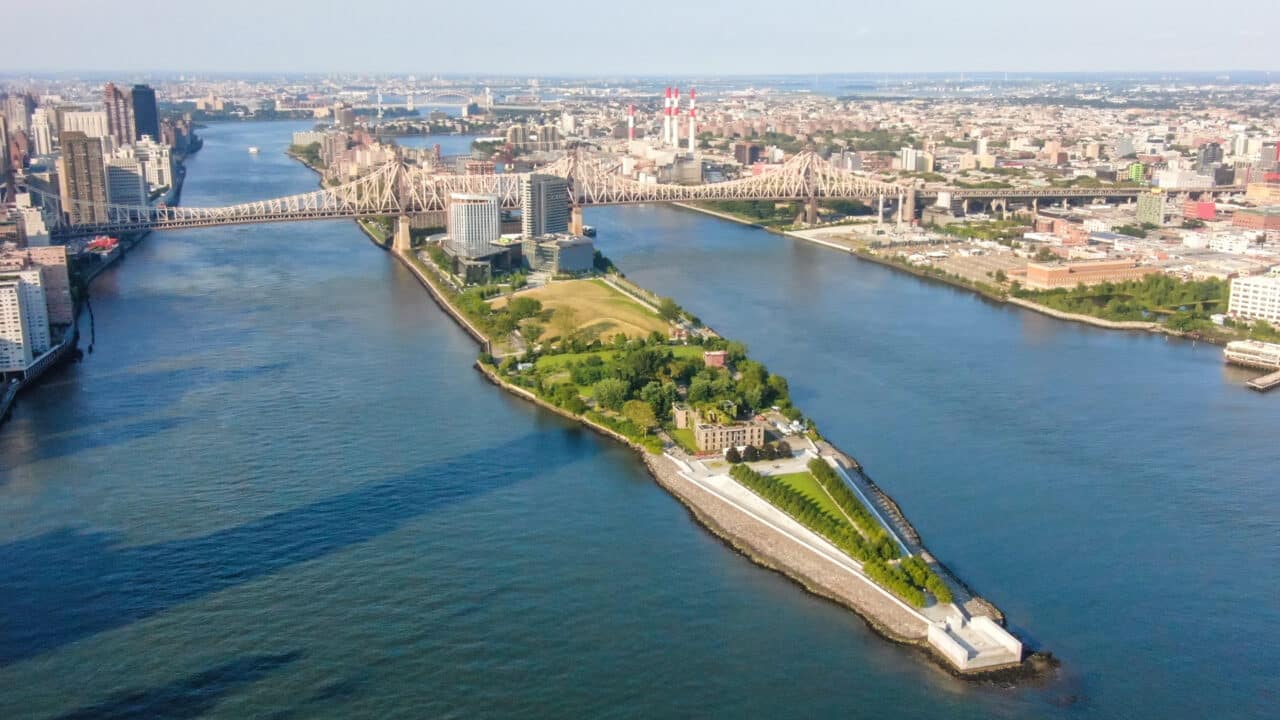
One of the clearest international examples of how robust vacuum waste systems can be in practice is found on Roosevelt Island in New York. There, Envac has delivered and operated an automated waste collection system that forms the central infrastructure for the island’s household waste. The system has been running for over 50 years!
The most telling stress test came during Hurricane Sandy in 2012. While large parts of New York’s public services were under severe pressure and some functions were knocked out, waste collection on Roosevelt Island continued without interruption. The system did not stop even during one of the most talked-about storms in the city’s modern history. For the island’s residents, this may only have been noticeable in that the waste chutes continued to work as normal, but behind the scenes it is precisely this kind of continuity that distinguishes a robust system from a vulnerable one.
Roosevelt Island also shows how such a solution can span generations. A system that was originally built several decades ago has not only reached its planned lifespan, but has been modernised so that it can continue to be the hub of the island’s waste management. It is a concrete example of how investments in automated waste collection can deliver returns in the form of operational reliability, hygiene and future-proofing, even as the climate becomes more unpredictable.
A tool for climate-resilient cities
For Nordic cities, extreme weather is not only about heavy snowfall, but also cloudbursts, ice, heatwaves and strong winds. All of these affect vehicle access, the working environment for waste collection staff, and the costs of traditional waste collection. As more and more people live in dense urban areas, streets are heavily used and land needs to be utilised more intelligently, it becomes even more important that waste systems are robust, space-efficient and future-proof.
By integrating vacuum waste systems into urban planning from the outset, cities can both reduce their vulnerability to weather and other disruptions, and at the same time free up land that would otherwise be used for large waste rooms, bin storage areas and turning zones for heavy vehicles. Less heavy traffic in residential areas also means less noise, fewer emissions and safer environments for pedestrians and cyclists – something that becomes particularly valuable when the weather already makes traffic conditions more hazardous.
When the next snowstorm, severe weather event or societal disruption comes – and it will – the goal is for waste management to be the least of the city’s problems. Underground, the vacuum system can continue to do its job: quietly, automatically and largely independent of whether it is sunshine, rain, storm or snow chaos. For residents, municipalities and property owners, it is precisely this kind of invisible reliability that helps build a more resilient, climate-adapted city.
- Vacuum waste systems make waste management less sensitive to weather and keep the flow running even during snow chaos and other extreme weather events.
- By moving the collection underground, the need for heavy vehicles on residential streets is reduced, resulting in fewer disturbances, lower risks and a better living environment.
- As part of the city’s critical infrastructure, vacuum waste systems contribute to a more resilient, climate-adapted and long-term sustainable city.
Sources
SVT Nyheter – om förseningar i sophämtningen i Göteborg efter snöoväder
Göteborgs-Posten – om omfattande problem med tömning av sopkärl efter snöfallet
Förbannad sophämtare: ”Vi kommer inte fram”
Efter snökaoset: Nu får 1000 hushåll äntligen sina sopor tömda