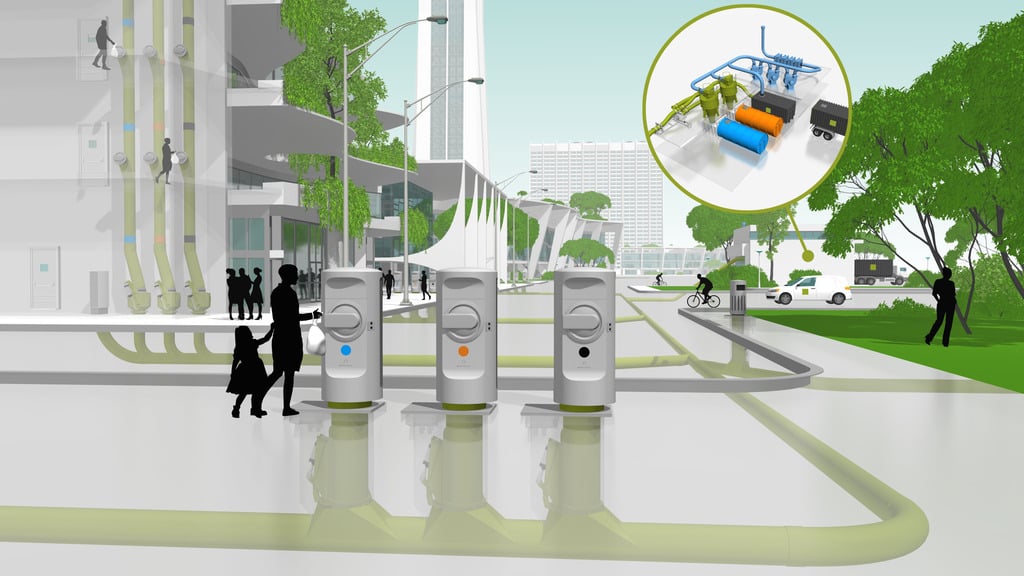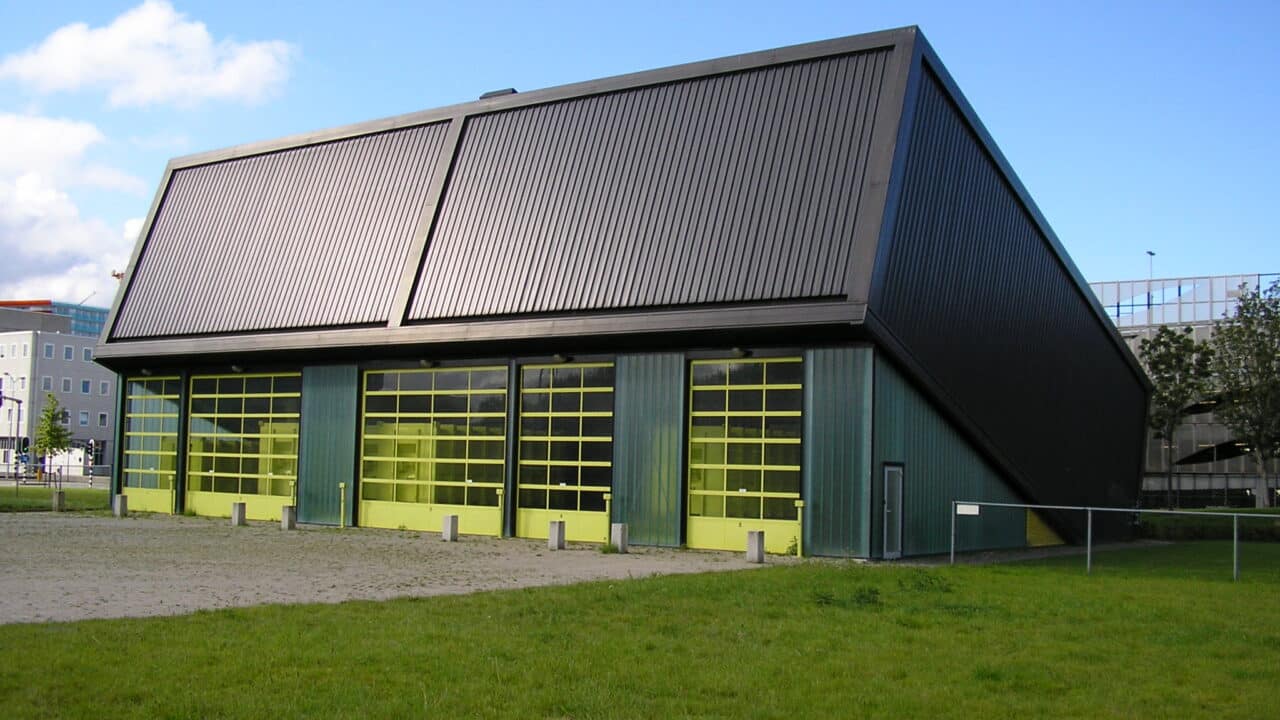
In recent years, cities worldwide have been seeking innovative solutions to manage waste more efficiently, reduce pollution, and improve the quality of urban life. Envac Automatic Waste Collection System (AWCS) is a practical approach to managing urban waste. The system not only streamlines waste management processes but also brings a multitude of benefits to urban environments, making cities cleaner, safer, and more sustainable. Below, we explore the key advantages of implementing an AWCS.
Efficiency in Waste Management
The AWCS simplifies the waste collection process by automating it, significantly reducing the need for manual labour. This automation makes waste management more efficient, allowing for quicker and more reliable waste collection.
Mitigation of Traffic Congestion
By eliminating the necessity for traditional garbage trucks to enter residential areas, the AWCS plays a crucial role in reducing traffic congestion. This contributes to smoother urban mobility, with fewer interruptions and delays caused by waste collection activities.
Significant Reduction in Emissions
The decreased reliance on waste collection vehicles directly translates to lower carbon emissions. Without the regular operation of these vehicles, the AWCS supports cleaner air and advances environmental sustainability, aligning with global efforts to combat climate change.
Improved Safety in Urban Areas
Removing bulky waste collection vehicles and collection bins from residential zones minimises the risk of accidents involving pedestrians and cyclists and contributes to a safer and more secure urban environment.
Optimisation of Urban Space
The AWCS reduces the need for traditional waste bins and dumpsters on streets, freeing up valuable urban space. This space can be repurposed for more beneficial uses, enhancing the urban aesthetic and cleanliness.
No Odour and Better Hygiene
With waste being transported through sealed underground pipes, the AWCS effectively contains odours and improves overall urban hygiene. This makes cities more livable and attractive to both residents and visitors.
Reduction in Noise Pollution
The AWCS’s quieter operation, compared to traditional waste collection methods, significantly reduces noise pollution. This contributes to a more peaceful and enjoyable urban atmosphere.
Focus on Recycling Efforts
By separating recyclables from general waste, the AWCS improves the efficiency of recycling programs. This not only supports environmental sustainability but also promotes a culture of recycling among urban populations.
Future-Proofing Urban Infrastructure
As urban areas continue to grow and evolve, the AWCS’s flexibility allows it to adapt to changing needs and population densities without requiring significant infrastructural changes. This positions the AWCS as a forward-thinking solution that can meet the waste management needs of future generations.
In conclusion, the Automatic Waste Collection System significantly advances urban waste management. The AWCS paves the way for smarter, cleaner, and more livable cities by addressing key challenges such as efficiency, safety, and environmental sustainability.