
90%
less CO2 emissions from heavy collection vehicles

Cleaner streets, fewer heavy collection vehicles and no overflowing waste bags – Envac’s innovative automated waste collection systems help cities, boroughs and councils create safer, quieter and more sustainable places to live.
With Envac, cities, boroughs and councils can eliminate kerbside waste collections, allowing residents and visitors to enjoy cleaner air, quieter neighbourhoods and far less traffic congestion. Whether in new developments, historic city centres or retrofit projects, Envac’s Automated Waste Collection System (AWCS) offers a wide range of advantages over conventional collections by heavy waste vehicles.
By installing the Envac system, the need for heavy waste transport in an area can be reduced by up to 90%, leading to fewer collection vehicles and traffic jams, a safer and more walkable environment, lower noise levels and reduced carbon emissions. The hermetically sealed, sensor‑driven system – with optional touchless access – prevents litter overflow, does not attract rats or other pests and avoids unpleasant odours.
By removing bulky vehicles and bins from residential streets and public spaces, Envac also reduces the risk of accidents involving pedestrians and cyclists, while its sleek, modern inlets help create more attractive surroundings and free up valuable space for additional amenities, services or green areas.
less CO2 emissions from heavy collection vehicles

6 different waste fractions are managed, increased recycling rates

availability, even in challenging weather
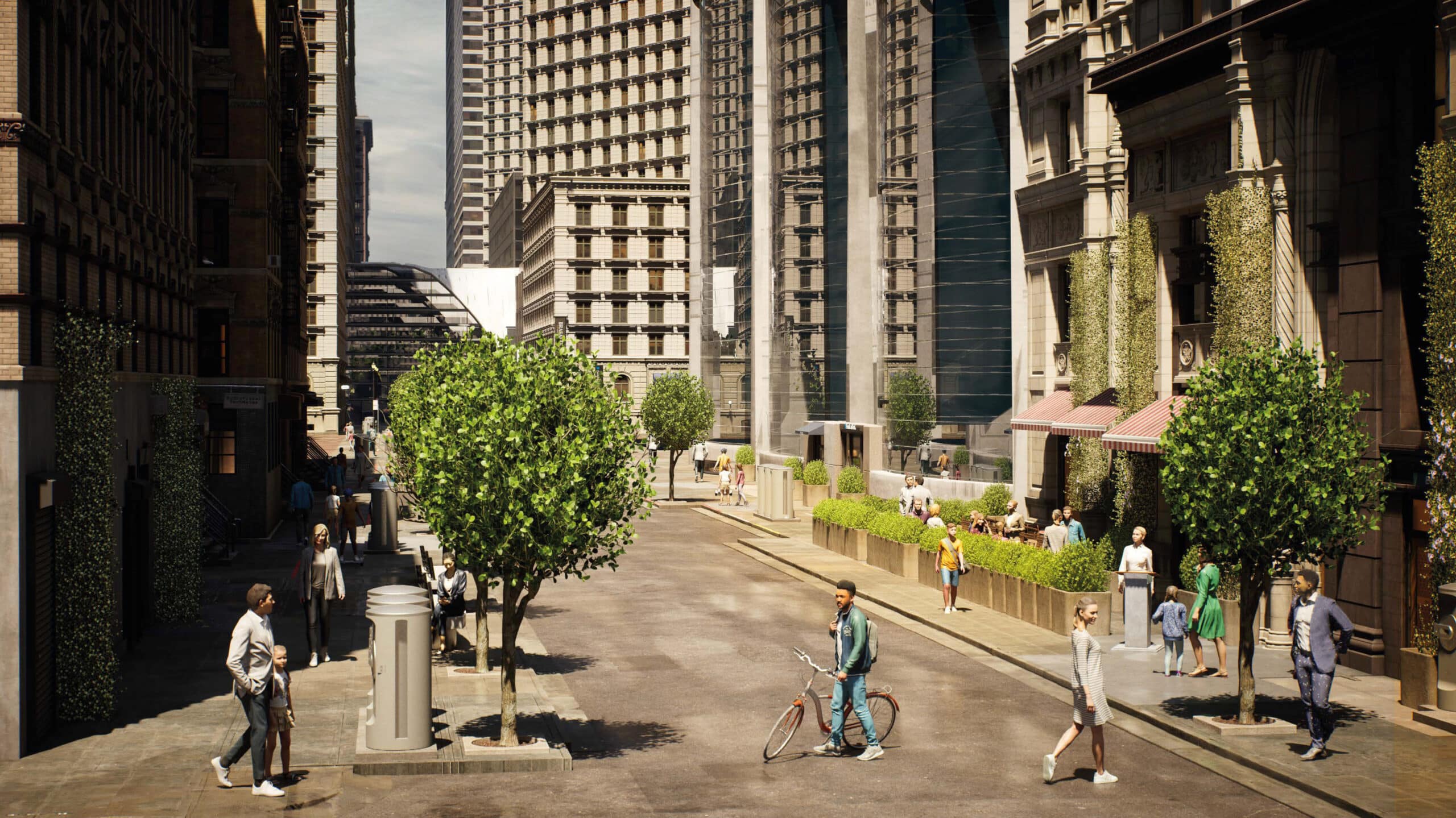
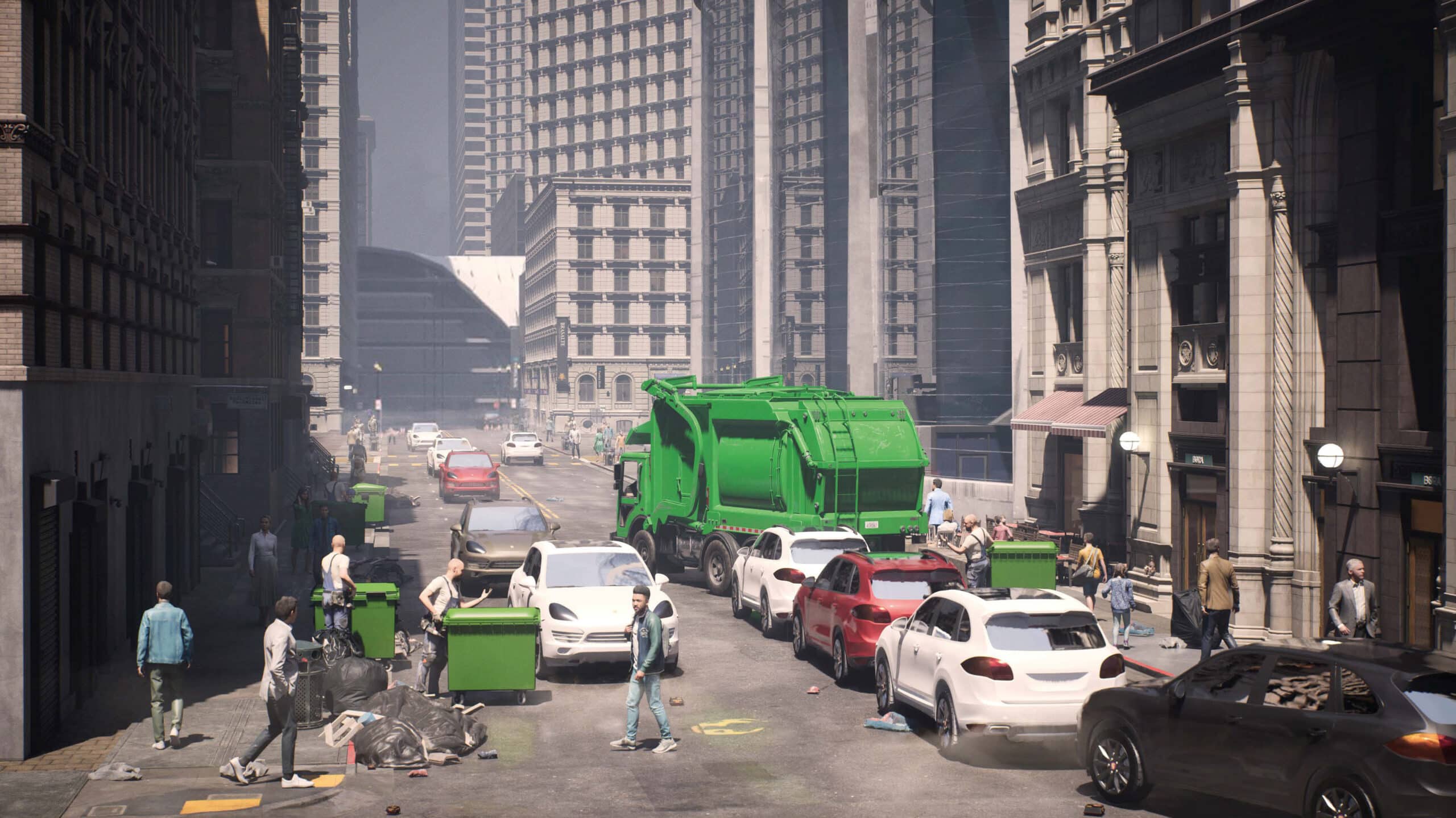
Public space freed up for parking and other uses.
Excessive public space occupied.
More room for shops and shared facilities within buildings.
Need for waste storage areas within buildings.
Cleaner cities, with up to 90% reduction in noise and emissions.
High levels of noise and environmental pollution.
No more pests, vermin, or odours due to overflowing bins.
Dirtier cities, with overflowing bins attracting pests, vermin, and causing unpleasant odours.
24/7 access to waste inlets – improving quality of life and user satisfaction, even during unprecedented times.
Dependence on rigid and inefficient waste collection schedules.
Better use of communal areas and more green spaces.
Underused communal areas.
Collection routes were reduced by 92%, increasing road and pedestrian safety.
Increased traffic and reduced road and pedestrian safety.
Installing Envac’s pneumatic waste collection system can reduce waste collection vehicle trips by up to 90% and cut the space required for waste storage in buildings by more than 70%. Imagine what you could do with the space you free up – from additional amenities to more lettable area or green space. Use our calculator below to estimate your potential space savings.
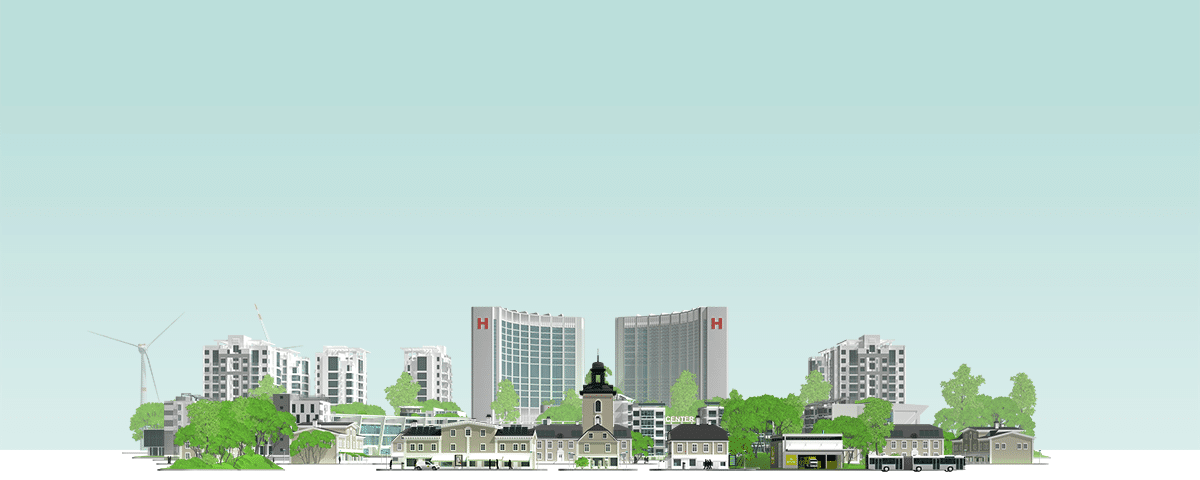

Cities and regions that use the Envac system have seen their transport emissions from waste collection plummet. The pneumatic waste collection system, with its automated, centralised, and quick collection, promotes health, well-being, and broader sustainability goals.
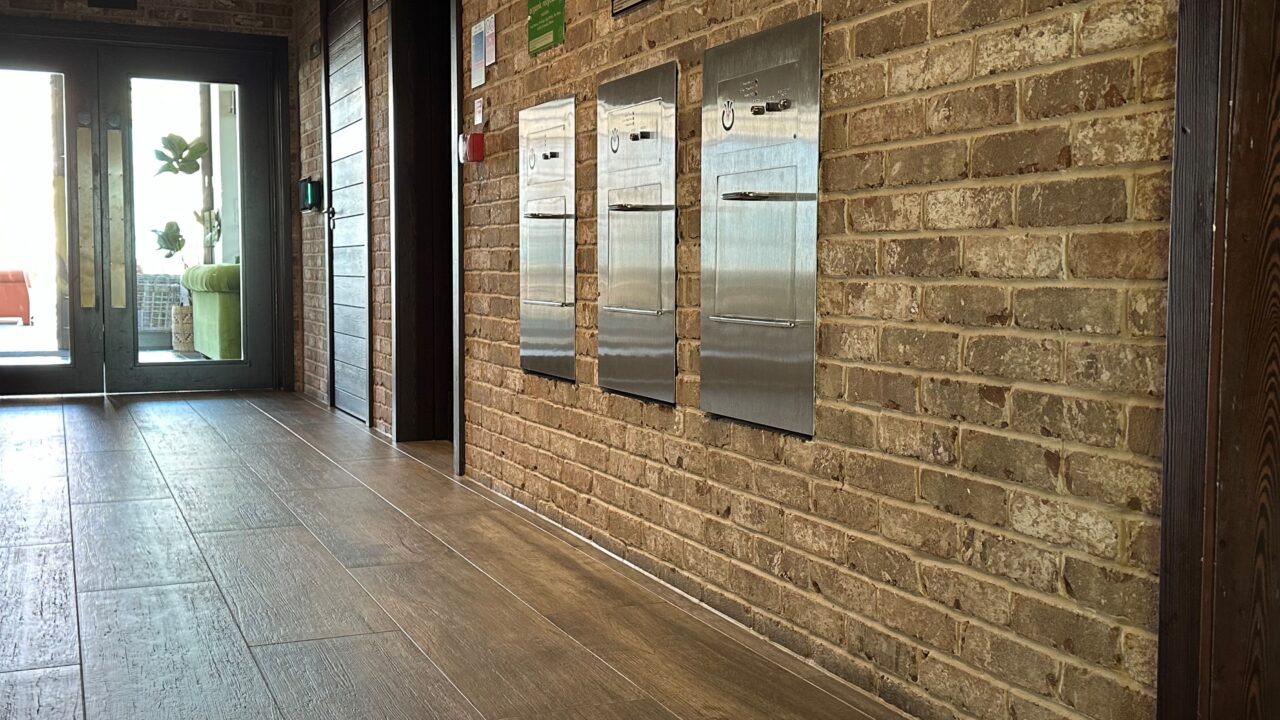
According to the to the UN’s 2024 Global Waste Management Outlook, the direct cost of municipal solid waste collection is around €143 billion a year worldwide. Automated waste collection cuts manual labour and related costs by streamlining the process and making collection more efficient, predictable and cost‑effective.
Operating around the clock, it is far less vulnerable to disruption from strikes, severe weather or pandemic‑type events.
Unlike traditional city waste collection, which is rarely driven by data, the Envac system continually adapts to local needs. Sensors measure fill levels and provide real‑time monitoring so waste is only collected when required, avoiding both overflow and unnecessary rounds.
Councils can use these insights to optimise performance, improve planning and design more targeted recycling initiatives.
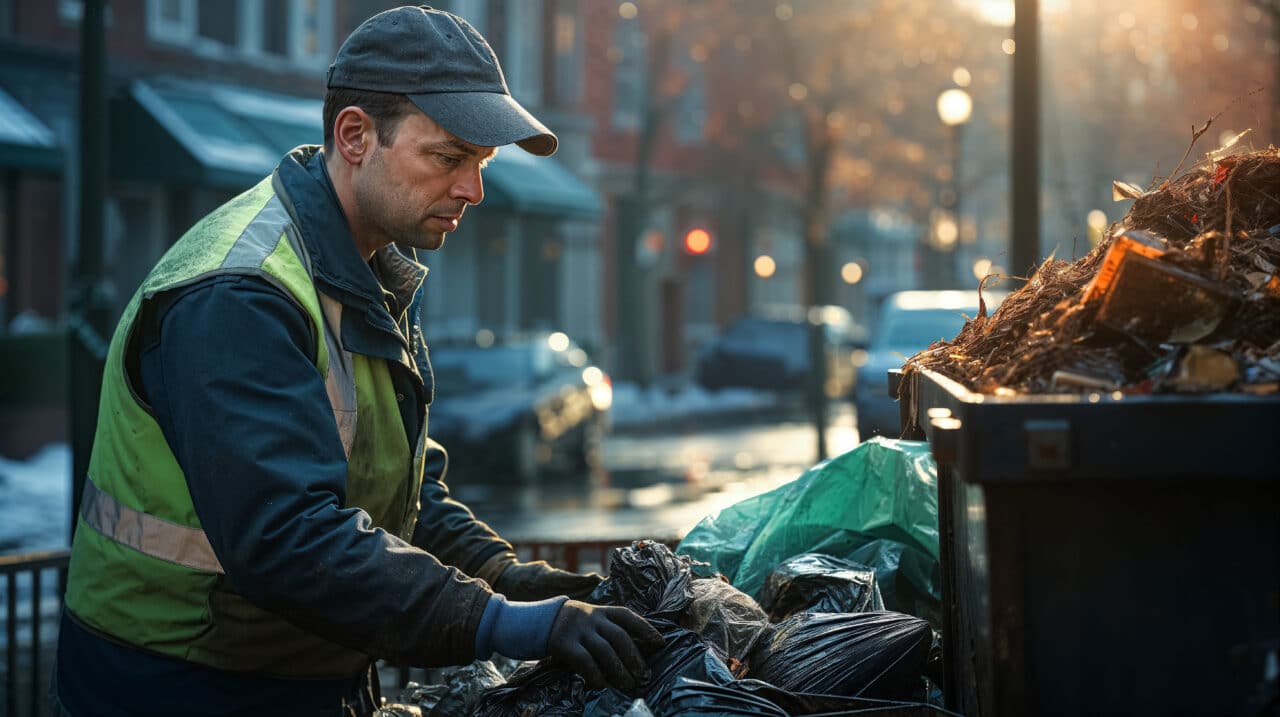
Waste collection is a high‑risk occupation. In the UK, the report Waste Statistics in Great Britain shows that the UK waste industry has one of the highest accident rates per 100,000 workers, with many injuries linked to manual handling.
Envac’s system creates a safer working environment by removing most lifting, dragging and close contact with waste.
With collections handled through sealed pipe networks and automated equipment, operatives are less exposed to heavy loads, sharp objects and potentially infectious material, helping to reduce both injuries and work‑related illness.
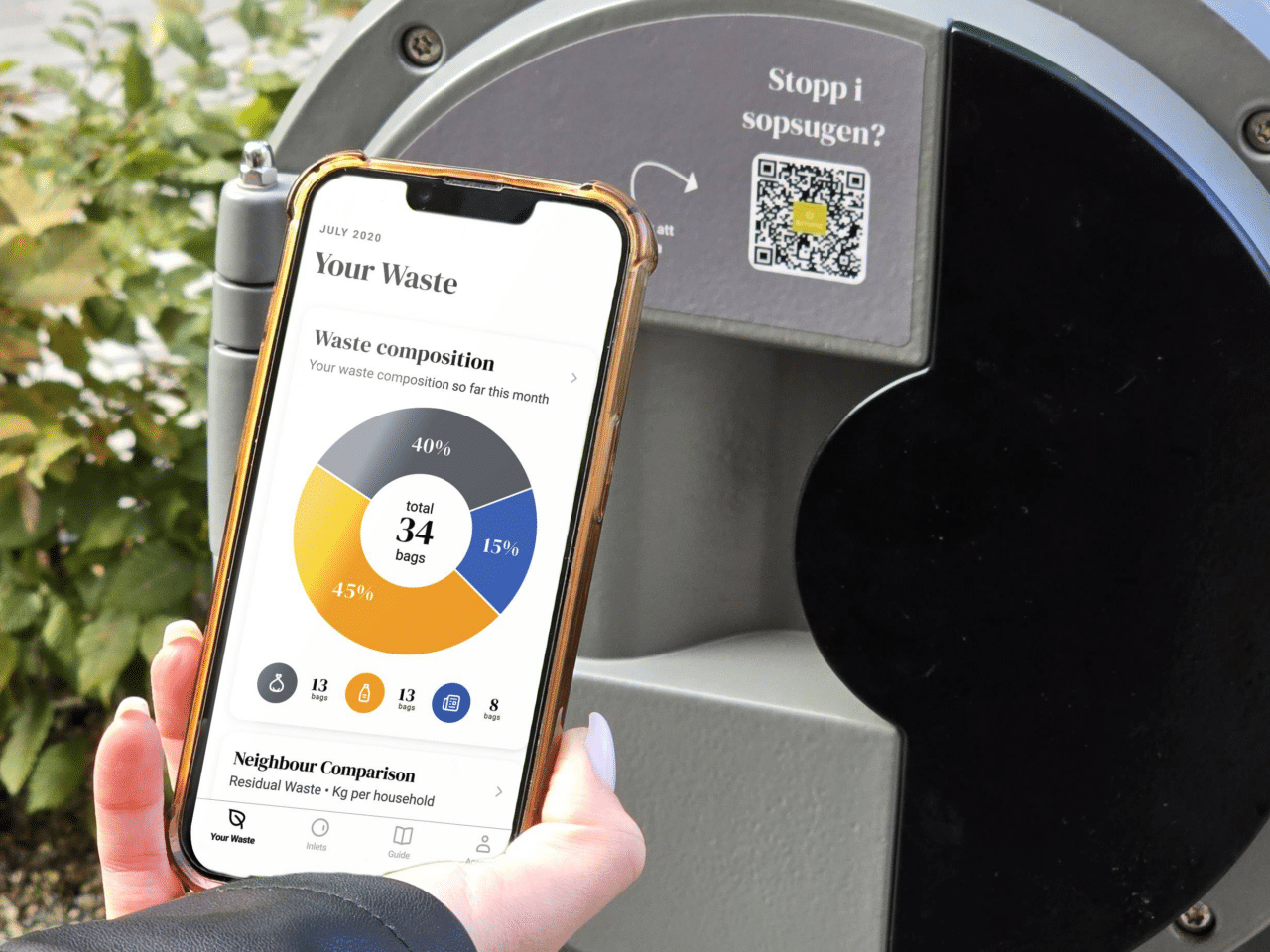
Across the UK and worldwide, cities are using technology to monitor, collect and treat waste more intelligently, cutting resource use, reducing costs and improving service for residents.
Sensors and connected devices provide real-time data on system performance and waste volumes, enabling more efficient planning and operation. Citizens can also use an app to see how much waste they generate, receive feedback on their recycling habits and learn how to contribute to local environmental targets.
Envac’s ReFlow smart waste management application helps digitise waste operations, making your city more efficient, transparent and sustainable.
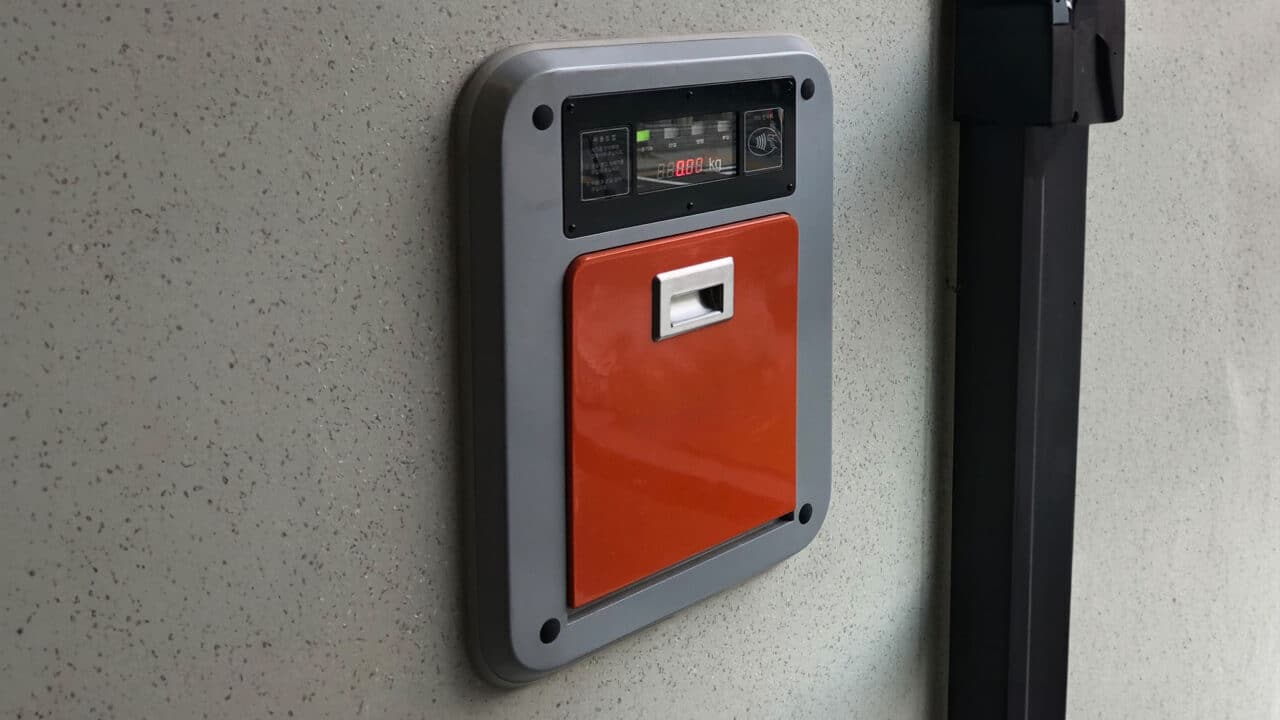
The indoor waste disposals points can be placed on each floor or in the entrance hall.
The Air inlet valve let transport air into the system at signal from the control system.
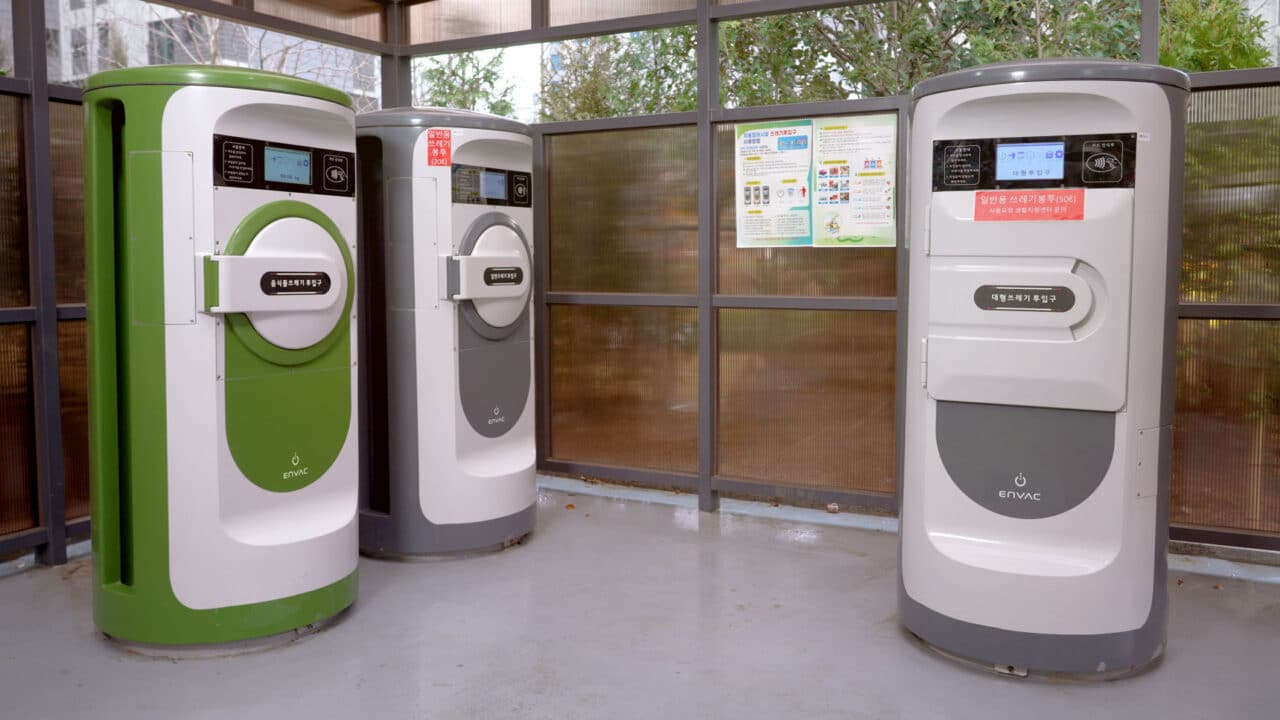
The waste inlets are connected to an underground pipe network that transports the bags from the inlets to the waste collection station.
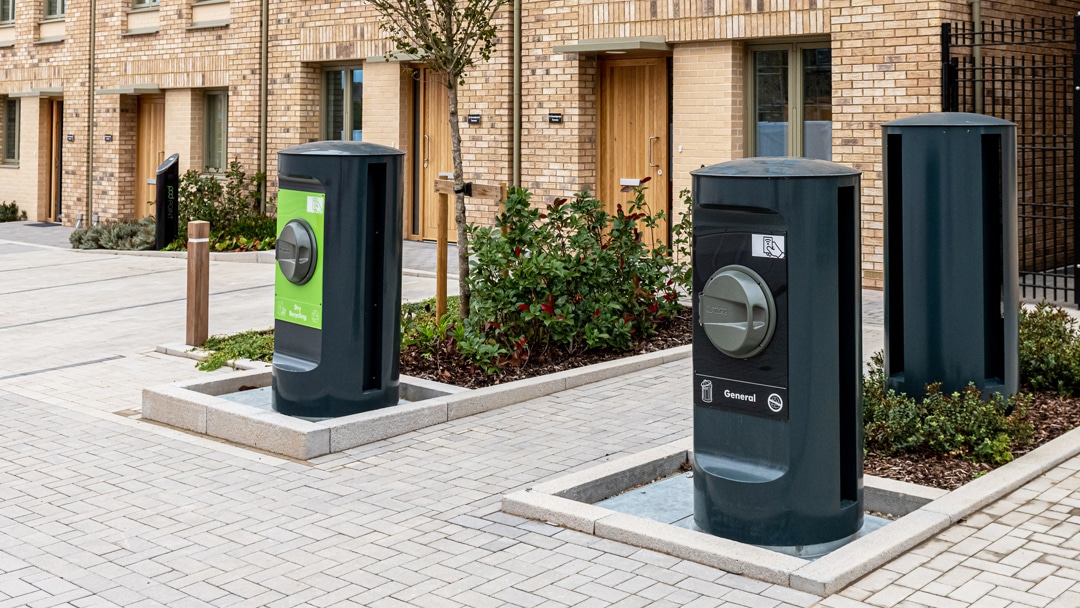
The inlets, one for each type of waste/reclables, are placed close to the building for comfort. The easier it is to dispose of sorted waste, the more will be sorted.
The sealed system removes foul smell and can be placed close to residential buildings, making littering a thing of the past. Our system reduces waste collection traffic and the noise, emissions and pollution associated with it by up to 90%, making city life greener, cleaner and more sustainable.
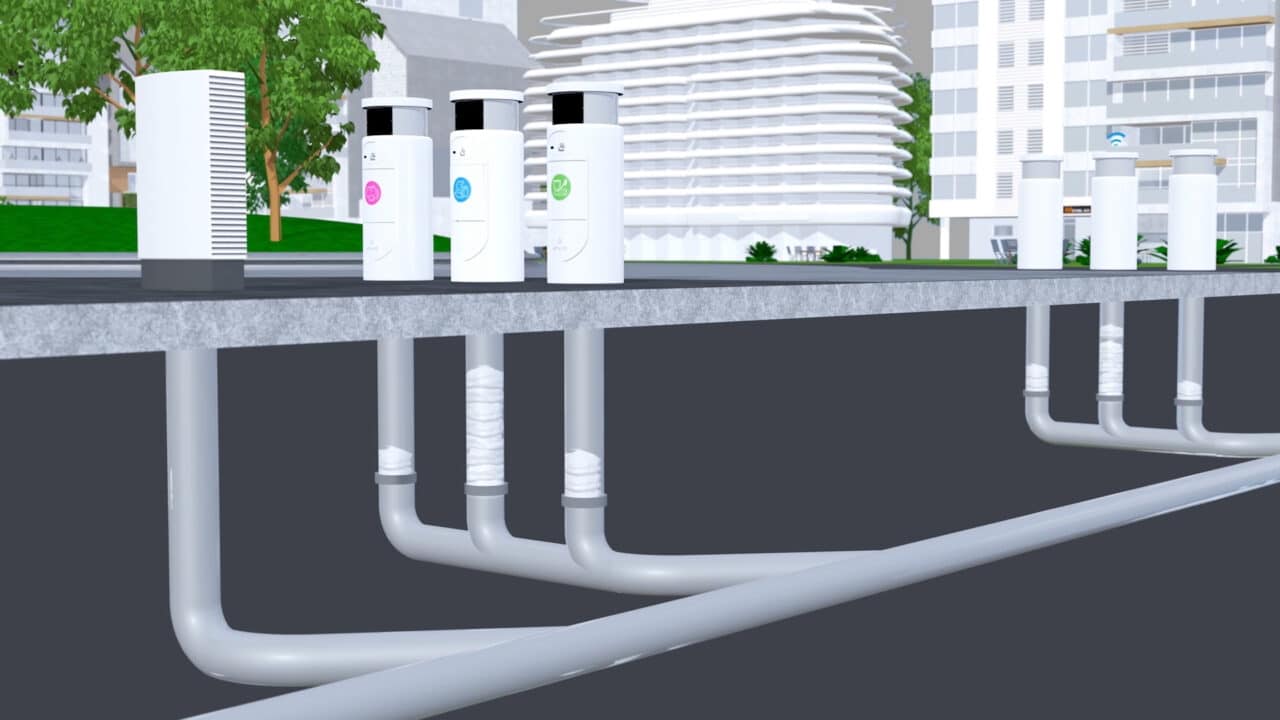
This is where the bags are stored until the chute is reaching full level. Sensors in the chute send a signal to the waste collection station and an emptying circle is started.
Powerful fans, in the station, create an airflow in the pipes. Transport air is let into the system.
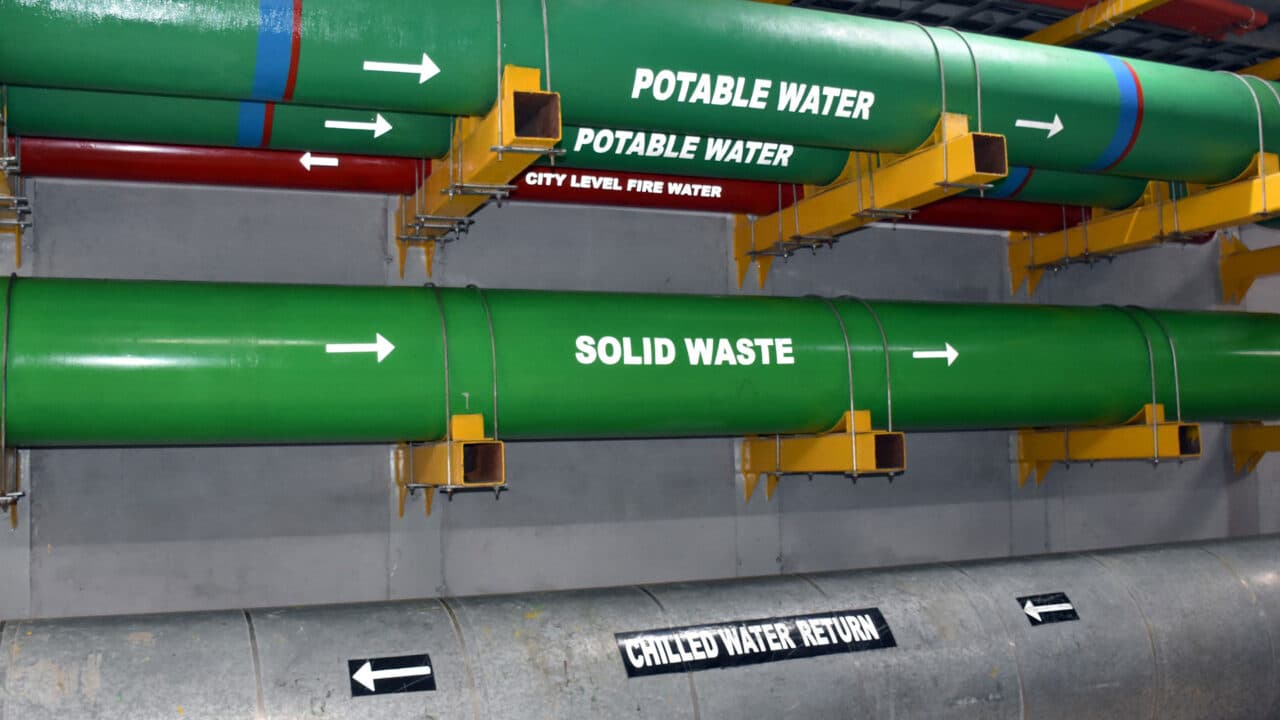
The bags are transported to the collection station at 70 kph.
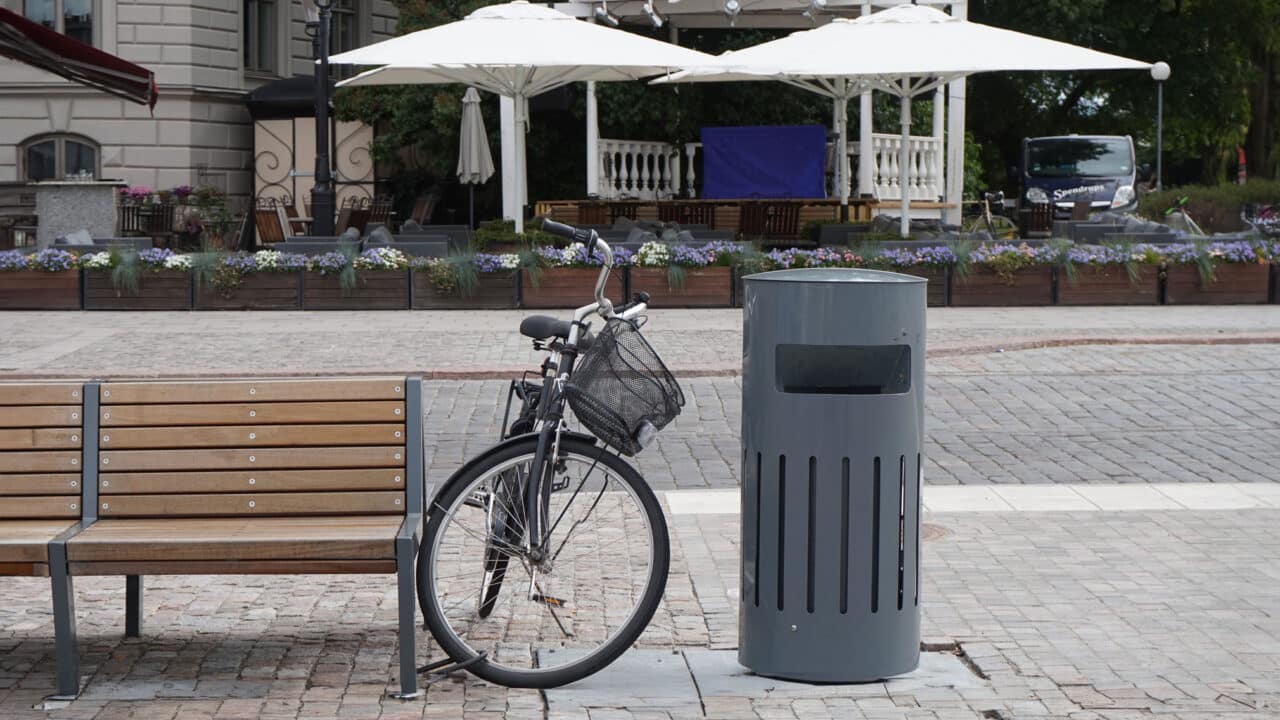
Self-emptying litterbins can be connected to the system.
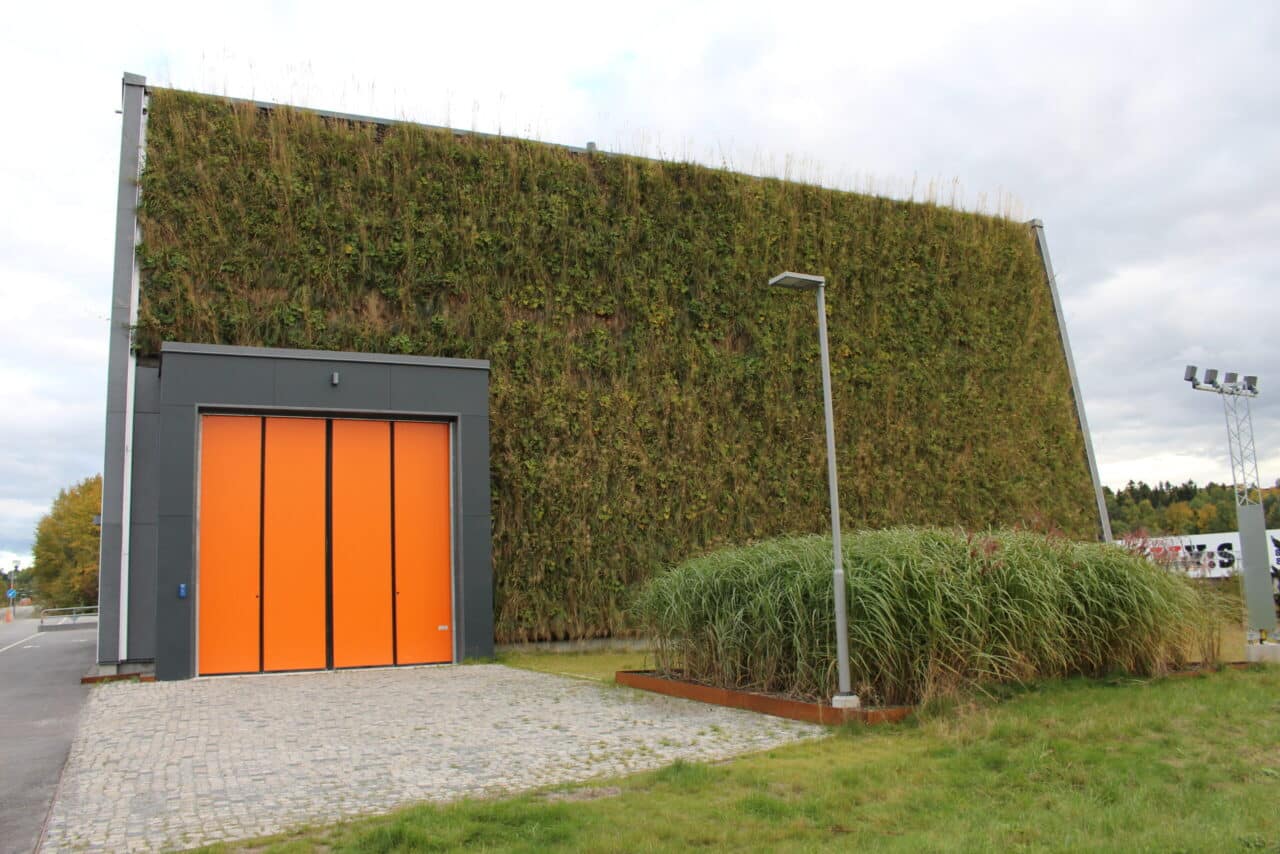
The waste collection station is located as far away as possible from the apartments, ideally close to a main road.
With Envac there is no longer need for trucks to drive up to each building to collect household waste, it is collected at the terminal building only.
The area becomes less noisy, the street environment safer and the air cleaner.
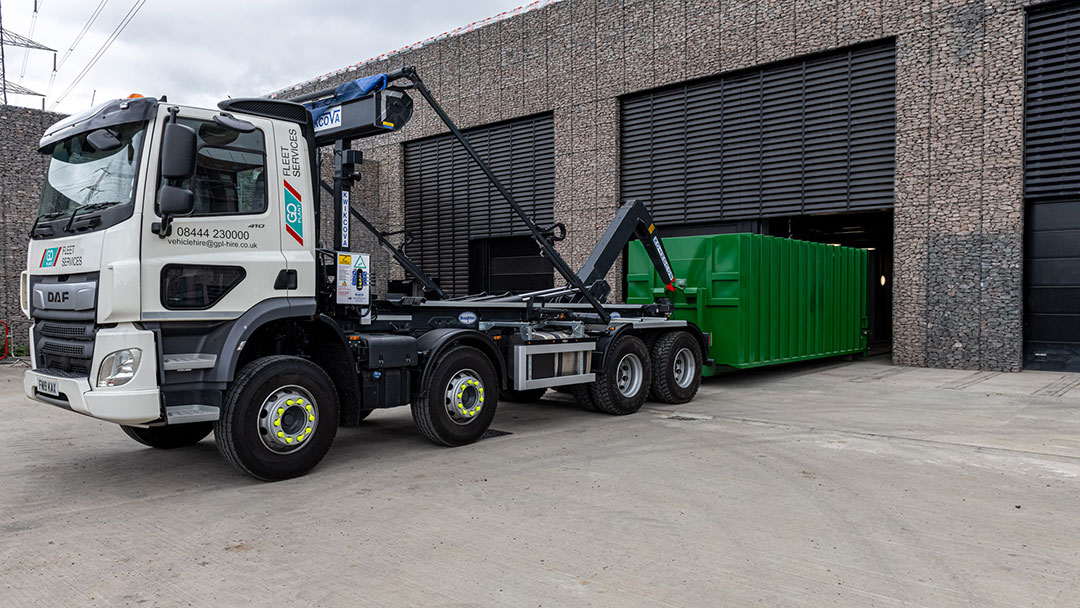
When a container is full, it is detached from the compactor and loaded onto a truck for transport to the recycling center, where it is emptied and returned.
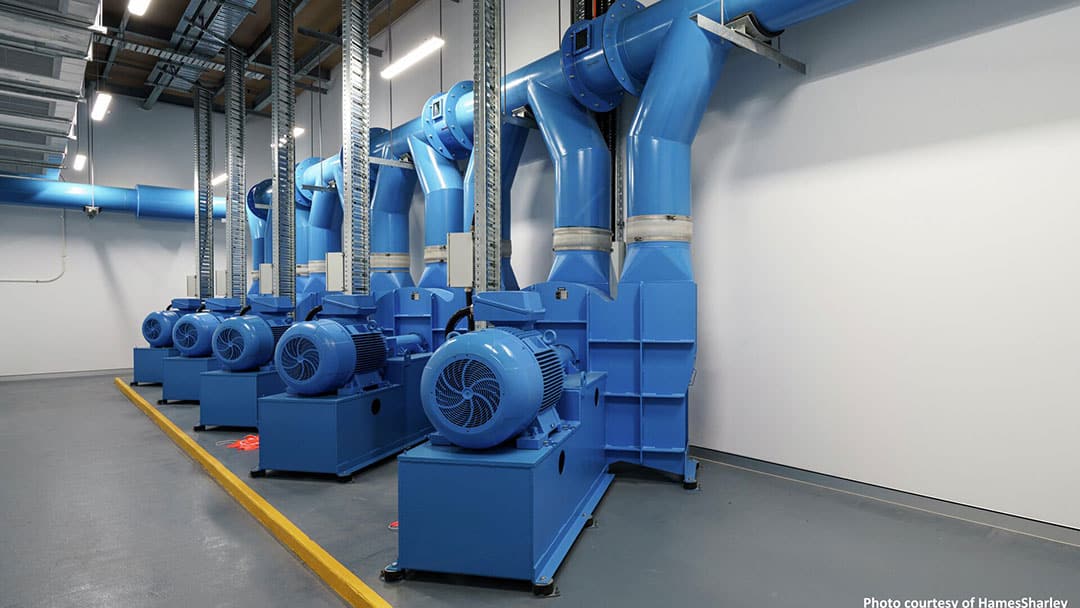
Powerful fans generate the necessary airflow in the pipes to transport the waste to the terminal.

The transport air is filtered before release, making it cleaner than when it first entered the system.
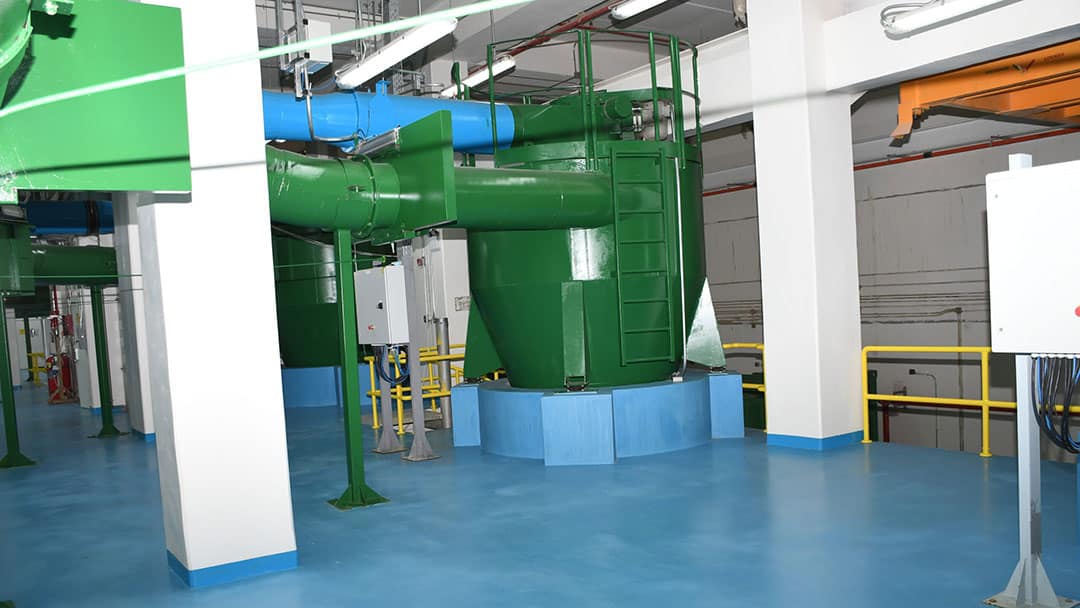
In the cyclone, the transport air is separated from the bags, allowing the bags to slide toward the compactor under the combined effect of the cyclone’s and gravity.
When the waste reaches the compactor from the cyclone, a vertical tray pushes it into the container to make the most of its capacity.
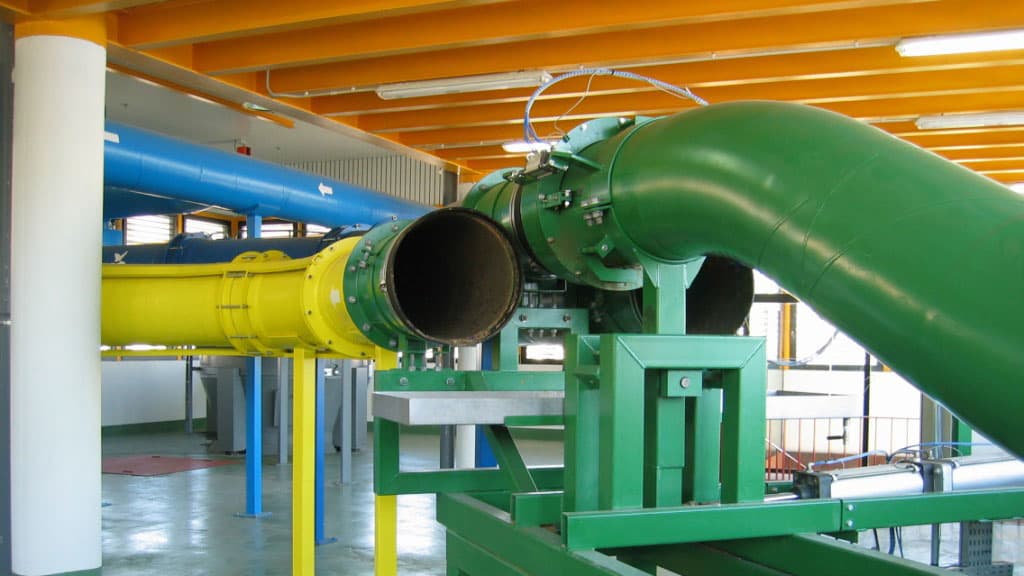
Once the waste reaches the terminal, it is directed to its corresponding cyclone through the diversifying valve. So, each type of waste will reach the container for its fraction.
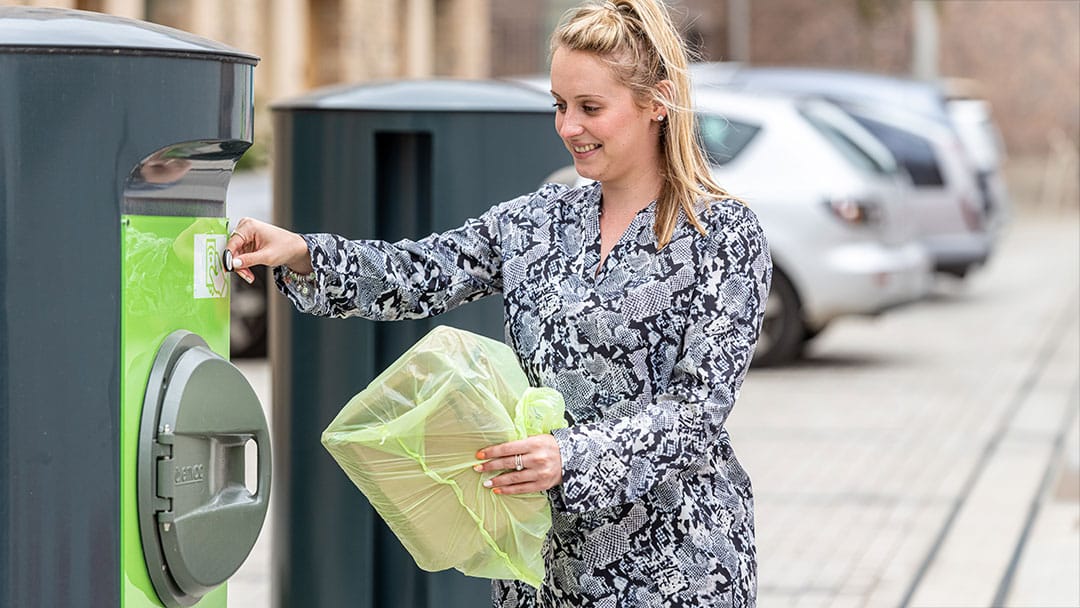
The resilient system is part of the smart city’s infrastructure and available 24/7/365.
Envac provides customised waste management solutions for urban residential areas, offering municipalities and developers opportunities to optimise their needs. These tailored solutions create unique, sustainable urban spaces that cater to diverse requirements regardless of the area’s size.
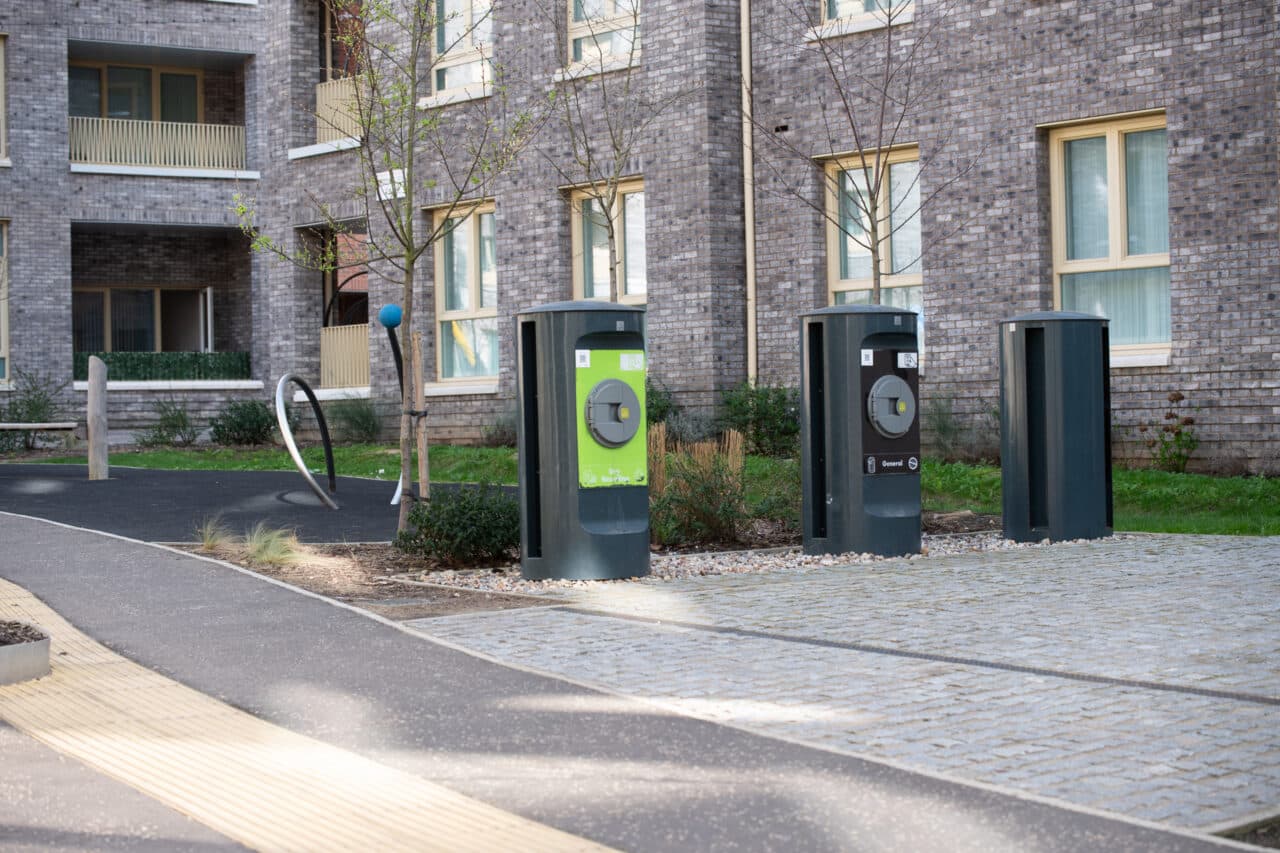
By transporting waste through a sealed underground pipe network, this system eliminates the need for traditional bin collection, reducing noise, emissions, and traffic congestion. It offers a cleaner, more efficient, and sustainable approach to modern waste management.
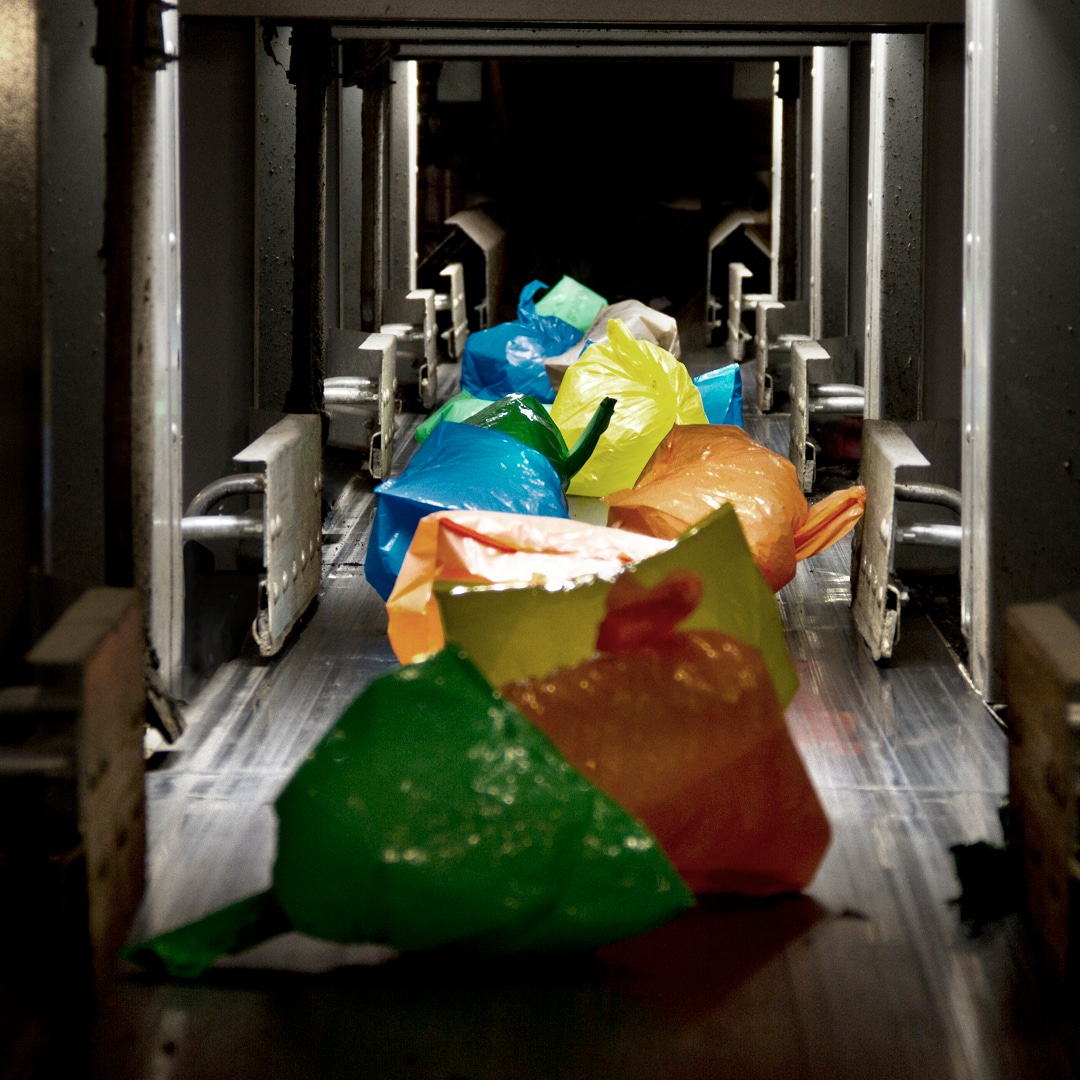
Envac Sorting encourages sorting, recycling, and sustainable behaviours. Cities of any size can use Envac Sorting, which can be done either by traditional manual collection or by an automated waste collection system. They can save 50% or more on transport and collection costs versus comparable solutions.

Cities Trondheim, Norway
Nestled in the stunning natural beauty of Norway, the city of Trondheim seamlessly blends cultural richness and architectural elegance. Trondheim’s commitment to sustainability is exemplified by its innovative waste management solutions.

Cities Gangnam, Seoul, Korea
H Firsitier I’Park in Gangnam, Seoul is a prestigious project of 74 buildings, ranging from 4 to 35 floors. The installation of the Envac system has created a clean environment. Gangnam is a centre of prosperity and business activity with remarkable development. The project is on a 399,741.70 sqm site with amenities like a fitness centre, swimming pool, daycare centre, and 12,000 sqm central park.
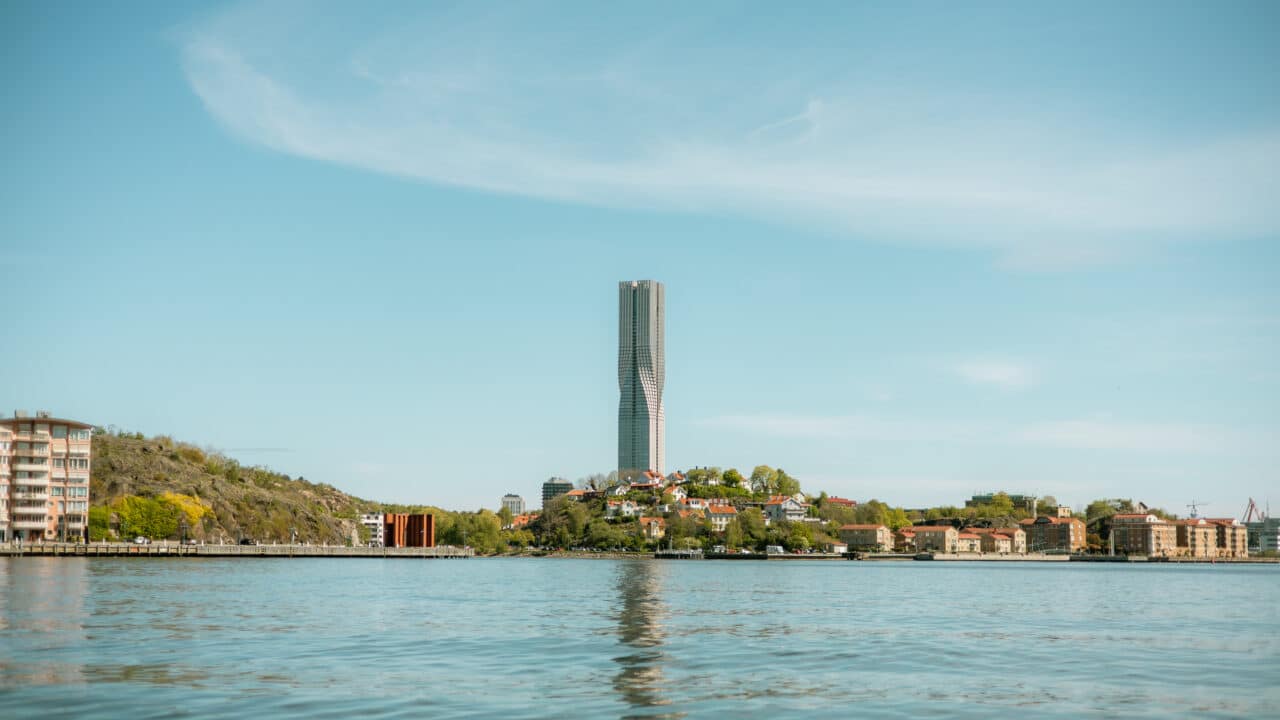
Cities Gothenburg, Sweden
Karla Tower – the tallest building in the Nordics chooses a smart waste collection system from Envac to easily solve waste management and avoid heavy waste collection traffic.

Managing waste is a significant challenge for cities worldwide. Total global waste is estimated to reach 3.88 billion tonnes by 2050 as urban populations – and their waste – continue to grow.

A new Swedish study shows that roughly one third of household food waste can in fact be prevented – but also that large amounts of unavoidable, nutrient-rich food waste will always remain. This places high demands on smart collection systems that enable biogas production, circular nutrient flows and more resource-efficient cities, where Envac’s vacuum waste collection systems become a central part of the infrastructure.
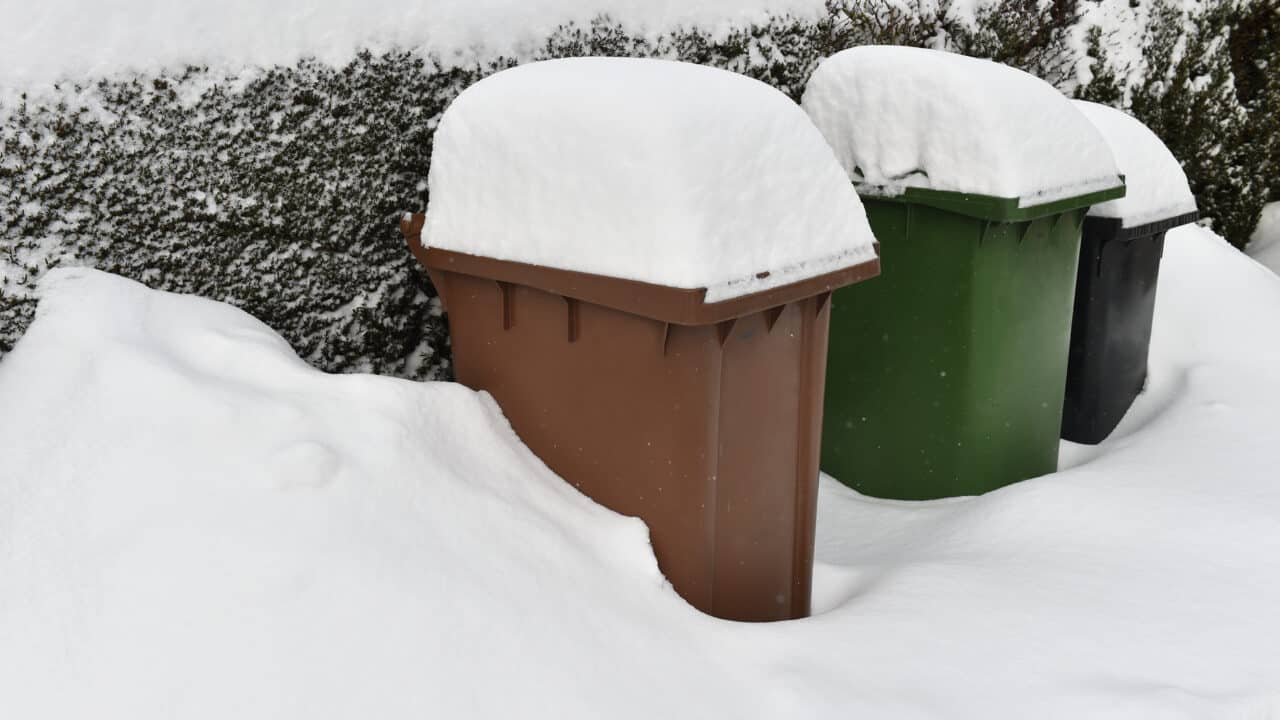
The snow chaos in Sweden was a clear reminder of how vulnerable a traditional, vehicle-heavy waste system is. When roads become blocked with snow, snowbanks build up and vehicles get stuck, it directly affects something as fundamental as being able to get rid of your waste. The result is overflowing bins, extra collection rounds, overtime work and residents who are forced to “wait before taking out the rubbish” because the collection simply has not made it through.