Designing Cleaner, Quieter Mixed-Use Districts With Underground Waste Systems
Mixed-use developments are designed to bring people together. Restaurants, shops, offices, residences, and public spaces coexist in compact, walkable environments. But when waste management is treated as an afterthought, it can quickly undermine the experience these districts are meant to create.
Traditional dumpsters, waste rooms, and frequent truck pickups introduce noise, odors, visual clutter, and congestion. In busy pedestrian areas, these challenges affect tenants, customers, and nearby residents alike. As mixed-use districts continue to grow in size and density, developers and municipalities are rethinking how waste is handled.
Underground automated waste systems offer a cleaner and more efficient solution.
Why Traditional Waste Systems Struggle in Mixed-Use Areas
Mixed-use districts generate waste from multiple sources throughout the day. Restaurants produce food waste, retail spaces generate packaging, and residential towers add daily household waste. Managing all of this with surface-level dumpsters and scheduled pickups creates operational strain.
Dumpsters take up valuable real estate that could be used for seating, landscaping, or storefronts. Waste rooms become odor hotspots. Truck access disrupts pedestrian flow and adds noise during peak hours. In high-density environments, these issues scale quickly.
As foot traffic increases, so do complaints related to cleanliness, safety, and noise.
How Underground Waste Systems Improve the Urban Experience
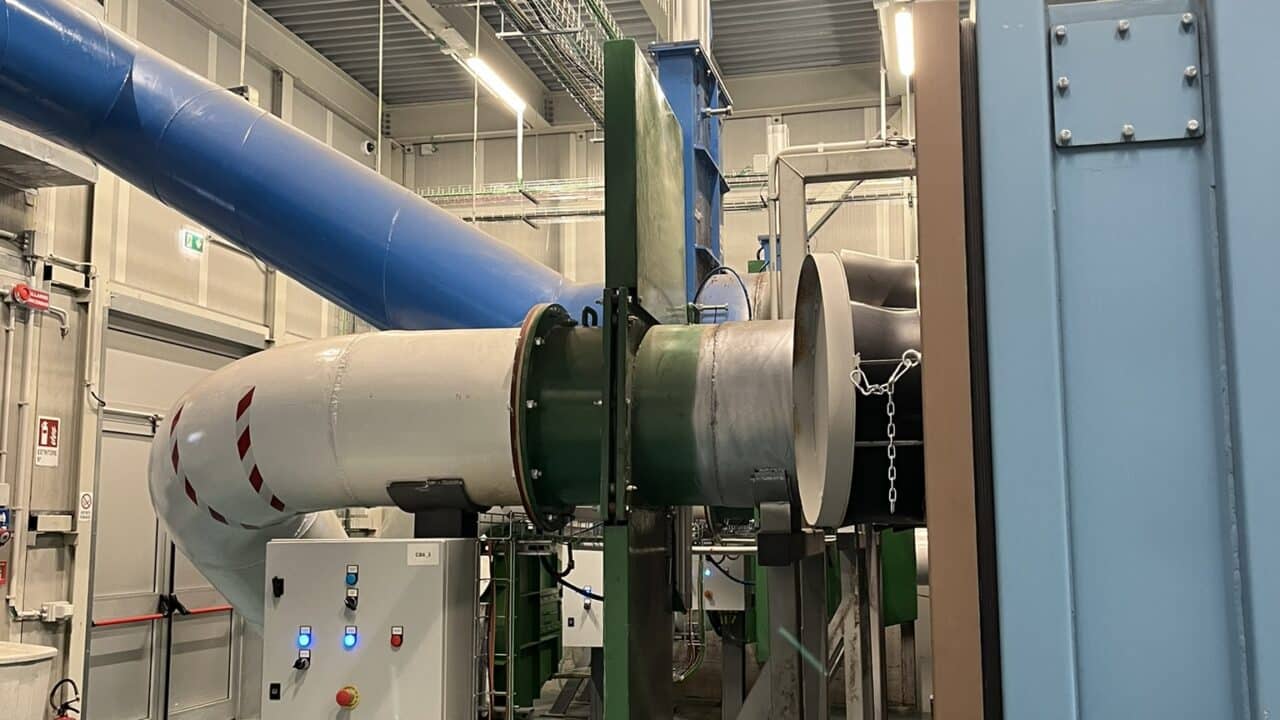
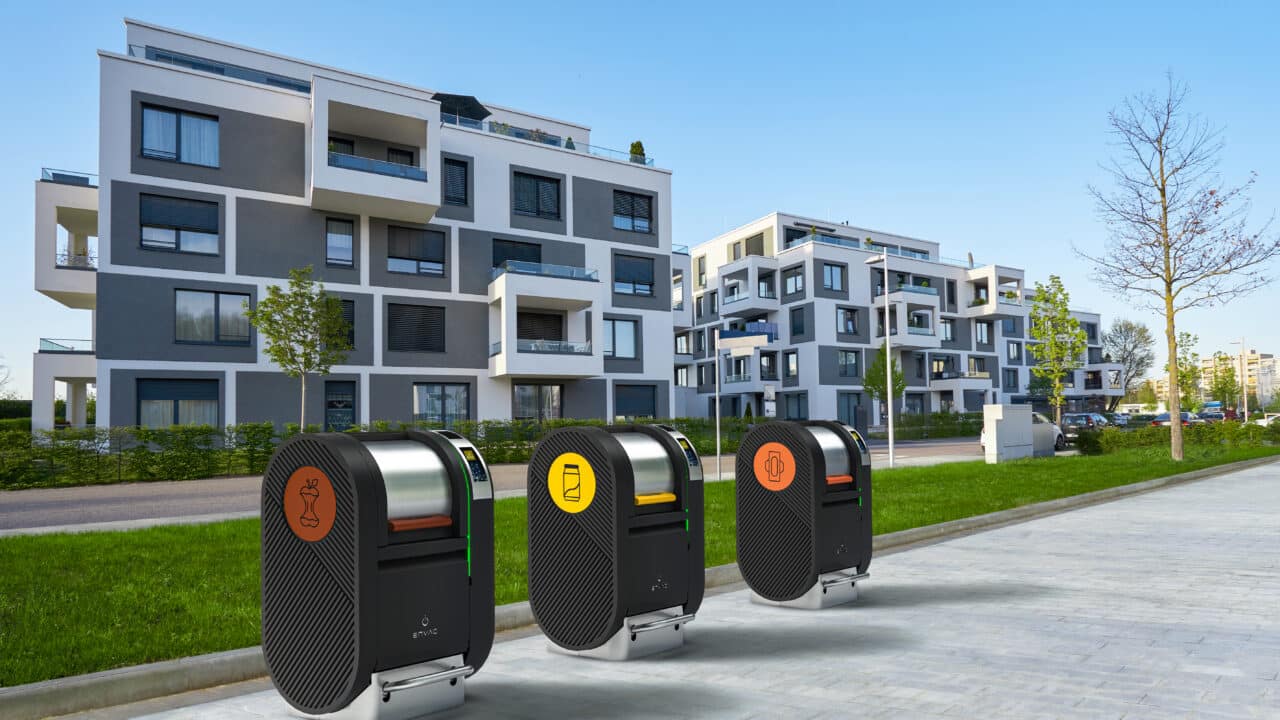
Automated waste collection moves trash through sealed underground pipes to a central collection point away from public areas. Waste is deposited at discreet inlets located throughout the district and removed without trucks driving through plazas or sidewalks.
This approach delivers immediate benefits.
Public spaces stay clean and uncluttered. Odors are contained. Noise from frequent pickups is eliminated. Pedestrian areas feel safer and more inviting.
For restaurants and retail tenants, this means smoother daily operations and cleaner storefronts. For residents, it means quieter mornings and evenings without truck traffic or overflowing bins.
Supporting Walkability and Placemaking
Successful mixed-use districts depend on walkability. When sidewalks are blocked by bins or service vehicles, the flow of people suffers. Underground waste systems remove these obstacles, allowing planners and designers to prioritize people over infrastructure.
By eliminating surface-level waste handling, developers can create wider walkways, add green space, and enhance outdoor dining areas. These improvements contribute directly to stronger tenant performance and higher visitor satisfaction.
Clean, well-designed public spaces encourage longer visits and repeat foot traffic.
Operational Benefits for Property Managers
Beyond the visible improvements, automated systems simplify daily operations. Property managers no longer coordinate frequent pickups or deal with inconsistent waste handling across tenants.
Waste is removed continuously and predictably. Maintenance needs are reduced. Staff spend less time managing waste issues and more time supporting tenants and operations.
Over time, these efficiencies reduce costs and improve consistency across the entire district.
A Future-Ready Approach to Urban Development
As cities grow denser, infrastructure decisions made today will shape the experience of urban living for decades. Mixed-use developments that invest in underground waste systems are better equipped to scale, adapt, and meet rising expectations around cleanliness and sustainability.
Automated waste collection supports quieter streets, cleaner public spaces, and more resilient operations. It allows mixed-use districts to function as they were intended: vibrant, people-first environments that thrive over time.