Strengthening Infection Control Through Smarter Waste Handling
In every hospital, infection control is a constant priority. Clinical teams rely on strict protocols to keep patients safe, yet behind the scenes, the way waste and soiled linens are handled can significantly raise or lower the risk of cross-contamination. Many facilities still depend on outdated gravity chutes and manual transport methods, both of which create unnecessary exposure points for staff, patients, and visitors.
Automated waste and linen systems offer a modern solution. By sealing waste at the source and transporting it through enclosed pipes to a secure collection area, hospitals can remove manual touchpoints and improve hygiene in a way that traditional systems simply cannot match.
Manual Handling Creates Hidden Infection Risks
Even well-managed hospitals face challenges with manual waste transport. Bags move through hallways. Carts are pushed past patient rooms. Staff must travel to remote disposal areas, often during busy shifts. Each of these steps increases the chance that pathogens spread from one area to another.
Gravity chutes, commonly used in older facilities, also carry risk. Chutes can leak odor, harbor bacteria, and allow airflow to move waste particles back into hallways. These systems were designed decades ago for convenience, not for the infection control requirements of today’s healthcare environment.
As hospitals continue to modernize, these weaknesses have become more visible and more costly.
How Automation Enhances Infection Control
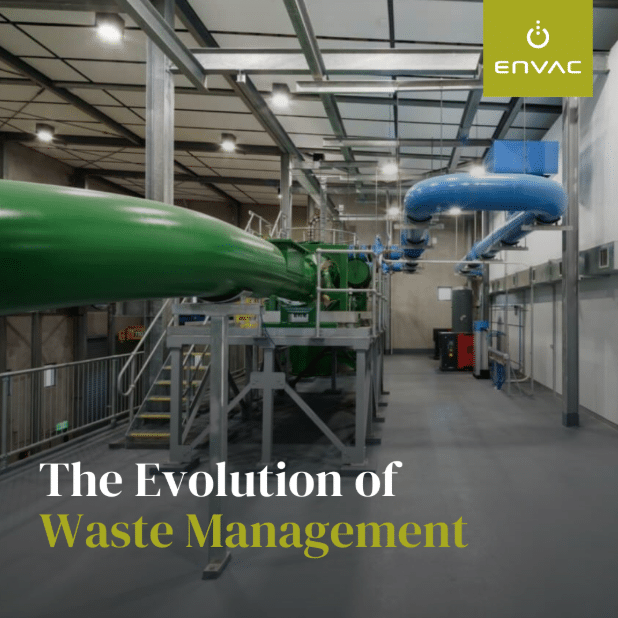
Automated systems are designed to eliminate direct human interaction with waste and linens. Staff deposit materials into sealed inlets located throughout the hospital. From there, airflow transports the contents to a remote collection room where the waste is compacted and secured.
This process provides several important advantages.
Fewer touchpoints
Materials move through enclosed pipes rather than open hallways, dramatically reducing contact with surfaces and people.
Cleaner air movement
Negative pressure prevents odors and airborne particles from escaping back into clinical areas.
Reduced staff exposure
Teams spend less time handling heavy bags and navigating long transport routes, which lowers injury risk and improves workplace safety.
Consistent cleanliness
Automated systems maintain the same standards across every floor, reducing variation in how waste is handled.
These improvements are especially valuable for high-risk departments such as emergency care, surgery, and isolation units, where infection control failures have the greatest impact.
Supporting Modern Healthcare Design
Hospitals that invest in automation often find that the benefits go beyond hygiene. Automated systems help free up valuable space by eliminating the need for large trash rooms, long chute risers, and cart storage areas. This space can instead be used for patient care, supply storage, or expanding clinical services.
Automation also reduces noise, odors, and hallway congestion, allowing new facilities to deliver a quieter and more comfortable healing environment.
For existing hospitals, retrofitting is often easier than expected. Because pneumatic systems use flexible routing options, they can be installed in older buildings without major structural disruption. This makes automation an accessible upgrade for both new construction and renovation projects.
Improving Staff Safety and Efficiency
Staff injuries related to lifting and transporting waste are more common than many assume. Automated waste and linen systems remove much of this strain. With no need to push heavy carts or lift bags into dumpsters, teams can focus on higher-value tasks without the physical risks associated with traditional systems.
Hospitals that adopt automation consistently report improved staff morale, greater job satisfaction, and fewer workplace incidents.
A Cleaner Path Forward for Healthcare
Infection control will always be one of the most important responsibilities in healthcare. As hospitals face rising patient volumes and more complex operating pressures, smart infrastructure solutions are essential for maintaining safe, efficient environments.
Automated waste and linen systems give hospitals a powerful tool to strengthen hygiene, protect staff, and support long-term facility performance. For leaders looking to modernize their operations, improve safety, and reduce contamination risk, automation is becoming a core part of the future of hospital design.