Every successful development starts with a series of decisions. Where amenities will be located. How residents will move through the building. Where mechanical systems belong. /../
Every major design decision has financial consequences. Developers carefully evaluate unit mix, amenity packages, parking ratios, and building systems because each one affects the long-term /../
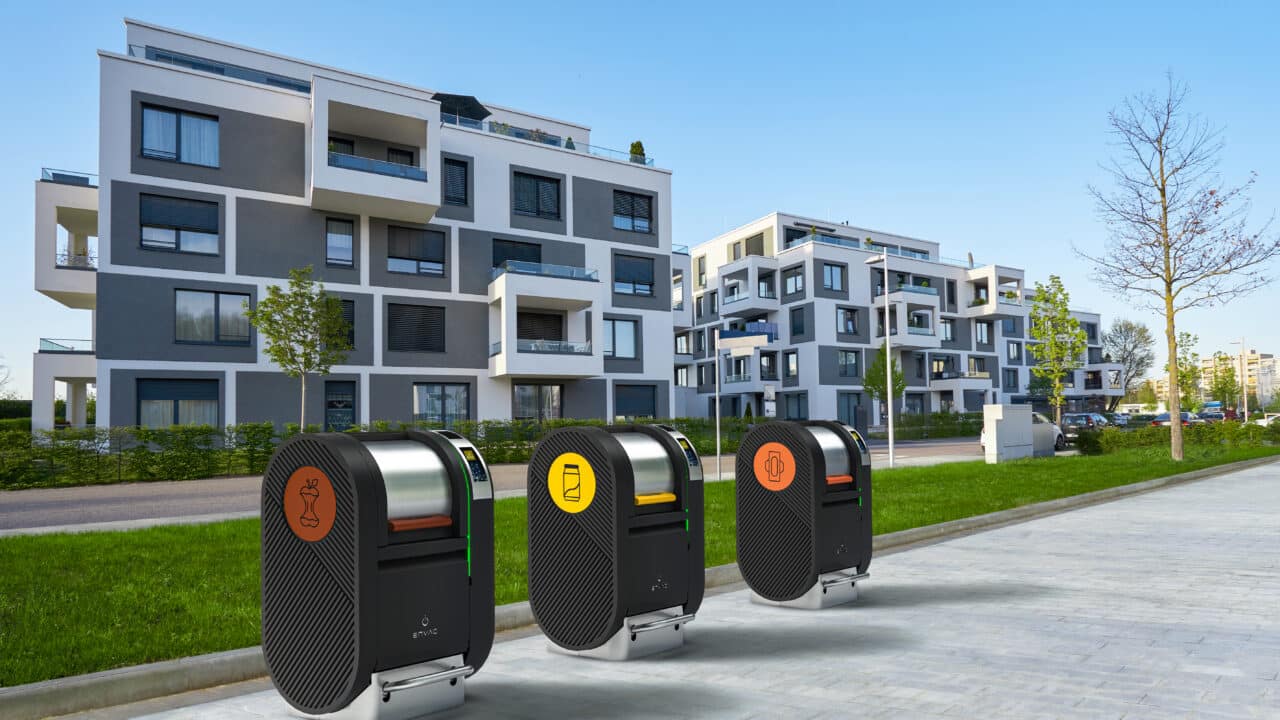
Great residential buildings are designed around the people who live in them. Developers invest heavily in amenities, thoughtful layouts, natural light, outdoor spaces, and shared /../
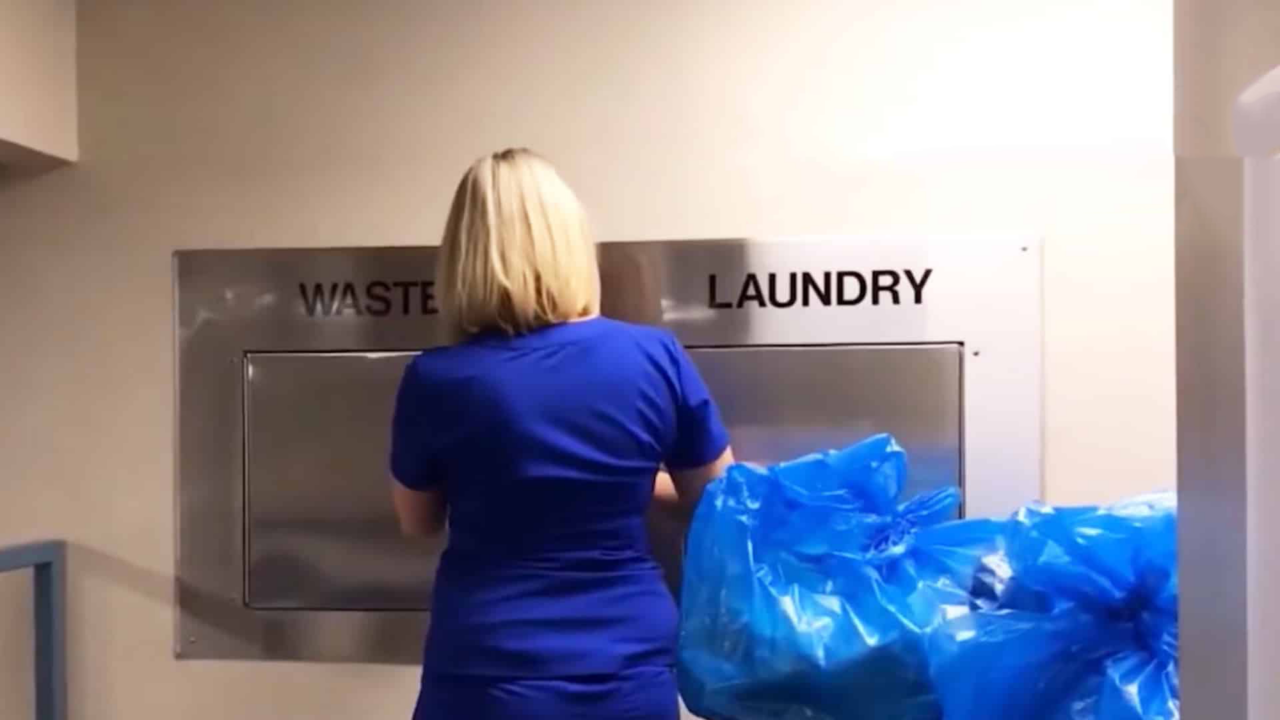
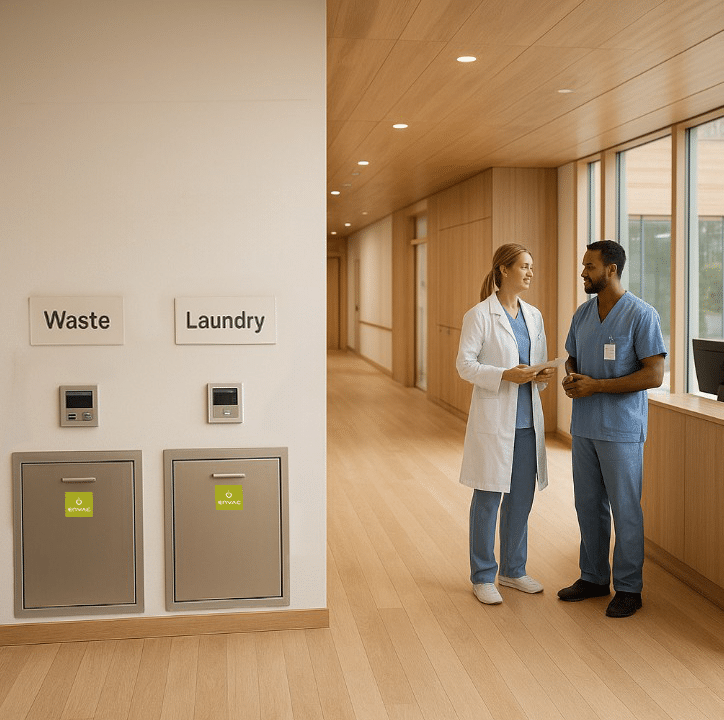
Healthcare facilities are designed around movement. Patients move between departments. Staff move throughout the building. Supplies move constantly to support care. Waste moves too. The /../
When a waste collection system experiences an issue, the immediate priority is getting it running again. A repair is made. Operations resume. The problem appears /../
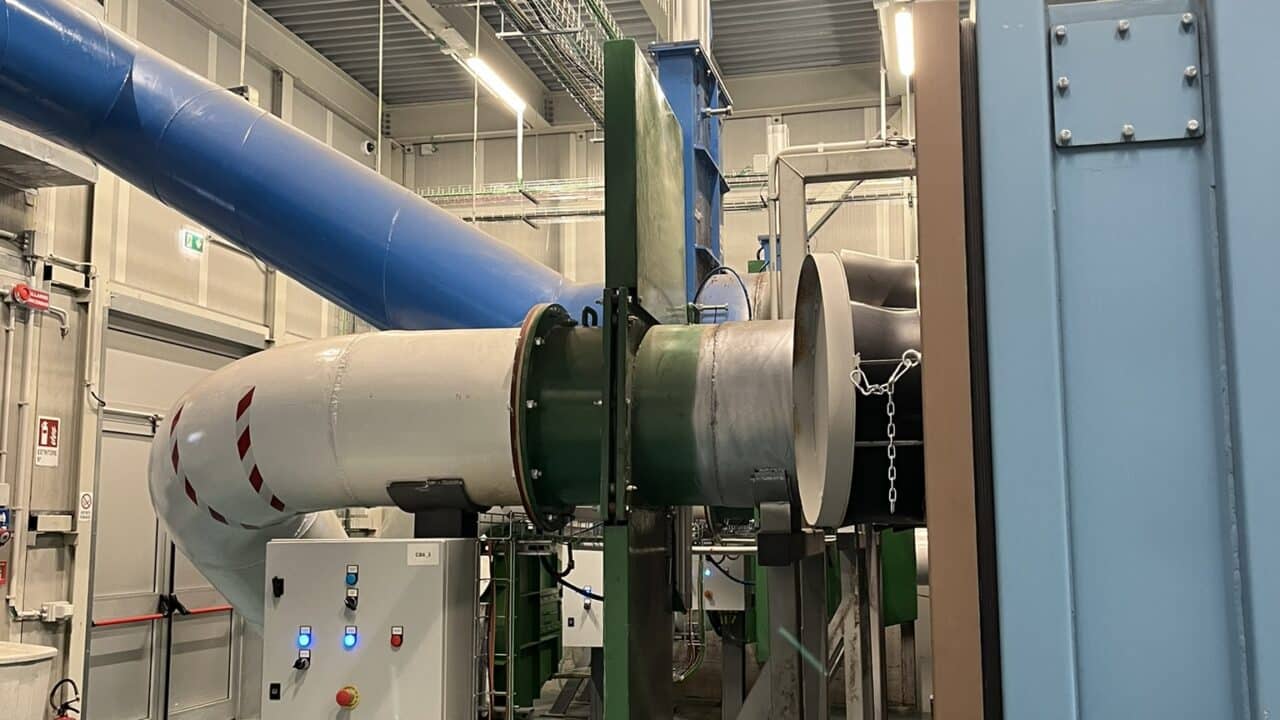
Most waste collection systems do not fail suddenly. Performance typically declines over time. Small issues become more frequent, maintenance demands increase, and teams begin adapting /../
Waste movement is rarely part of early design conversations.Plans focus on patient care, resident experience, and public space. Waste is addressed later, often as something /../
The Operational Cost of Moving Waste ManuallyWaste does not move itself.In many facilities, it is moved by people. Staff collect it, transport it, stage it, /../
How Waste Movement Breaks Sustainability EffortsMost buildings have recycling programs in place. Separate bins, clear signage, and sustainability goals are all part of the plan.But /../
The Hidden Risk of Moving Waste Through Healthcare FacilitiesWaste does not just exist in a hospital. It moves through it.Every day, waste and soiled linens /../
Many hospitals, municipalities, and mixed-use developments rely on pneumatic waste collection systems installed decades ago. At the time, these systems represented advanced infrastructure. They improved /../