How Waste Movement Breaks Sustainability Efforts
Most buildings have recycling programs in place. Separate bins, clear signage, and sustainability goals are all part of the plan.
But what happens after waste leaves the bin is often overlooked.
If waste streams mix during transport, the entire effort breaks down.
Separation at the Source Is Not Enough
Recycling programs focus heavily on user behavior. People are asked to sort waste correctly and place materials in the right bins.
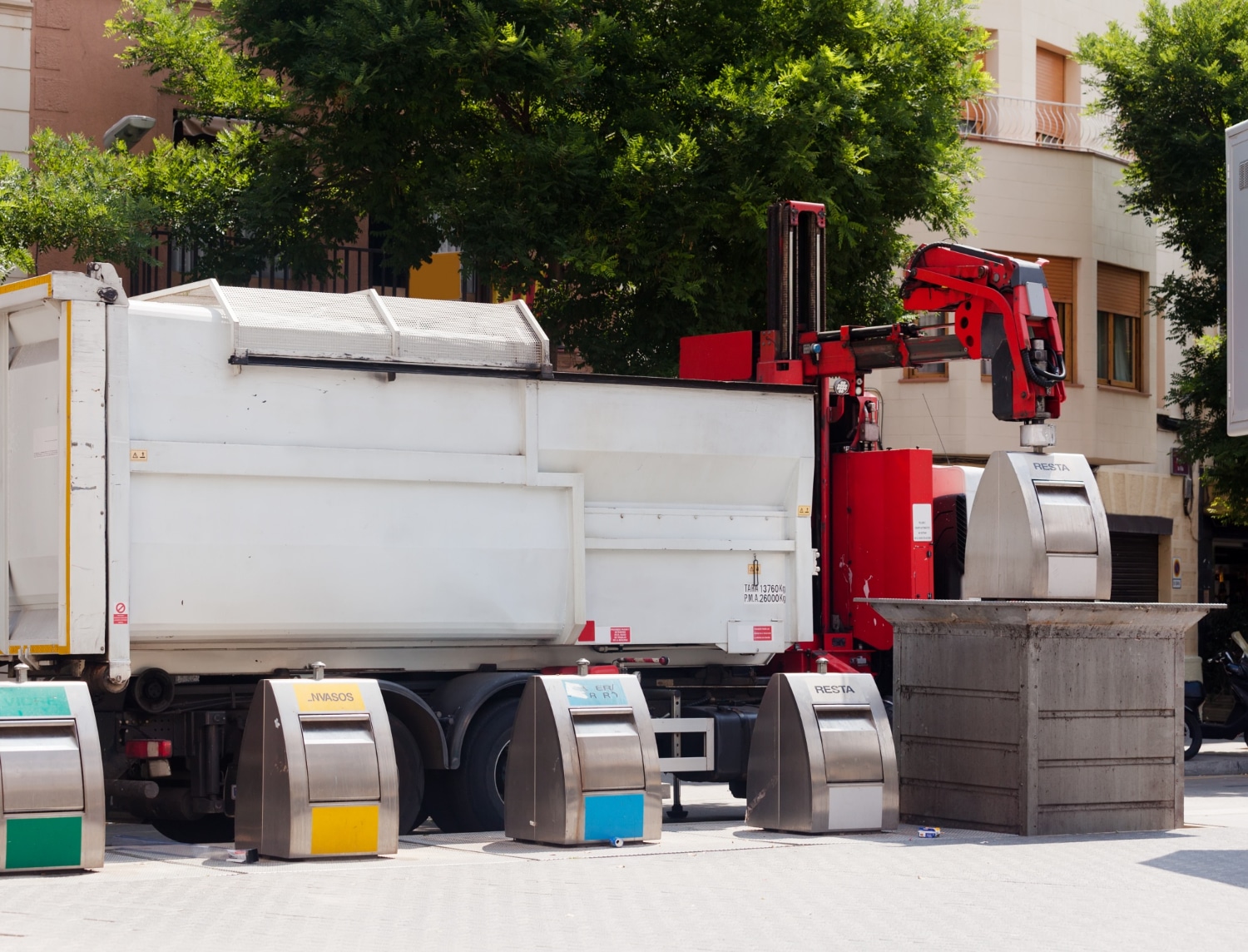
But once those materials are collected, they are often transported together. Shared carts, holding rooms, and collection points introduce opportunities for contamination.
Even well-managed systems can fail if separation is not maintained during movement.
Movement Is Where Contamination Happens
Waste rarely moves in a straight, controlled path.
It is collected, staged, transported, and combined at different points along the way. Each step introduces a chance for materials to mix. Bags tear, carts are shared, and overflow leads to shortcuts.
By the time waste reaches its final destination, separation may already be compromised.
Why This Undermines Sustainability Goals
When contamination occurs, recyclable materials are often redirected to landfill.
This means that even buildings with strong sustainability programs may not achieve real recycling outcomes. The issue is not intent. It is infrastructure.
Without controlled movement, separation cannot be preserved.
Identifying Where Separation Breaks Down
The most common points of failure are not at disposal, but during transport.
Shared carts, centralized waste rooms, and inconsistent handling practices all contribute to mixing. These issues are often hidden from view, making them difficult to detect without a structured evaluation.
Understanding where movement breaks down is key to improving results.
Controlled Movement Protects Separation
When waste streams are kept separate throughout the entire process, recycling becomes more effective.
Systems that move waste through dedicated, controlled pathways eliminate many of the opportunities for contamination. Materials remain separated from disposal to collection, improving overall outcomes.
This approach treats sustainability as a system design challenge, not just a behavior one.
Sustainability Depends on Infrastructure
Recycling does not fail because people do not participate. It fails because the system does not support consistent separation.
When waste movement is unstructured, sustainability efforts lose their impact. When movement is controlled, those same efforts become far more effective.
Start With How Waste Moves
Improving recycling outcomes starts with understanding how waste moves through the building.
Identifying where contamination occurs allows facilities to make targeted improvements that protect separation and reduce waste going to landfill.
Healthcare Sustainability Upgrades & Retrofit
How Waste Movement Breaks Sustainability Efforts
Related articles
Healthcare Sustainability Upgrades & Retrofit
Why Waste Planning Should Happen Before Floor Plans Are Finalized
Every successful development starts with a series of decisions. Where amenities will be located. How residents will move through the building. Where mechanical systems belong. /../

Healthcare Sustainability Upgrades & Retrofit
How Waste Infrastructure Impacts Project Economics
Every major design decision has financial consequences. Developers carefully evaluate unit mix, amenity packages, parking ratios, and building systems because each one affects the long-term /../

Healthcare Sustainability Upgrades & Retrofit
Designing Residential Towers for People, Not Waste
Great residential buildings are designed around the people who live in them. Developers invest heavily in amenities, thoughtful layouts, natural light, outdoor spaces, and shared /../