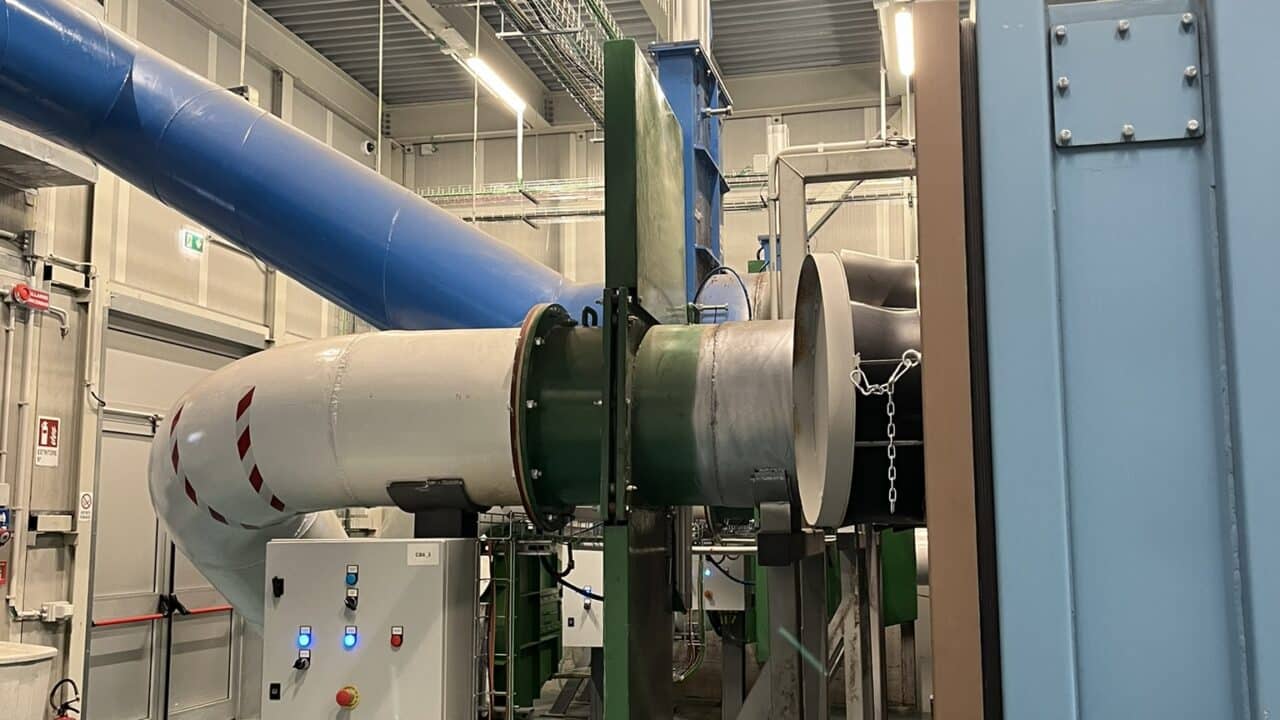
Most waste collection systems do not fail suddenly.
Performance typically declines over time. Small issues become more frequent, maintenance demands increase, and teams begin adapting to system limitations without realizing it.
Because the system is still operating, these warning signs are often ignored until a major disruption occurs.
Recognizing them early can help facilities avoid costly downtime and extend the life of existing infrastructure.
Service Calls Are Becoming More Frequent
One of the clearest signs of an aging system is an increase in maintenance activity.
A repair here. A component replacement there.
Individually, these issues may not seem significant. Collectively, they often indicate that the system is becoming harder to maintain and less reliable.
When maintenance teams spend more time reacting than planning, it may be time to evaluate modernization options.
Parts Are Becoming Harder to Find
Many legacy systems rely on components that are no longer widely supported.
As systems age, replacement parts can become more difficult to source, increasing both costs and repair timelines.
What was once a routine maintenance issue can quickly become an operational challenge if critical components are unavailable.
Facilities that proactively modernize can reduce this risk before it impacts daily operations.
Performance Is No Longer Consistent
A system does not have to be broken to underperform.
Slower collection cycles, reduced throughput, and recurring operational bottlenecks are often signs that a system is no longer operating at its intended level.
In many cases, these issues develop gradually enough that they become accepted as normal.
They should not be.
Visibility Is Limited
Older control systems often provide limited insight into system performance.
Without modern monitoring capabilities, operators may struggle to identify trends, diagnose issues, or anticipate failures before they occur.
This lack of visibility can make maintenance more reactive and less effective.
Modernization often improves not only system performance but also the ability to manage it proactively.
Download the Modernization & Retrofit Planning Guide to evaluate your system and identify opportunities for improvement:
https://web.envacgroup.com/modernize-your-aging-waste-collection-system
Modernization Does Not Always Mean Replacement
One of the most common misconceptions about aging systems is that modernization requires a complete replacement.
In reality, many facilities can achieve significant improvements through targeted upgrades.
Modern controls, updated components, and improved monitoring capabilities can often restore performance while extending system life.
The goal is not necessarily to start over. It is to make existing infrastructure perform better.
Waiting Usually Costs More
The longer performance issues are allowed to continue, the fewer options facilities typically have.
Emergency repairs are more expensive than planned upgrades. Downtime is more disruptive than scheduled improvements.
Facilities that evaluate modernization before a major failure occurs are often able to reduce costs, improve reliability, and maintain more consistent operations.
See how facilities are extending the life of their waste collection systems through strategic modernization and phased upgrades:
https://web.envacgroup.com/modernize-your-aging-waste-collection-system
Conclusion
Aging infrastructure sends signals long before it fails.
Frequent repairs, declining performance, limited visibility, and parts availability challenges are all indicators that modernization should be considered.
Recognizing these warning signs early allows facilities to take a proactive approach instead of waiting for disruption to force action.
The best time to modernize is before the system demands it.