Smart City Upgrades & Retrofit

Expo Park, Lisbon – Next 25 years

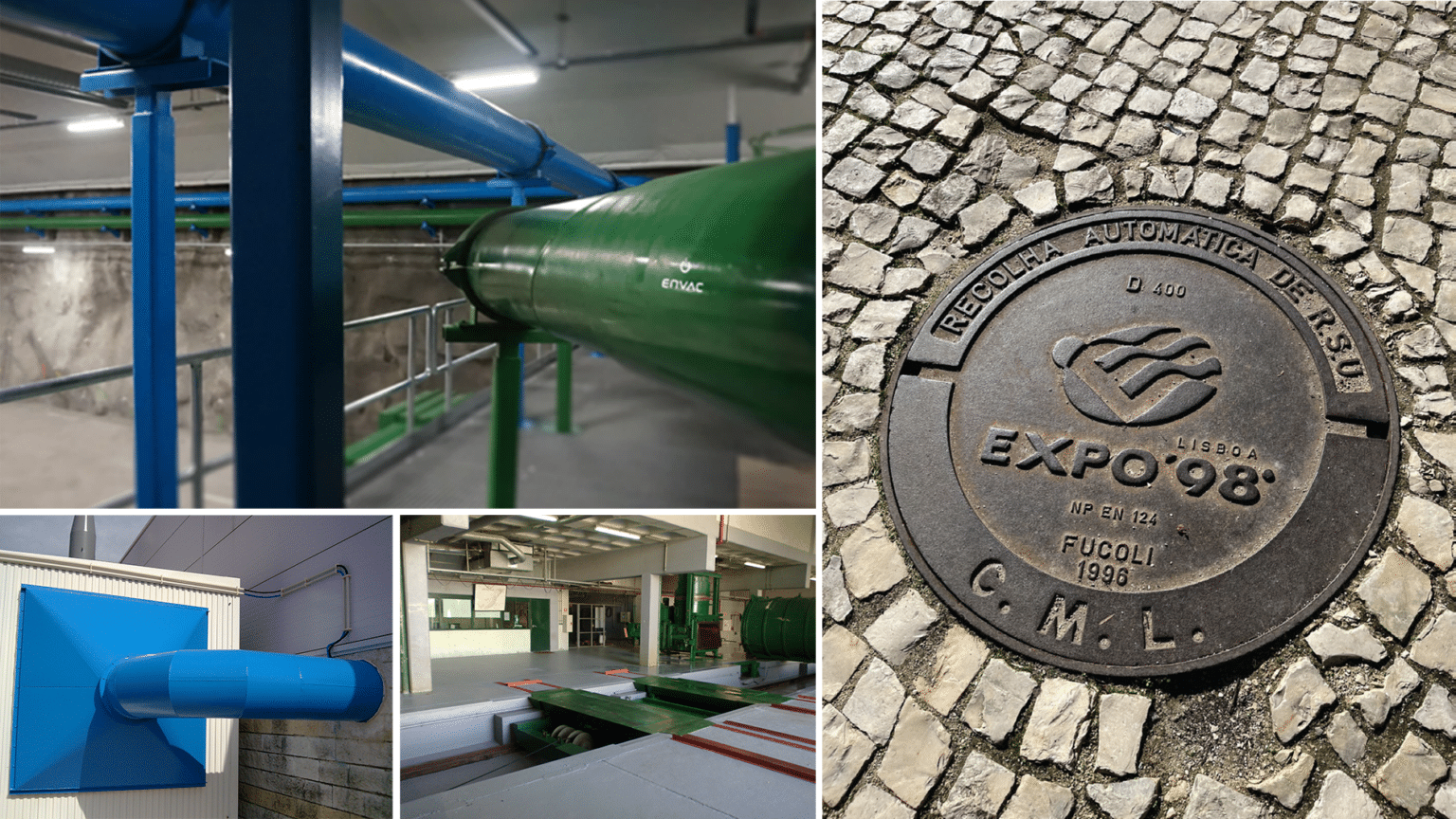
The Expo Park Automatic Waste Collection System (AWCS) has successfully operated for 25 years, achieving its initial objectives. Several improvements have been proposed to prepare for the next 25 years, including upgrades in mechanical infrastructure, user identification, AI integration, energy efficiency, and aesthetic renovation. These improvements will enhance waste management services, reduce electricity consumption, and increase the system’s longevity.

The Expo Park Automatic Waste Collection System (AWCS) spent its first 25 years with
distinction, fulfilling the initial objectives – safety, efficiency, robustness and operability. The leap into the future forces us to face new challenges that, from now on, society puts on the table, as well as the rest of the public services.

System improvement

Prepare the mechanical infrastructure to face the next 25 years. Conform to the requirements of safety standards and conform to the strength of materials. Incorporation of Artificial Intelligence that will enable maximum efficiency in the collection process according to the current parameters. Optimisation of consumption derived from collection according to actual needs.

Improvements for users

To improve waste management services, user identification, individual aperture sensors and volume or weight counters are essential. Gathering and analysing data on waste will enable us to offer users comprehensive information about the service they can receive. This information can be accessed through websites or mobile applications. Using non-contact opening systems and information screens at the inlets on the street can also help improve the overall waste management efficiency. Additionally, incorporating new collection fractions can further enhance the waste management process.

Aesthetical renovations

Deep cleaning of both interior and exterior areas; painting of both interior and exterior
walls, with replacement of missing or damaged elements; painting of equipment; interior resurfacing; renovation of sanitary facilities; and restoration of the old filter room are some of the aesthetical improvements that will increase the longevity of the system.

Energy efficiency

There is a possibility of reducing electricity consumption by about 15% with the help of the Envac Automation Platform (EAP). This platform can configure the system requirements based on machine learning and big data, which can further reduce the cost of equipment maintenance. It also helps extend the equipment’s useful life and filter service life by approximately 20%.

Finally, Envac’s automated waste collection system lays the groundwork for a future of datadriven waste management. Unlike traditional waste collection methods, the system does not depend on human input to determine how it operates and where enhancements can be made.
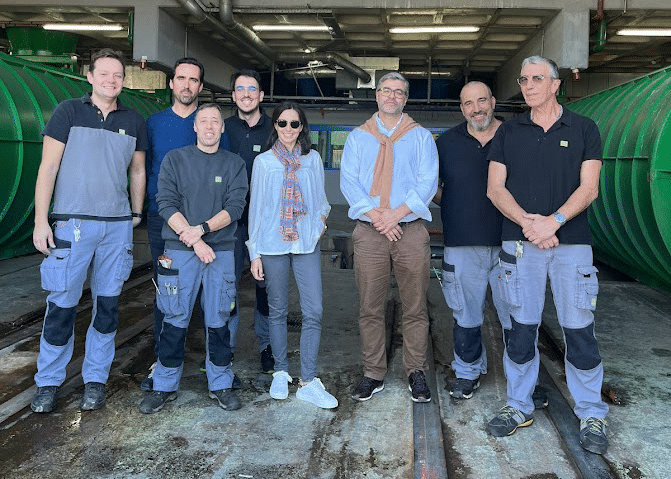
Envac Team in Lisbon, Portugal at the waste collection terminal for Expo Park

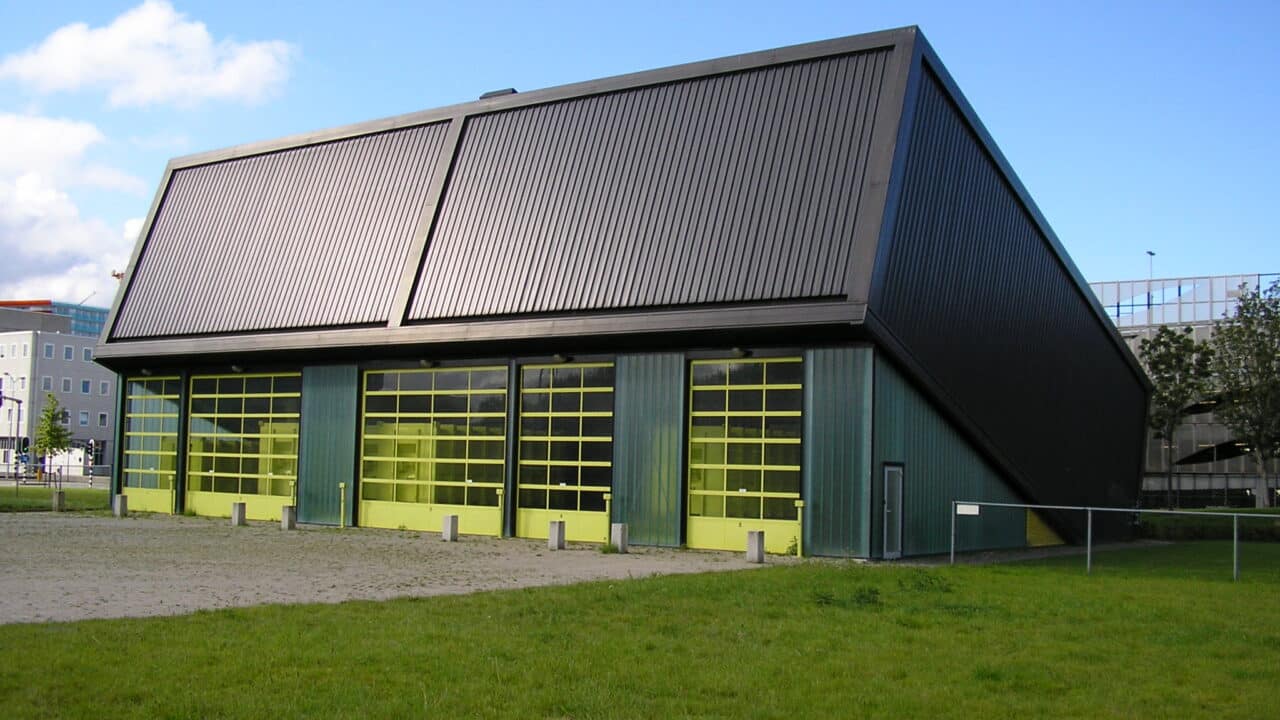
Over the course of 25 years, it has become a worldwide symbol of the significance of preserving the environment and improving the quality of life in urban areas. We take pride in knowing that initiatives like this have helped Lisbon emerge as one of the world’s capitals with such a unique feature.

Carlos Bernad President of the EMEA region of the Envac Group, about the remarkable success of the system installed at Expo Park in Lisbon

Related articles

Optical Sorting Smart City Upgrades & Retrofit

Smarter waste management in the Netherlands: from full containers to intelligent systems

The Netherlands is often seen as a frontrunner in recycling, yet municipalities still struggle with growing waste volumes, stubborn residual streams, overflowing underground containers and rising costs. This article shows how data‑driven operations, Envac automated waste collection systems (AWCS) and Envac sorting solutions, already proven in Dutch projects such as Almere and Arnhem, can help cities move from day‑to‑day firefighting to more future‑proof, integrated waste infrastructure.

Read more

Healthcare

Return on Investment in Healthcare Waste Management: Why automated collection pays off

Healthcare providers face immense pressure to deliver high-quality care while maintaining a smooth patient flow, which is crucial for keeping healthcare-associated infections (HAIs) low and preventing nurse burnout. Additionally, there is a constant need to improve infection control, maximise clinical efficiency, and expand capacity—all while adhering to strict budgetary limits. However, an often-overlooked aspect that can undermine these goals is how hospitals manage their soiled flow logistics.

Read more

Upgrades & Retrofit

From installation to long‑term asset

Once an automated waste collection system is in place, it is easy to see it as “finished”. The pipes are in the ground, the terminal is up and running, and everyday life goes on. But developments in recent years show that an Envac system is not just a technical installation – it is long‑term infrastructure that can be upgraded, optimised and extended in line with changes in the city, the regulatory framework and residents’ expectations.

Read more