Bergen’s automated waste collection secures the future for generations to come
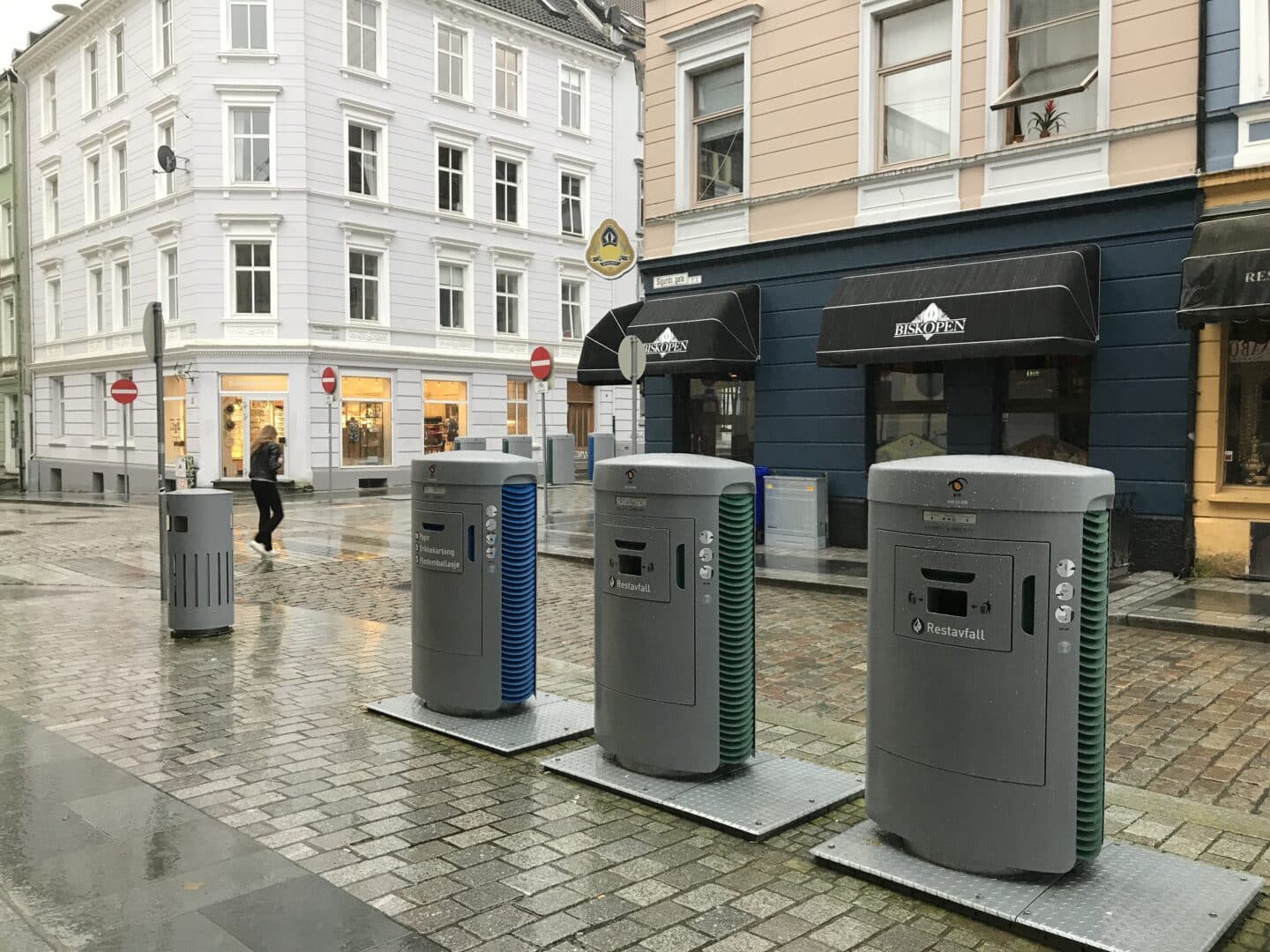
Bergen, a city located in Norway, is renowned for its historical city centre featuring narrow streets and wooden buildings. The city has taken a groundbreaking approach to preserving its cultural heritage by adopting an underground pipe-based waste collection system provided by Envac. This innovative solution is a departure from traditional bin-based waste collection, making Bergen a global leader in sustainability.
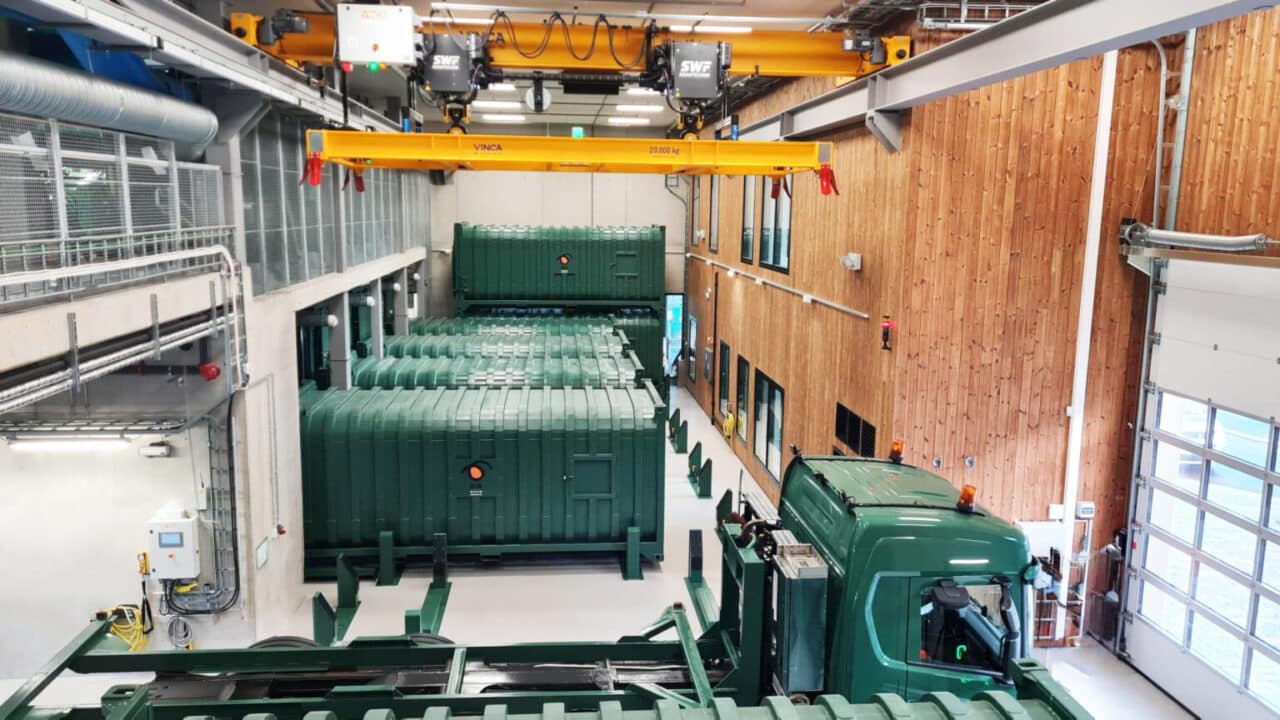
Envac has played a vital role in Bergen’s effort to become a global sustainability role model by setting up an underground waste collection system. Designed by Envac, this system uses airflow to handle up to 50 tonnes of waste every week, eliminating the need for waste collection workers to be present on the streets. The first phase of the system was installed in 2007, with plans for completion that will enable Envac’s pneumatic waste collection system to collect the waste of up to 30,000 apartments multiple times daily.
Bergen’s sustainable urban planning has been recognized with the National Energy Globe Award and the International Project of the Year Award at the World Congress on Municipal Engineering in Kansas, US. By adopting Envac, the City of Bergen has been able to protect its cultural legacy and prevent further damage to its historical streets caused by large waste collection trucks that cannot navigate Bergen’s narrow streets effectively. Additionally, it has eliminated the prospect of waste related fires and burning bins, which would be disastrous for Bergen’s timber buildings, by installing a closed system where fire – and the risk of fire spreading – is no longer possible. With this, Bergen has lowered its insurance premiums due to installing a closed waste collection system that inhibits wasterelated fires.
The City of Bergen has taken steps to ensure that its infrastructure is future-proof by installing a system that will remain operational for decades. This move reinforces Norway’s commitment to environmental sustainability. Bergen has become the first city to offer Envac’s cardboard shredding inlets in public areas.