Why Cities Are Turning to Automated Waste Networks
Cities across the world are under growing pressure to reduce emissions, improve livability, and make better use of limited public space. While transportation, housing, and energy often dominate sustainability conversations, waste infrastructure is emerging as a critical piece of the puzzle.
Traditional waste collection relies on fleets of trucks moving through neighborhoods on fixed schedules. These routes contribute to congestion, noise, emissions, and wear on city streets. As density increases, the limitations of this model become more apparent.
Automated waste networks offer cities a smarter alternative.
The Limitations of Traditional Collection in Dense Cities
In compact urban environments, curbside waste collection competes with pedestrians, cyclists, and public transit. Trucks block lanes, create safety risks, and generate noise during early morning or late-night pickups.
Bins and dumpsters also occupy valuable sidewalk and street space. In busy districts, they detract from the visual environment and reduce accessibility. As cities grow taller and denser, scaling this approach becomes increasingly inefficient.
Municipal leaders are recognizing that sustainability goals cannot be met with infrastructure designed for a different era.
For an overview of how Envac supports municipal waste infrastructure, visit:
https://www.envacgroup.com/us/envac-city/
How Automated Waste Networks Change the Equation
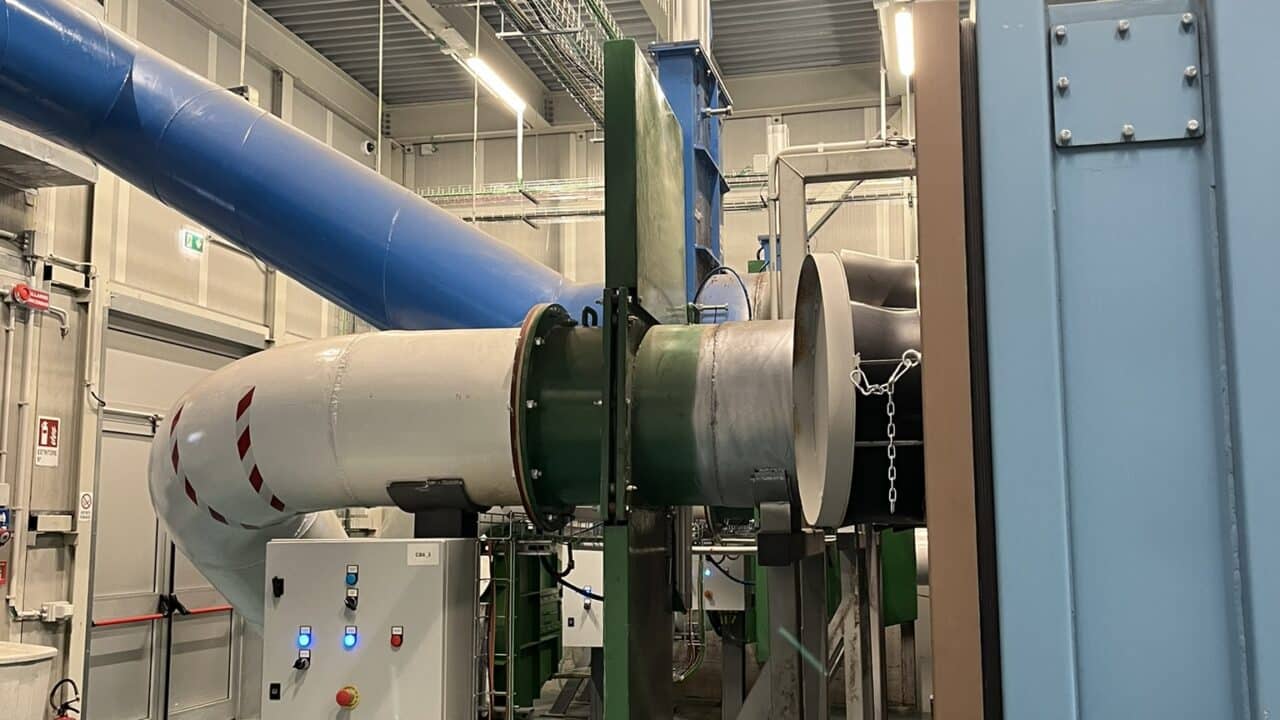
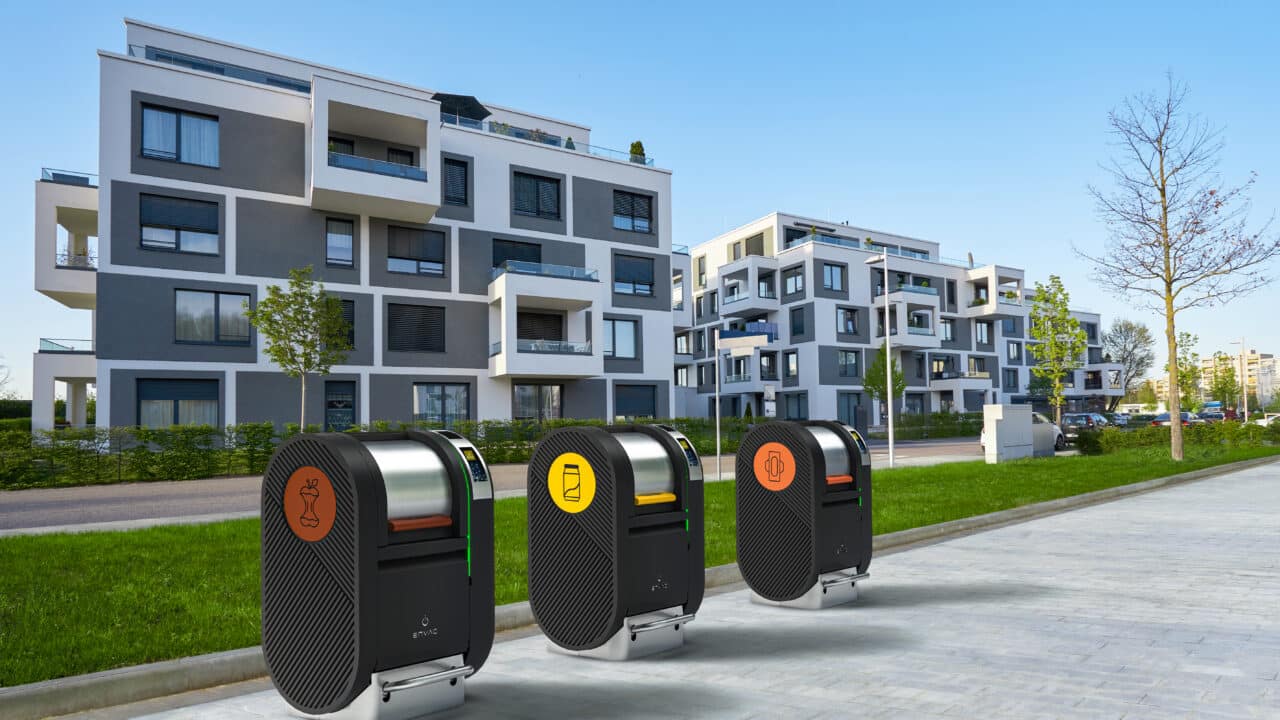
Automated waste collection systems transport waste through underground or enclosed pipe networks to centralized collection points. Waste is deposited at neighborhood inlets and removed without trucks circulating through streets each day.
This model delivers immediate and measurable benefits. Truck traffic is significantly reduced. Noise levels drop. Emissions decline. Streets become safer and more accessible for residents and visitors.
Because waste is contained within a sealed system, odors and litter are minimized, improving overall cleanliness and public perception.
Envac’s approach to automated waste collection in cities is outlined here:
https://www.envacgroup.com/what-we-do/automated-waste-collection-system/
Supporting Climate and Emissions Goals
Transportation is a major contributor to urban emissions. By reducing the number of collection vehicles required, automated waste networks help cities lower their carbon footprint.
Fewer truck routes mean fewer miles driven and less fuel consumed. Over time, this reduction supports climate action plans and sustainability reporting while delivering visible improvements at street level.
Automated systems also support higher compaction efficiency and more consistent waste handling, which further reduces environmental impact.
More on Envac’s sustainability impact can be found here:
https://www.envacgroup.com/sustainability/
Creating Better Public Spaces
Cities are increasingly prioritizing people-first design. Walkable streets, bike-friendly corridors, and active public spaces all depend on reducing vehicle dominance.
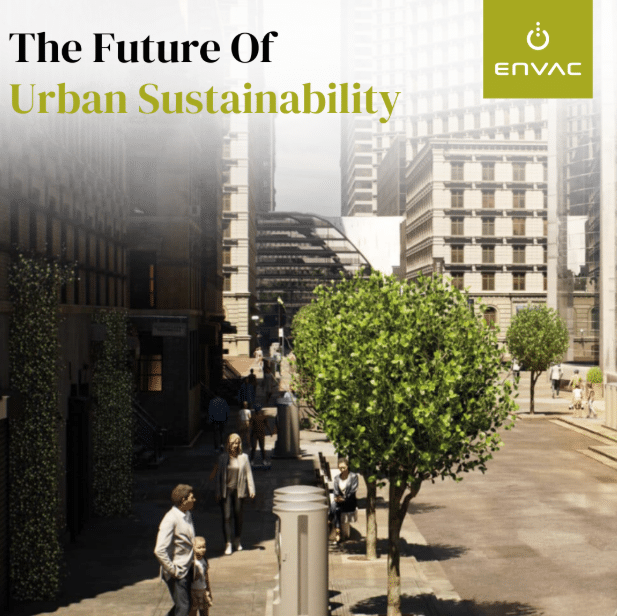
By removing daily waste truck traffic and surface-level bins, automated waste networks free up space for trees, seating, bike lanes, and wider sidewalks. These improvements enhance quality of life and make urban districts more attractive for residents, businesses, and visitors.
Clean and quiet streets encourage greater use of public spaces and strengthen community engagement.
A Scalable Solution for Growing Cities
One of the greatest advantages of automated waste networks is scalability. As new neighborhoods are developed or existing districts are densified, systems can be expanded to meet demand without increasing surface disruption.
This flexibility allows cities to plan infrastructure that supports long-term growth rather than short-term fixes. Automated systems integrate well with smart city strategies, supporting data-driven management and efficient operations.
Building the Cities of Tomorrow
Urban sustainability depends on infrastructure choices that balance efficiency, environmental responsibility, and livability. Automated waste networks address all three.
Cities that invest in modern waste infrastructure are not only reducing costs and emissions. They are creating cleaner, safer, and more resilient environments designed for future generations.
As municipalities look ahead, automated waste collection is becoming a foundational element of sustainable urban development.