Most organizations want to recycle more. Buildings install split bins. Cities promote sustainability campaigns. Facilities invest in signage and education. Yet despite these efforts, recycling rates often remain low and contamination remains high.
The problem is not intent. It is infrastructure.
Traditional waste systems are not designed to protect recycling streams once materials leave the bin. As a result, much of what is labeled as recyclable never actually gets recycled.
Where Recycling Breaks Down
In conventional systems, waste and recyclables are often separated only at the point of disposal. From there, they are manually handled, moved on shared carts, stored in the same holding rooms, or combined during transport to loading docks.
Even when separate dumpsters are provided, inconsistent handling and overflow frequently result in cross contamination. Bags tear. Carts are mixed. Staff prioritize speed over separation. By the time materials reach a collection truck, the recycling stream is often compromised.
This breakdown happens quietly and repeatedly, undermining sustainability goals without being immediately visible.
The Limits of Education Alone
Many recycling programs focus on education and behavior change. While important, education cannot compensate for systems that make proper separation difficult to maintain.
When staff must manually move materials through long corridors or shared service areas, maintaining perfect separation becomes unrealistic. Over time, even well intentioned programs fail because the infrastructure does not support them.
Sustainable outcomes require systems that protect separation automatically, not ones that rely on constant human intervention.
How Automated Waste Systems Preserve Separation
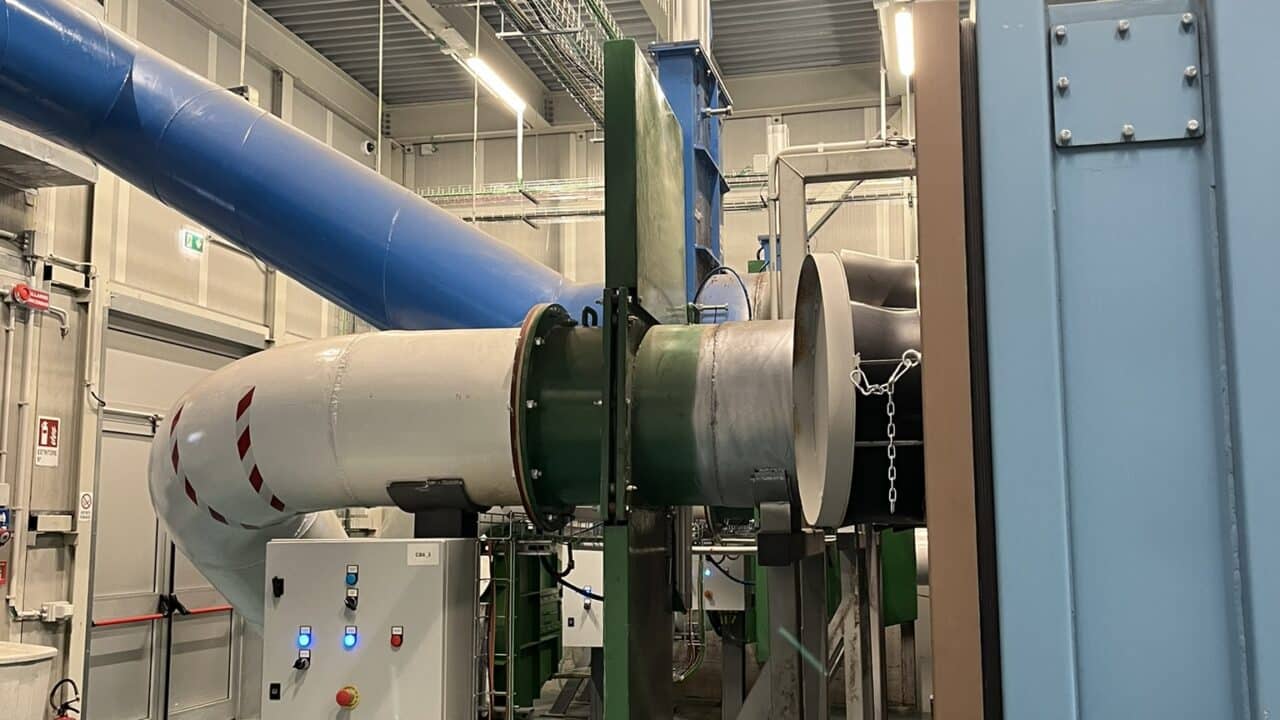
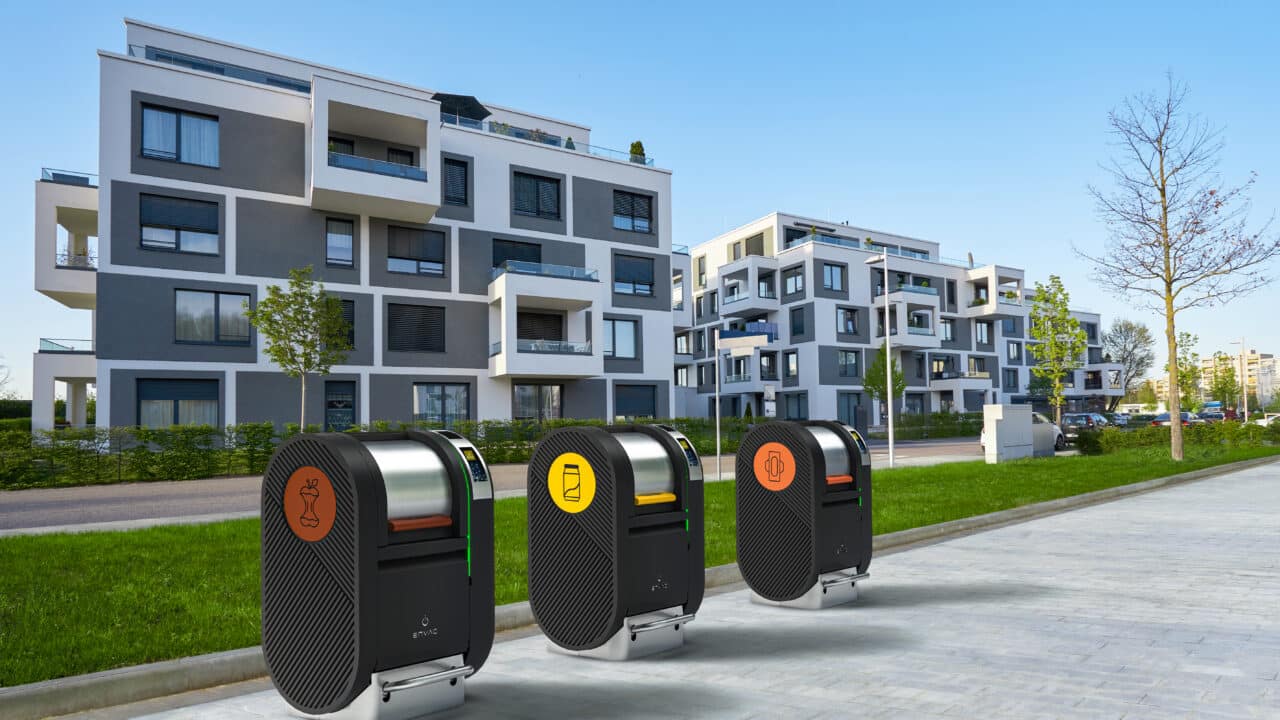
Automated waste collection systems maintain separation from the moment materials are deposited. Different waste streams are assigned dedicated inlets and transported through separate pipes to individual collection containers.
There is no shared cart, no mixed holding room, and no opportunity for streams to combine during transport. Separation is preserved end to end.
This infrastructure-driven approach increases actual recycling capture rates and reduces contamination, making recycling programs more effective and more credible.
Envac’s automated waste collection systems are designed to support multi-stream separation in dense environments.
Learn how automated waste collection works:
https://www.envacgroup.com/what-we-do/automated-waste-collection-system/
Supporting Municipal and Facility Sustainability Goals
For cities and large facilities, accurate recycling performance matters. Sustainability reporting, ESG commitments, and regulatory compliance all depend on real outcomes, not assumptions.
Automated systems provide more predictable handling and can support data collection around waste volumes and stream performance. This visibility helps organizations measure progress and identify opportunities for improvement.
Envac’s experience supporting municipal and large-scale sustainability initiatives can be explored here:
https://www.envacgroup.com/sustainability/
Infrastructure Drives Outcomes
Recycling does not fail because people do not care. It fails because the systems behind it were not built to succeed.
By treating waste separation as infrastructure rather than behavior, automated systems remove friction, reduce contamination, and deliver measurable environmental benefits. For organizations serious about sustainability, investing in the right waste infrastructure is one of the most effective steps they can take.