Waste management is often invisible until it fails. Cities, hospitals, and large facilities rely on scheduled truck routes to keep operations running smoothly. But when those routes are disrupted, the impact is immediate and hard to ignore.
Snowstorms, hurricanes, labor strikes, and emergency conditions can bring traditional waste collection to a halt. Waste does not stop being generated. It simply accumulates, creating sanitation risks, odor issues, and operational strain. As resilience becomes a core planning priority, many organizations are rethinking how waste is handled.
Automated waste systems offer a fundamentally different approach.
The Fragility of Traditional Waste Collection
Conventional waste management depends on surface transportation. Trucks must access every building, follow predictable schedules, and operate safely regardless of weather or external conditions. When any part of that system breaks down, waste piles up quickly.
In dense urban areas, blocked streets and unsafe driving conditions delay pickups. In hospitals, staff are forced to store waste in holding rooms or move it longer distances through corridors. These stopgap measures increase exposure risk, create odor problems, and divert staff from critical work.
Traditional systems were never designed for resilience. They were designed for normal conditions.
Why Resilience Matters in Hospitals and Cities
Hospitals cannot pause operations during disruptions. Patient care continues, waste and linens continue to be generated, and safety standards must be maintained. When truck-based collection fails, hospitals face increased infection risk and operational pressure.
Cities face similar challenges. Overflowing bins and missed pickups quickly become public health concerns. Streets and sidewalks cluttered with waste damage public trust and quality of life.
Resilient infrastructure is defined by its ability to function under stress. Waste systems are no exception.
How Automated Waste Systems Keep Waste Moving
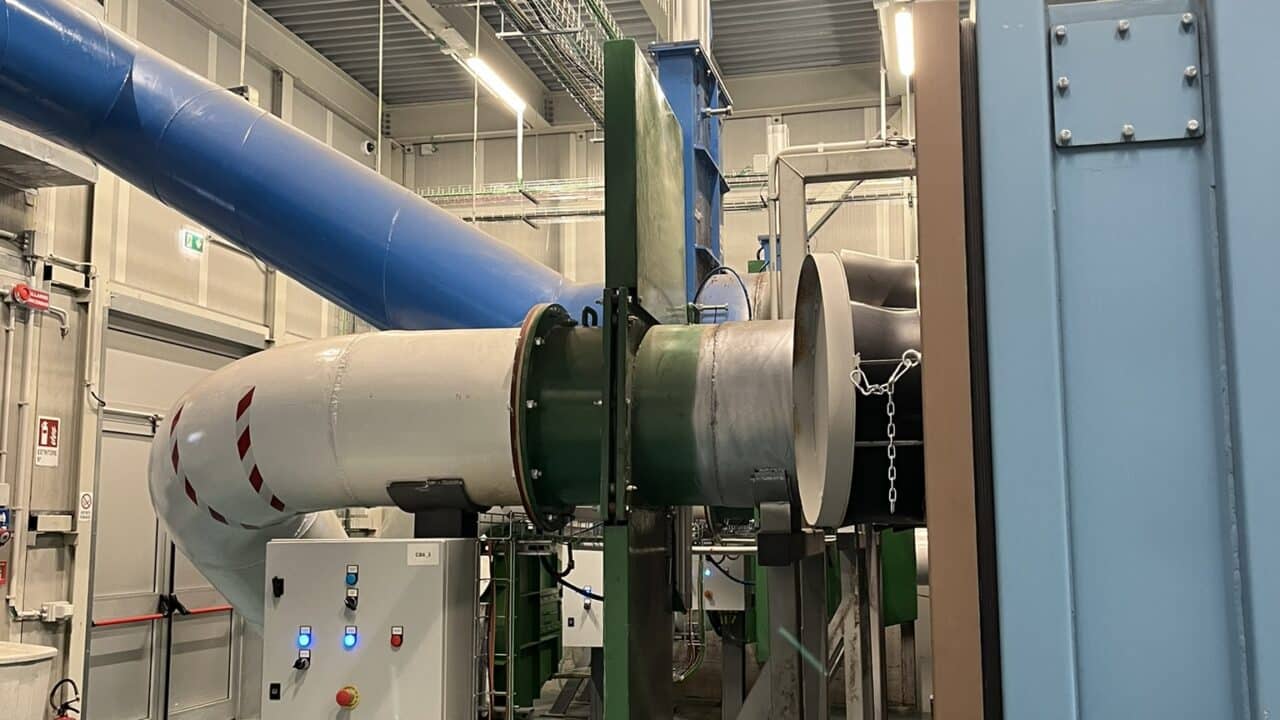
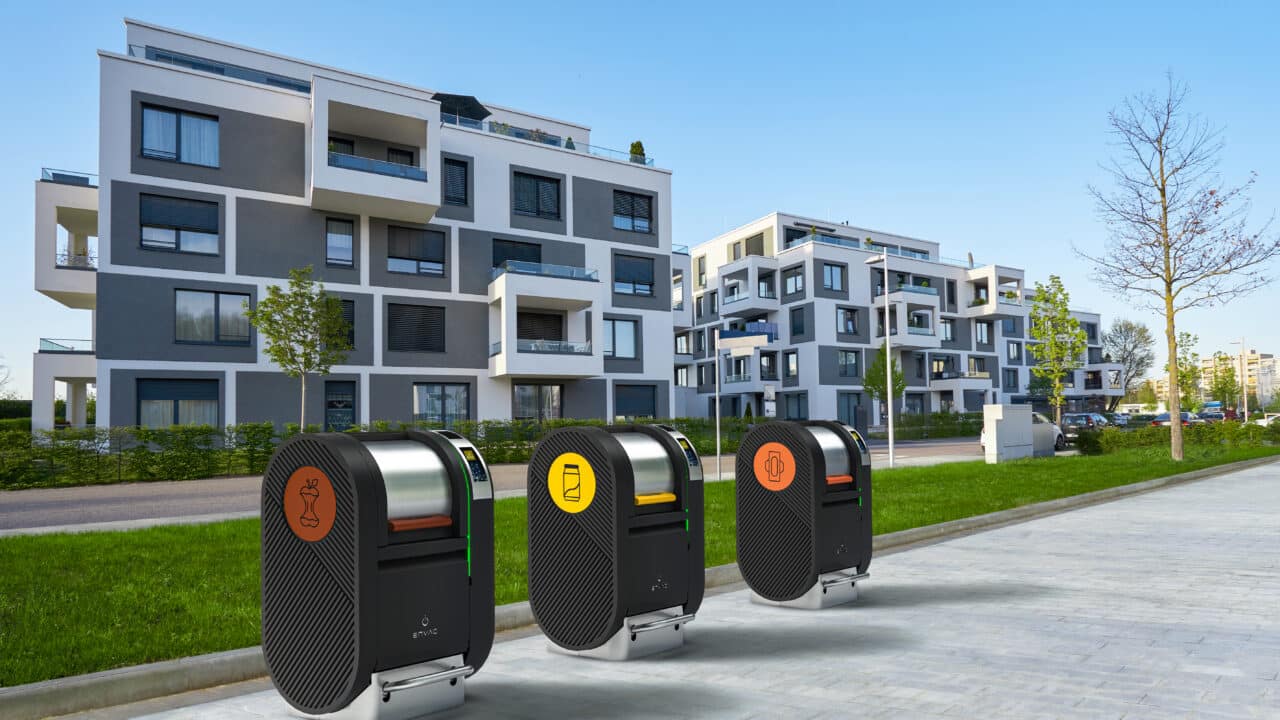
Automated waste collection removes dependence on daily truck routes. Waste is transported through sealed underground or enclosed pipes from disposal points to a centralized collection location. The system operates regardless of surface conditions.
When trucks cannot access a site, waste continues to move safely within the system and can be stored securely at the collection point until removal is possible. This prevents overflow, reduces exposure, and keeps operations running smoothly.
Envac’s approach to automated waste infrastructure is designed to treat waste like other critical utilities, operating continuously in the background.
Learn more about how automated waste collection works:
https://www.envacgroup.com/what-we-do/automated-waste-collection-system/
Reducing Risk and Improving Safety
Resilience is not only about continuity. It is also about safety. Automated systems eliminate the need for staff to transport waste across icy lots, flooded streets, or crowded corridors. Trucks are not forced to operate in unsafe conditions, and waste is kept contained throughout the disruption.
For hospitals, this means fewer exposure points and safer workflows. For cities and large developments, it means cleaner public spaces and fewer emergency sanitation measures.
A Shift Toward Infrastructure Thinking
Public sewer systems are designed to function regardless of weather or labor availability. Automated waste collection applies the same principle to solid waste. By moving waste underground and automating transport, facilities gain a system that is predictable, contained, and resilient.
This shift transforms waste from a logistical vulnerability into reliable infrastructure.
Envac’s experience supporting resilient city-scale systems can be explored here:
https://www.envacgroup.com/us/envac-city/
Planning for the Next Disruption
Disruptions are no longer rare events. Climate impacts, labor challenges, and urban density make them increasingly common. The question is no longer if traditional waste collection will fail, but how often.
Automated waste systems provide a proven way to keep cities and hospitals operating safely when surface-based systems cannot. For organizations focused on resilience, waste infrastructure can no longer be an afterthought.
It must be designed to work when conditions are at their worst, not just when everything goes right.