4
fraktioner
papper, konfidentiellt papper, restavfall och plast
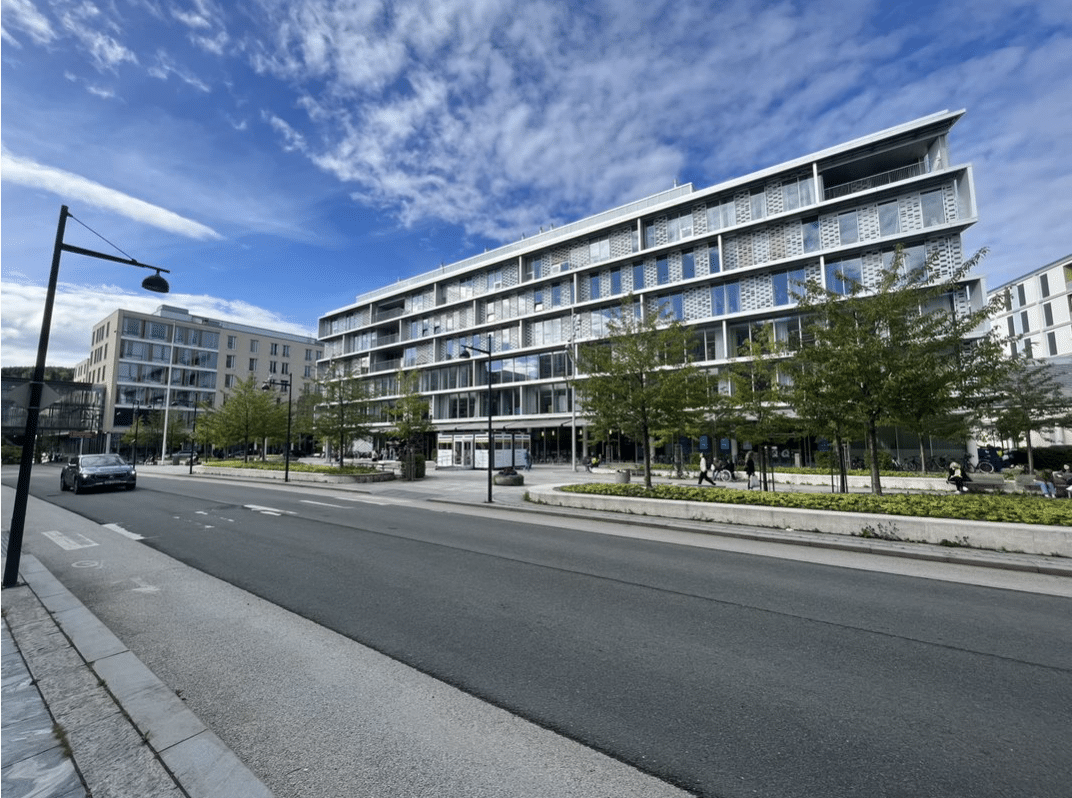
St. Olavs sjukhus är ett universitetssjukhus med visionen att kunna erbjuda utmärkt vård till befolkningen i centrala Norge.
St. Olavs sjukhus i Trondheim har en yta på 206 600 kvadratmeter och mer än 8 600 anställda. Sjukhuset grundades 1901 och hade initialt bara sju byggnader, men det har genomgått betydande uppgraderingar och omvandlingar under de senaste tre decennierna. Sjukhuset genomgick ett omfattande ombyggnadsprojekt, vilket resulterade i nya byggnader och anläggningar. Det nya sjukhuset har över 900 bäddar och har infört flera innovativa åtgärder för att säkerställa effektiv och ändamålsenlig avfallshantering.
AUTOMATISK AVFALLSHANTERING PÅ SJUKHUSET
En av de mest anmärkningsvärda åtgärder som sjukhuset har vidtagit är installationen av Envacs automatiska avfallshanteringssystem. Systemet är utformat för att samla in fyra olika avfallssorter: papper, konfidentiellt papper, restavfall och plast.
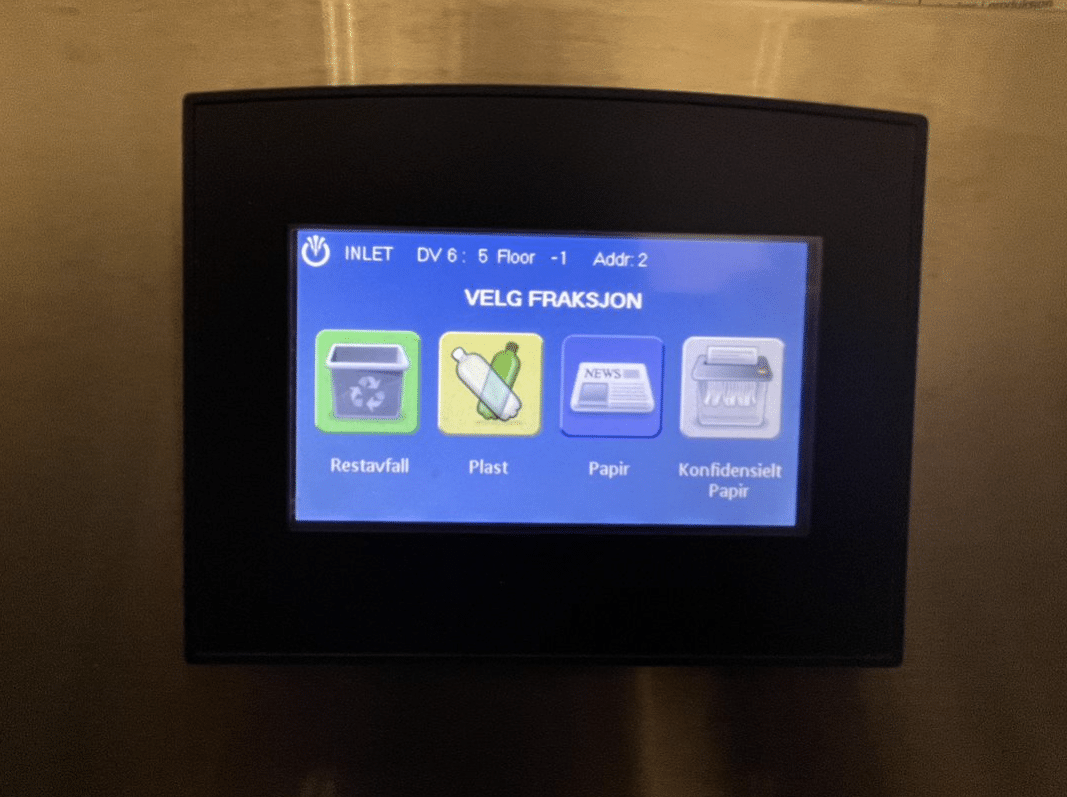
Det krävs bara ett inkast för alla fyra fraktioner, som är anslutet till ett underjordiskt rörnätverk och automatiskt sorterar avfallet i separata behållare. Systemet, även känt som Sortera-mera, erbjuder en hög servicenivå samtidigt som det uppfyller sjukhusets strikta krav på hygien, arbetsmiljö och säkerhet. Inkasten med skärmar på varje våningsplan har fyra olika alternativ. Detta hjälper till att kontrollera vilken typ av avfall som hamnar i motsvarande behållare i slutet av rörnätverket.
När en användare väljer ett alternativ för den valda typen av avfall, använder systemet lufttryck för att transportera avfallet till insamlingsstationen. Därefter dirigeras det till rätt avfallsbehållare. Systemet är också anslutet till Øya Helsehus, ett 20 000 kvadratmeter stort vårdhem för särskilda behov och äldre. Läs mer om St Olav sjukhus.
fraktioner
papper, konfidentiellt papper, restavfall och plast
avfall samlas in per år
inkast
med pekskärm och sensor
kvm
sjukhusets totala yta
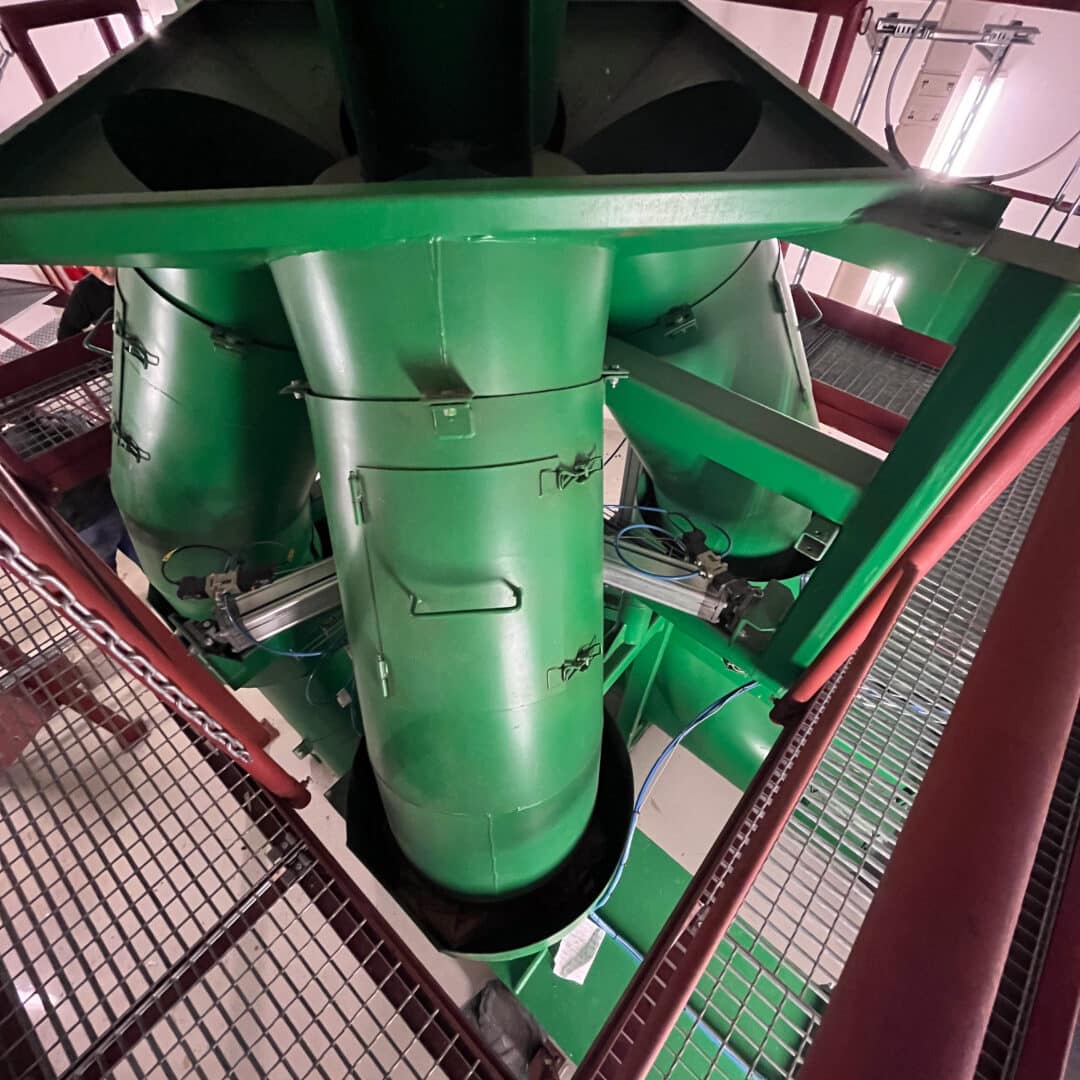
Sortera-mera är en mekanism utvecklad av Envac för hantering av upp till fyra olika avfallsfraktioner. Sortera-mera är installerad längst ned i ett vertikalt avfallsschakt och fungerar som en flerförgrenare och en mellanlagring.
Huvudkomponenter:
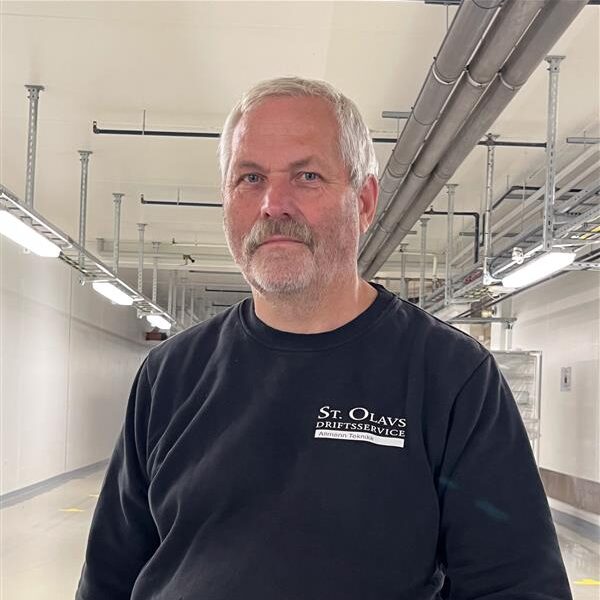
The hospital is easier to maintain, clean and tidy. The wastemanagement system is designed to expose no bacteria associated with the waste throughout the facility, resulting in no unpleasant odour in the hospital wards, corridors, or collection stations. The system can handle large volumes of waste, requiring less workforce for waste management
St Olavs Hospital, Norway – Lars Nordvik Facility Manager, St Olavs Hospital, Norway
Sjukhussystemet har en lång livscykel men i en ständigt föränderlig och dynamisk miljö föreslår Envac modernisering med följande förbättringar:
Trondheim, Norge
For å se alle våre prosjekter, klikk her.
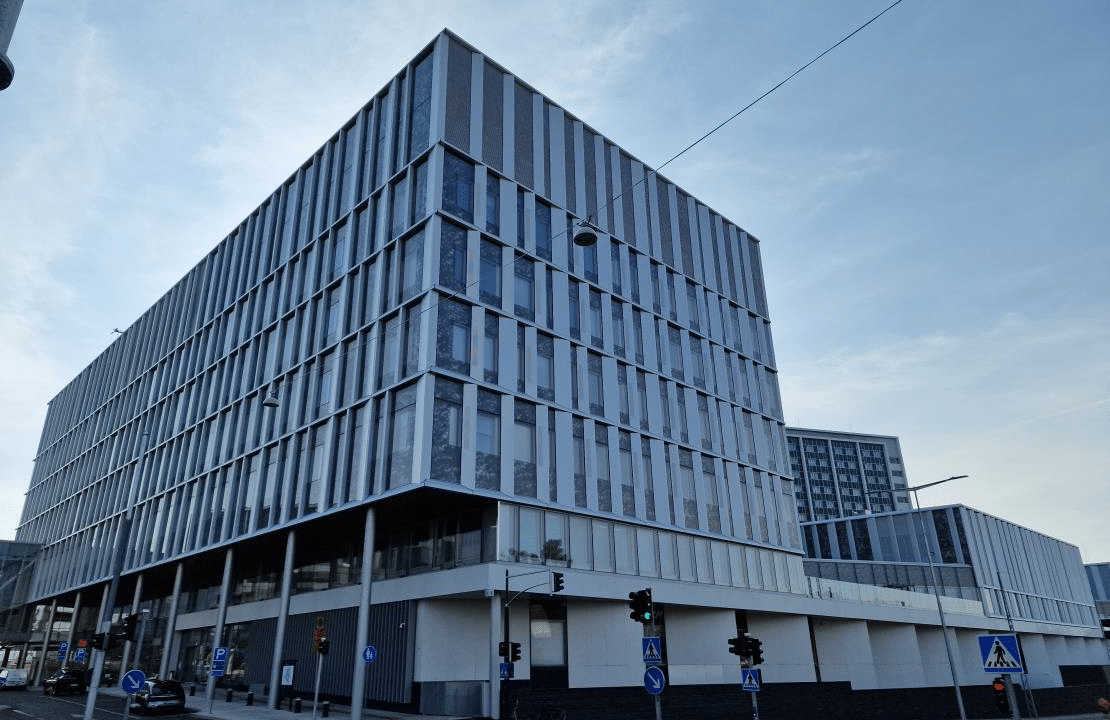
Helse- og omsorgsbygg Helsinki, Finland
Envac Finland har innført et forbedret avfallshåndteringssystem ved The Bridge Hospital, som har resultert i forbedret sikkerhet og effektivitet. Systemet dekker generelt avfall, vertikale sjakter av skittent lin og automatiserte plattformtransportører i hver etasje, noe som reduserer behovet for ansatte og pasienter til å transportere avfall gjennom ganger og heiser.
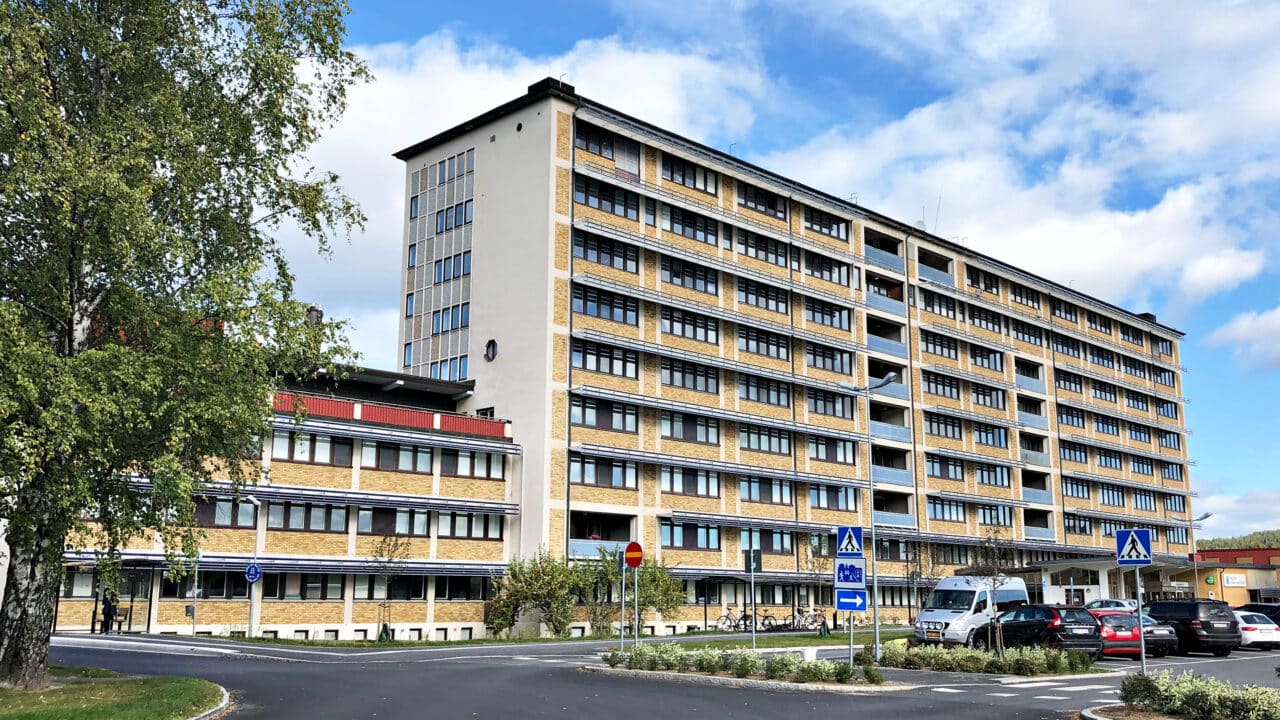
Helse- og omsorgsbygg Sollefteå, Sverige
Det er i Sollefteå at historien om avfallssugsystemet til Envac begynner. Sykehuset skulle installere et sentral-støvsugersystem fra selskapet Centralsug AB – forløperen til Envac AB.