Envac has committed to making its global operation carbon neutral by 2030 following the publication of its annual sustainability report. Launched this month, the report illustrates the Stena Adactum-owned firm’s environmental, economic and social achievements throughout 2021.
Envac, the global pioneer of the pneumatic waste collection system (PWCS), is gearing for further growth following its decision to acquire Precision AirConvey (PAC), a US firm specialising in manufacturing, installing and servicing trim and matrix removal systems for the labels, paper, film and sheet industries.
Envac, the pneumatic waste collection system that is shaping smart cities’ waste strategies worldwide, is about to make a permanent visit to Reykjavik’s main hospital after winning the contract to install its technology in the New Landspitali Hospital (NLSH).
“This report gives structure to how Envac showcases the positive impact our products have had for decades. With this report, I am sure that our customers and other stakeholders can better appreciate Envac as a sustainable business partner,” says Joakim Karlsson, CEO and President Envac Group.
Envac, the global architect of the pneumatic waste collection system (PWCS), has opened 2021 by commemorating 60 years since it unveiled the world’s first ever PWCS with a rebrand.
Waste collection truck trips within the development have been reduced by up to 80% and the requirement for space within buildings for waste storage has decreased by 70% saving plot developers money.
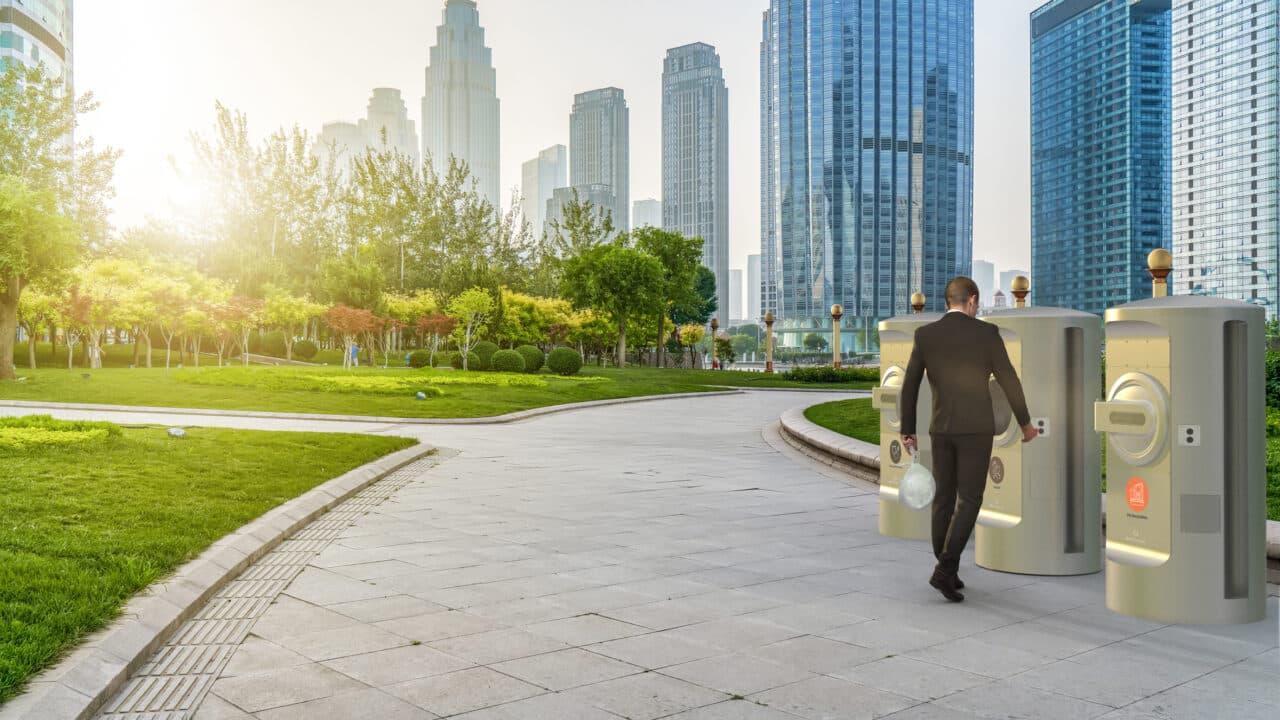
The agreement between White Peak and Envac aims to apply Envac’s world leading waste management technology, which has been adapted to meet the demands of the fast growing Chinese market.
Envac has appointed another contracts manager as it prepares for what its General Manager claims will be the year of AWCS as multiple developments across the UK include the technology in planning applications.
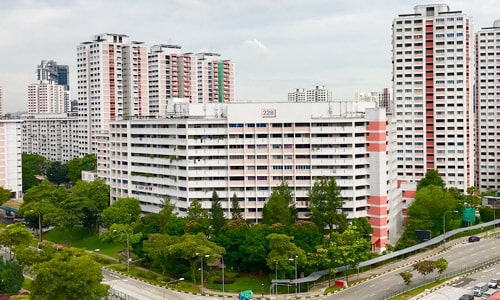
Singapore has increased its commitment to pneumatic waste conveyance systems (PWCS) after Parliament passed changes to the Environmental Public Health Act in a move that will now see the technology rolled out district-wide as opposed to on a development-by-development basis.
Singapore has paved the way for sustainable waste collection via pneumatic waste conveyance systems (PWCS) following its decision to make the technology mandatory in new non-landed developments with at least 500 dwellings.