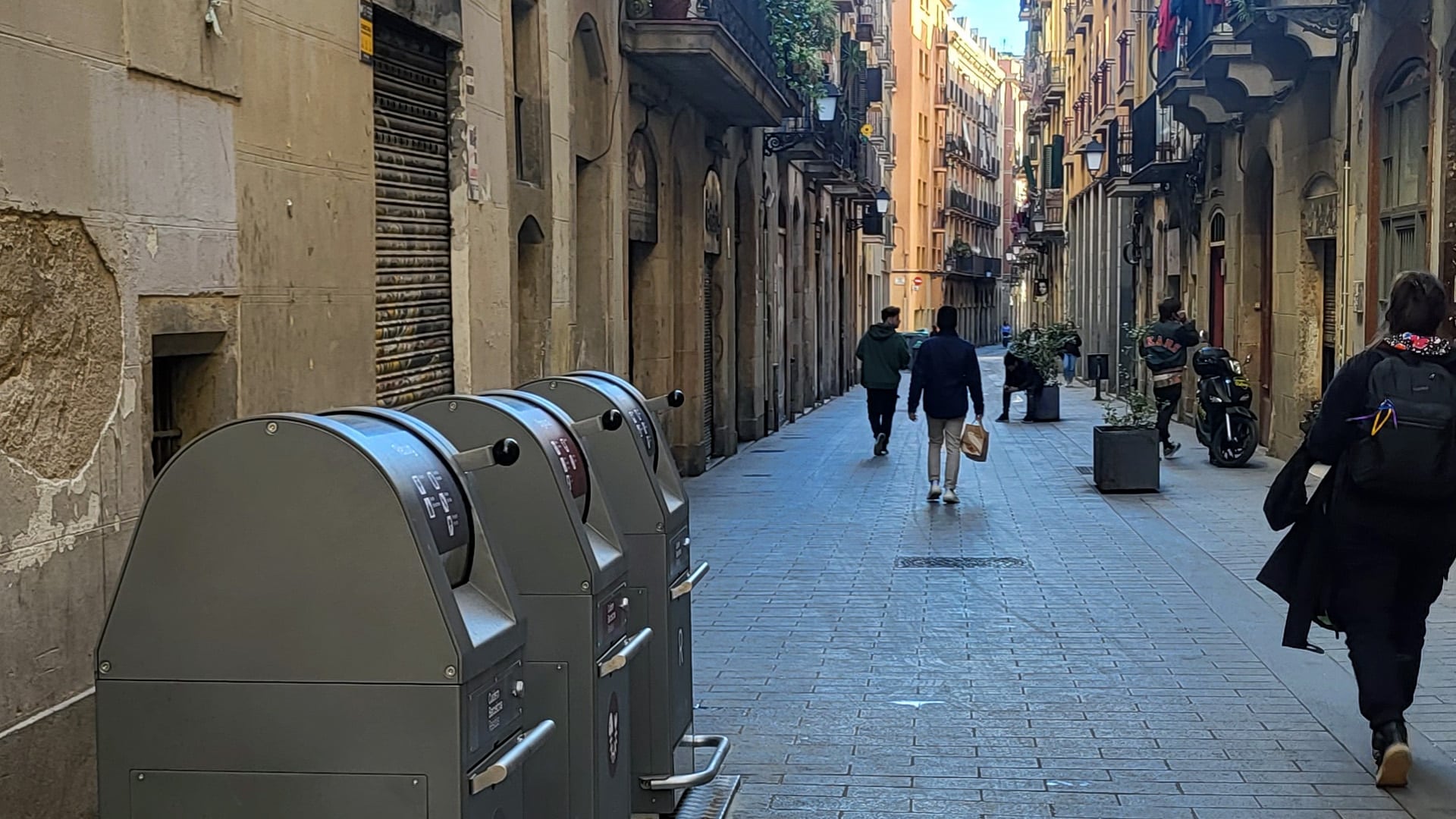
New updates to Spain’s building regulations are expected to make automated waste collection systems (AWCS) more appealing to developers and accelerate the rollout of the technology in densely populated towns and cities throughout the country.
The changes, which were published as clarifying comments to Código Técnico de la Edificación de España (CTE) – Spain’s technical building code – state that developers who install AWCS are now exempt from having to build storage rooms specifically to house waste containers.
The CTE states that for every apartment built in Spain, 0.8 m2 must be allocated to waste container storage space. This requirement no longer applies to developers installing AWCS.
The move, which frees up significant space that has traditionally had to be set aside for waste storage, will now reduce developers’ build costs, the average rate of which in Spain is €700 per sq. m. This saving alone typically represents 60 per cent of the cost required to install AWCS.
On the CTE’s decision to officially acknowledge AWCS in Spain’s technical building code, Carlos Bernad, Envac Iberia’s President, comments: “This is a pivotal moment for automated waste collection and one that makes Envac a much more viable proposition for developers. Whereas automated waste collection is often engineered out, as there is no incentive for a developer to include the technology if it also has to build specific storage areas, the revision to the code now makes a case for actually engineering Envac. In doing so, it is likely to either increase developers’ profits or significantly reduce their build cost.”
In some Spanish cities, the change to the code may lead to developers using the previously ring-fenced space for further commercial development, such as creating additional apartments and adding capital value to a project.
The barrier to a wide scale rollout in Spain has never been the end users; in developments throughout Spain where Envac is installed there is always a huge approval rating for its ability to reduce negative environmental impact, ease of use and ability to keep areas clean. The barrier is generally with the developer, who sees no value in installing automated waste collection if they also have to bear the cost of building waste storage facilities. The CTE’s decision not only removes that barrier but incentivises developers to add value to their developments by installing it.
Carlos concludes