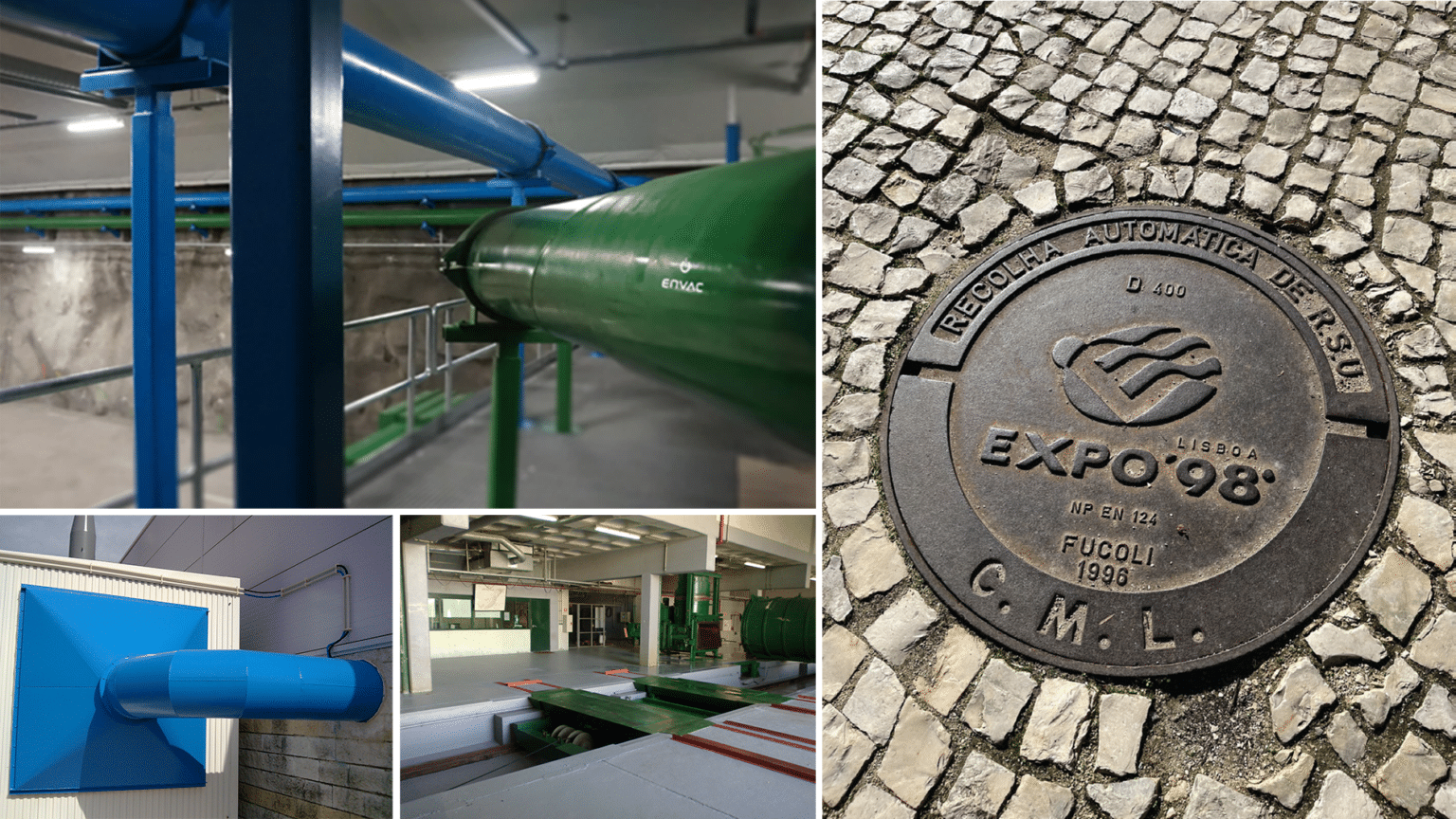
The Expo Park Automatic Waste Collection System (AWCS) spent its first 25 years with
distinction, fulfilling the initial objectives – safety, efficiency, robustness and operability. The leap into the future forces us to face new challenges that, from now on, society puts on the table, as well as the rest of the public services.
System improvement
Prepare the mechanical infrastructure to face the next 25 years. Conform to the requirements of safety standards and conform to the strength of materials. Incorporation of Artificial Intelligence that will enable maximum efficiency in the collection process according to the current parameters. Optimisation of consumption derived from collection according to actual needs.
Improvements for users
To improve waste management services, user identification, individual aperture sensors and volume or weight counters are essential. Gathering and analysing data on waste will enable us to offer users comprehensive information about the service they can receive. This information can be accessed through websites or mobile applications. Using non-contact opening systems and information screens at the inlets on the street can also help improve the overall waste management efficiency. Additionally, incorporating new collection fractions can further enhance the waste management process.
Aesthetical renovations
Deep cleaning of both interior and exterior areas; painting of both interior and exterior
walls, with replacement of missing or damaged elements; painting of equipment; interior resurfacing; renovation of sanitary facilities; and restoration of the old filter room are some of the aesthetical improvements that will increase the longevity of the system.
Energy efficiency
There is a possibility of reducing electricity consumption by about 15% with the help of the Envac Automation Platform (EAP). This platform can configure the system requirements based on machine learning and big data, which can further reduce the cost of equipment maintenance. It also helps extend the equipment’s useful life and filter service life by approximately 20%.
Finally, Envac’s automated waste collection system lays the groundwork for a future of datadriven waste management. Unlike traditional waste collection methods, the system does not depend on human input to determine how it operates and where enhancements can be made.
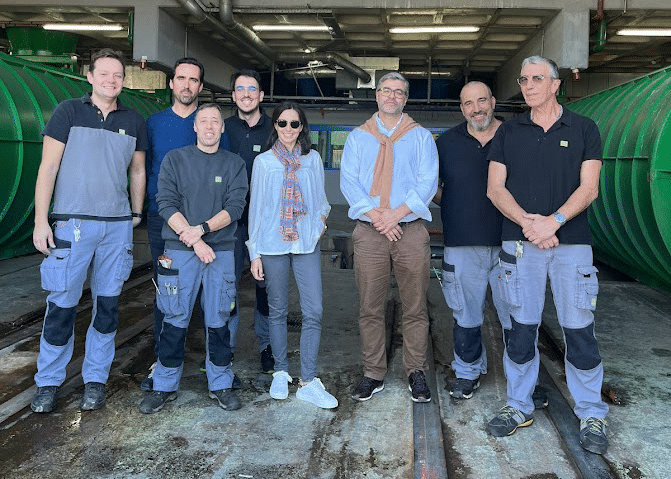
Envac Team in Lisbon, Portugal at the waste collection terminal for Expo Park