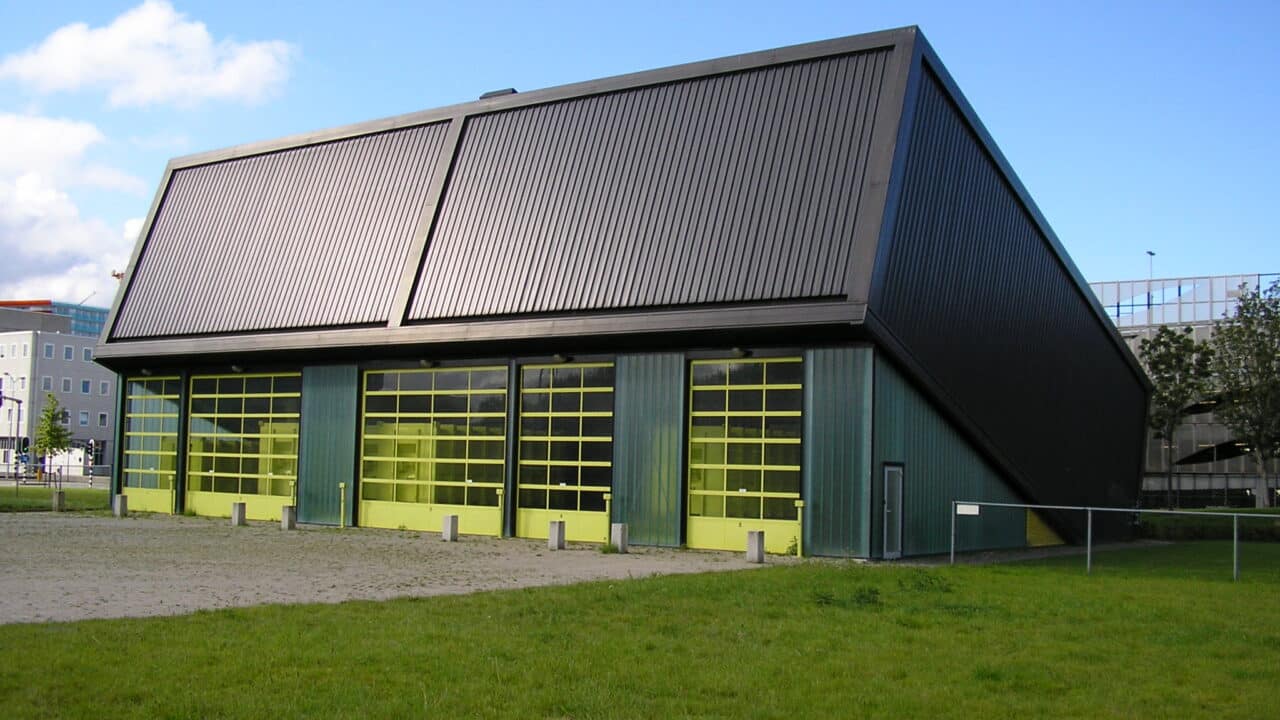
Envac’s pneumatic waste collection system (PWCS) enables commercial spaces like shopping malls to achieve new heights in terms of space savings, hygiene, clean ambience, and operational efficiency.
PWCS uses vacuum technology to transport waste from individual collection points to a central waste station. The system is widely used in high-density areas, including malls, airports, and hospitals, and has several benefits over traditional waste management methods.
Here are some of the key benefits of installing PWCS in a mall
1. Improved User Well-being:
The manual transportation of waste in a mall can pose a significant health risk to workers and shoppers. PWCS eliminates the need for manual waste transportation, reducing the risk of exposure to harmful waste materials and improving user well-being.
2. Reduced Manual Labour:
PWCS significantly reduces the amount of manual labour required for waste collection. The system eliminates the need for workers to manually transport waste from collection points to the central waste station, reducing the risk of injury and improving the overall efficiency of waste collection.
3. More Spacious and Aesthetic Ambiance:
Traditional waste management methods involving garbage bins and waste vehicles can make hallways and corridors crowded and unpleasant. With PWCS, the hallways and corridors are free of garbage bins and waste vehicles, creating a more spacious and aesthetic ambience. Developers can plan effectively with the empty space, creating more functional and attractive public spaces.
4. Environmentally Friendly:
PWCS is designed to be environmentally friendly, reducing carbon emissions by up to 90%. The system eliminates the need for heavy vehicles and promotes waste sorting, reducing the carbon footprint of waste management.
5. Cost and Operational Efficiency:
PWCS leads to considerable savings by minimising resource requirements and increasing retail and service yard areas available for leasing and car parking within the first year of implementation*. The operational costs of PWCS are lower than those of a comparable conventional collection system, both in terms of in-building management and refuse collection.
Here are some important areas to consider:
- The public litter bins in and around the mall can be connected to the PWCS system.
- The food waste from restaurants and food courts in the mall can be collected using a kitchen waste system that can be sorted and used to create energy.
As we strive for a sustainable future, embracing eco-friendly and cost-effective solutions that benefit both humans and the environment is vital. PWCS offers a plethora of advantages, including reduced manual labour, improved user well-being, and a more spacious and aesthetic ambience. Additionally, its implementation in malls and high-density areas can help developers create more attractive and functional public spaces while improving the overall efficiency of waste management. By adopting PWCS, we can move towards a sustainable future, prioritising environmental friendliness and cost-effectiveness.
*Based on a feasibility study done by SLR Consulting on two shopping centres in the United Kingdom.