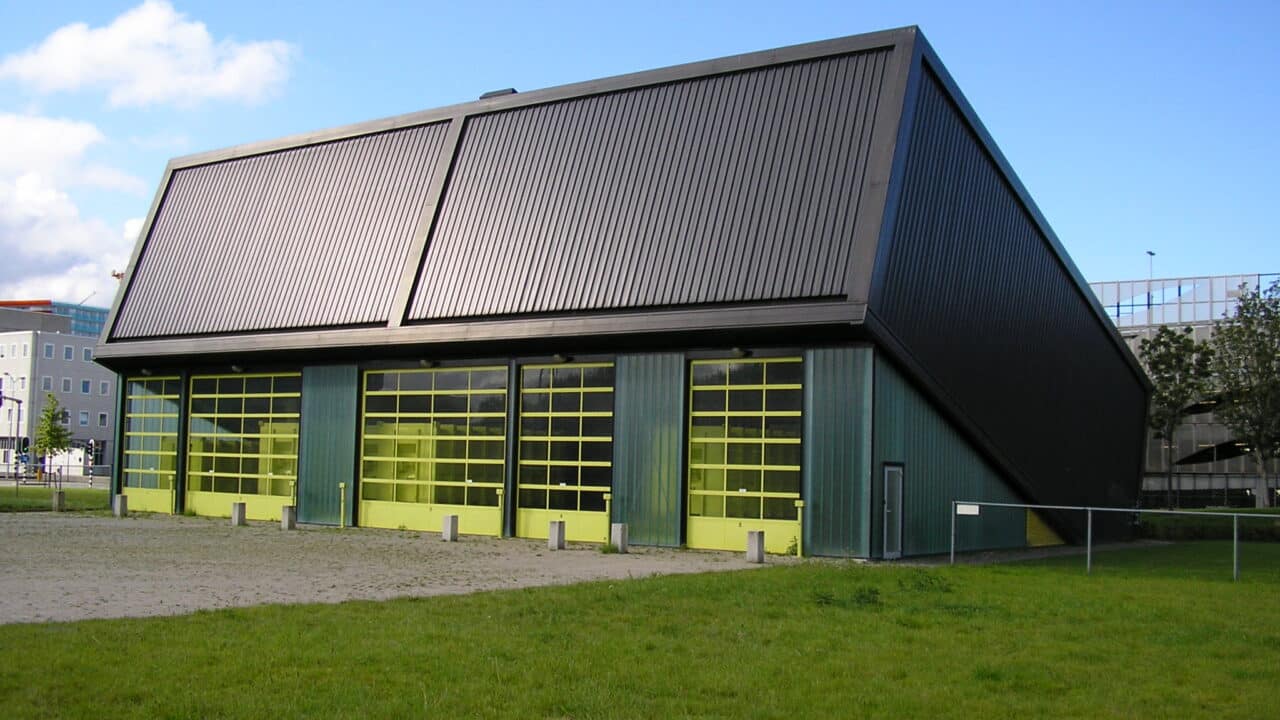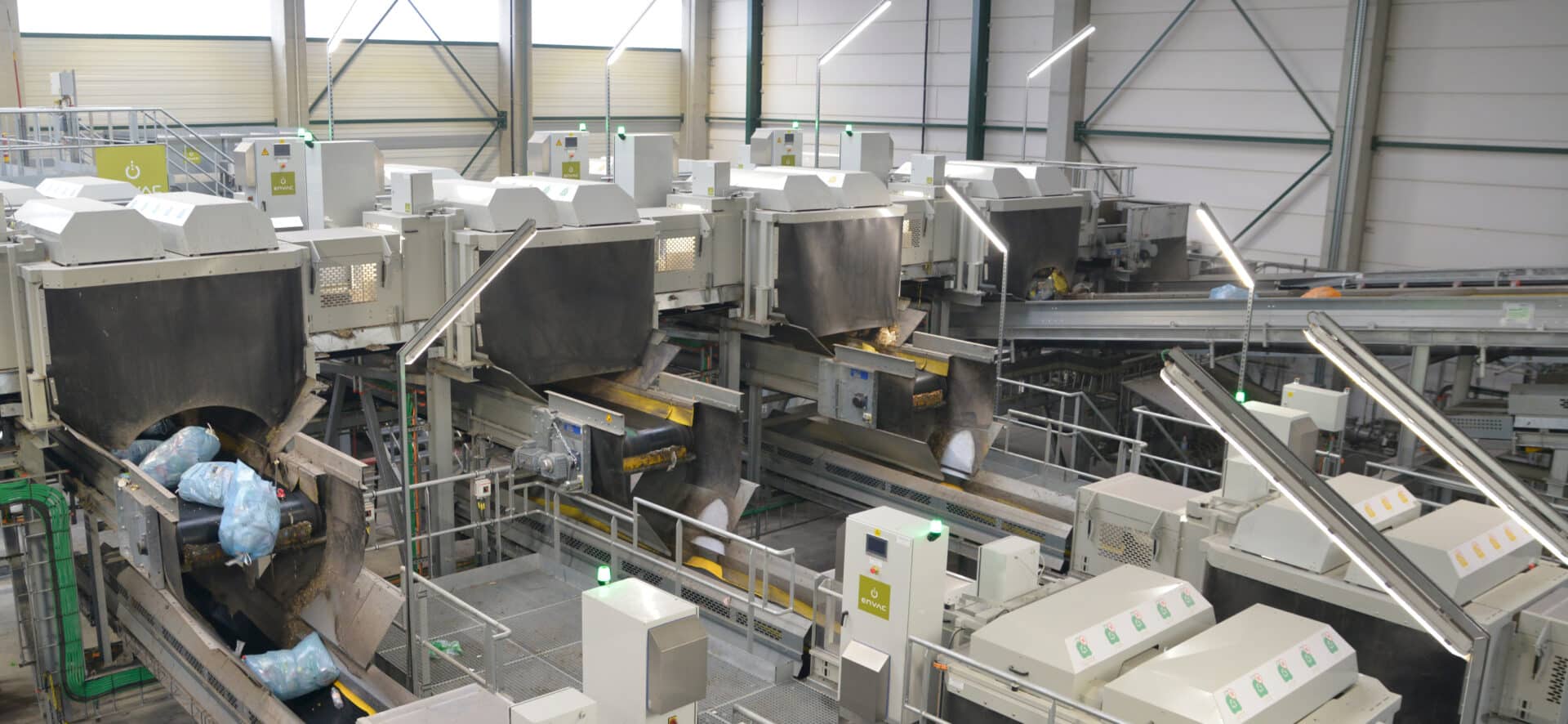
Optical waste sorting is a modern, efficient, and environmentally friendly method of recycling that utilises advanced camera systems, sensors, and machine learning algorithms to swiftly and accurately identify and sort various types of waste materials for efficient disposal or recycling. This process involves the use of colour-coded bags that are specific to each type of recyclable material, making it easy for users to sort their recyclables. The bags are disposed of in the same waste bin or inlet and transported to the sorting plant, where they are separated based on their colour and placed in their corresponding container.
Reducing the impact of waste on the environment
Proper waste treatment is an essential aspect of reducing the environmental impact of waste, and optical waste sorting is a highly effective tool that can contribute significantly to this effort. Optical waste sorting utilises advanced camera systems and machine learning algorithms to swiftly and accurately identify and sort various waste materials for efficient disposal or recycling. The technology involves using sensors that can detect the unique spectral signatures of different materials, allowing for their precise identification and separation. Optical waste sorting is particularly useful for sorting post-consumer waste, including plastics, glass, paper, and metal. These materials are first fed into a hopper, where they are scanned by the sensors and sorted using air jets or mechanical arms. The sorted materials can then be further treated through various methods, such as composting or anaerobic digestion, to facilitate their safe disposal or reuse. Proper waste treatment is critical in preventing environmental damage and protecting human health. Optical waste sorting technology can help reduce the amount of waste that ends up in landfills or the ocean, minimising the risk of pollution and preserving natural habitats. By working in conjunction with other waste treatment methods, optical waste sorting represents an innovative and highly effective solution for tackling the environmental impact of waste.
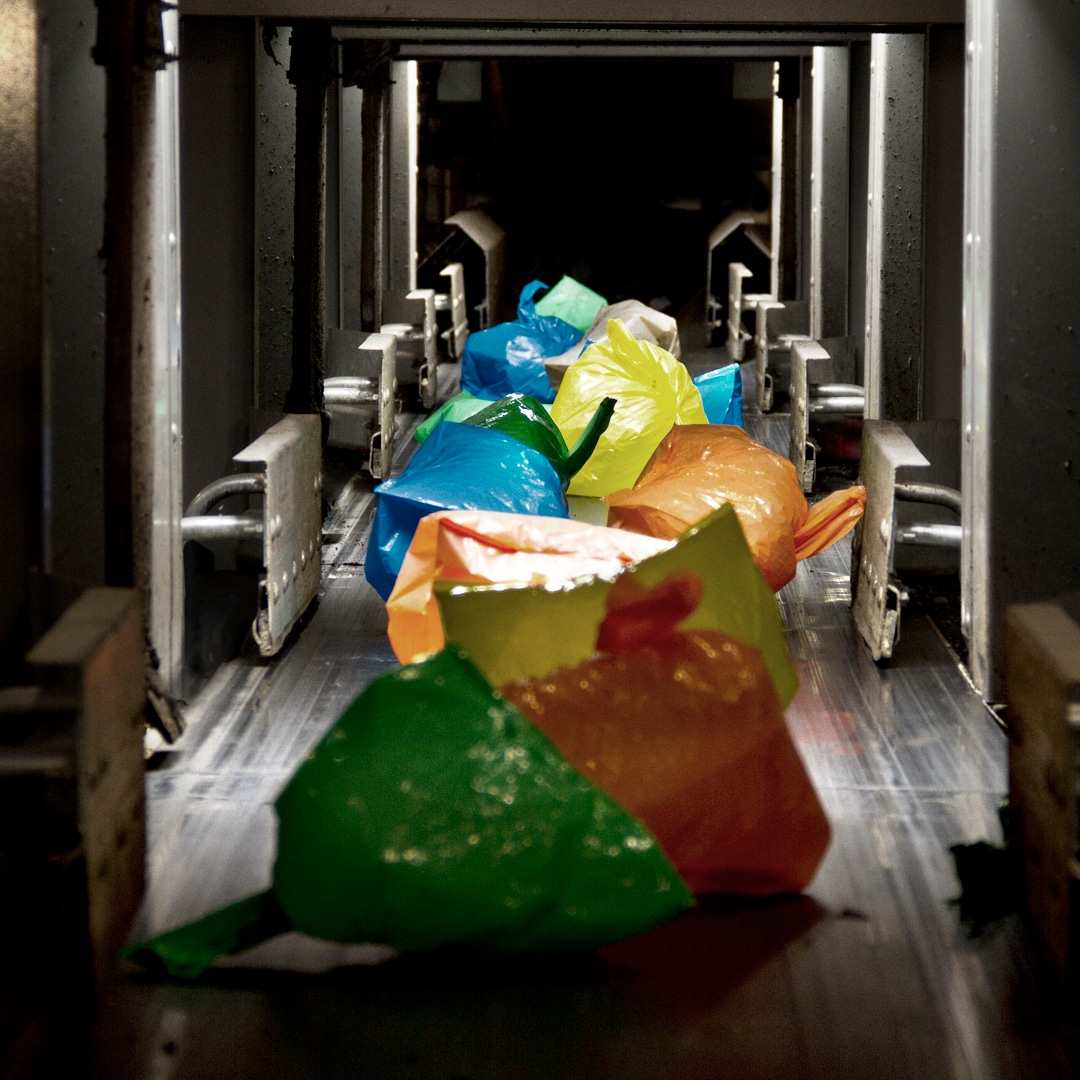
Optical sorting in combination with automated waste collection system
Optical sorting is a next-generation solution for recycling. By utilising optical sorting solutions, cities of all sizes can reduce transport and collection costs by at least 50% compared to other systems.
The optical sorting system can be used with the Envac automated waste collection system or can be added to traditional methods of waste collection to modernise them. The goal is to motivate the users to sort their recyclables, even if they are new to recycling. The bags are disposed of in the same waste bin or inlet and transported to the sorting plant, where they are separated based on their colour and placed in their corresponding container. This streamlines transportation and reduces costs and emissions.
Residents and users do the separation of waste from recyclable materials at home. Clear information and easy separation and disposal are key factors for success. Collaborating with the system owner to tailor the information can lead to increased user engagement.
Envac has successfully implemented the system in the GrowSmarter project at Valla Torg, Stockholm. Households reduced their general waste by 65% after we replaced their old recycling methods in this project. The system collects information on weight per fraction, how well users have done the sorting, how recyclables are disposed of, and much more. This data is used to optimise the system beyond any conventional system. Tech advancements enable the configuration of the system’s capacity and collection intervals and further increase recycling, making the system sustainable and smart.
The optical sorting system can handle recyclables such as food waste, paper packaging, plastic packaging, metal, textiles, newspapers, colourless glass, coloured glass, and combustible waste. With such flexibility, Envac can provide a system that fits every need and any size of city or municipality.