42 500
tonnes of waste per year
in designed capacity
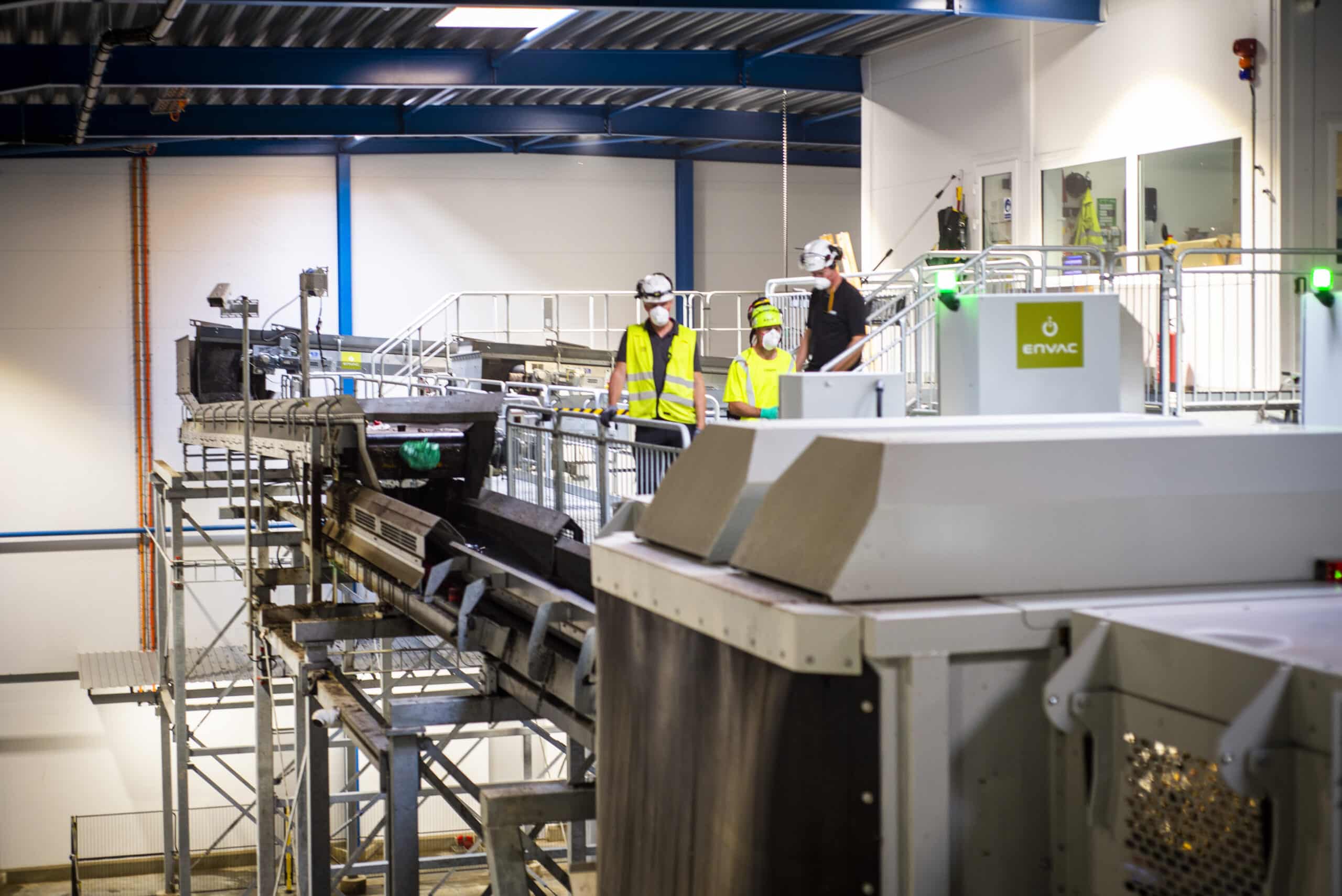
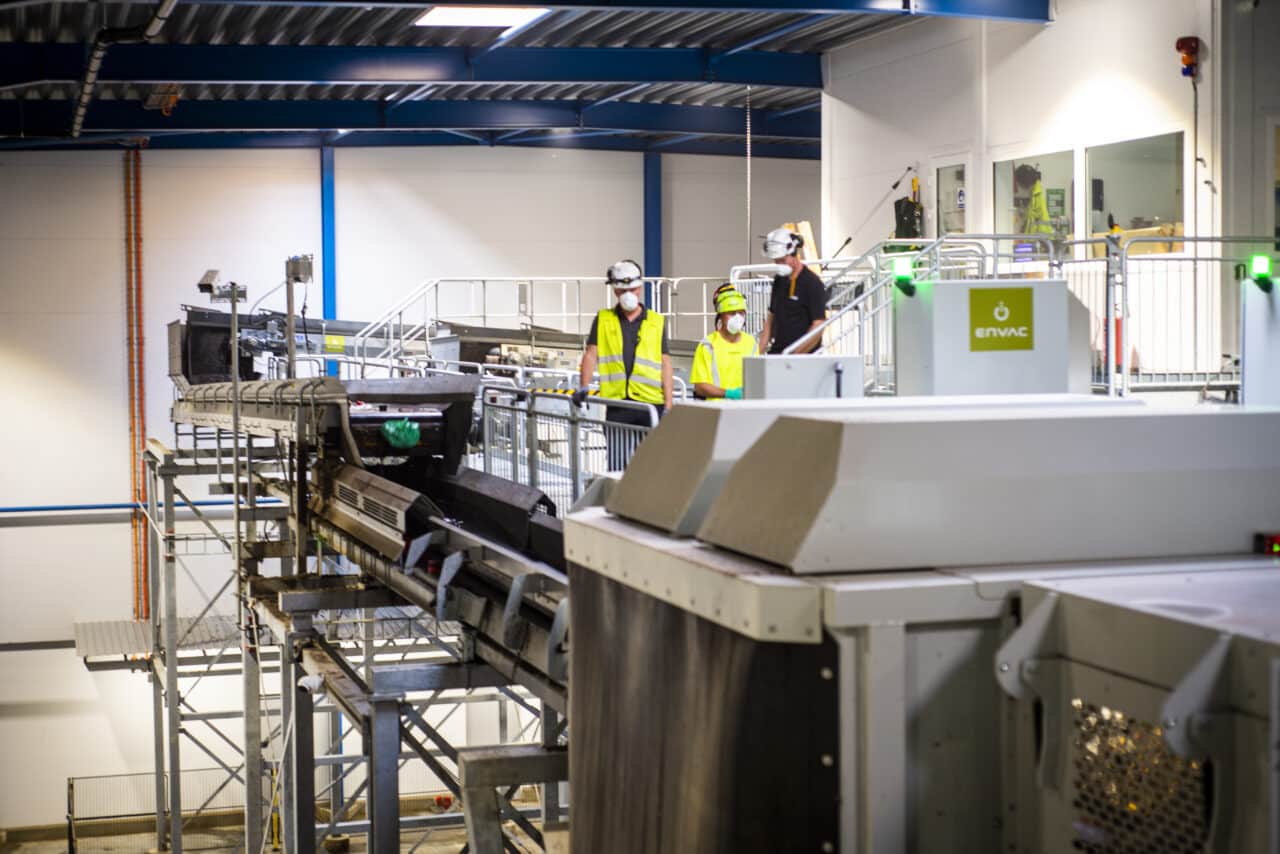
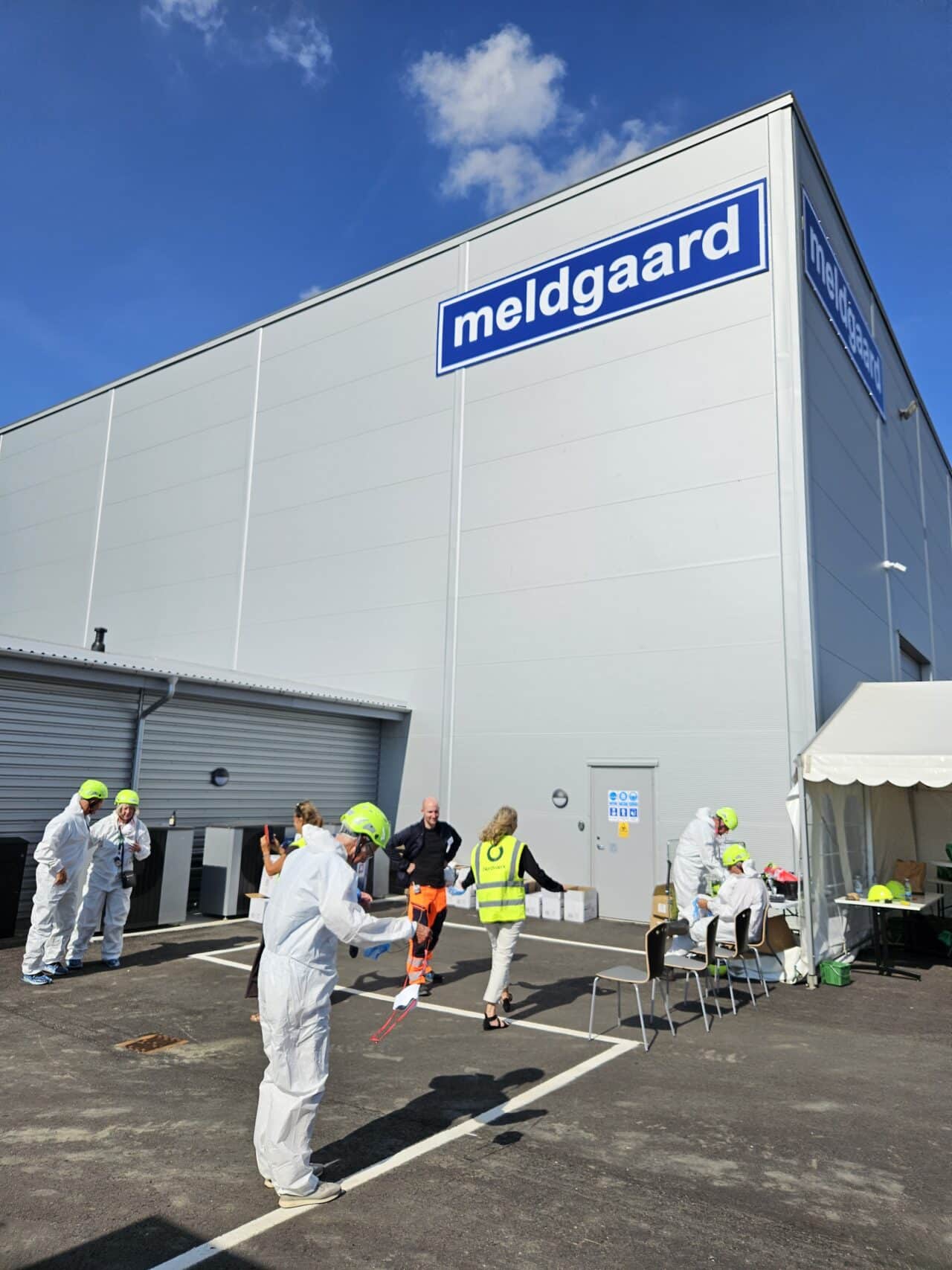
In Aalborg, the municipality has chosen to invest in optical sorting to simplify source separation for residents while also creating a more sustainable waste management system.
The solution is operated by the private company Meldgaard Miljø A/S, on behalf of the municipal company Nordværk, which is owned by Aalborg Municipality.
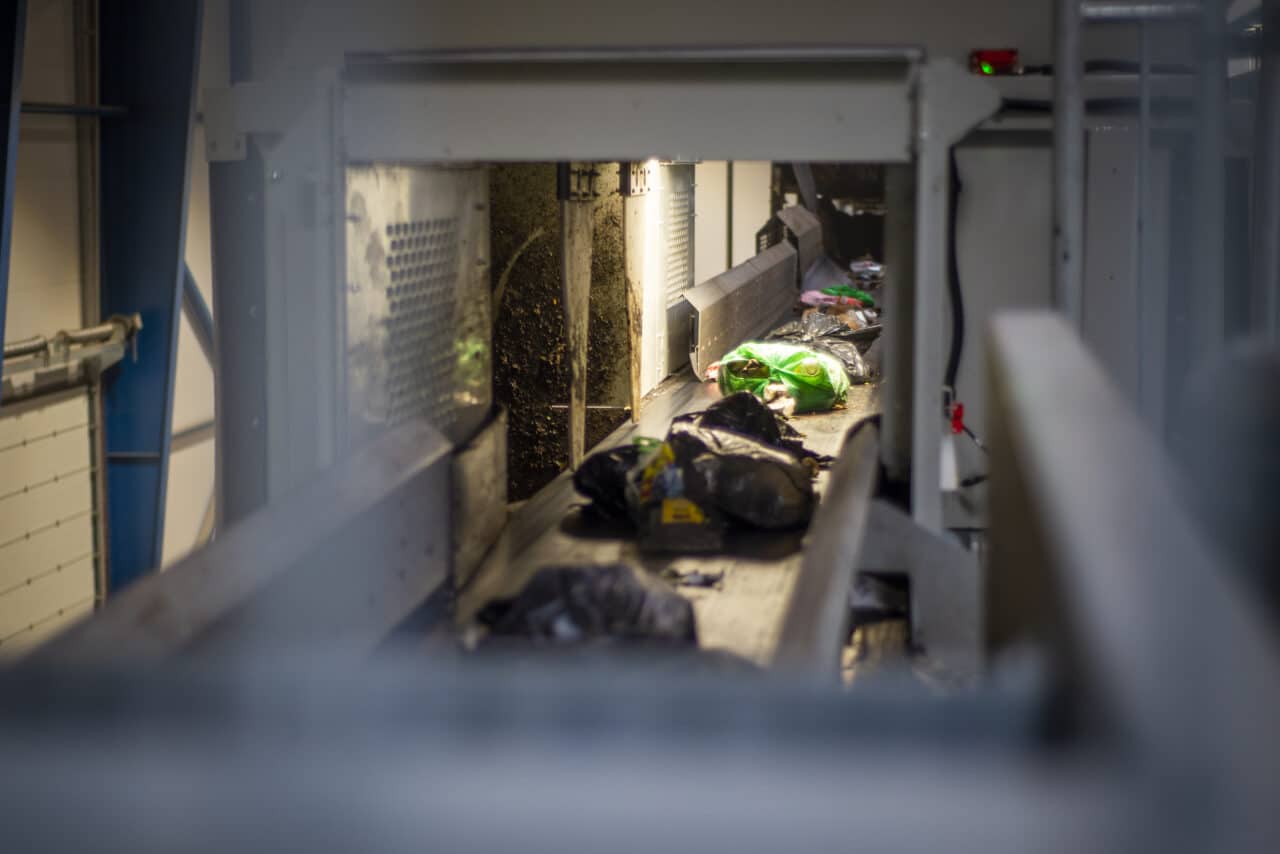
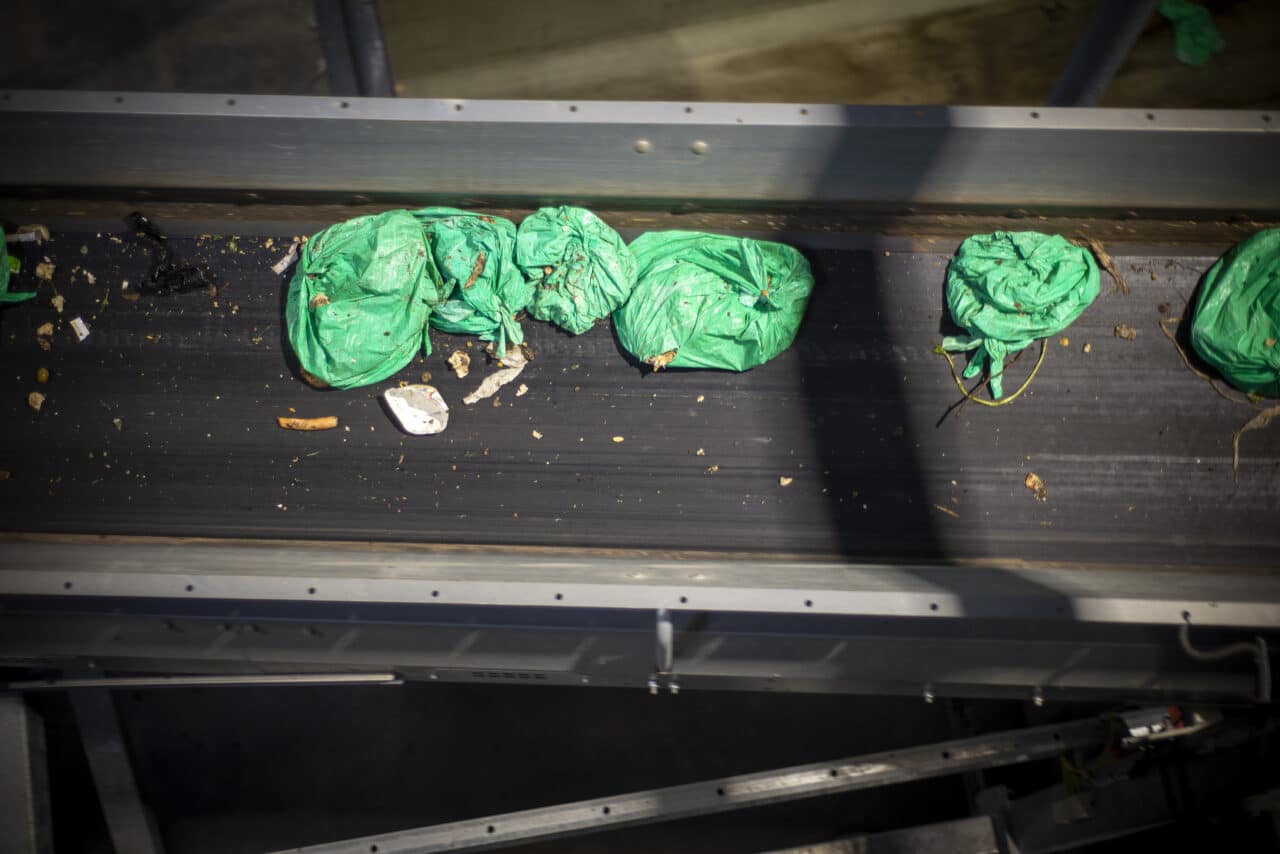
The facility handles approximately 42,500 tonnes of waste per year from the city’s 110,000 households and 5,000 holiday homes, where around 224,000 residents now sort their waste into coloured bags.
Initially, two fractions are included: food waste in green bags and residual waste in black bags, but the system is already prepared for expansion with two additional fractions (types of waste).
By using coloured bags instead of multiple bins, households benefit from a simpler and more space-saving solution.
The sorting technology makes it possible to efficiently separate waste streams, while also reducing the number of bins and heavy transport in the urban environment. For residents, this means less hassle, and for the municipality, it is both cost-effective and environmentally sustainable.
Envac has extensive experience with sorting solutions and already operates around 20 similar facilities in Sweden and Norway.
Aalborg is the first municipality in Denmark to implement this solution, and the hope is that the project will become a model for other Danish municipalities.
tonnes of waste per year
in designed capacity
fractions
Food waste & Residual waste
households + summer houses
connected to the facility
Photos from Circular Denmark and Nordvaerk
To see all our projects, click here.
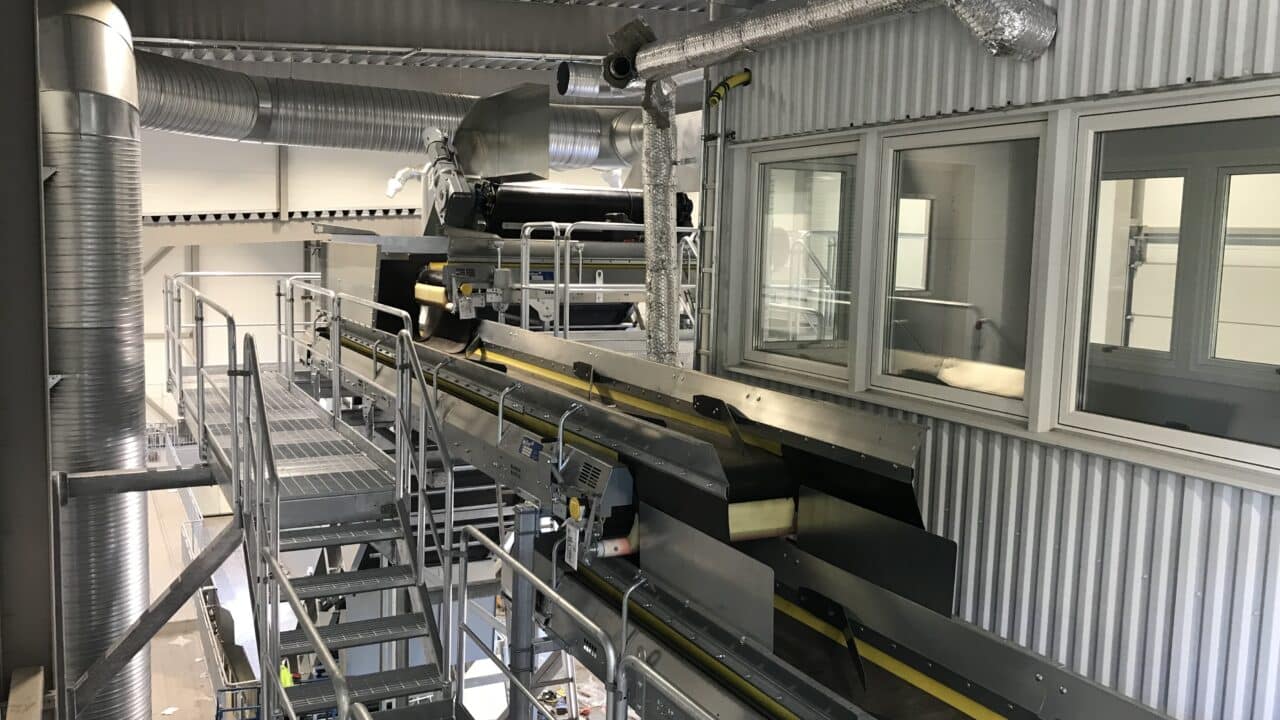
Sorting Ljungby
In Ljungby and Alvesta, more than 27,000 households now sort their waste into colour-coded bags, which are processed at a modern optical sorting facility. Food waste is converted into biogas and biofertiliser, while the other fractions are recycled for a more sustainable society.
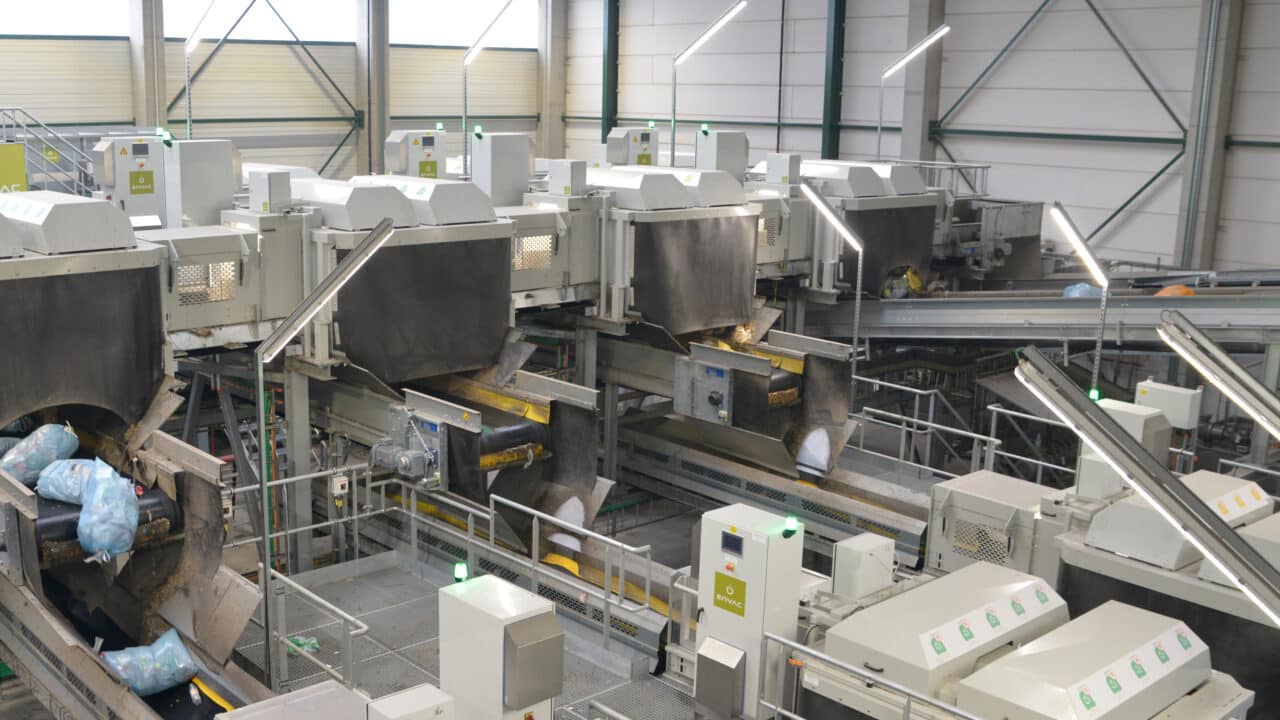
Sorting Biostoom Beringen, Belgium
The Limburg Optimo Sorting Facility was launched in 2022 and services 32 municipalities, enabling smarter sorting for more than 300 000 households. The facility sorts 5 different fractions: food waste, garden waste, textile waste, residual waste and plastic/metal packaging. The facility is built to be flexible and has the option to add 2 more fractions in the future.
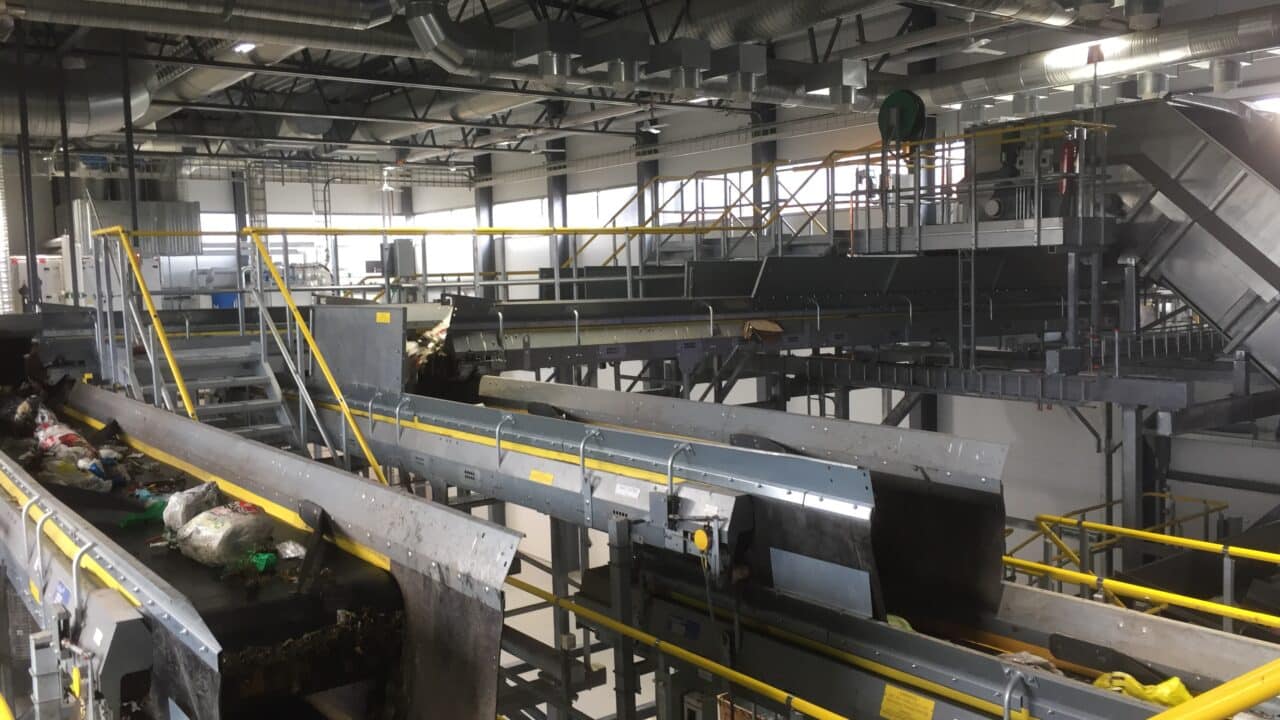
Sorting Halmstad, Sweden
The main reason for choosing optical sorting was that the system could be introduced so easily. Different coloured bags are disposed of in the same bins as before, and the same waste collection vehicles are used. Currently, six different fractions are being tested for residents.