Envac’s automated soiled linen collection system helps hospitals reduce manual handling, improve hygiene, lower contamination risks and improve logistics with 24/7 sealed pipe transport.
A cleaner, safer way to move soiled linen
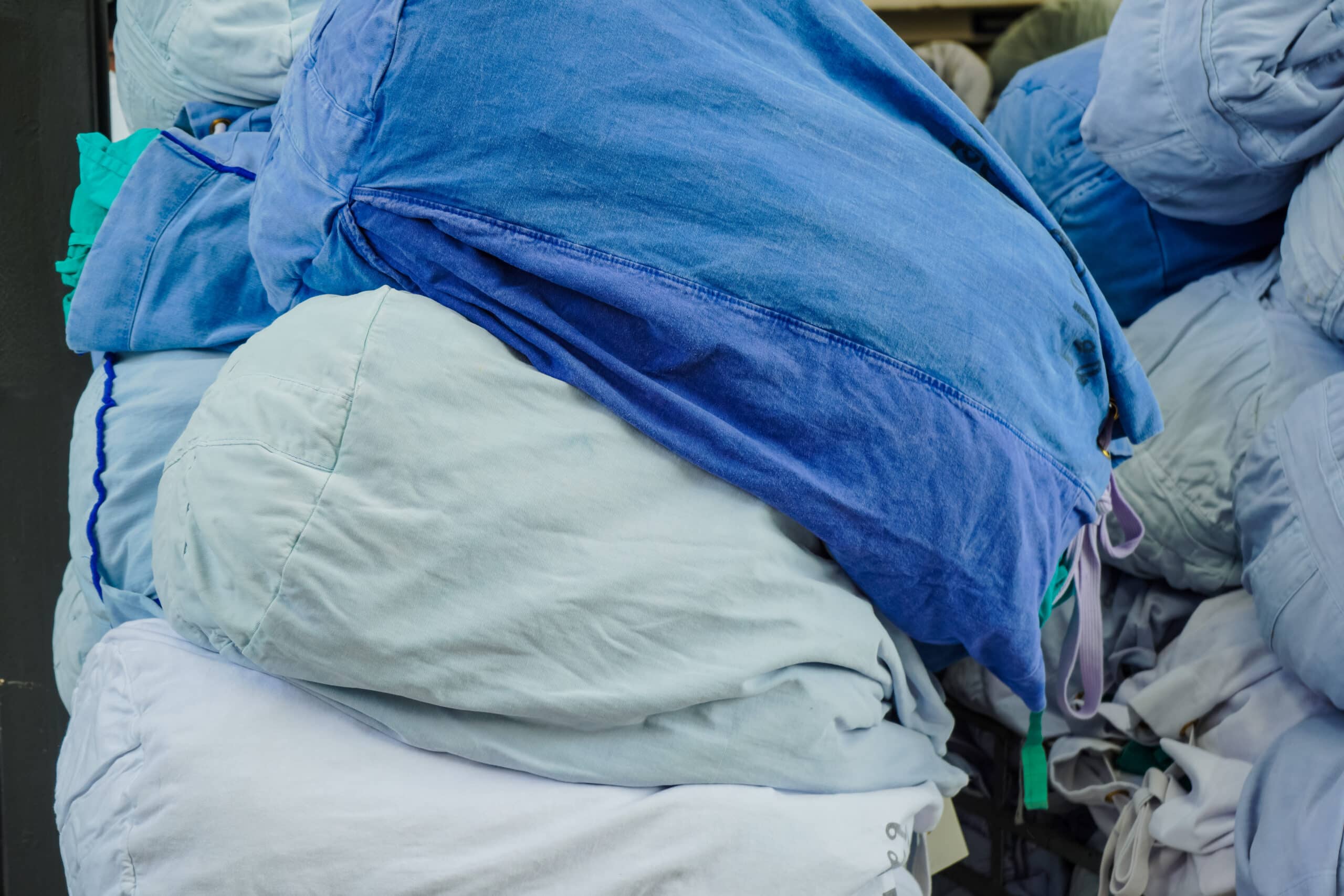
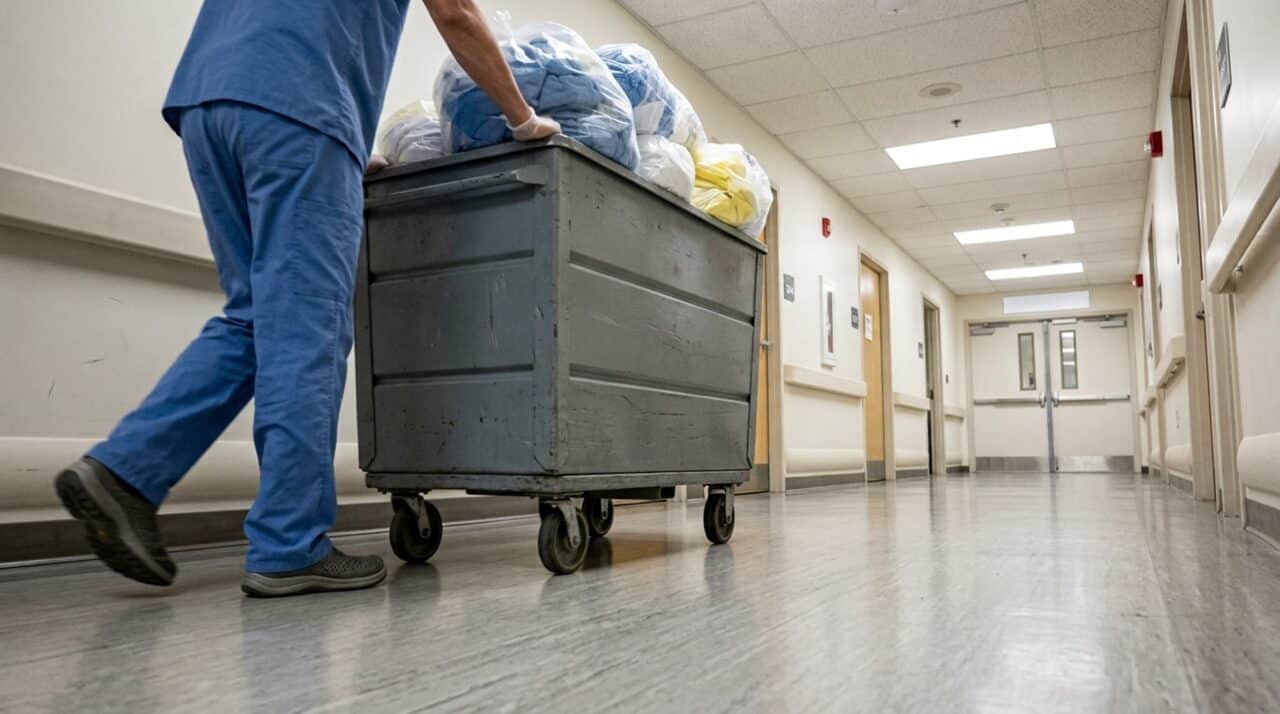
Traditional soiled linen handling often relies on manual transport using bags, trolleys, elevators and temporary storage areas. In busy hospitals, these flows can overlap with those of patients, visitors and healthcare professionals, increasing exposure to pathogens and odours while adding pressure on hospital logistics.
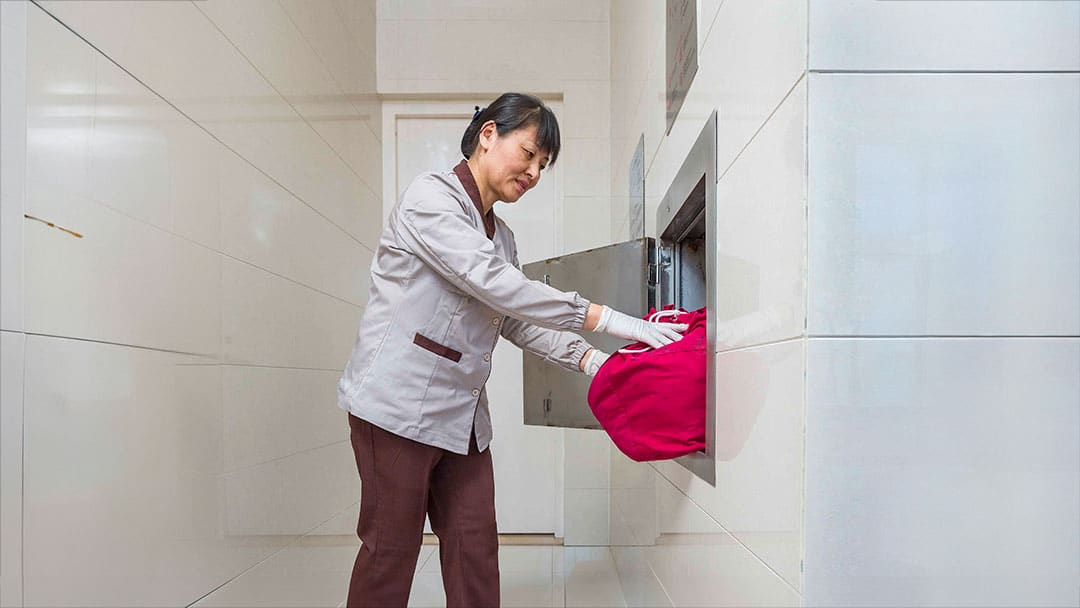
Envac’s automated linen collection system helps hospitals move soiled linen more safely and efficiently. Linen is deposited close to where it is generated and transported via a closed pipe network, reducing the need for staff to manually move contaminated materials across the hospital. This helps minimise physical contact between staff and contaminated materials and supports infection control.
KTH study: lower CFU levels with closed pipe systems
A study conducted by Biomedical Engineering and Health Systems students Simon Britzelli and Kylie Aziz at KTH Royal Institute of Technology in Stockholm examined how automated, hermetically sealed laundry and hospital waste management systems affect microbial presence compared with conventional hospital waste handling.
The method
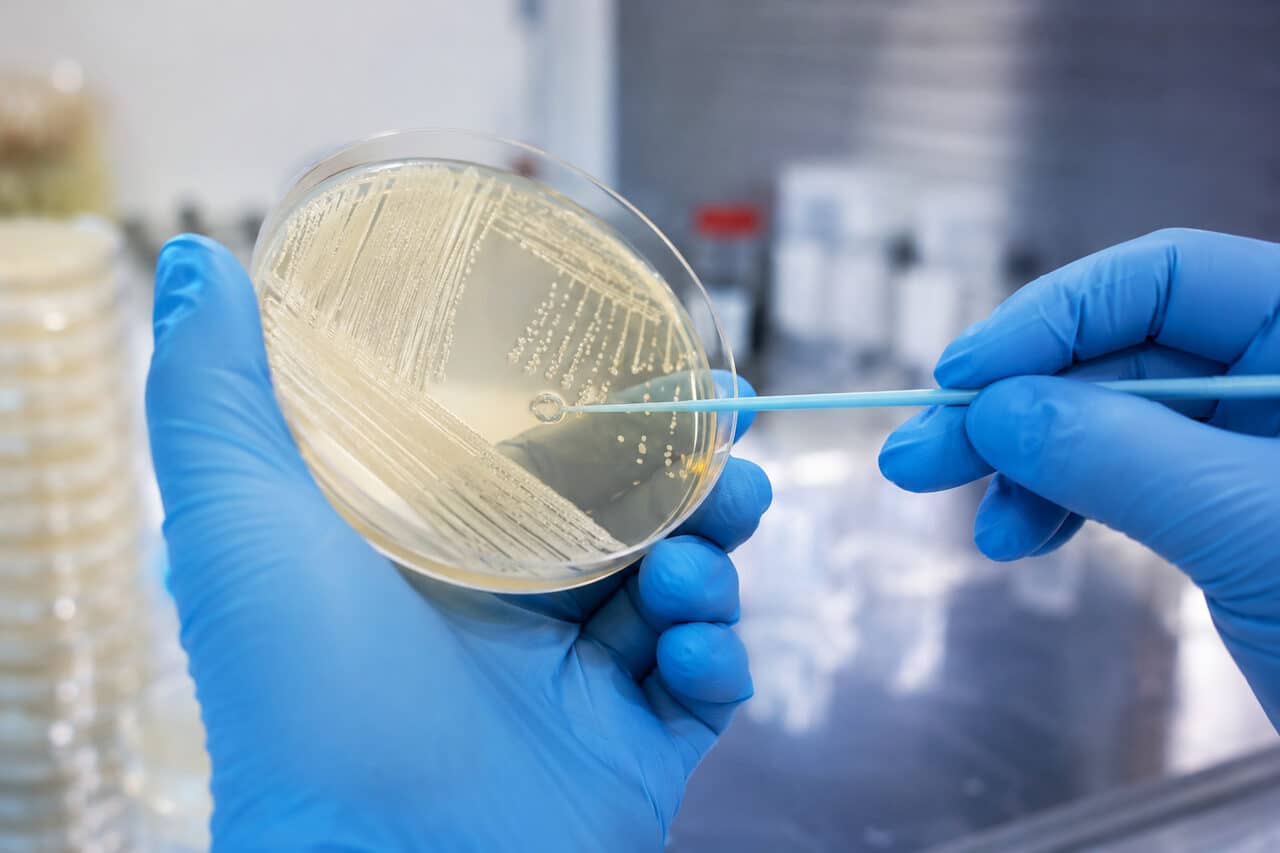
The study, titled “Automated Hermetically Sealed vs. Conventional Waste Management Systems in Hospitals: A Comparative Study of Microbial Presence,” compared two working Swedish hospitals: one equipped with Envac’s automated system and one using a conventional method. The students measured bacterial contamination using colony-forming units, or CFU, which are used to indicate the presence of viable bacteria.
The result
The findings showed that the hospital using Envac’s automated, closed pipe system recorded a 49.3% lower average CFU count and a 6.10% lower median CFU count compared with the hospital using conventional waste management methods. The results suggest that automated, hermetically sealed systems can help reduce microbial contamination in hospital environments.
What are CFU levels? CFU stands for Colony-Forming Units. It is a way of measuring bacterial presence by estimating the number of viable microorganisms in a sample. In the KTH student study, lower CFU levels indicated lower measured bacterial contamination in the hospital using Envac’s closed pipe system.
Supporting infection control by reducing manual contact
Soiled linen can carry bacteria, odours and other contaminants. When bags are moved manually through shared hospital spaces, every handling point can add complexity to infection-control routines. Envac’s automated system reduces this exposure by transporting soiled linen through sealed pipes. This helps keep contaminated material flows separated from everyday hospital movement and reduces the need for staff to lift, push or transport heavy bags through corridors and elevators.
Streamlining hospital flows 24/7
Hospitals operate around the clock, and soiled linen collection needs to keep pace. Manual collection rounds can create bottlenecks, occupy elevators and require staff time that could be redirected to higher-value work.
With Envac, soiled linen can be deposited near the source as needed. The system then automatically transports it to the collection area, helping hospitals reduce internal trolley movements, free up logistical capacity, and maintain cleaner flows throughout the facility.
Benefits of automated soiled linen collection
Improved hygiene Soiled linen is transported through a sealed system, helping reduce contact with contaminated materials and supporting infection-control procedures.
Lower measured bacterial contamination The KTH student study found lower CFU levels in the hospital using Envac’s automated system compared with the hospital using conventional handling methods.
Reduced manual handling Staff spend less time lifting, moving and transporting heavy linen bags, improving the working environment and reducing strain.
More efficient hospital logistics Automated transport helps reduce trolley traffic, elevator dependency and congestion in shared hospital spaces.
24/7 availability The system supports continuous hospital operations by allowing soiled linen to be deposited close to the source at any time.
Better use of space and resources Envac’s ROI calculator compares manual waste and linen handling with an automated system and can show estimated payback time, space savings and staff time released.
Calculate the impact of automated linen collection
Soiled linen management affects far more than laundry logistics. It influences hygiene, staff time, elevator use, storage needs, operating costs and the overall movement of materials through the hospital. Envac’s Healthcare ROI Calculator helps hospitals estimate the operational and financial impact of automated waste and linen collection. The calculator compares manual waste and linen handling with an Envac automatic system and provides a view of potential payback time, space savings and released staff time.
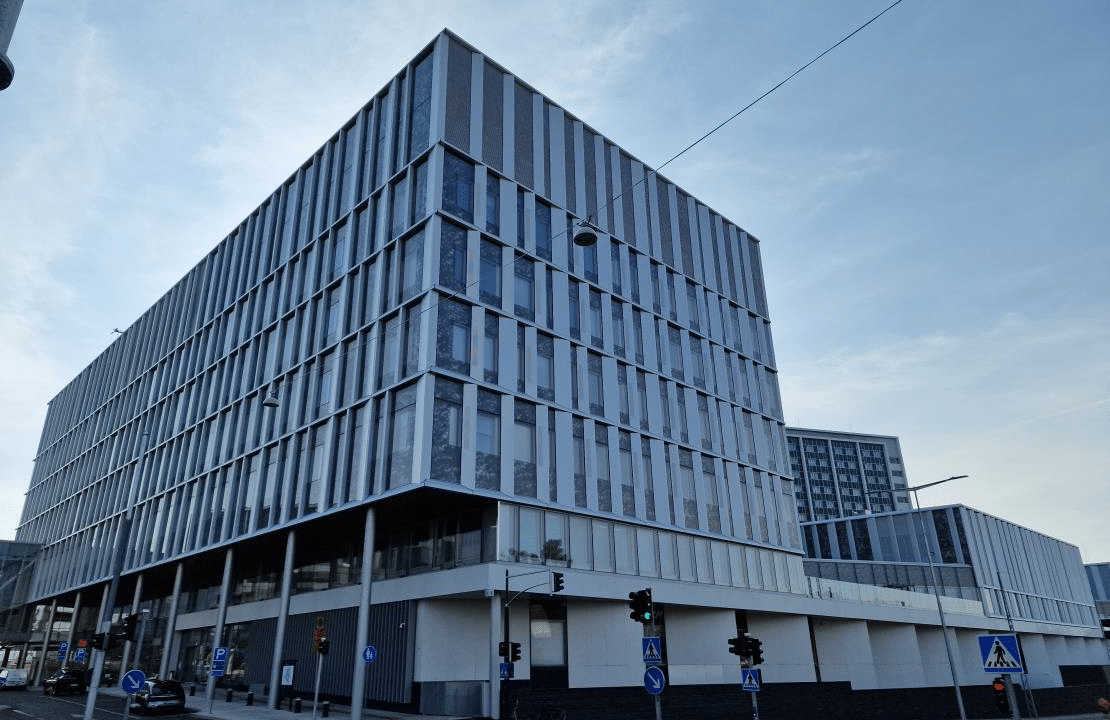
Envac Finland has introduced an enhanced waste disposal system at The Bridge Hospital, which has resulted in improved safety and efficiency. The system covers general waste, soiled linen vertical shafts, and automated platform conveyors on every floor, reducing the need for staff and patients to transport waste through hallways and elevators.
The Huzhou Central Hospital is in charge of providing medical care to over 4 million individuals. Envac’s automatic waste collection system provides an efficient solution for managing general waste and soiled linen in the hospital, creating a safer and cleaner hospital environment.
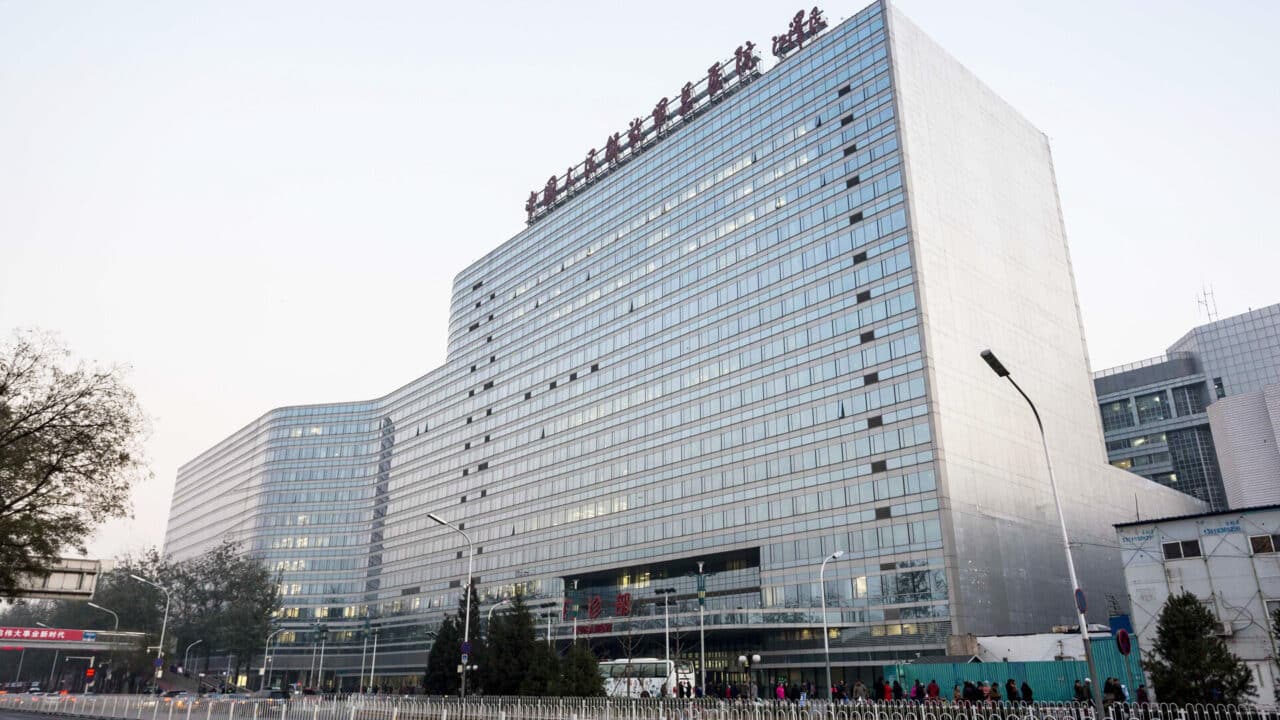
Beijing 301 Hospital is known as one of the premier hospitals in China. Since 2009, two Envac systems have solved the collection of general hospital waste and soiled linen. The systems are exclusively designed for Beijing 301 Hospital.
Envac’s innovative system minimises the spread of infections, reduces manual handling, and enables a cleaner and safer environment for patients and staff. By utilising separate, sealed pipe networks, materials can be swiftly transported without the need for trolleys or carts. This approach minimises pathogen spread and reduces operational costs, improving cleanliness, safety, and space efficiency. Our commitment to automation and sustainable technology reflects our dedication to creating safer, more hygienic healthcare environments.
Want to know more?
Our experts are ready to help with any questions you may have about the linen system.