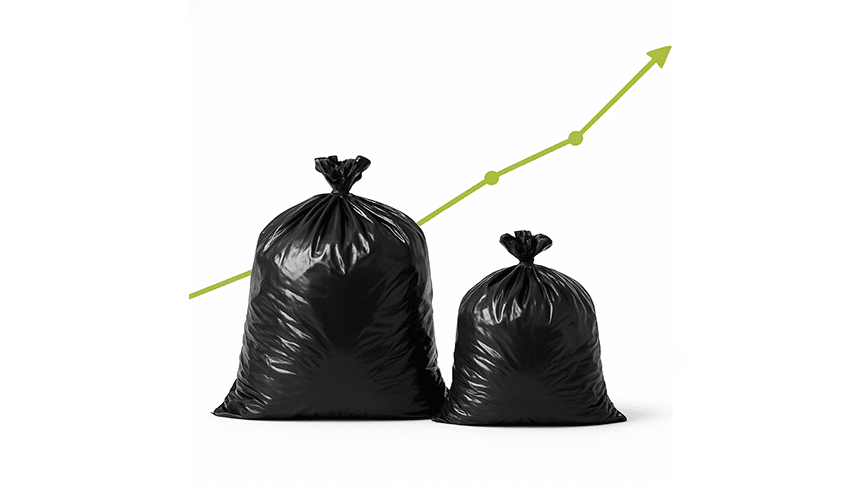
Waste volume growth
Airport waste volumes have increased sharply post-pandemic, with some hubs reporting rises of up to around 30 per cent compared to pre-pandemic levels.
As global air travel rebounds and continues to grow, airports are facing unprecedented pressure to manage ever-increasing volumes of waste, from general waste to recyclables and food waste, while maintaining world-class standards of hygiene, safety, and sustainability.
According to the International Air Transport Association (IATA), passenger numbers are expected to exceed 9 billion by 2035. With this growth comes a surge in airport waste, currently estimated at over 5.7 million tonnes annually worldwide. Traditional manual waste collection systems can no longer meet the efficiency or environmental standards of modern aviation hubs.
Envac, a global leader in automatic pneumatic waste collection with installations across Europe, Asia, and the Middle East, is helping airports transition toward cleaner, safer, and smarter operations.
Airports worldwide face growing challenges in waste management. Envac’s automatic waste collection systems directly address these challenges, removing the need for waste trucks on the apron, cutting emissions, increasing safety and enabling real-time monitoring and sustainability reporting.
Airport waste volumes have increased sharply post-pandemic, with some hubs reporting rises of up to around 30 per cent compared to pre-pandemic levels.
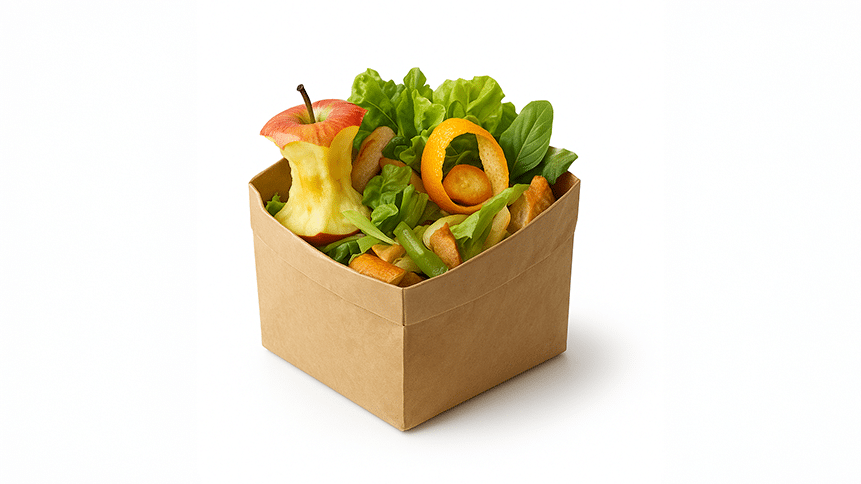
Organic and food-related waste can account for approximately 30–40 per cent of airport solid waste streams and is often under-recycled.
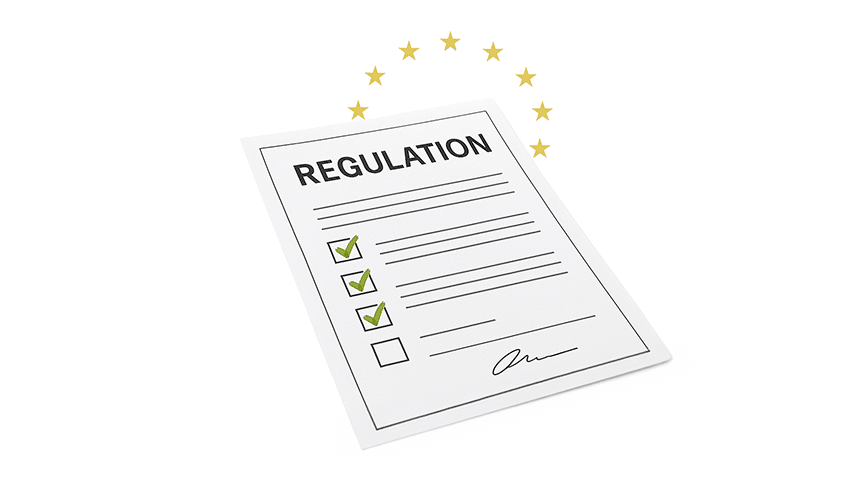
The European Union’s Fit for 55 and the International Civil Aviation Organisation (ICAO) standards emphasise greater waste segregation, traceability, and circular economy principles.
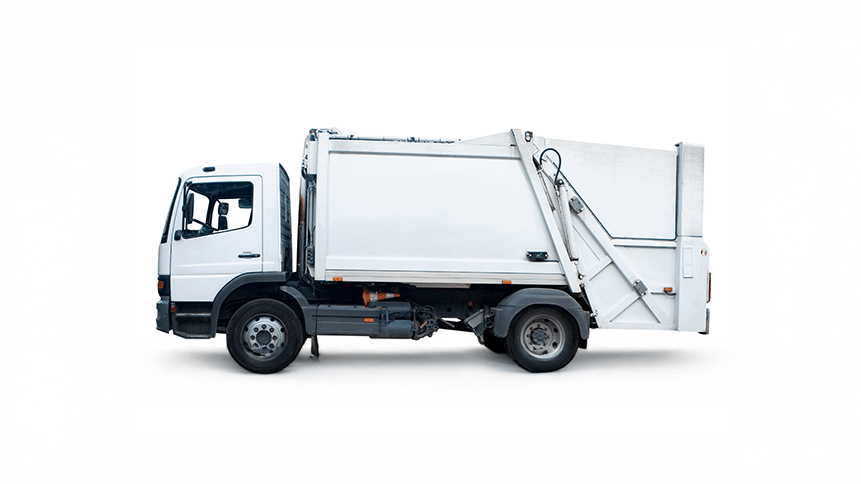
Traditional waste-handling vehicles on aprons and terminals add unnecessary emissions, noise, and safety risks.
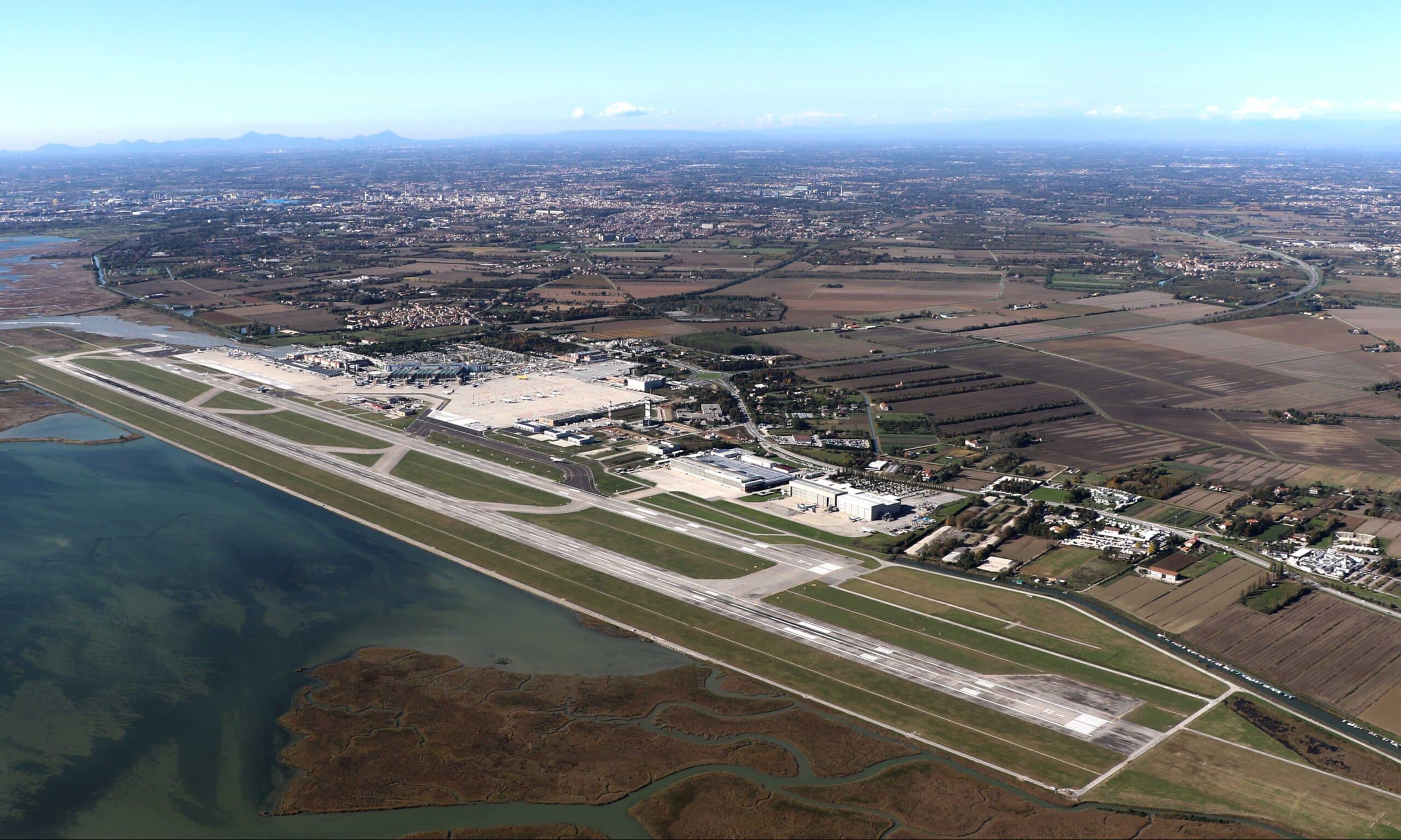
A bold benchmark
In April 2025, Marco Polo Airport became Europe’s latest airport to deploy Envac’s state-of-the-art pneumatic waste collection system. The system currently manages 33 per cent of the airport’s total waste and will expand across the terminal complex via a 6.5-kilometre underground pipe network by 2037.
Source separation for general waste, recyclables, and organics.
Over 500 metres of sealed underground pipes transporting waste directly to a central station
Estimated annual CO₂ reduction: 6 tonnes due to the elimination of the use of multiple vehicles for the transfer of waste
Automated, 24/7 operation, reducing manual handling and interim storage
This innovation improves efficiency, safety, reduces emissions, and delivers a cleaner, quieter airport environment — positioning Venice as a benchmark for sustainable aviation infrastructure.
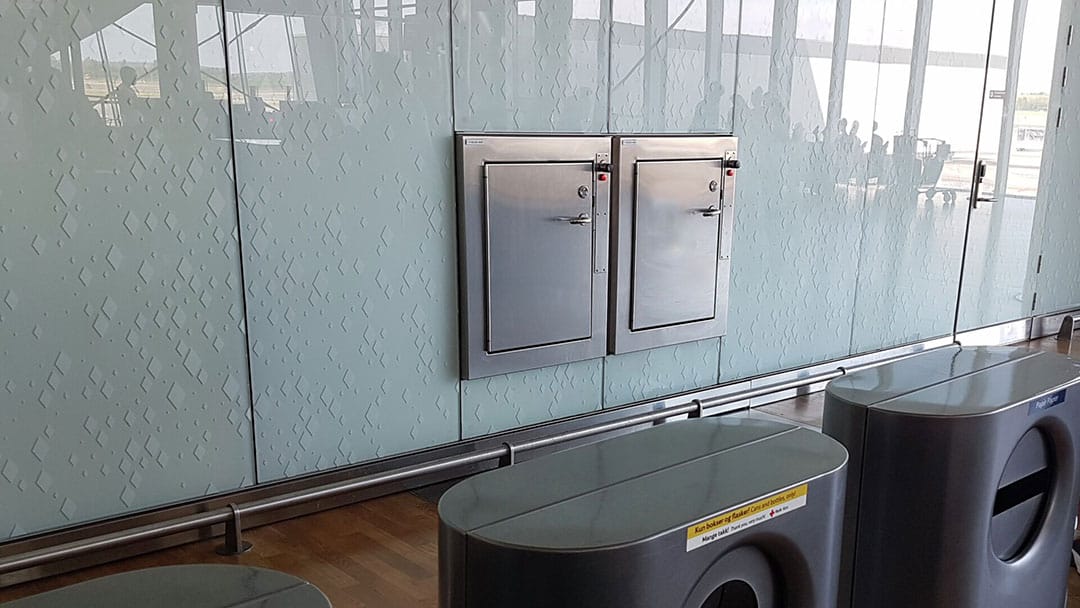
Envac’s modular, continuously operating system serves all major airport zones, including:
Staff can dispose of waste directly at the source. From there, sealed pipes transport materials to a central collection point, minimising vehicle traffic, manual transport, and operational noise.
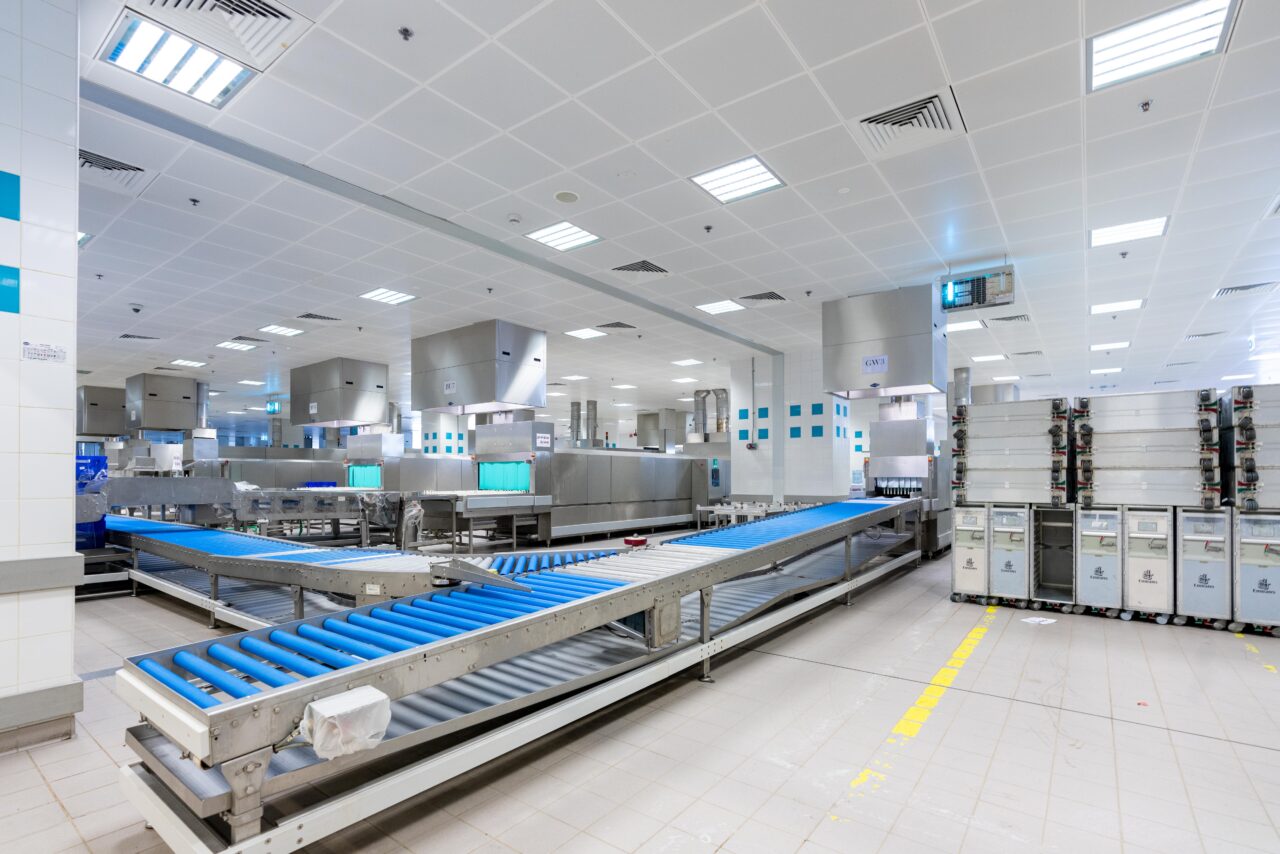
Airport catering facilities handle vast quantities of food and packaging waste under strict hygiene regulations. Envac’s automated kitchen waste system is purpose-built for these demanding environments, now handling more than *one million meals every day across major international airports.
Global Examples:
*Handling one million meals equates to approximately 600 tonnes of cabin and catering waste (ranging from 400 to 800 tonnes, depending on the route mix and service type). This estimate is based on International Air Transport Association (IATA) data, which show that the average cabin waste generation per passenger is approximately 0.94 kilograms, of which about 65% is food and beverage waste. These findings underscore the need for sealed, twenty-four-hour, seven-day-a-week automated systems to maintain kitchen hygiene and keep apron areas free from waste-handling vehicles.
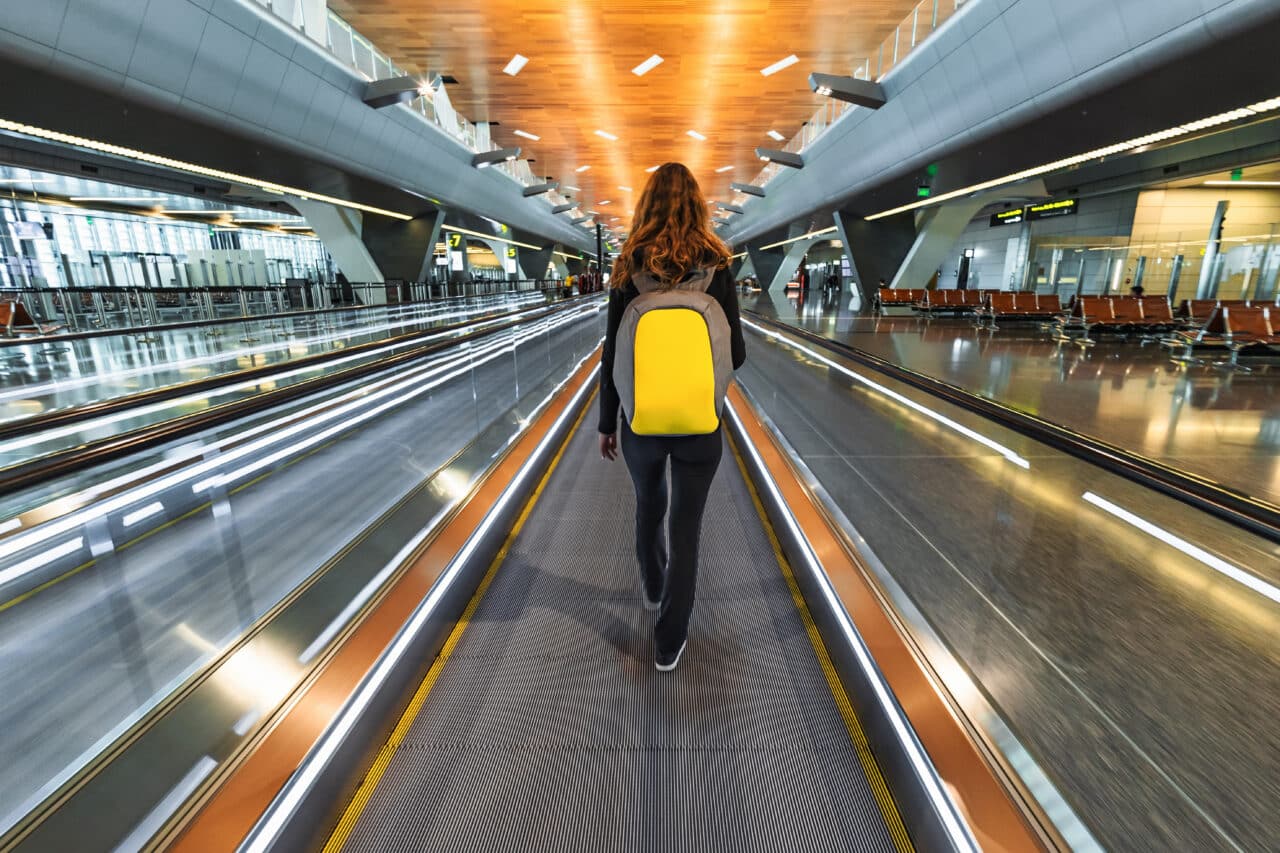
Clean, clutter-free terminals strengthen brand image and boost traveller satisfaction. Envac helps airports maintain spotless environments by preventing bin overflow and waste-related odours.
The key outcomes:
As airports evolve into smart, sustainability-driven hubs, Envac provides the infrastructure to match efficient, sanitary, scalable, secure and future-ready.
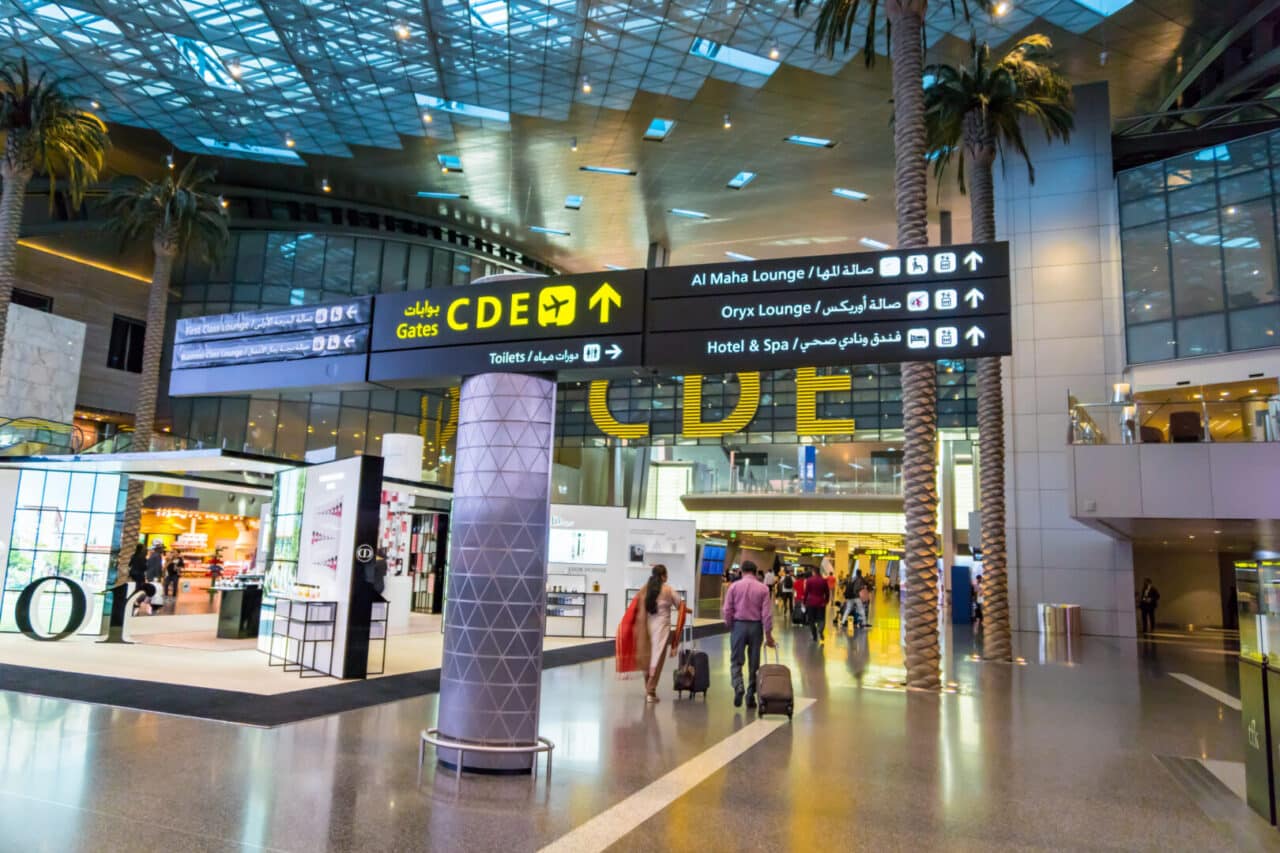
At Doha’s state-of-the-art Hamad International Airport, five pneumatic waste collection systems handle kitchen waste from Qatar Airlines Flight Catering, while six collect mixed waste from the terminal. Envac designed, built, operates, and maintains all eleven systems.
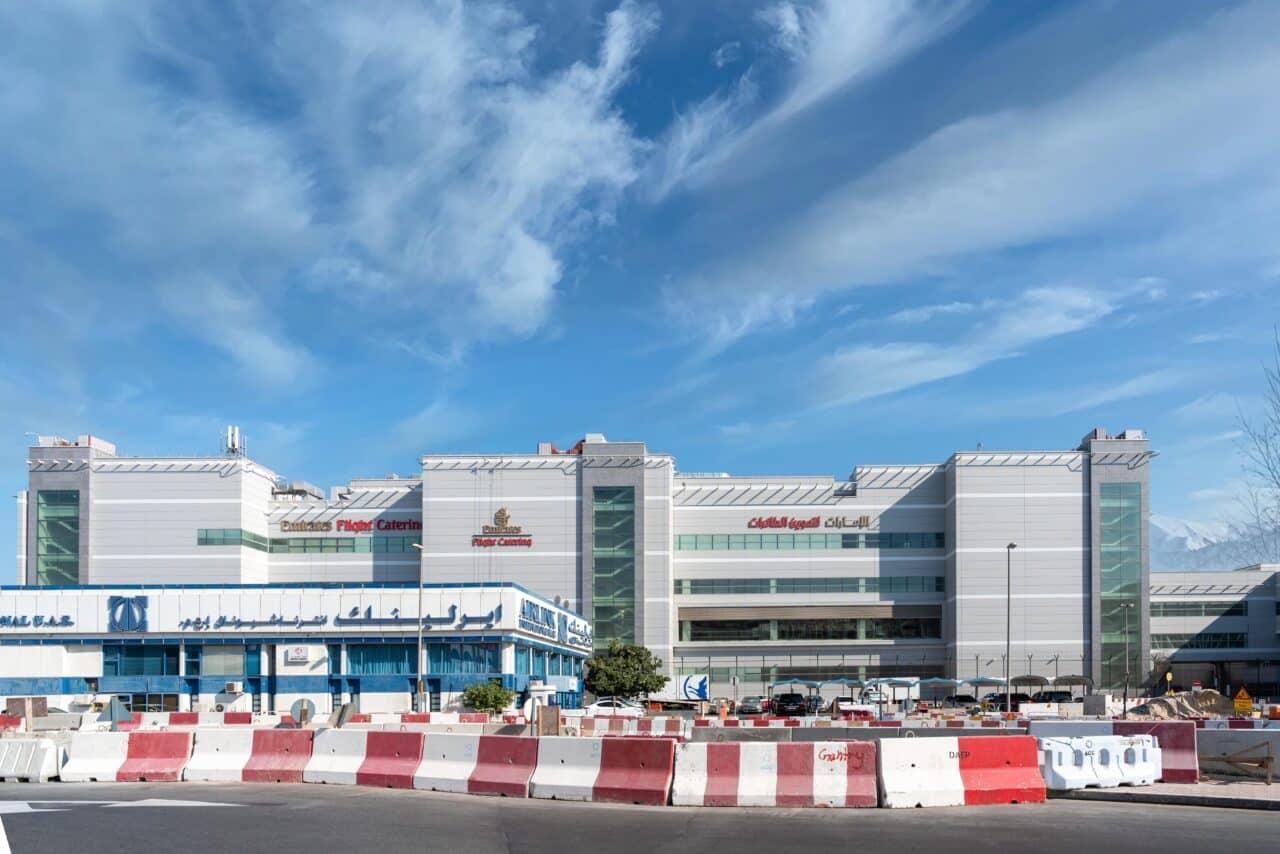
Hermetically sealed steel waste inlets throughout the kitchen’s preparation area, dishwashing area and cleaning areas are connected to Envac’s state-of-the-art pneumatic waste removal system eliminating the need for unhygienic manual waste handling.
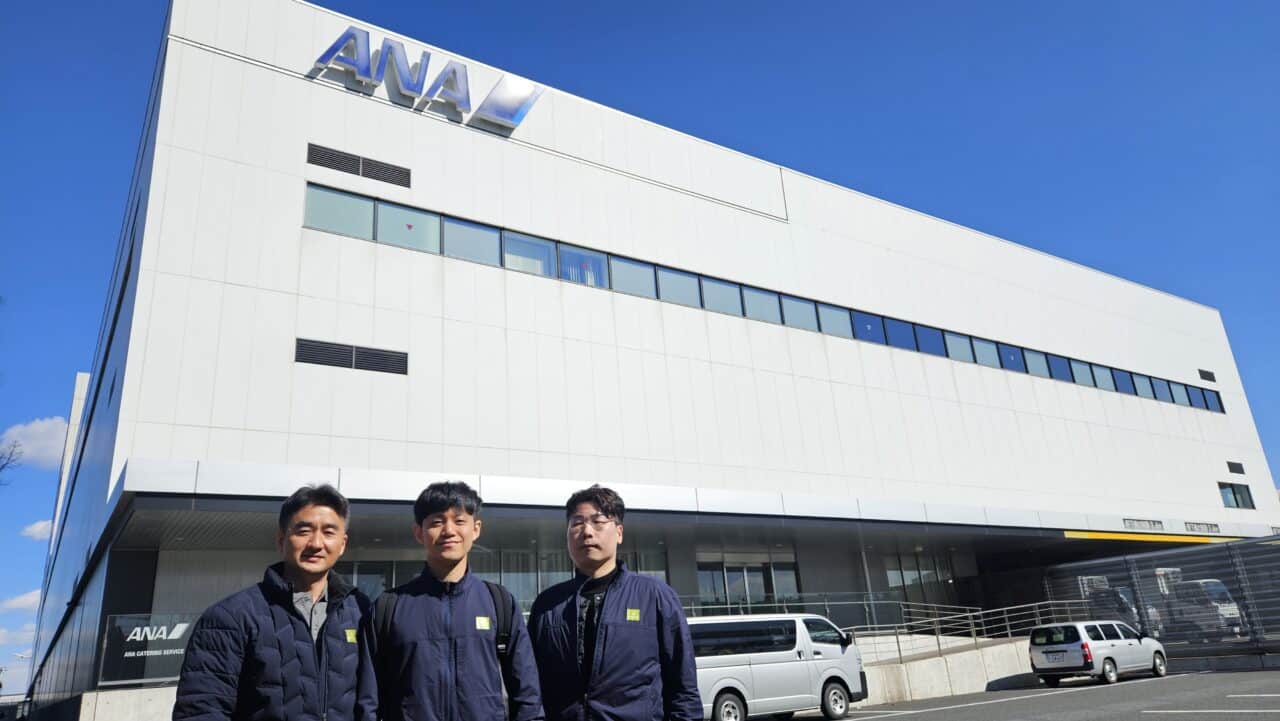
Envac is strengthening its position in Japan’s airline catering industry by delivering efficient and sustainable waste management solutions. Recently, the company undertook key maintenance and upgrade projects for All Nippon Airways (ANA) and Japan Airlines (JAL) at Haneda and Narita airports, reinforcing its long-term collaboration with Japanese airlines and catering firms.
Join the growing number of airports investing in a cleaner, smarter future.
Envac’s automatic waste collection systems are more than an upgrade; they represent a complete transformation in how airports think about waste, sustainability, and passenger experience.
Sources
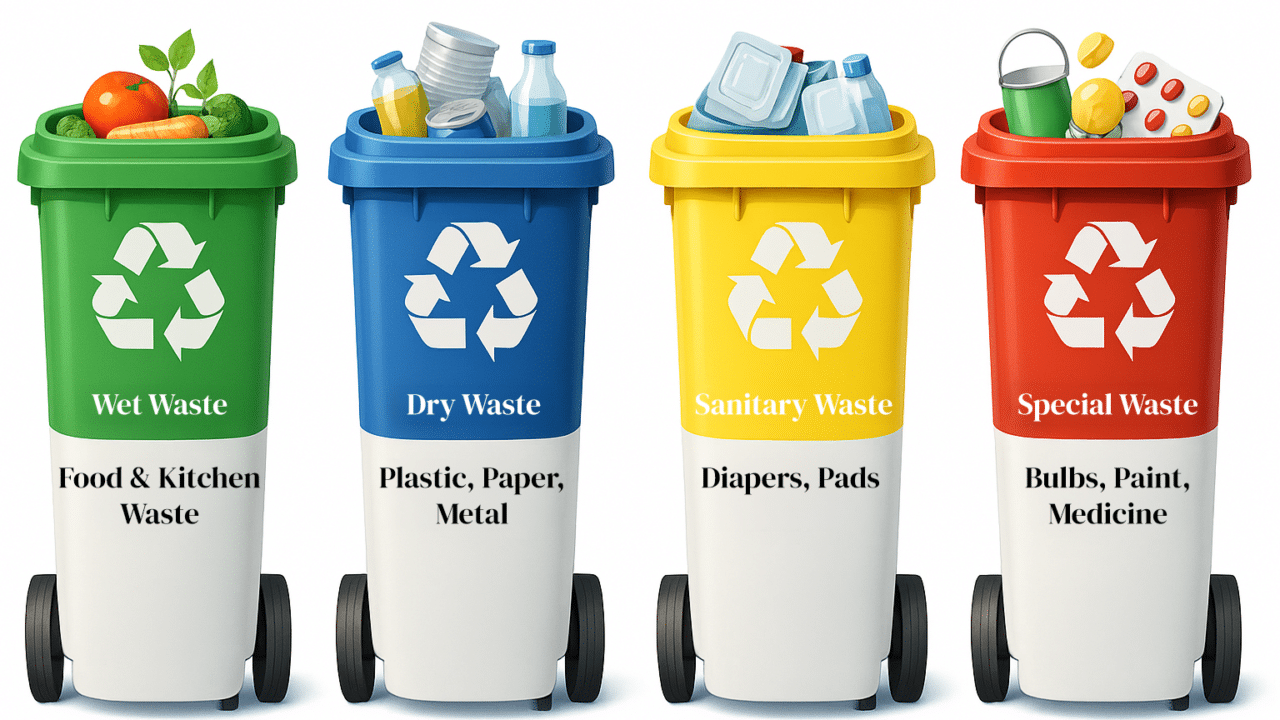
India’s Solid Waste Management (SWM) Rules, 2026, effective April 1, 2026, are set to transform the way urban waste is managed. These new rules replace the 2016 framework and require both decision makers and end users to take a more active role in creating cleaner, healthier cities. The transition from the old “collect–dump–forget” model to a system centred on segregation, accountability, and technology is now a regulatory reality.
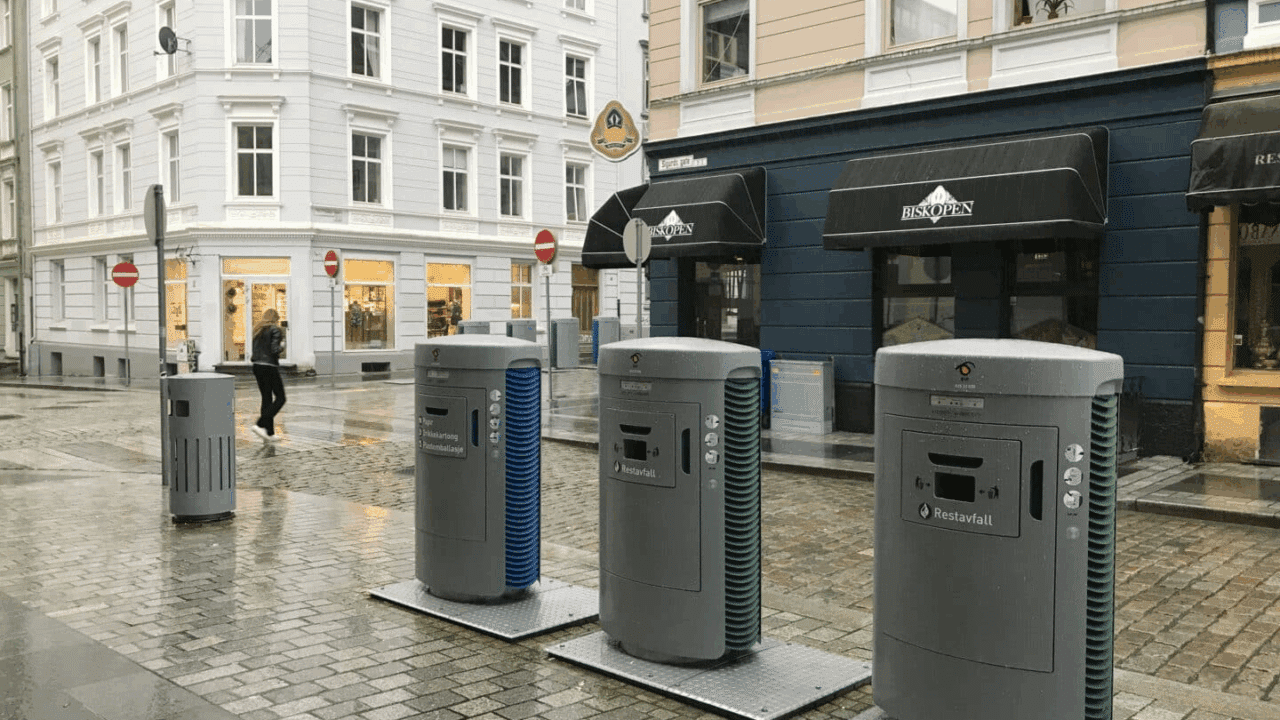
Designing Cities for the Future: Why Waste Belongs Underground Cities are growing taller and denser than ever before. Yet many still rely on outdated waste /../
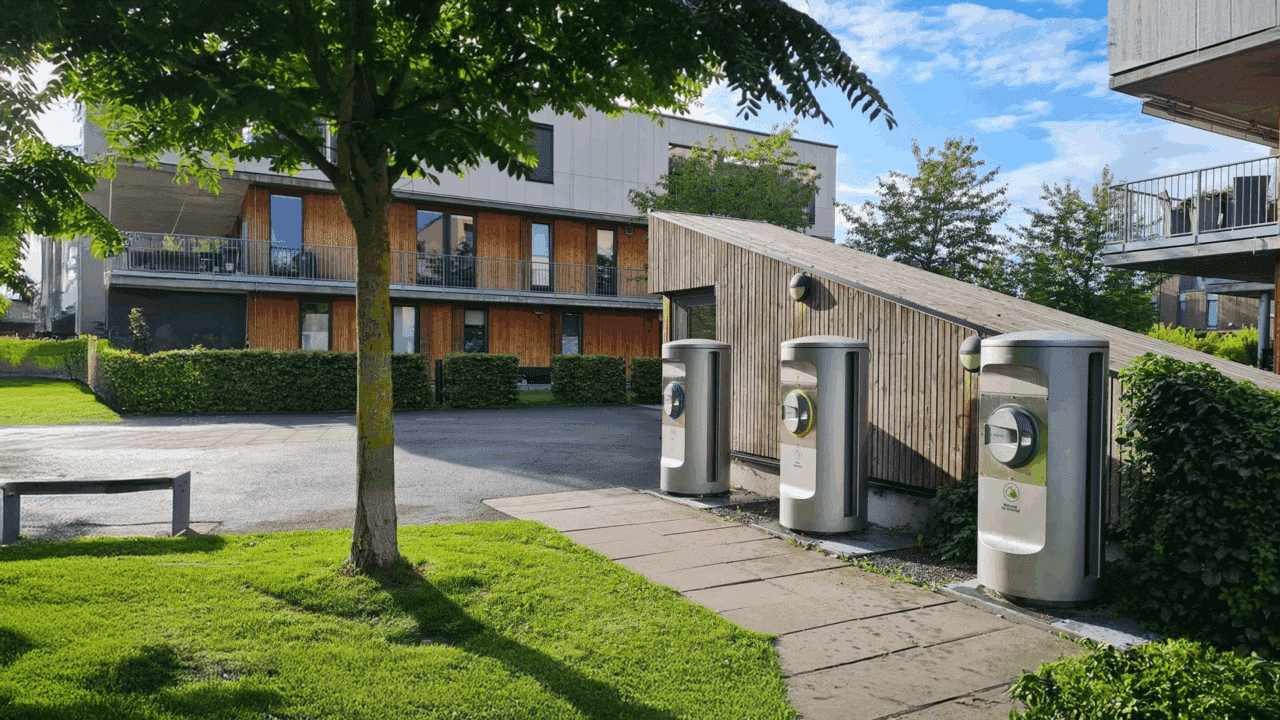
Building Sustainable Cities with Waste Automation Cities are growing fast. More people means more waste, but also higher expectations for cleaner, quieter, and more sustainable /../