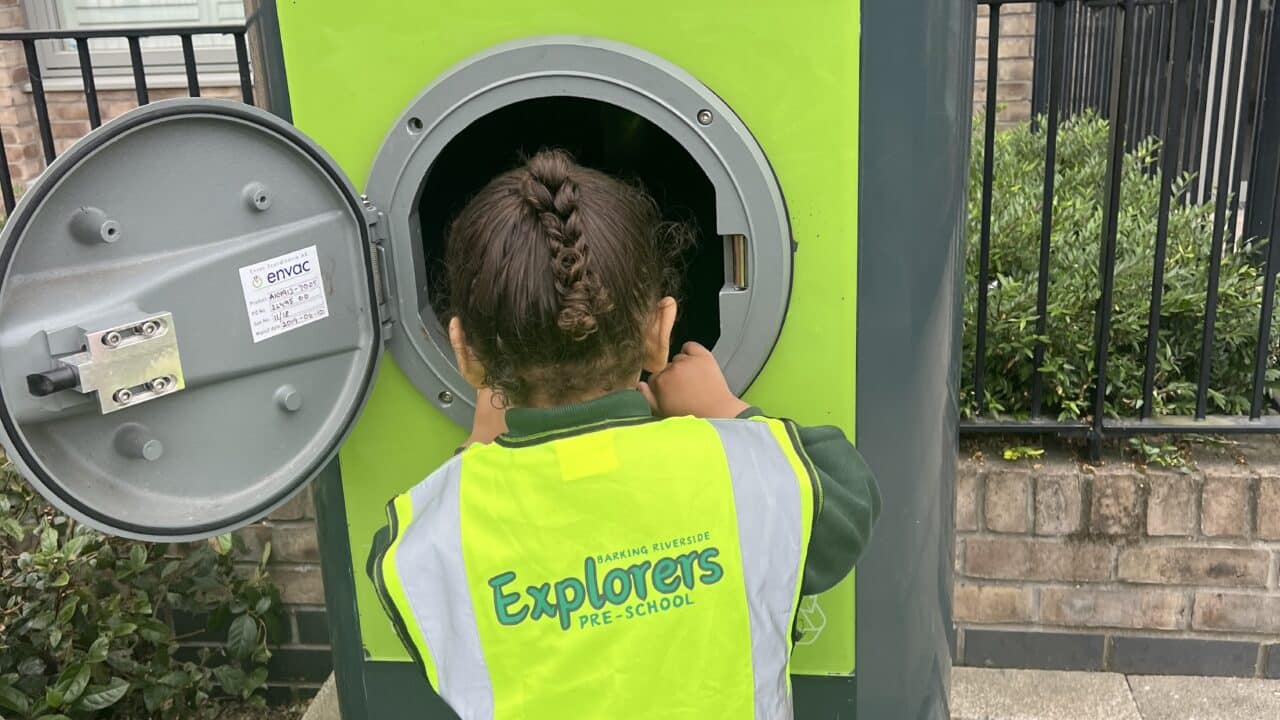
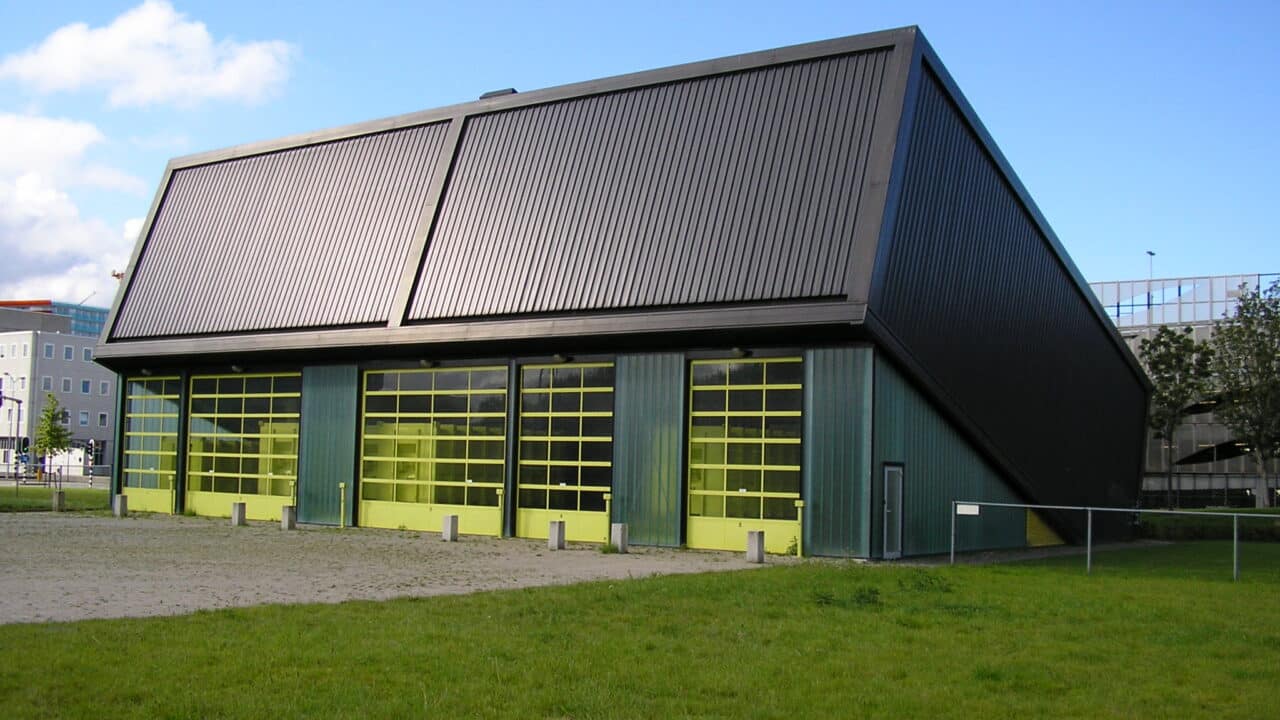
At The Wilds, a multi-purpose community, ecology and events space delivered by Barking Riverside Limited, the Envac terminal is not tucked away in an anonymous shed. Instead, it sits within an award-winning building that also houses workspaces (where the Envac UK office is also located), a local café, events and, importantly, an inclusive early years setting: Barking Riverside Explorers Preschool, part of the SENspired family of services.
When stadium waste is managed well, most people barely notice it. When it is managed badly, everyone does. Overflowing bins, odours, litter, cluttered concourses and collection vehicles moving through busy areas can all affect how a venue feels and performs. For modern stadiums, the question is no longer simply, “Where do we put the bins?” It is, “How can waste infrastructure support a cleaner, safer, more efficient and more flexible venue?”
The Netherlands is often seen as a frontrunner in recycling, yet municipalities still struggle with growing waste volumes, stubborn residual streams, overflowing underground containers and rising costs. This article shows how data‑driven operations, Envac automated waste collection systems (AWCS) and Envac sorting solutions, already proven in Dutch projects such as Almere and Arnhem, can help cities move from day‑to‑day firefighting to more future‑proof, integrated waste infrastructure.
Healthcare providers face immense pressure to deliver high-quality care while maintaining a smooth patient flow, which is crucial for keeping healthcare-associated infections (HAIs) low and preventing nurse burnout. Additionally, there is a constant need to improve infection control, maximise clinical efficiency, and expand capacity—all while adhering to strict budgetary limits. However, an often-overlooked aspect that can undermine these goals is how hospitals manage their soiled flow logistics.
Once an automated waste collection system is in place, it is easy to see it as “finished”. The pipes are in the ground, the terminal is up and running, and everyday life goes on. But developments in recent years show that an Envac system is not just a technical installation – it is long‑term infrastructure that can be upgraded, optimised and extended in line with changes in the city, the regulatory framework and residents’ expectations.
At The Wilds, a multi-purpose community, ecology and events space delivered by Barking Riverside Limited, the Envac terminal is not tucked away in an anonymous shed. Instead, it sits within an award-winning building that also houses workspaces (where the Envac UK office is also located), a local café, events and, importantly, an inclusive early years setting: Barking Riverside Explorers Preschool, part of the SENspired family of services.
Cities are where the world’s biggest challenges and opportunities converge. They occupy just 2% of the Earth’s land, yet house half the global population and generate around 80% of emissions. In a time of accelerating climate change and geopolitical instability, cities are becoming the testing ground for whether we can secure clean air, reliable infrastructure and social stability. In 2025, Envac appointed its first Chief Sustainability Officer, underlining the strategic importance of sustainability for our future growth and long‑term competitiveness.
Managing waste is a significant challenge for cities worldwide. Total global waste is estimated to reach 3.88 billion tonnes by 2050 as urban populations – and their waste – continue to grow.
A new Swedish study shows that roughly one third of household food waste can in fact be prevented – but also that large amounts of unavoidable, nutrient-rich food waste will always remain. This places high demands on smart collection systems that enable biogas production, circular nutrient flows and more resource-efficient cities, where Envac’s vacuum waste collection systems become a central part of the infrastructure.
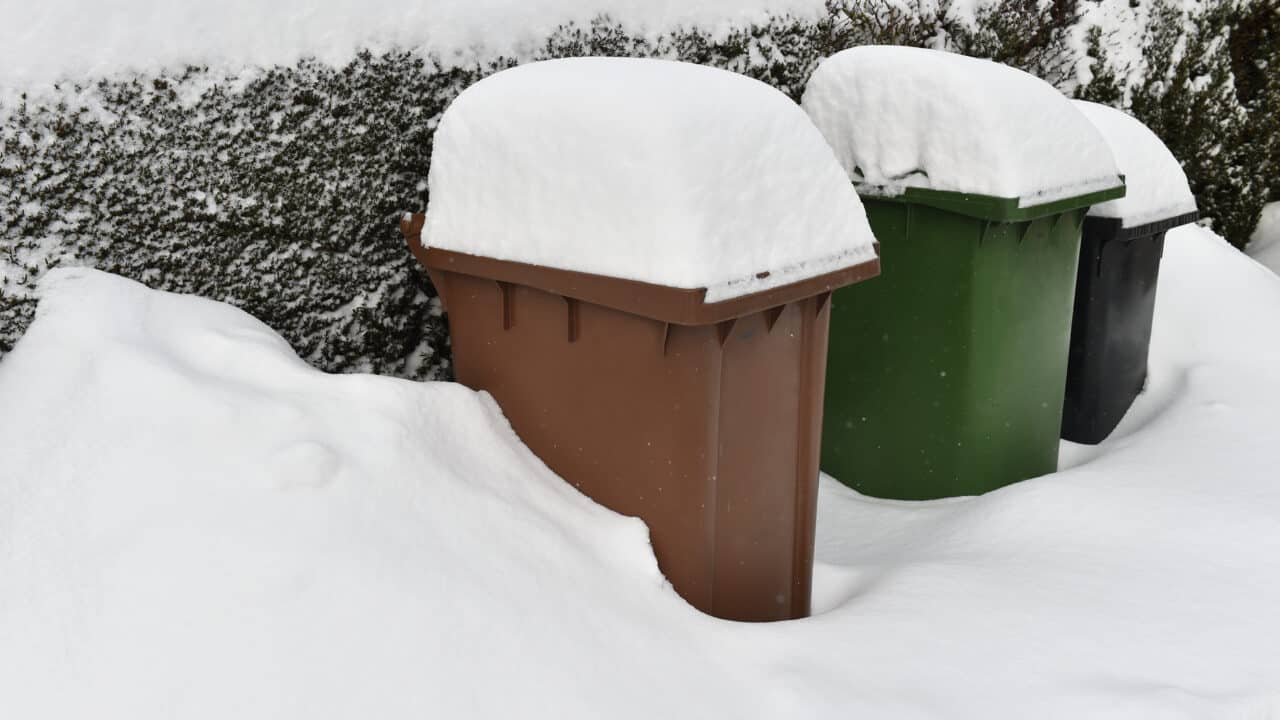
The snow chaos in Sweden was a clear reminder of how vulnerable a traditional, vehicle-heavy waste system is. When roads become blocked with snow, snowbanks build up and vehicles get stuck, it directly affects something as fundamental as being able to get rid of your waste. The result is overflowing bins, extra collection rounds, overtime work and residents who are forced to “wait before taking out the rubbish” because the collection simply has not made it through.
Airports face growing pressure to manage increasing waste volumes while maintaining high standards of hygiene, safety, and sustainability. Envac’s automatic waste collection systems offer a proven solution, streamlining operations, reducing emissions, and improving the passenger environment through a sealed, automated waste management solution.
Hospitals face constant pressure to improve safety, reduce costs, and create cleaner environments for patients and staff. Yet one area often overlooked is waste management. Manual waste handling may seem simple, but it carries hidden costs in labor, infection control, and safety that can add up fast. Automated waste handling systems are changing that.
As London’s population grows and new urban districts emerge, the city faces urgent waste management challenges. Sustainable waste solutions are essential as traditional methods struggle to keep pace with rapid urbanisation and evolving environmental standards.