At Envac, we’ve been leading the way in automated waste systems since 1961, with over 1,200 installations worldwide. Our customized solutions are designed to save space, cut costs, and streamline operations, whether it’s for hospitals, high-rises, stadiums, convenience stores, or entire cities.
Traditional waste management systems often fall short in meeting the demands of modern urban living. Envac’s custom waste collection systems offer a revolutionary solution, blending luxury, sustainability, and practicality to elevate property value and enhance the resident experience.
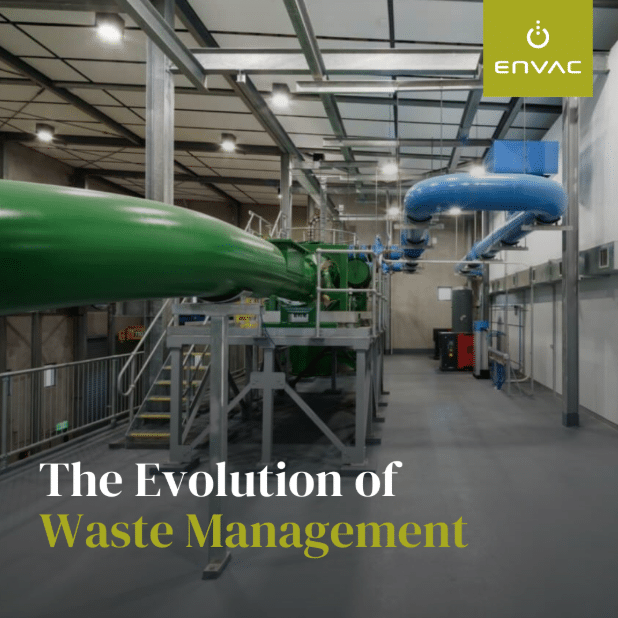
Many hospitals, municipalities, and mixed-use developments rely on pneumatic waste collection systems installed decades ago. At the time, these systems represented advanced infrastructure. They improved /../
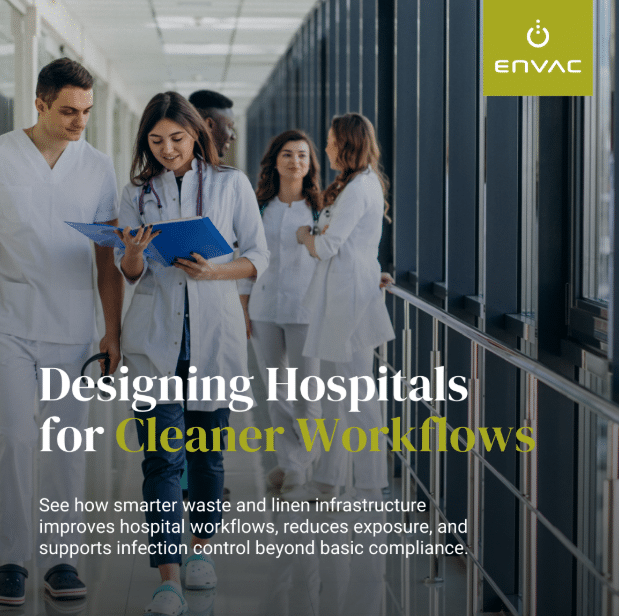
Hospital design is often guided by compliance. Regulations define minimum requirements for safety, hygiene, and infection control. While these standards are essential, meeting them does /../
Cities have modernized nearly every essential system. Water flows through underground pipes. Power runs through protected grids. Communications operate through invisible networks. Yet waste collection /../
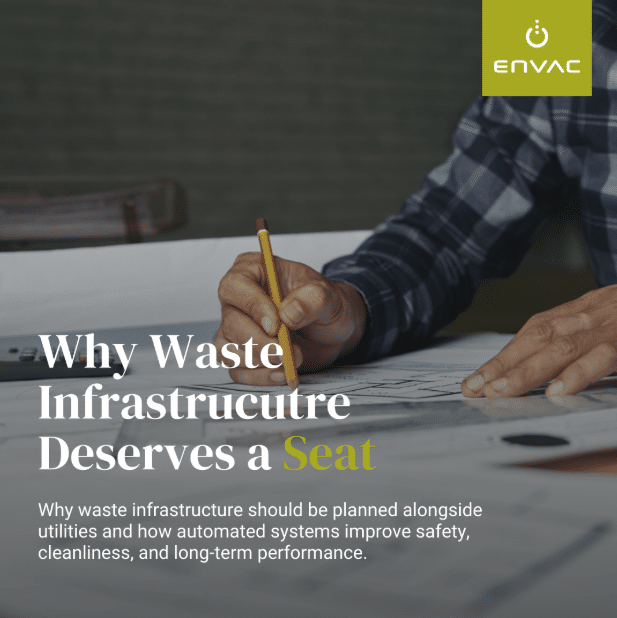
In most projects, waste management is addressed late in the design process. Floor plans are finalized. Public spaces are defined. Circulation paths are locked in. /../
The True Cost of Manual Waste Handling in Hospitals Hospitals face constant pressure to improve safety, reduce costs, and create cleaner environments for patients and /../
Building Sustainable Cities with Waste Automation Cities are growing fast. More people means more waste, but also higher expectations for cleaner, quieter, and more sustainable /../
Automating Clean: How Waste Technology is Reshaping Hospital Hygiene Hospitals have always been built around care. Yet behind the scenes, one of the most overlooked /../
Designing Cities for the Future: Why Waste Belongs Underground Cities are growing taller and denser than ever before. Yet many still rely on outdated waste /../
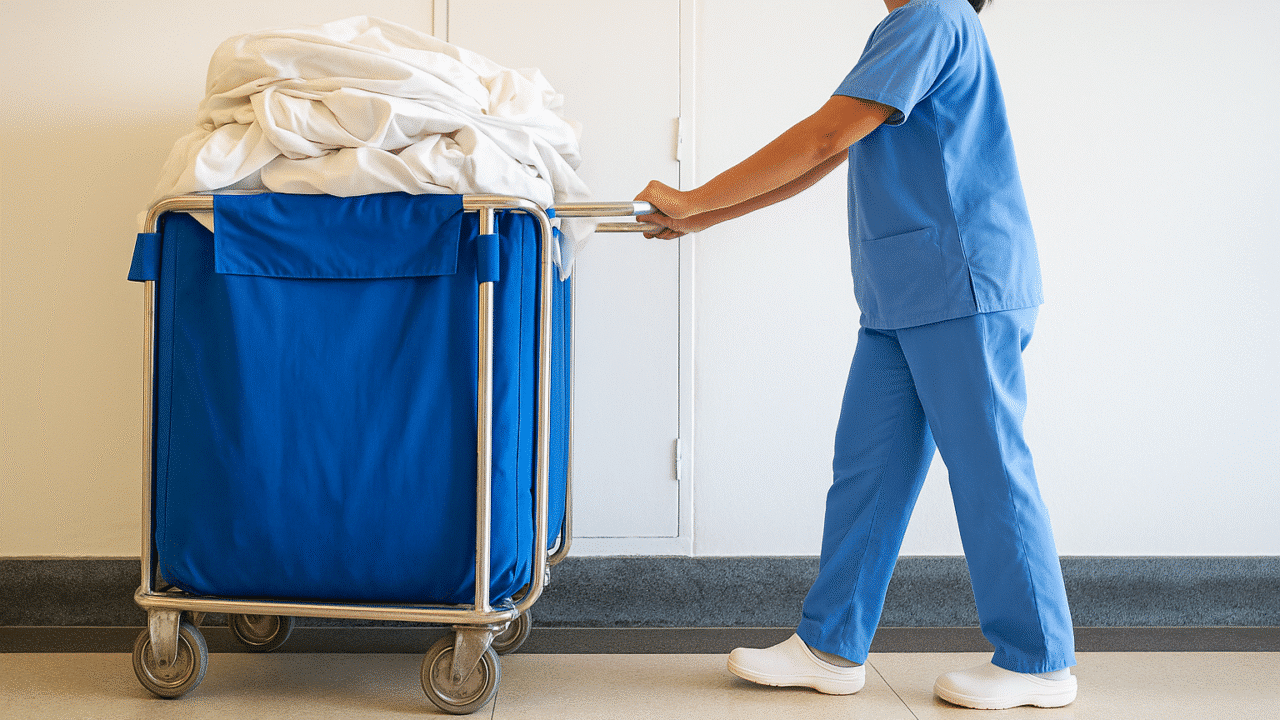
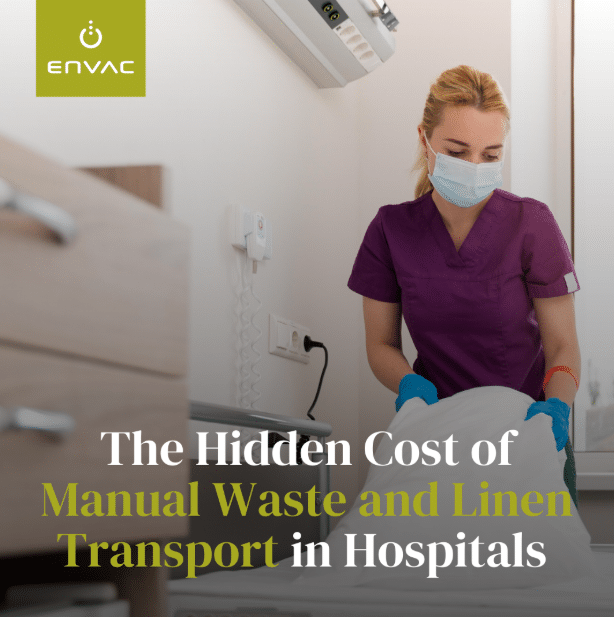
Hospitals are designed to support healing, safety, and efficiency. Yet behind the scenes, many facilities still rely on manual waste and linen transport systems that /../
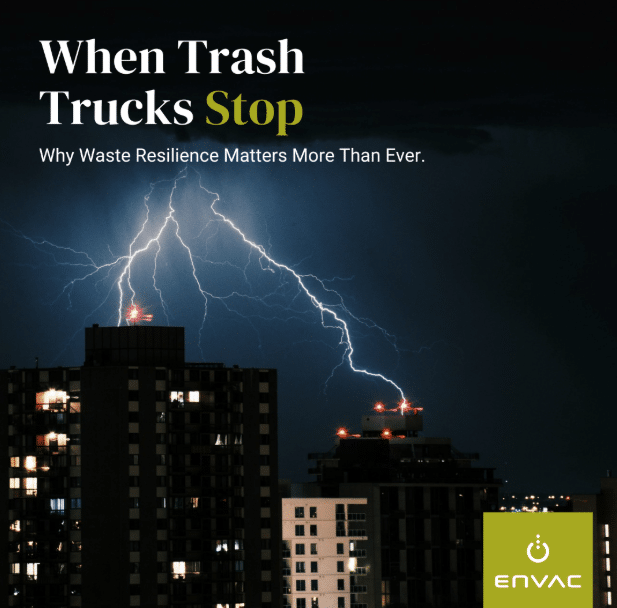
Waste management is often invisible until it fails. Cities, hospitals, and large facilities rely on scheduled truck routes to keep operations running smoothly. But when /../
Most organizations want to recycle more. Buildings install split bins. Cities promote sustainability campaigns. Facilities invest in signage and education. Yet despite these efforts, recycling /../
Designing Cleaner, Quieter Mixed-Use Districts With Underground Waste Systems Mixed-use developments are designed to bring people together. Restaurants, shops, offices, residences, and public spaces coexist /../