Building Sustainable Cities with Waste Automation
Cities are growing fast. More people means more waste, but also higher expectations for cleaner, quieter, and more sustainable living. Traditional waste trucks and dumpsters cannot keep up.
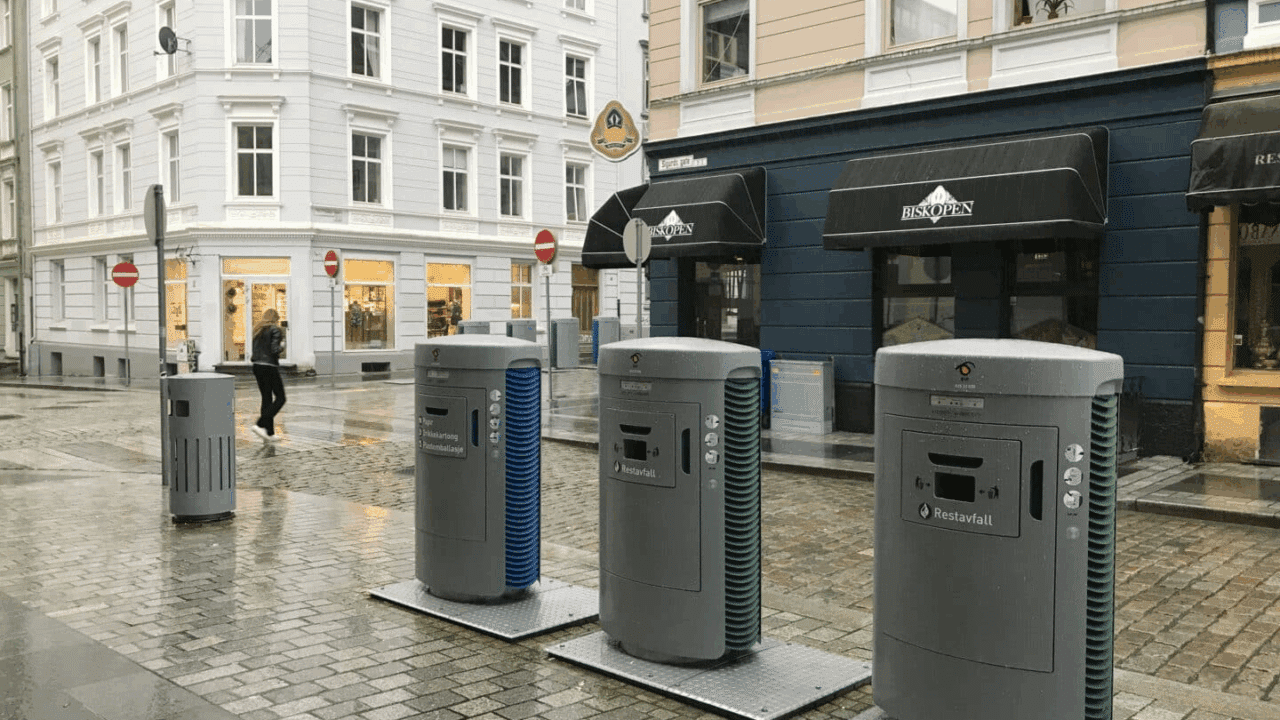
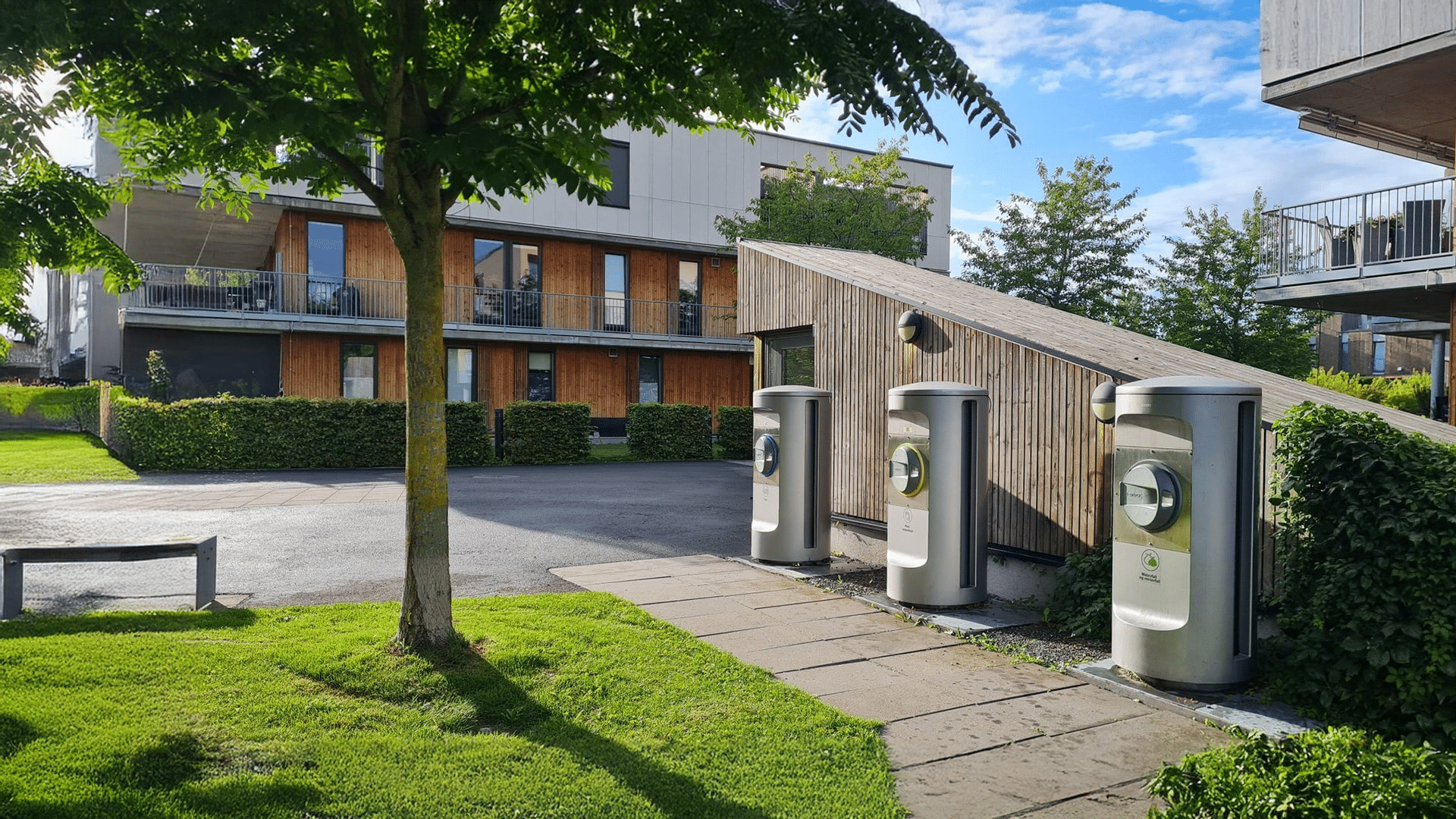
Automated waste collection systems are changing that. By moving trash through underground pipes to a remote collection point, cities cut truck traffic, lower emissions, and keep streets cleaner for residents and visitors.
In high-density areas, automation can reduce truck trips by up to 90 percent, shrinking carbon footprints and freeing public space from noise and odor. It is a win for both efficiency and livability.
Smart cities use these systems to collect real-time data, track waste volumes, and optimize performance. The result is cleaner neighborhoods, reduced operating costs, and a foundation for long-term sustainability.
From Stockholm to Seoul, Envac systems are proving that modern waste management is not just about disposal. It is about designing cities that work better for people and the planet.
Automated collection is the future of urban sustainability, and it is already here.