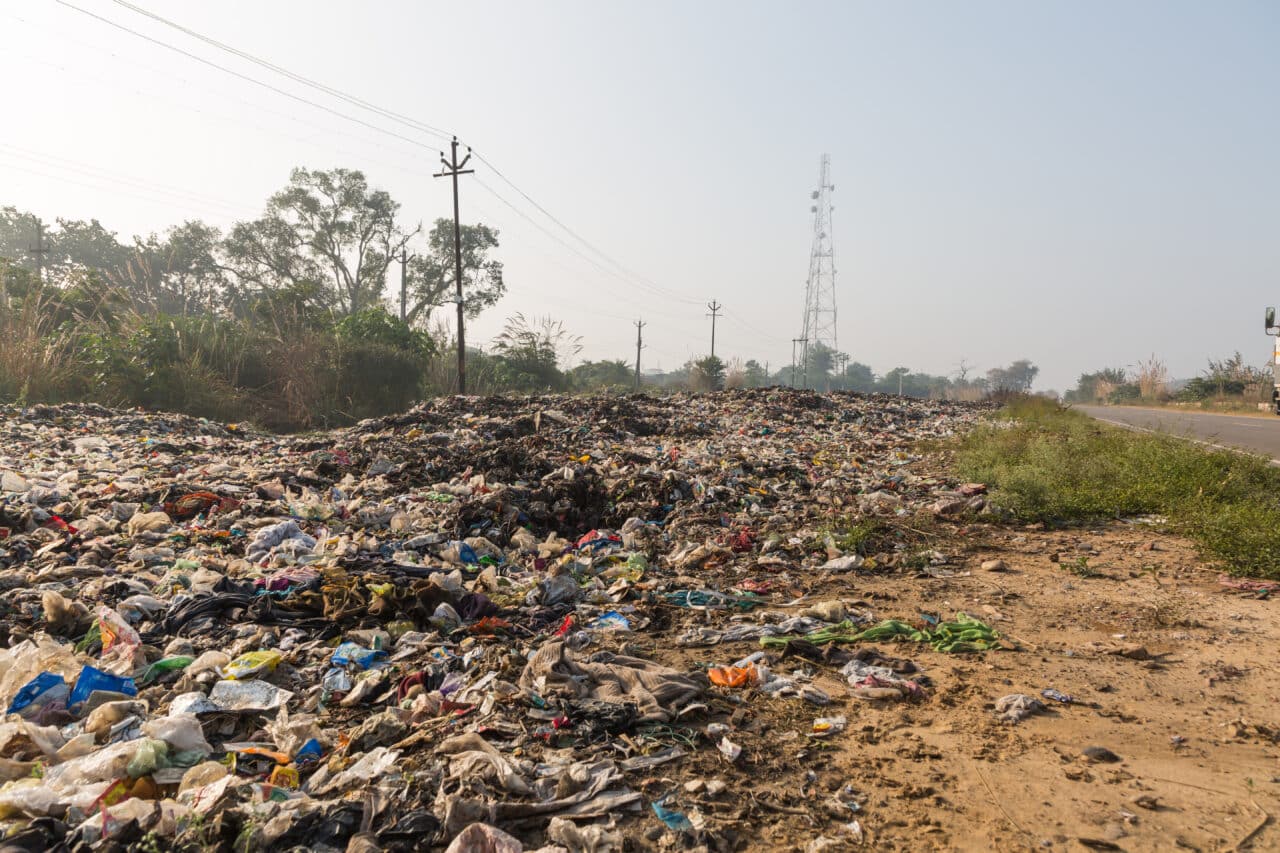
India’s Solid Waste Management (SWM) Rules, 2026, effective April 1, 2026, are set to transform the way urban waste is managed. These new rules replace the 2016 framework and require both decision makers and end users to take a more active role in creating cleaner, healthier cities. The transition from the old “collect–dump–forget” model to a system centred on segregation, accountability, and technology is now a regulatory reality.
Four-Stream Segregation Is Mandatory
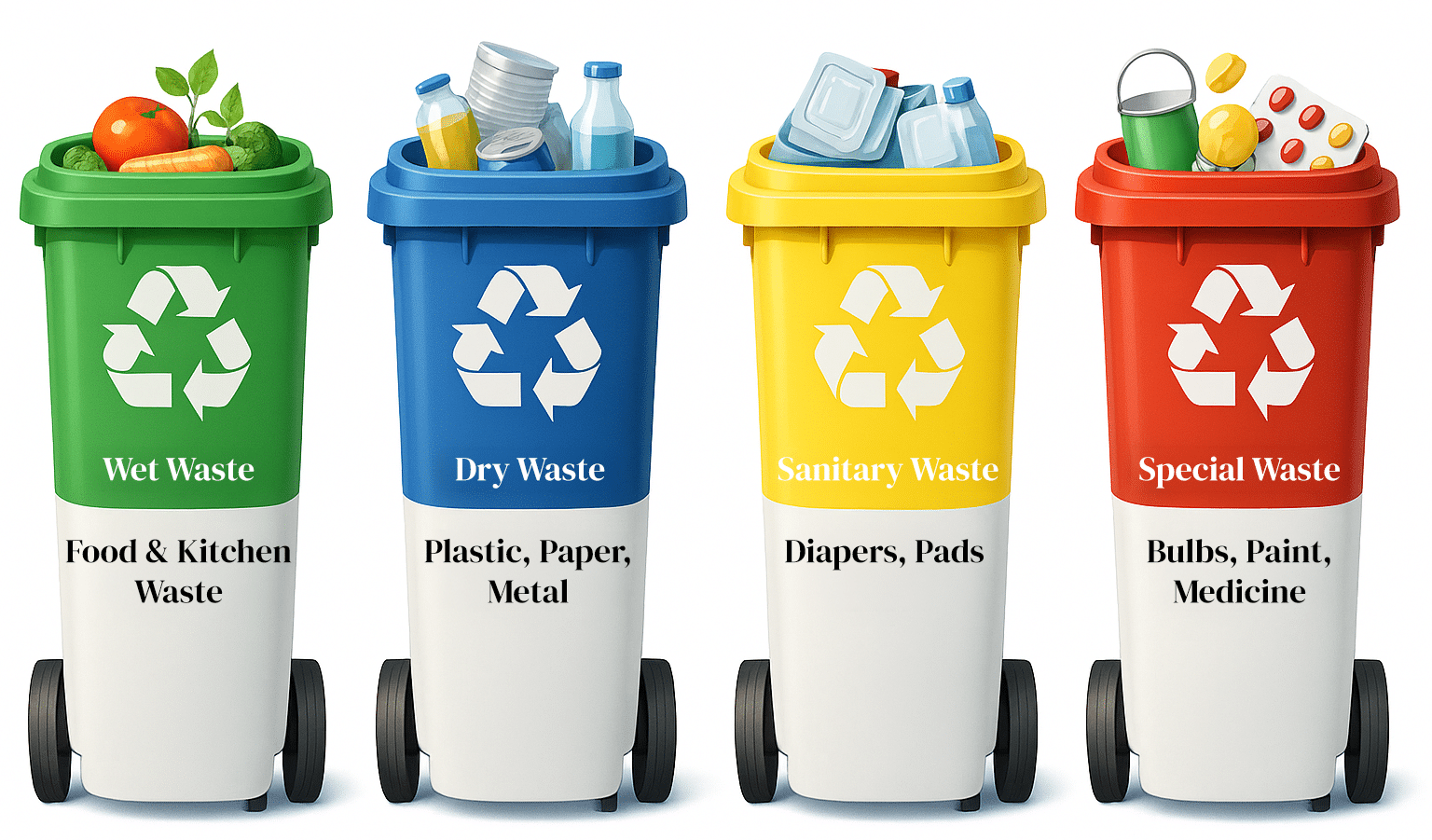
Every generator of waste—homes, businesses, hospitals, and airports must separate waste into Wet (food and organics), Dry (recyclables), Sanitary, and Domestic Hazardous streams. This step is crucial for effective recycling and safe disposal.
Enforcement and Accountability
Annual reporting is required. Failure to segregate or improper handling can result in financial penalties. Mixed waste sent to a landfill will attract higher fees.
Digital Tracking
A new central portal will track waste from generation to final disposal, making transparency and accurate reporting a must for all stakeholders.
Landfill Use Minimised
Only non-recyclable, inert waste may be sent to landfill. Prevention, reduction, reuse, recycling, and recovery are prioritised.
Bulk Waste Generators in Focus
Large residential complexes, commercial centres, hospitals, universities, and airports (with over 20,000 m² built-up area, 40,000 litres/day water use, or 100 kg/day waste generation) must process waste at source. These entities account for about 30% of urban waste and now face strict compliance requirements.
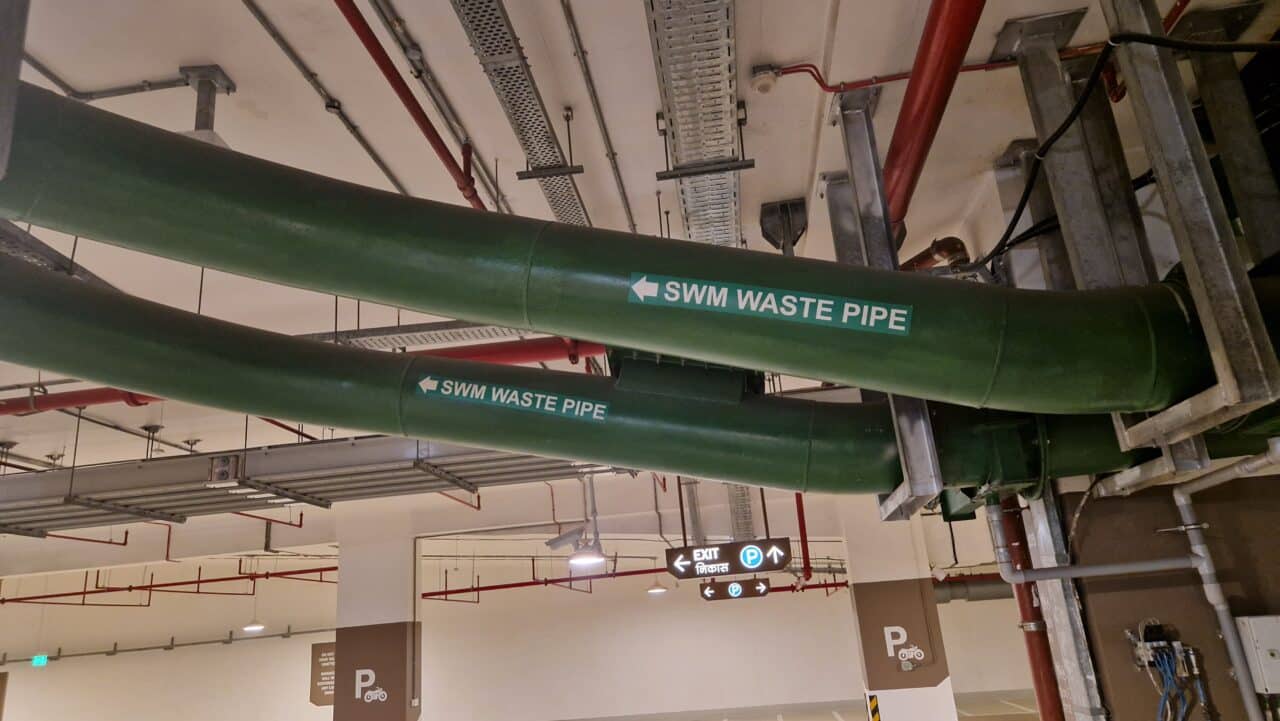
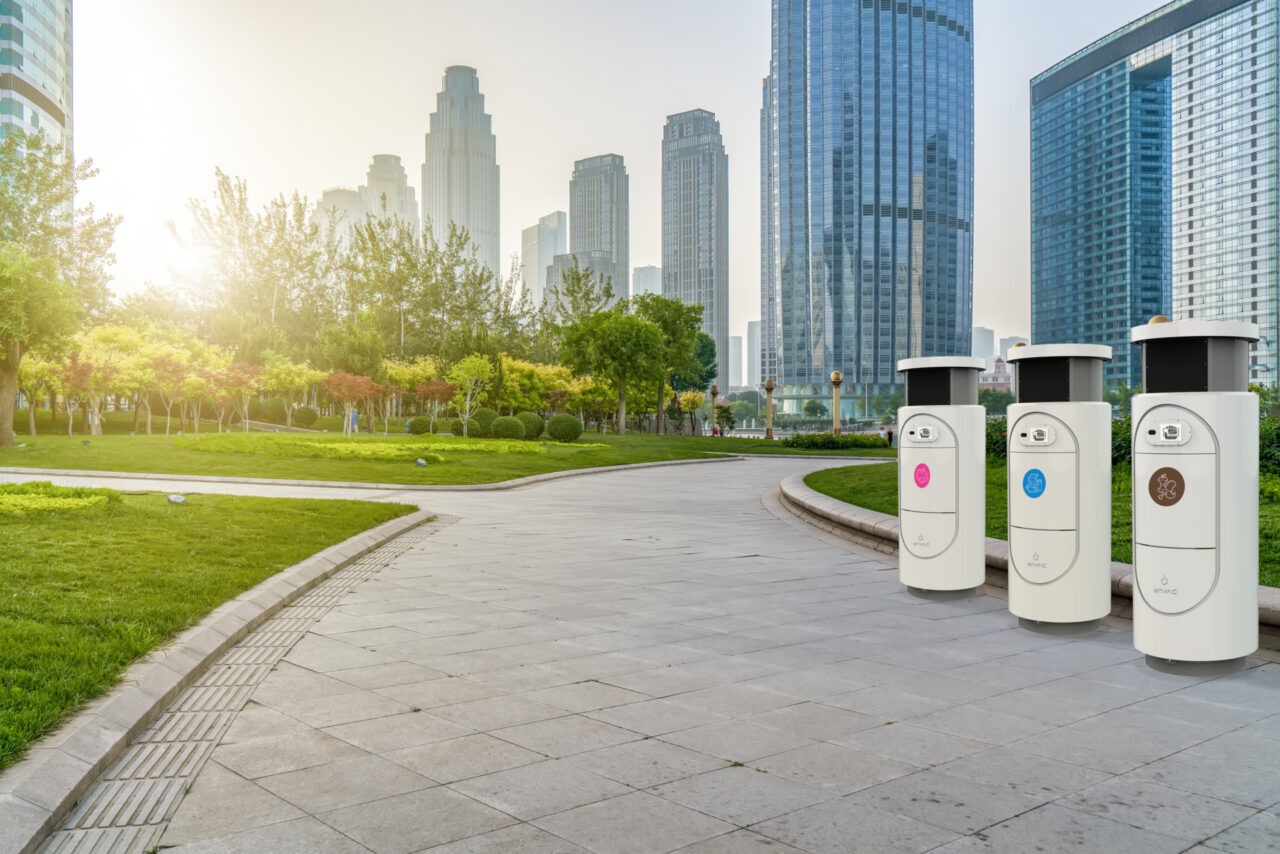
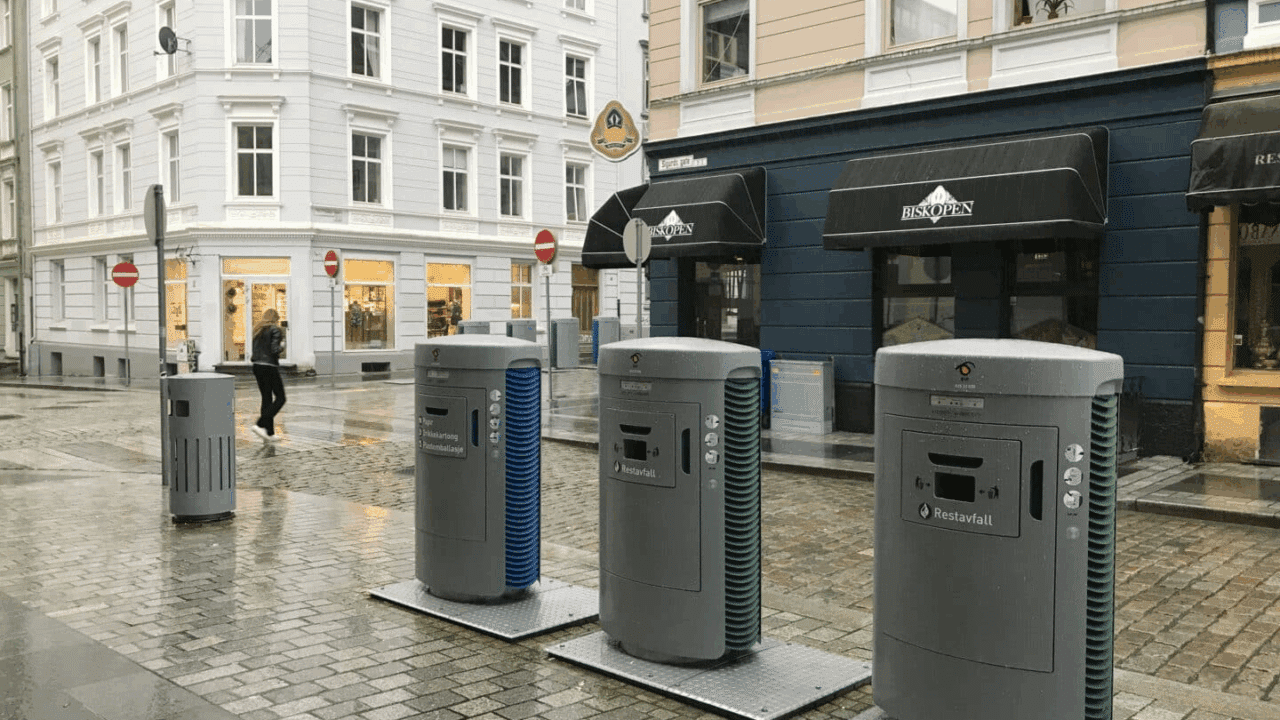
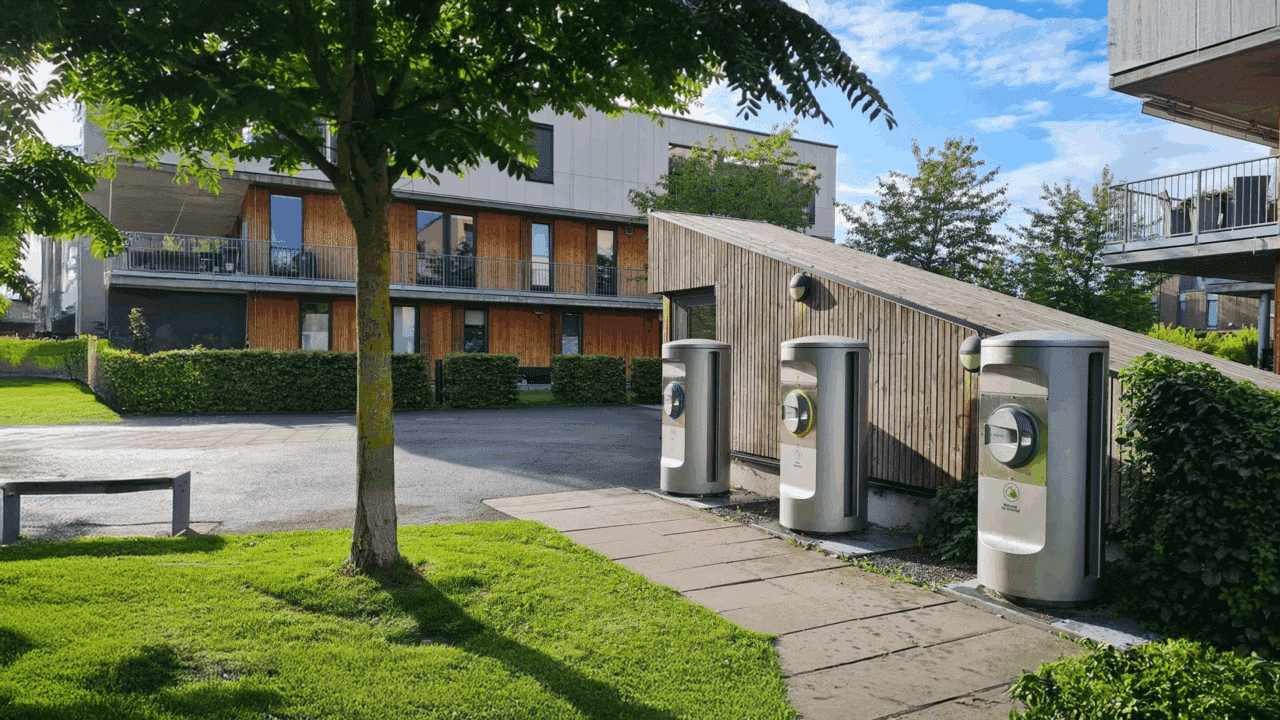
Automated vacuum waste collection systems have been operational in India for over 16 years, enabling multi-stream segregation, integration with on-site processing, and reliable, long-term performance monitoring. These features are now directly aligned with the 2026 regulatory requirements.