Use space more effectively
Reduce the footprint required for waste storage, bins, collection yards, and vehicle access, making more room for higher-value uses.
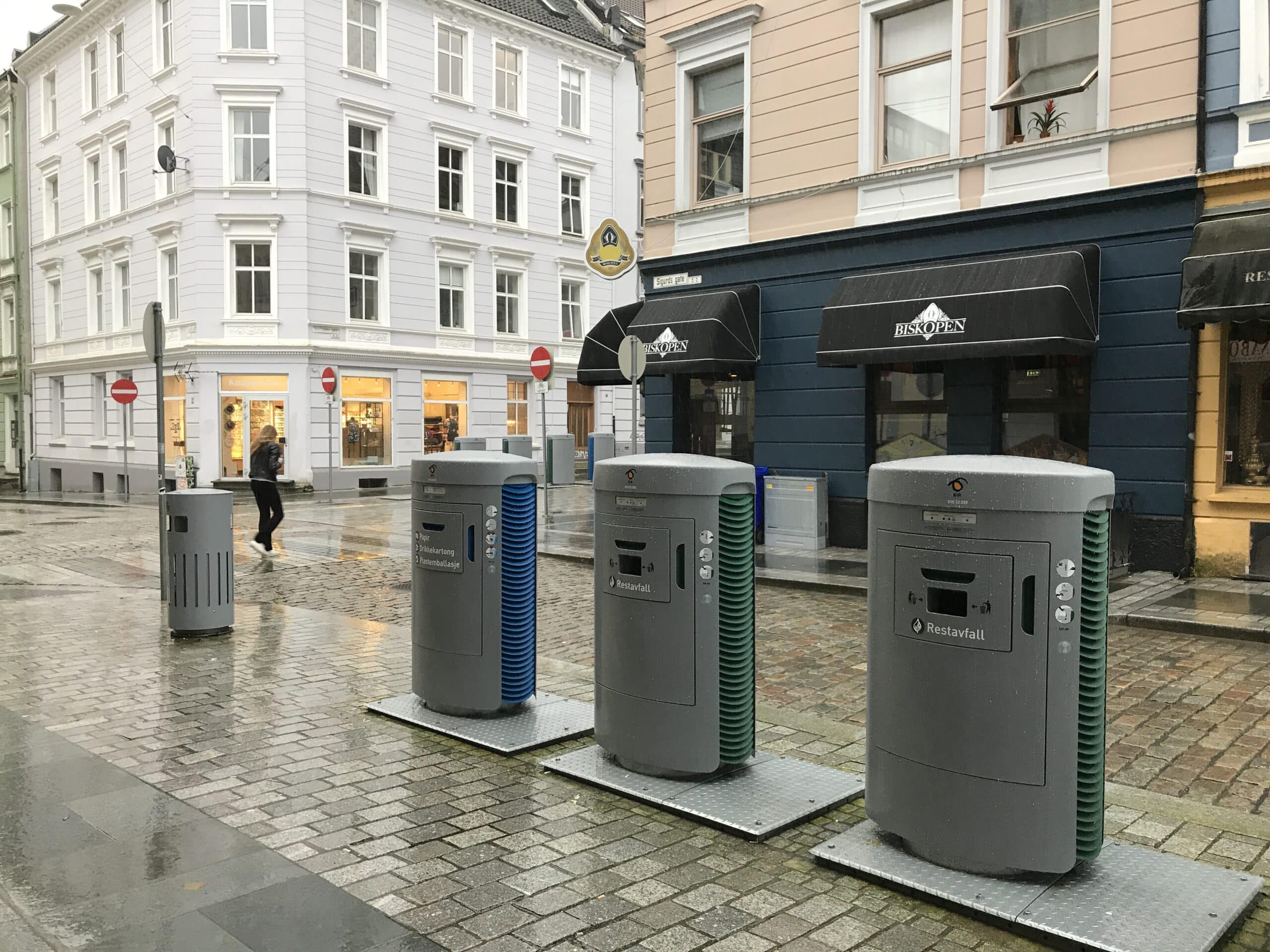
Whether you manage a city district, hospital, airport, commercial property, campus, or large public environment, we can help you explore a smarter approach to waste collection.
Conventional waste collection can create daily challenges: vehicle movements, visible bins, limited storage space, manual handling, hygiene concerns, odours, noise, and disruption for people using the site.
For busy, high-demand environments, these issues affect much more than waste operations. They can influence public spaces, building performance, visitor experience, staff time, operational costs, and the long-term value of the site.
Envac helps site owners and operators assess opportunities to improve waste handling around the needs of their existing environment.
Improving waste collection can help deliver meaningful benefits across your site.
Reduce the footprint required for waste storage, bins, collection yards, and vehicle access, making more room for higher-value uses.
Minimise the need for collection vehicles to enter busy streets, sensitive areas, building entrances, or public spaces. Help reduce noise, congestion, and interruptions to daily operations.

Create a cleaner environment with less visible waste, fewer overflowing bins, and reduced manual handling of waste bags and containers.

Support a more reliable and manageable waste flow for facilities teams, operators, and service providers.
Create more attractive, comfortable, and welcoming environments while supporting long-term sustainability goals such as cleaner cities, reduced traffic, and improved service quality.

Every existing environment has different constraints, infrastructure, and operational requirements. Envac begins by understanding what is happening now and what you want to improve.
The objective is not to apply a standard solution. It is to understand what is practical and valuable for your site.

Existing sites often have established buildings, public spaces, utilities, operating hours, and user needs that must be respected. A review of improvement opportunities should account for these realities from the outset.
Envac can help teams explore options such as:
Yes. Envac can support existing cities, districts, buildings, campuses, and operational environments. The right approach depends on the site layout, current infrastructure, operational requirements, and improvement objectives.
No. Basic information about the site, current setup, and challenges is enough for an initial conversation. More detailed operational data can be gathered later if further assessment is appropriate.
No. The discussion may explore retrofit potential, upgrades, expansion, improvements to operational flows, or long-term planning. The appropriate scope depends on your site and objectives.
Yes. Existing customers can use this route to explore system upgrades, capacity changes, expansion, modernisation, and operational improvement opportunities.
Potential disruption is an important consideration for any existing site. An initial assessment helps identify operational constraints and the practical steps needed before a detailed solution is developed.

Tell us about your existing environment and the improvement you want to achieve. An Envac specialist will provide an initial view of suitability, relevant considerations, and recommended next steps.
Explore examples of how Envac has helped cities, operators, and property teams improve waste collection in busy, established environments.
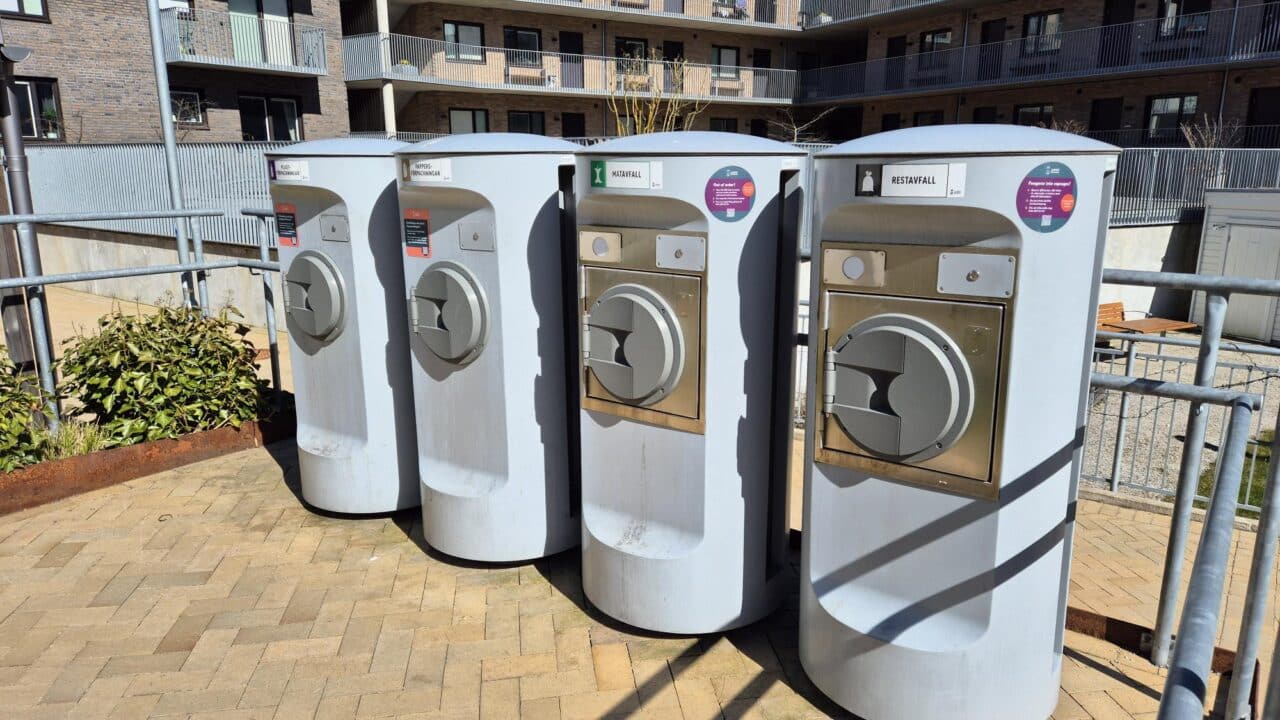
Cities Lund, Sweden
Brunnshög offers four waste fractions via pneumatic waste collection, with the aim that no more than 50 metres is needed to reach a waste inlet from the entrances. In addition, there is property-close collection within approximately 200–300 metres of each property.
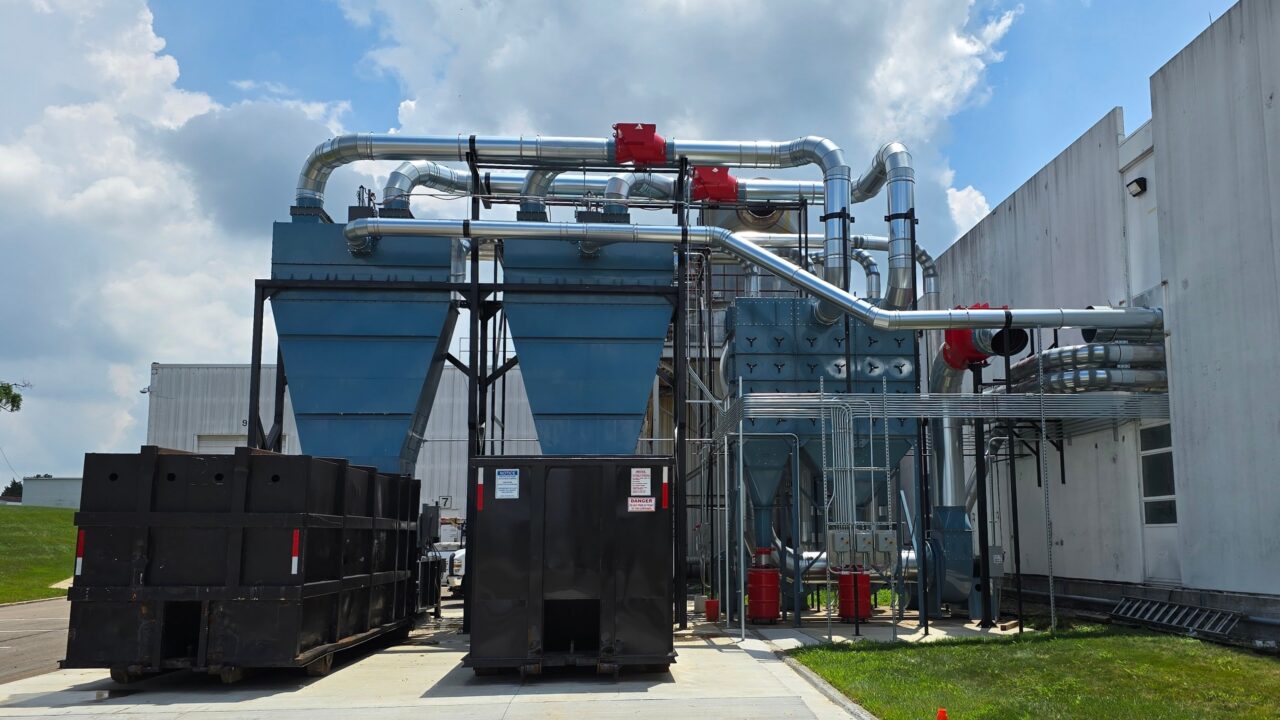
Industrial Miamisburg, Ohio
manufacturers turn trim waste from a persistent operational problem into a source of measurable sustainability and productivity gains. At Avery Dennison’s label and packaging facility in Miamisburg, Ohio, PAC delivered an integrated trim removal system that reduces downtime, cuts environmental impact and improves the working environment on the production floor.
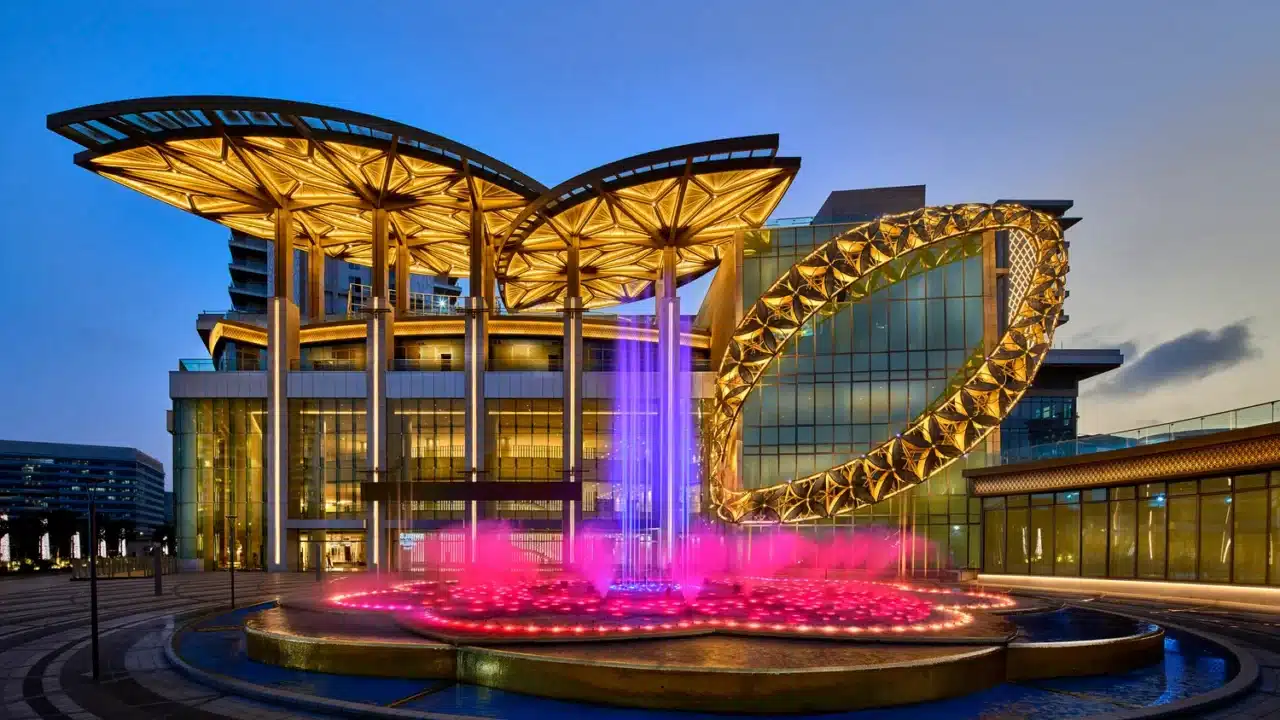
Mixed-use Mumbai, India
A landmark mixed-use destination in Mumbai combining high-end residences, premium offices, and a vibrant ecosystem of dining,retail, events, and entertainment. The district integrates smart infrastructure and sustainability into every layer of its planning and operations.