Make better use of space
Reduce the need for large waste rooms, visible bins, collection yards, and vehicle access routes. Create more room for public space, landscaping, amenities, parking, or valuable floor area.

Build cleaner, more efficient, and more attractive environments by integrating automated waste collection into your development from the earliest planning stages.
Envac helps developers, architects, engineers, municipalities, and project teams create waste solutions for urban districts, residential developments, healthcare facilities, transport hubs, campuses, and commercial properties.
Waste collection affects far more than the journey from bin to truck. It influences public space, building design, traffic flows, hygiene, operational efficiency, and the experience of everyone who uses the development.
When waste infrastructure is considered early, it can be integrated into the wider project design rather than added as a constraint later. Envac helps project teams explore a smarter approach from concept through delivery.
Automated waste collection can help create a better environment for residents, visitors, tenants, operators, and the wider community.
Reduce the need for large waste rooms, visible bins, collection yards, and vehicle access routes. Create more room for public space, landscaping, amenities, parking, or valuable floor area.
Move collection away from streets and building entrances. Reduce the presence of waste trucks, noise, congestion, and interruptions in busy or sensitive environments.

Create cleaner, more pleasant streets and buildings with less visible waste, reduced manual handling, and a more reliable collection process.

Centralise waste collection and help simplify the everyday operation of complex developments, from residential districts to airports and healthcare facilities.
Support sustainability, placemaking, service quality, and urban-living objectives with infrastructure designed for the life of the development.

Waste infrastructure is often difficult and costly to change once building layouts, utilities, roads, public spaces, and access arrangements are fixed.
Considering waste collection early can help your team:
As early as possible. Early planning gives the project team more flexibility to integrate waste infrastructure with the site layout, buildings, utilities, public realm, and operational model.
No. Envac can engage during early planning, concept design, detailed design, or later project stages. Basic information about the site and your objectives is enough to begin.
It is helpful to know the project type, location, approximate scale, development stage, expected users, and any known challenges around space, traffic, access, hygiene, or waste handling. Detailed waste data is not required for the first conversation.
Yes. Envac works with developers, architects, planners, engineers, contractors, operators, and municipalities throughout the project process.
Suitability depends on factors such as project scale, density, waste volumes, space availability, operational needs, access constraints, and long-term objectives. An initial assessment helps determine whether it is appropriate for your project.

Request an initial discussion with an Envac specialist. Share a few details about the development, and we will help you identify whether automated waste collection may be a suitable option.
Learn how early waste planning can improve building performance and maximize valuable square footage.
Explore examples of how Envac has helped project teams create cleaner, more efficient environments across cities, residential developments, healthcare facilities, and transport destinations.
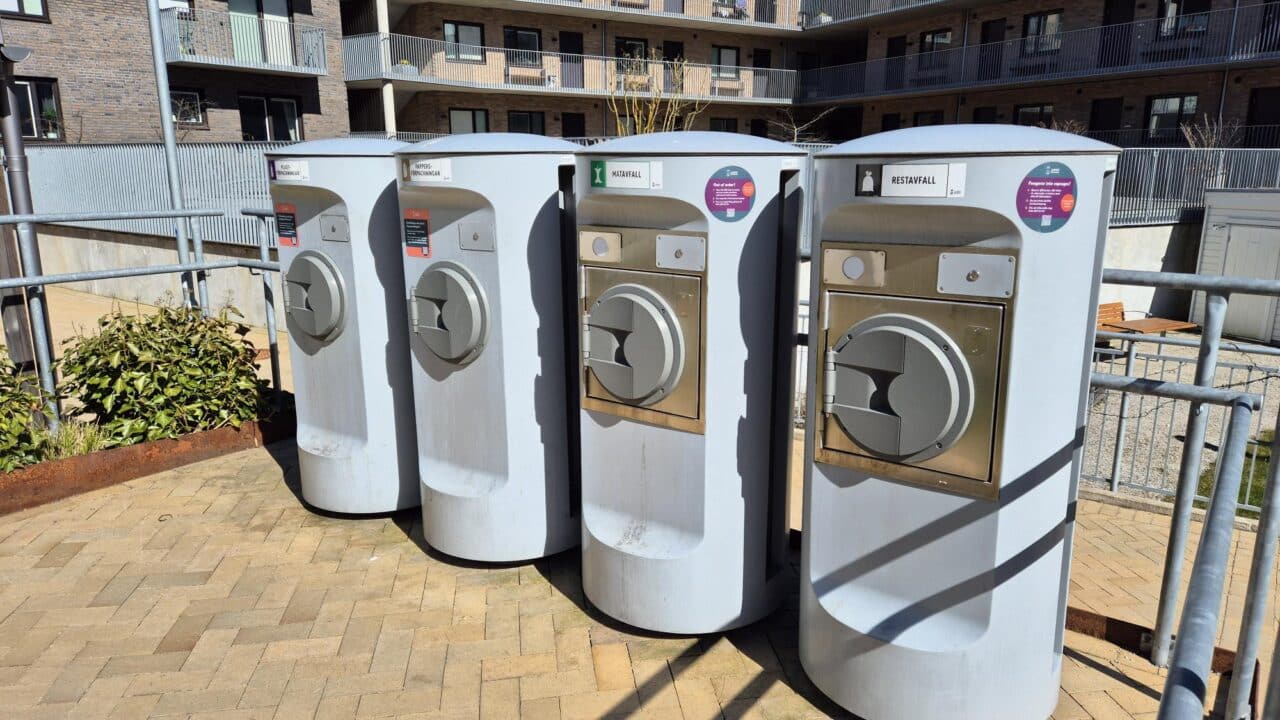
Cities Lund, Sweden
Brunnshög offers four waste fractions via pneumatic waste collection, with the aim that no more than 50 metres is needed to reach a waste inlet from the entrances. In addition, there is property-close collection within approximately 200–300 metres of each property.
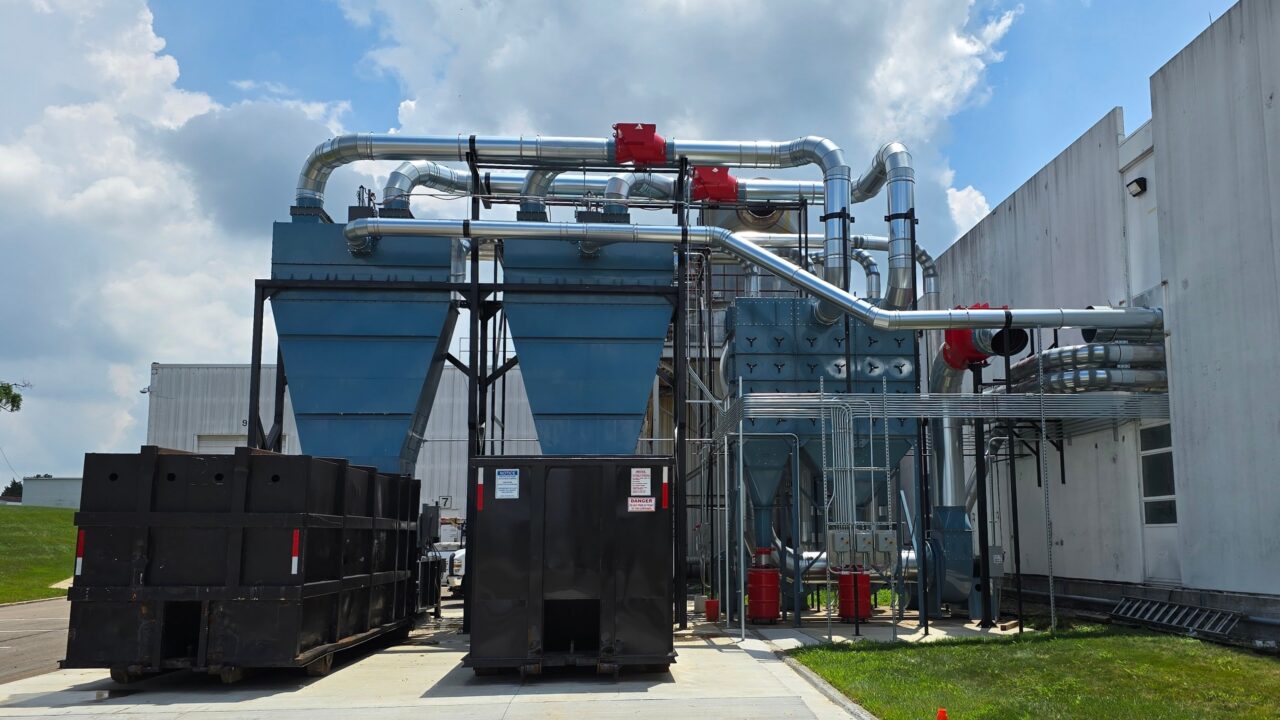
Industrial Miamisburg, Ohio
manufacturers turn trim waste from a persistent operational problem into a source of measurable sustainability and productivity gains. At Avery Dennison’s label and packaging facility in Miamisburg, Ohio, PAC delivered an integrated trim removal system that reduces downtime, cuts environmental impact and improves the working environment on the production floor.
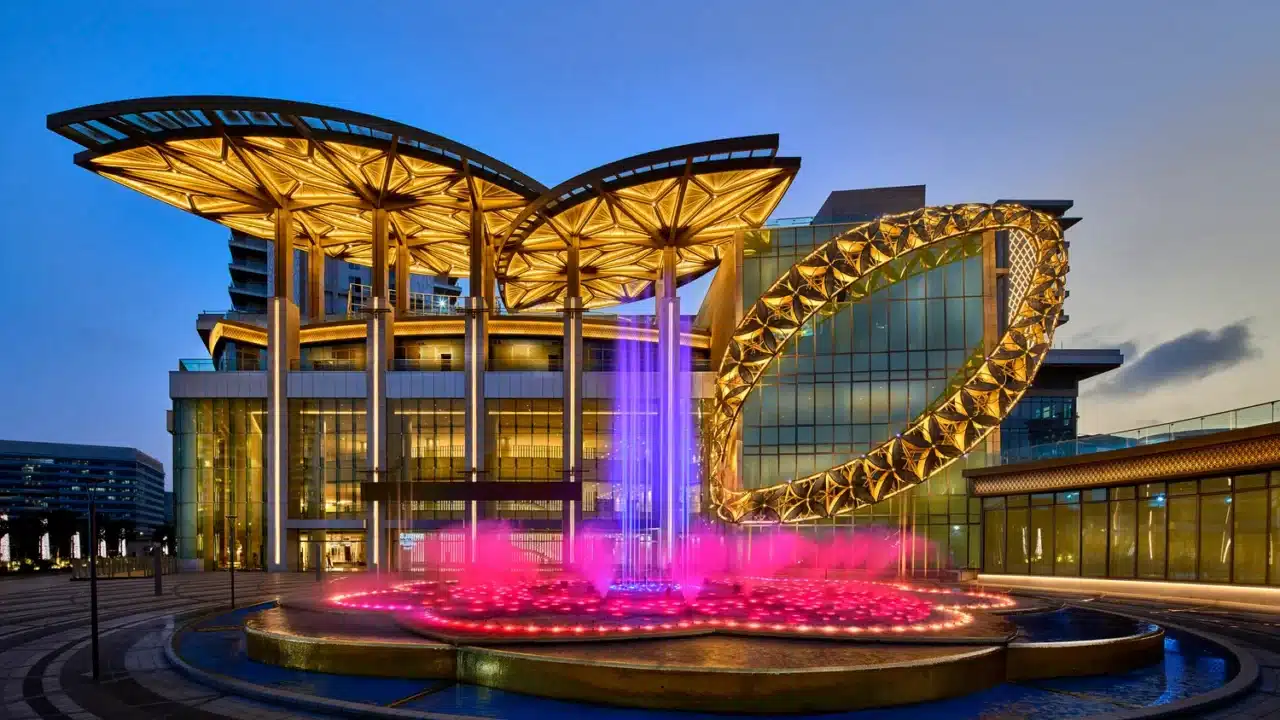
Mixed-use Mumbai, India
A landmark mixed-use destination in Mumbai combining high-end residences, premium offices, and a vibrant ecosystem of dining,retail, events, and entertainment. The district integrates smart infrastructure and sustainability into every layer of its planning and operations.