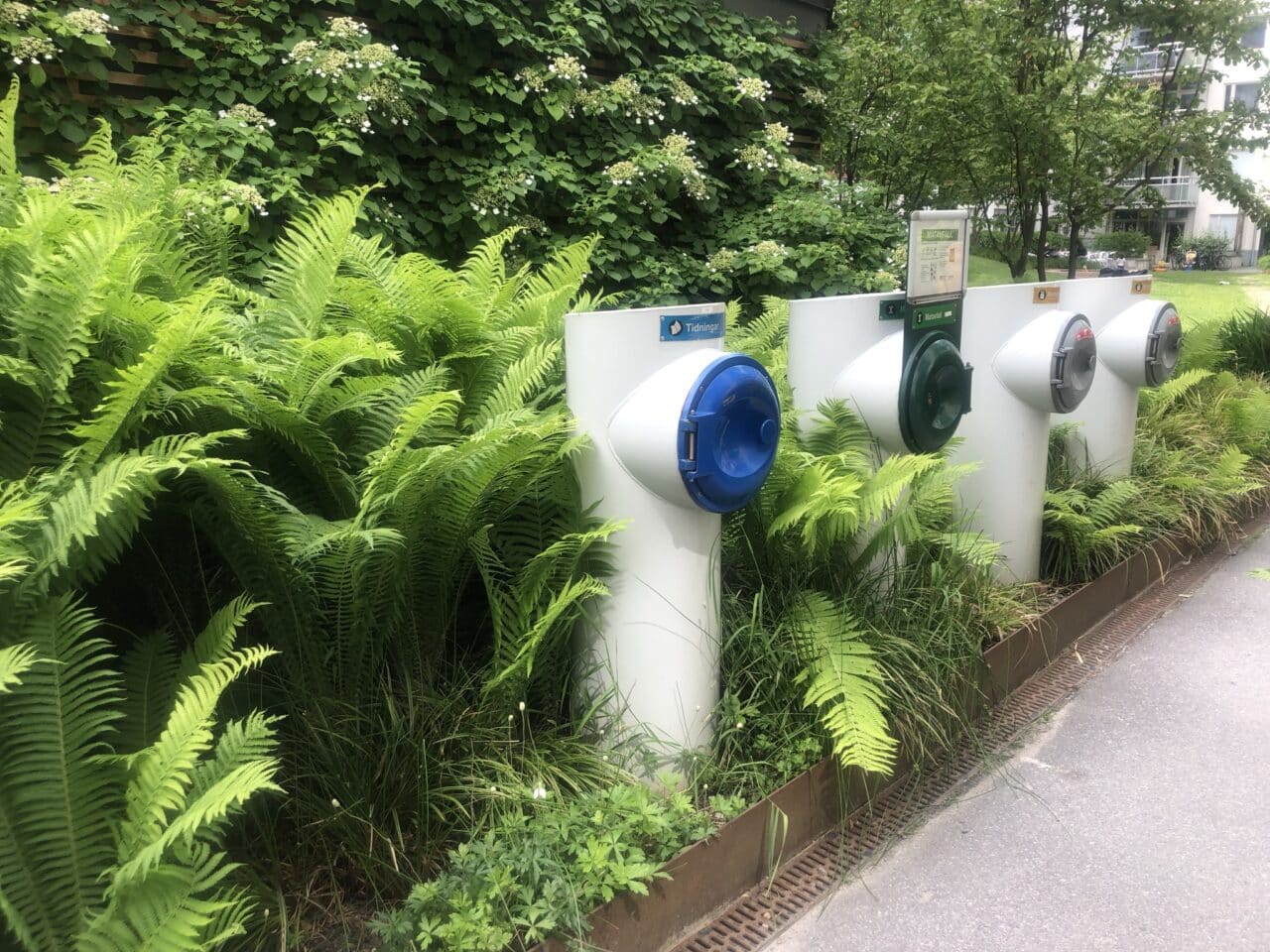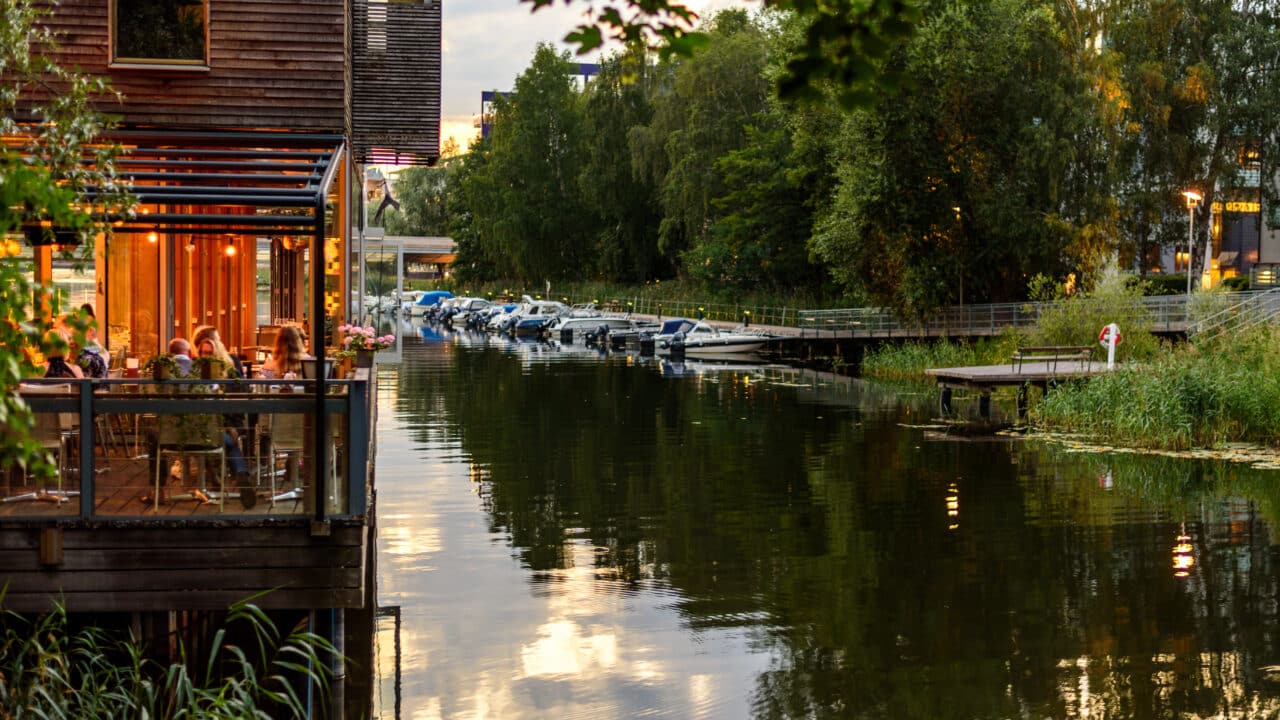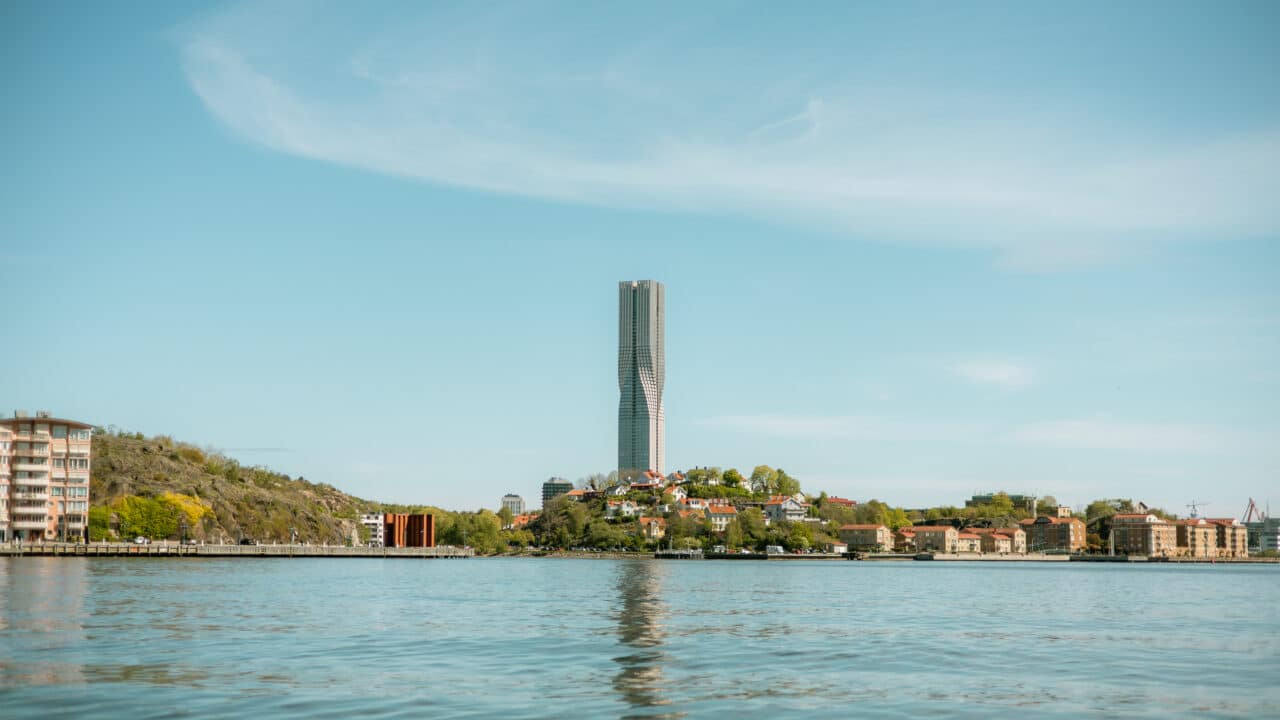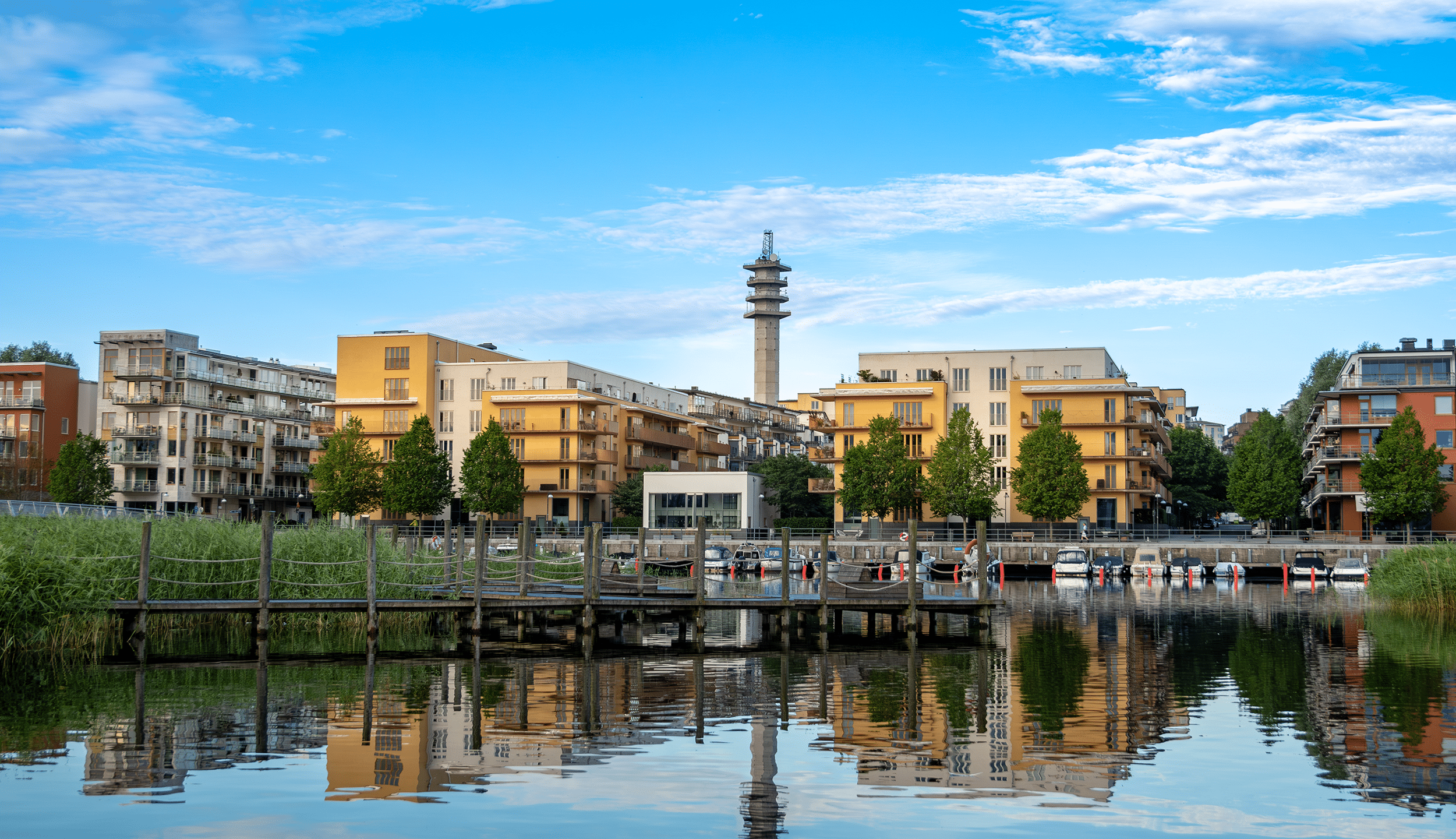
The Hammarby system in Stockholm has been in operation since 1992, making it one of the long-running examples of how automated waste collection can support dense, modern and sustainable city districts. When Hammarby Sjöstad began its transformation into one of Stockholm’s most recognised sustainable urban districts, waste collection was not treated as an afterthought. It was planned as infrastructure. Envac’s AWCS offered a way to move waste underground from inlets to a central terminal, reducing the need for surface-level storage and for heavy waste-collection vehicle access. This made the system well-suited to a compact waterfront district designed around cleaner streets, better use of public space, reduced traffic and improved everyday convenience for residents.
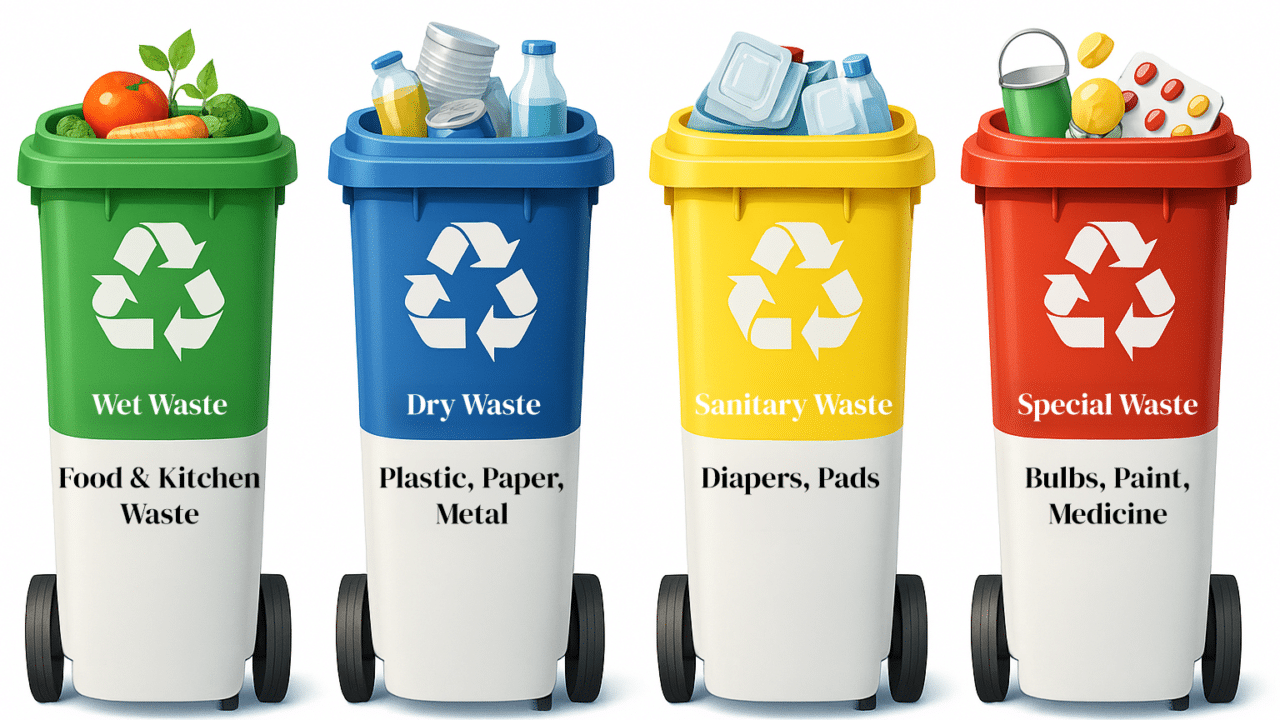
Today, the Hammarby system continues to showcase the long-term value of its design. It serves 12,700 apartments and manages a daily waste volume of 20 tonnes, collected from 770 inlet points. The system collects four waste fractions: general waste, food waste, paper/recyclables, and public litter bins. These figures demonstrate that Hammarby Sjöstad is not only a historical reference but also a functioning example of Automated Waste Collection Systems (AWCS) as durable urban infrastructure.
Hammarby Sjöstad shows what happens when cities dare to treat waste collection as essential urban infrastructure. After 35 years, the system is still helping to create cleaner streets, reduce heavy-vehicle movements, and free up valuable urban space. It remains one of the clearest examples of how automated waste collection supports sustainable city life over the long term.
Niklas Karlsson, Regional President North Europe, Envac
A model for sustainable urban development
Over the years, Hammarby Sjöstad has also become a prominent reference site for visitors, delegations and city planners looking to understand how sustainable urban systems work in practice. Envac’s references identify Hammarby Sjöstad, including Norra Hammarbyhamnen, as one of Stockholm’s progressive urban districts where automated waste collection has been deployed, alongside other leading districts such as Norra Djurgårdsstaden (Stockholm Royal Seaport). For delegations studying future cities, the area offers something especially valuable: a mature system that has been tested not over months or pilot phases, but across decades of real urban life.
The Hammarby Sjöstad journey also reflects a wider shift in how cities think about waste. Envac’s automated systems replace traditional truck-based collection with a more hygienic and environmentally friendly approach, while reducing the need for heavy vehicle access and surface-level waste storage. In practical terms, AWCS supports cleaner streets, reduced noise, better land use, and a more attractive public realm. AWCS can operate 24/7, 365 days a year, while reducing vehicle emissions, improving hygiene and optimising urban space.
Hammarby Sjöstad’s influence has travelled far beyond Sweden. One clear example is Yantai Hammarby Eco City in China, where the Hammarby name and model have inspired sustainable urban development internationally. This connection shows how lessons from Stockholm continue to inspire new eco-city development in other parts of the world.
After 35 years, Hammarby Sjöstad’s AWCS is more than a waste collection system. It is part of a journey: from early sustainable planning to proven infrastructure, to a global reference for cities seeking cleaner, smarter and more resilient urban environments. As cities around the world face pressure to reduce emissions, free up public space, and build better neighbourhoods, Hammarby Sjöstad remains a strong example of how the right infrastructure choices can shape urban life for generations.